Lanzarote
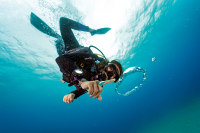
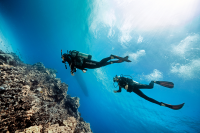
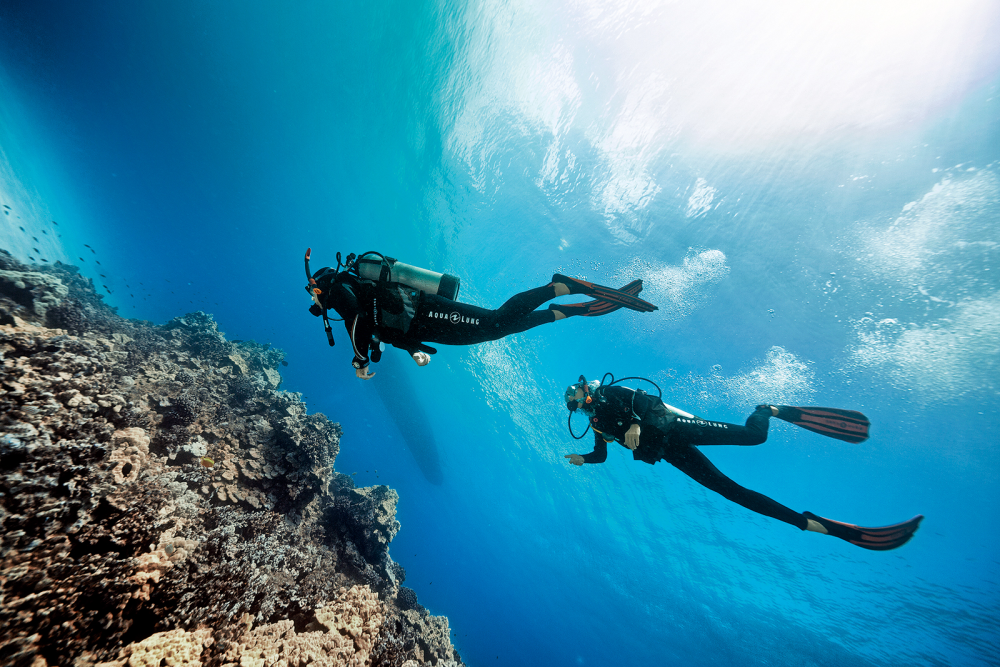
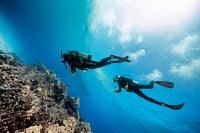
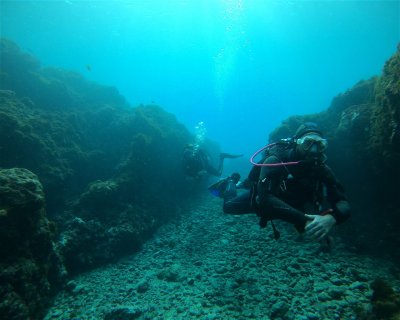
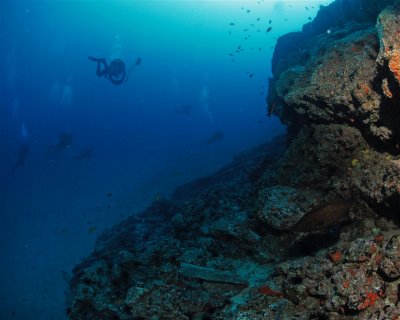
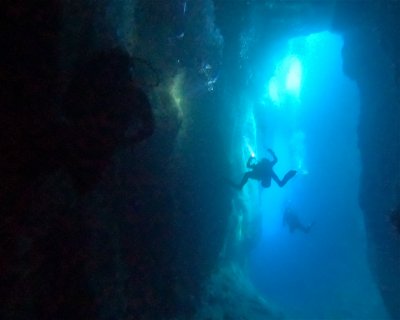
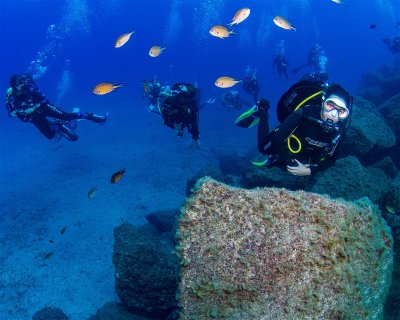
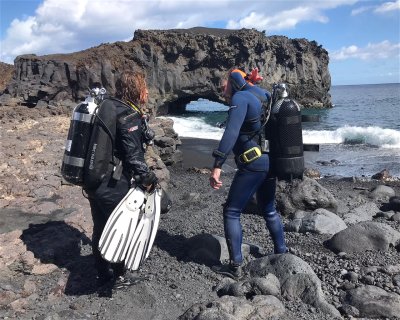
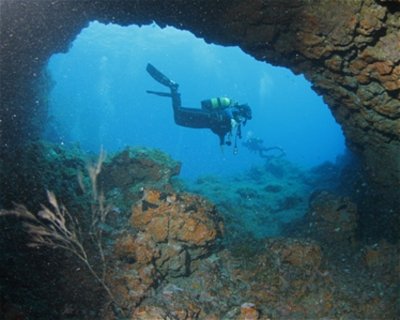
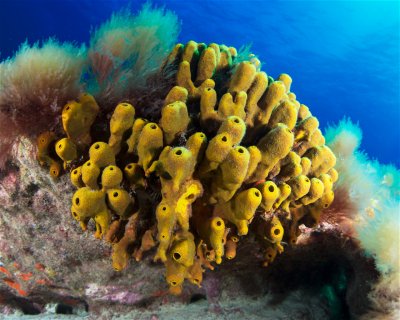
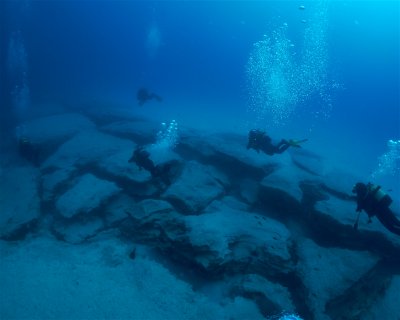
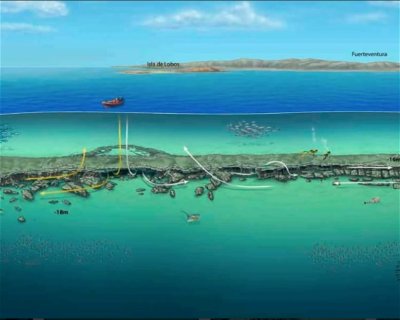
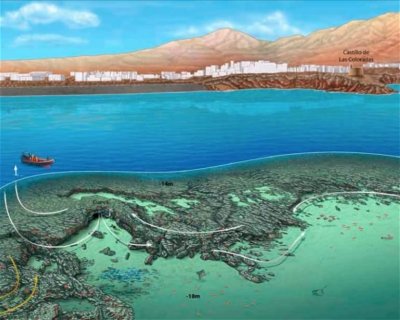
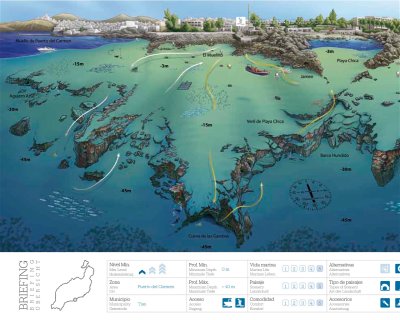
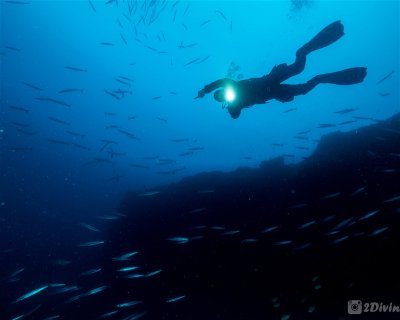
Scuba diving in Lanzarote offers adventurous divers to soar amongst fantastic underwater landscapes sculpted by volcanoes, with unending caverns.
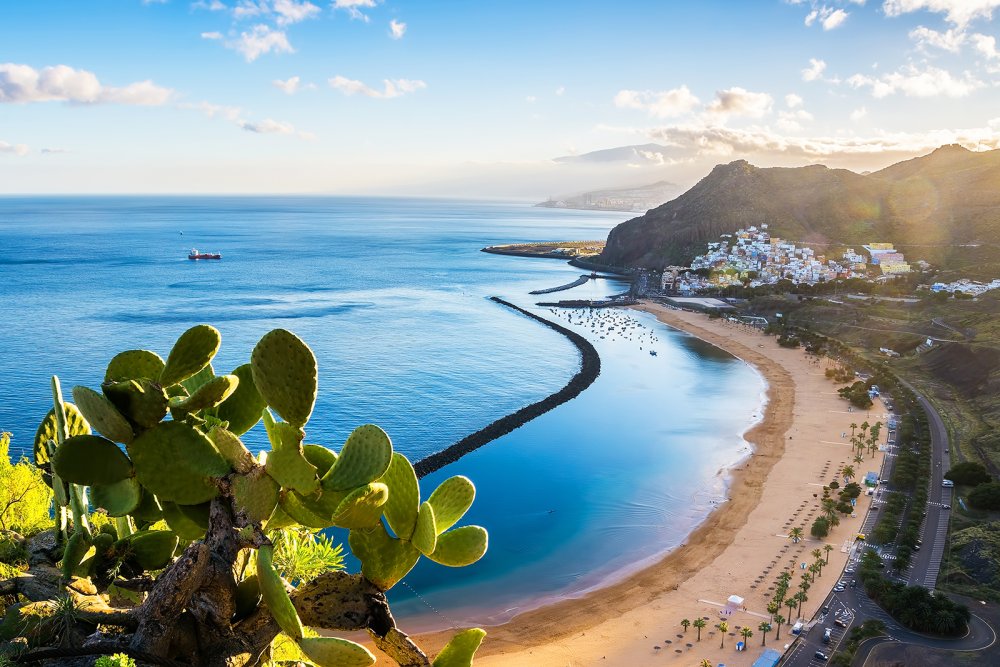 © iStock/Elena-studio
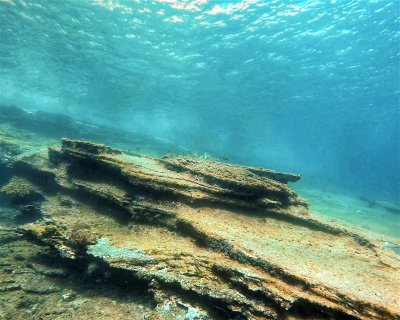
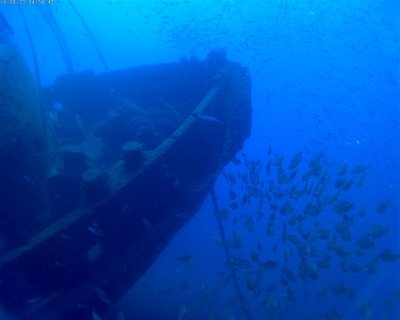
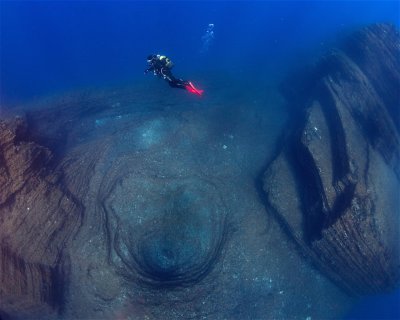
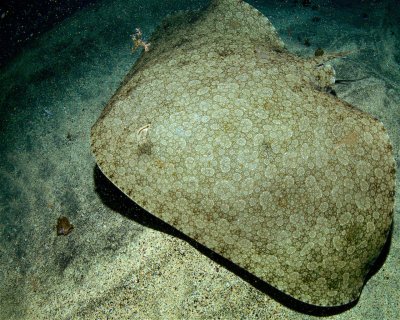
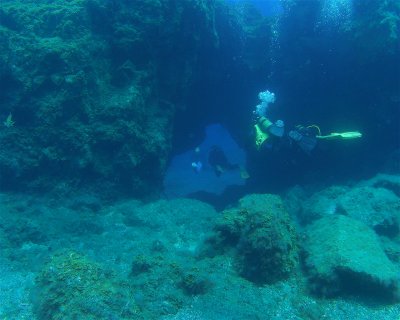
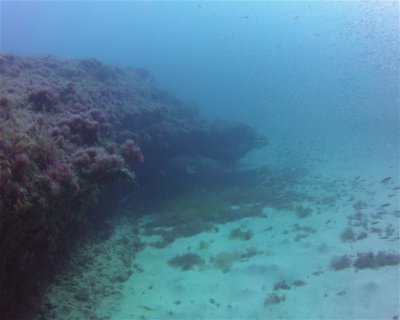
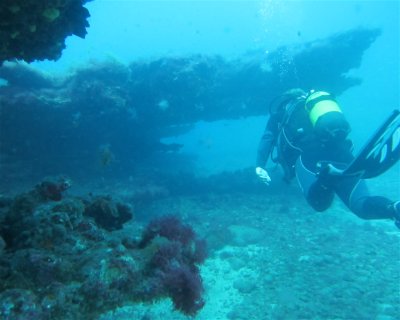
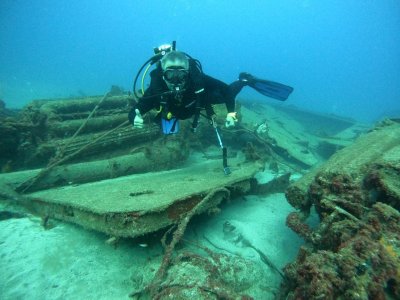
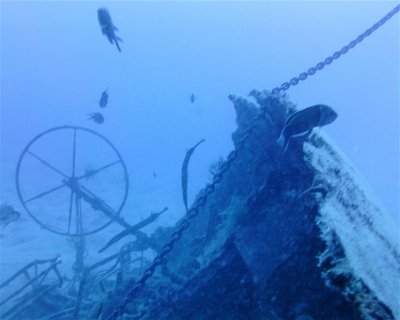
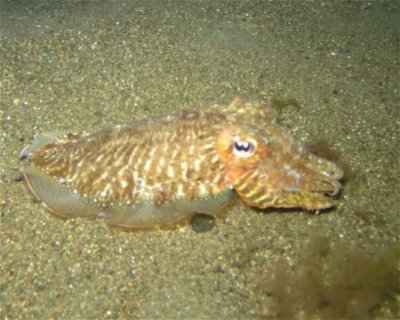
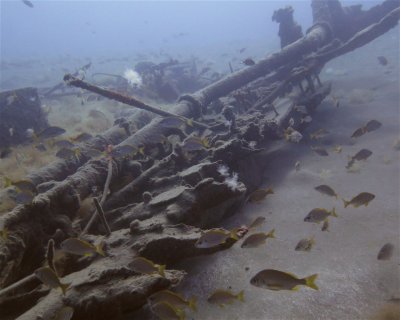
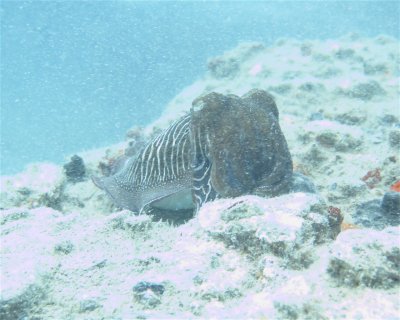
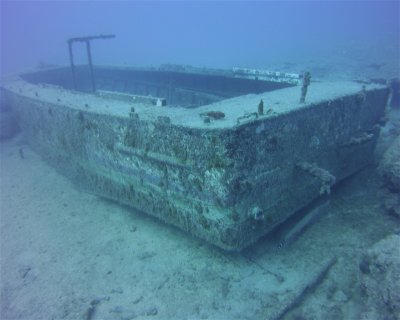
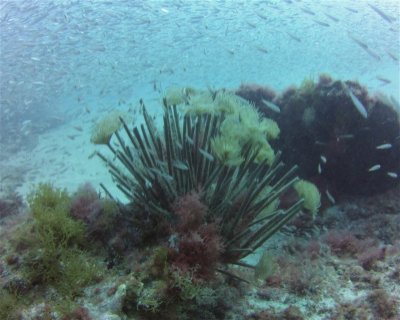
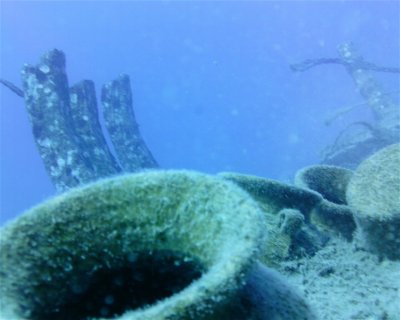
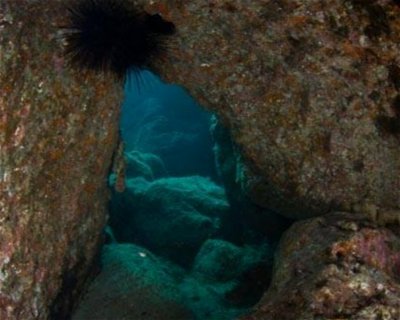
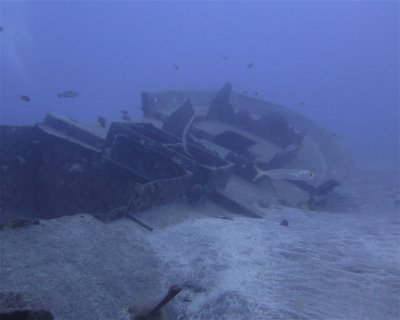
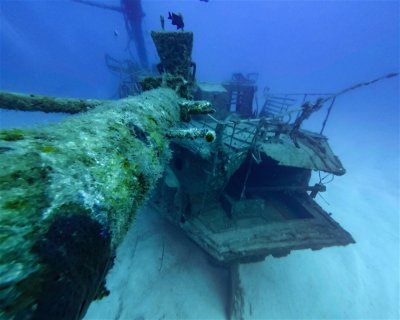
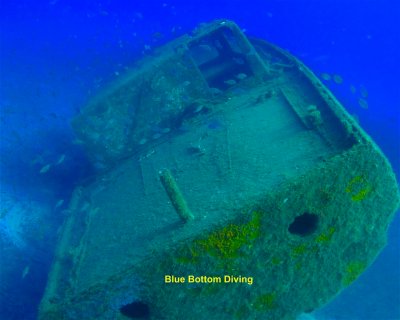
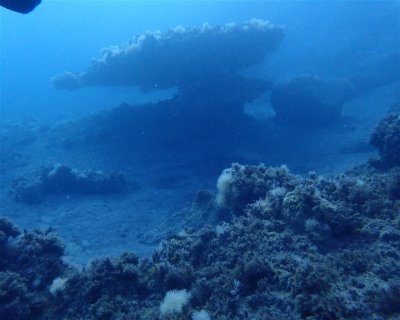
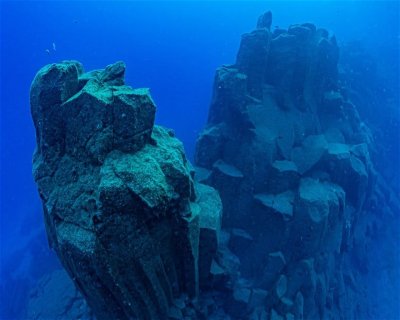
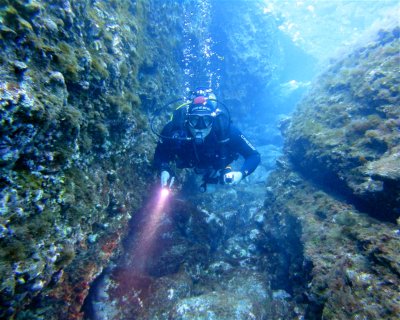
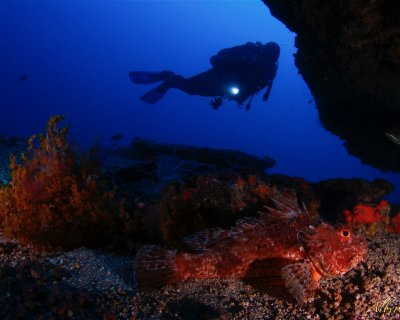
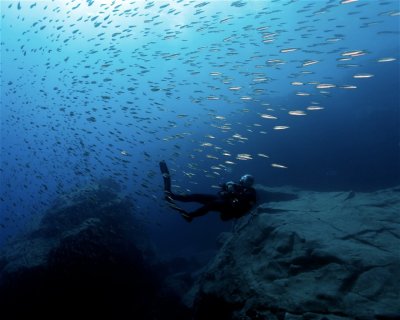
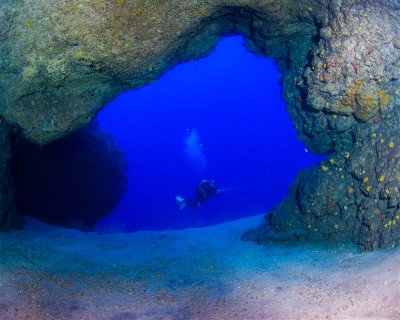
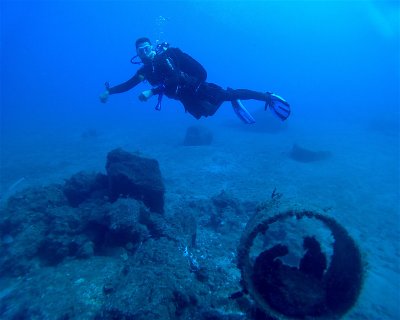
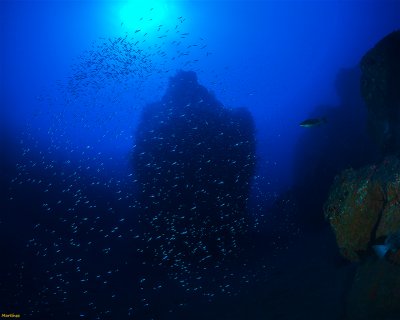
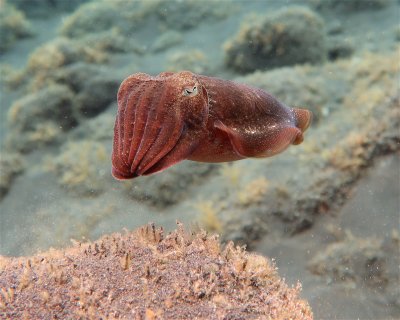
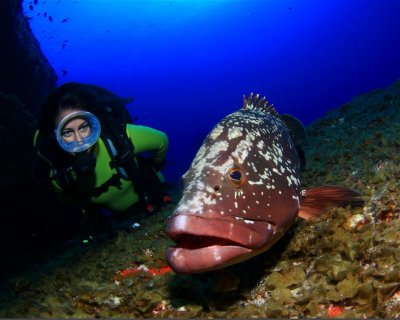
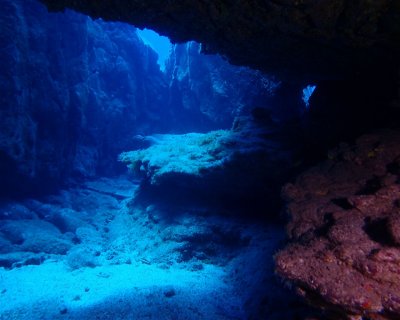
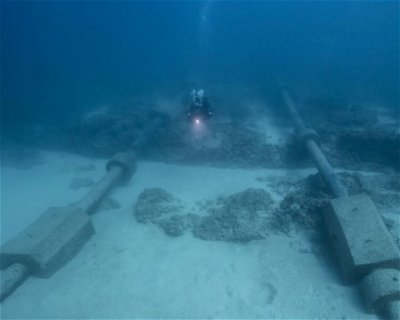
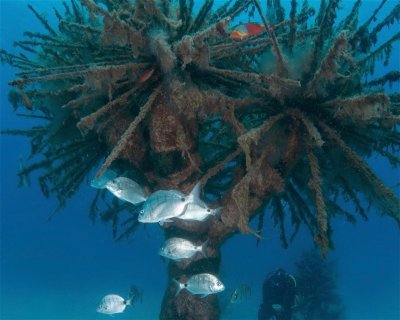
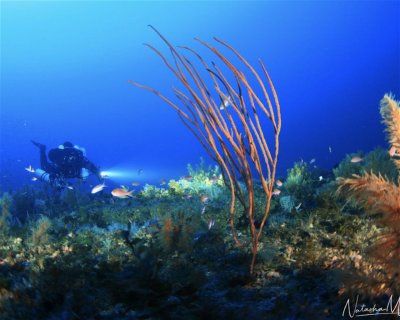
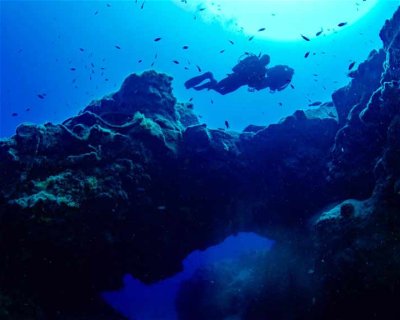
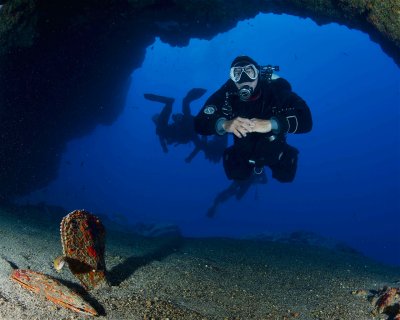
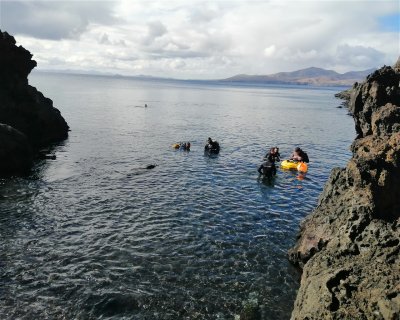
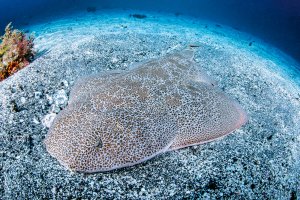
Located off the northwest coast of Africa, the Canary Islands offer a unique diving experience characterized by their volcanic origins and stunning underwater landscapes. Often referred to as 'The Fortunate Islands,' this Spanish archipelago is blessed with a sub-tropical climate, ensuring year-round diving opportunities. The islands' volcanic terrains have forged a captivating underwater world with prismatic rock formations, arches, tunnels, and canyons, creating natural playgrounds for divers. Dive environments range from vibrant reefs to dramatic walls and intriguing wrecks, each teeming with life and adventure. The marine reserves in the Canary Islands are a highlight for divers seeking encounters with diverse marine life. In the Arinaga Marine Reserve on Gran Canaria, divers can explore a labyrinth of tunnels and caverns, home to the elusive angel shark, cuttlefish, and graceful eagle rays. Meanwhile, El Hierro's Mar de las Calmas offers sightings of sea turtles, tuna, dolphins, and occasionally the majestic whale shark. The islands' open ocean exposure has also led to numerous shipwrecks evolving into artificial reefs, such as the six wrecks off Lanzarote's Puerto Del Carmen. Diving in the Canary Islands is predominantly conducted through day trips from local dive centers, with only a few dedicated dive resorts on the larger islands. The varied dive sites cater to all levels, from calm bays perfect for beginners to thrilling current-swept locations for advanced divers. With each island offering its distinct charm, the Canary Islands promise an unforgettable diving adventure in a region celebrated for its eternal spring and spectacular underwater vistas.
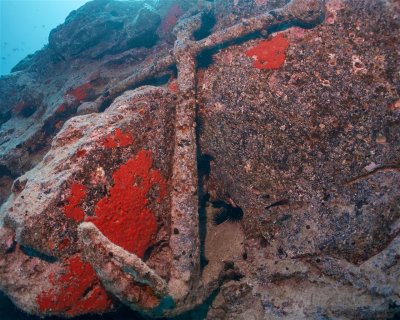
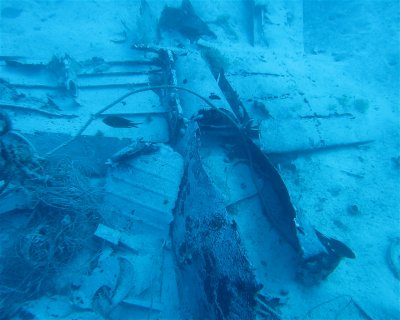
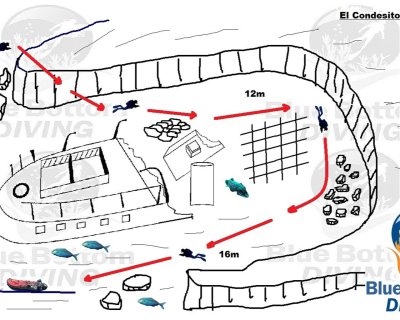
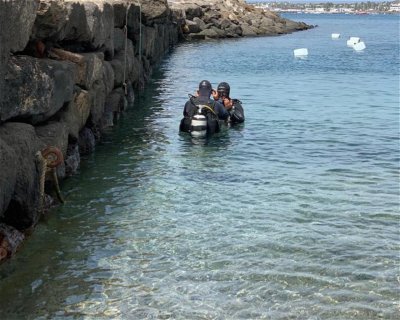
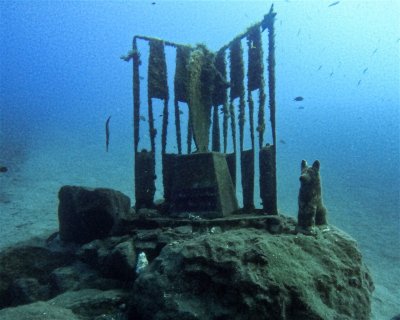
The Canary Islands, a diver's paradise, offer a range of remarkable dive sites. Notable wreck dives include "El Condesito" near Tenerife, a shipwreck teeming with marine life, and "The Wreck of the PBY-5A Catalina" in Gran Canaria, attracting divers to its fascinating underwater history. Shore dives such as "El Cabrón" in Gran Canaria boast vibrant marine ecosystems, making them popular among divers for their accessibility and beauty.
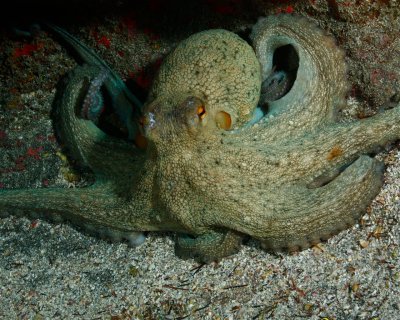
Unique underwater experiences abound, with night dives revealing the enchanting nocturnal behaviors of marine species. Observing stingrays and octopuses under the moonlit waters is a thrilling spectacle. The balance between shore and liveaboard options caters to various dive preferences, ensuring that all adventurers can explore the underwater wonders of the Canary Islands at their leisure or with guided excursions.
The Canary Islands offer excellent diving conditions year-round, with water temperatures ranging from 18°C–24°C/64°F–75°F. Visibility typically extends to 30 meters/98 feet, providing divers with clear views of vibrant marine life and volcanic underwater landscapes. The archipelago's location in the Atlantic Ocean results in stable conditions, making it a popular diving destination.
Diving is possible throughout the year, though conditions can vary with the seasons. Winter months, particularly December to February, may bring stronger winds and currents, which can affect diving experiences. However, these factors are generally mild, ensuring that divers can enjoy their trips with proper planning and guidance. Overall, the Canary Islands provide a reliable and diverse diving experience no matter the season.
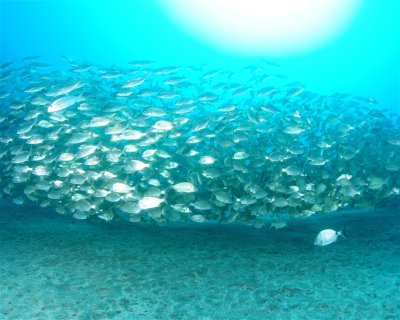
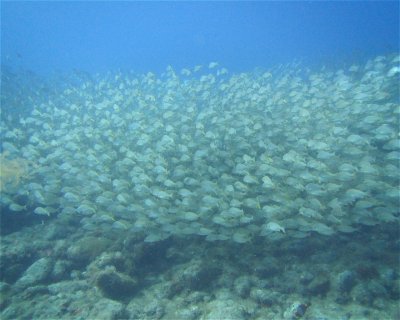
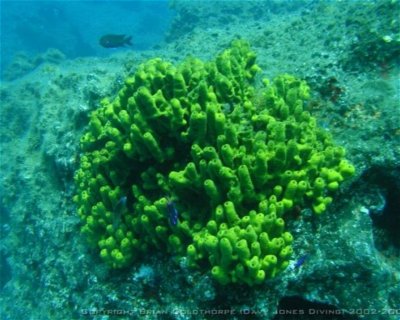
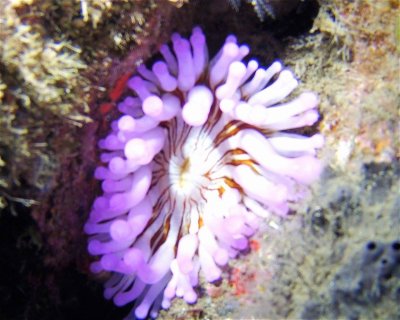
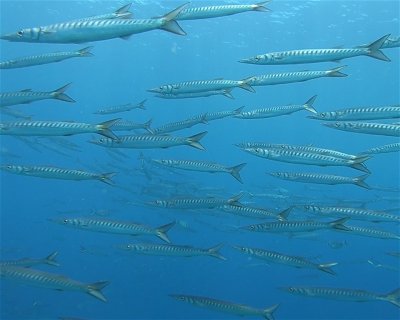
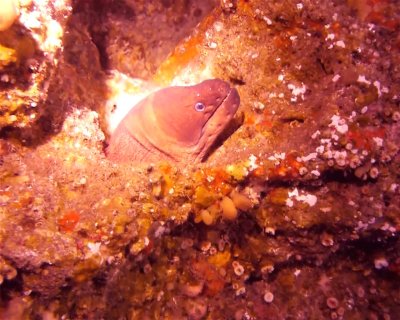
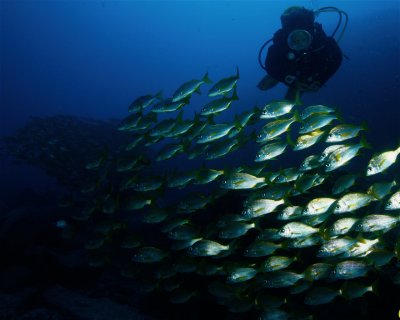
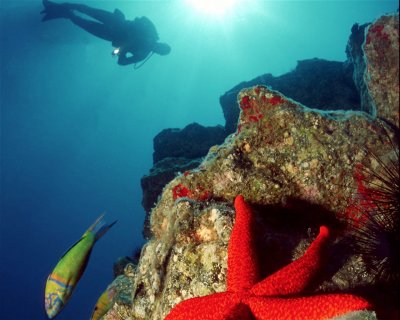
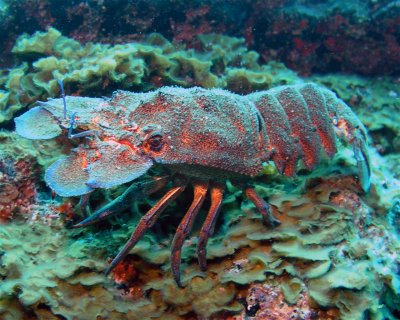
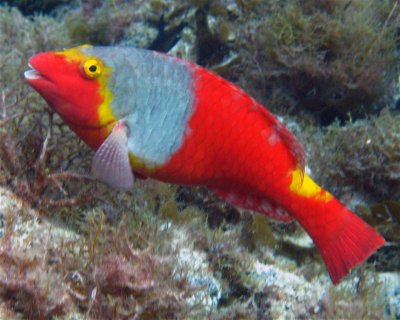
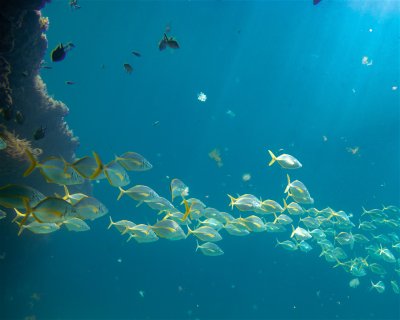
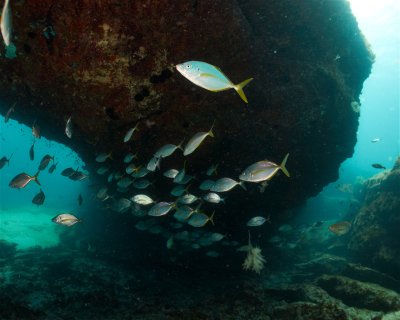
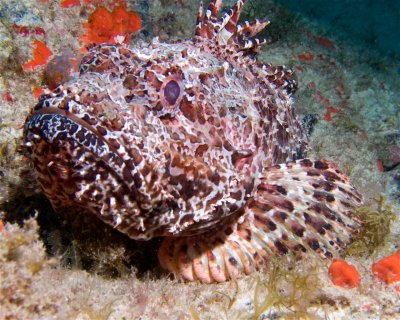
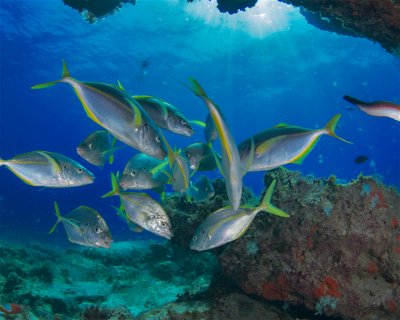
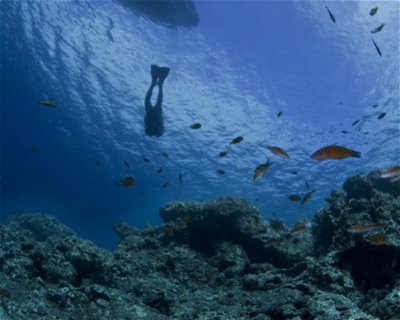
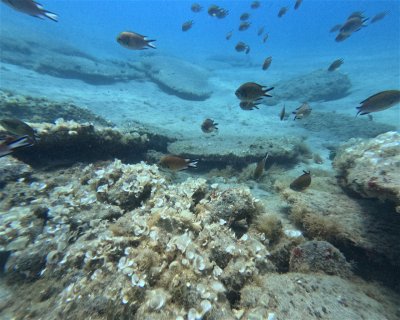
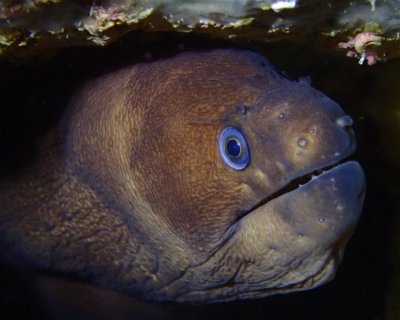
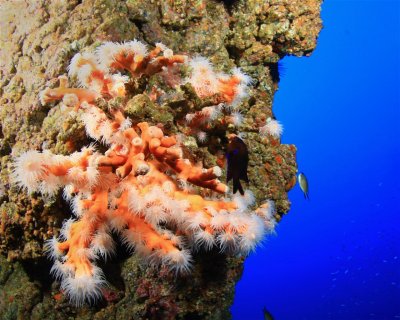
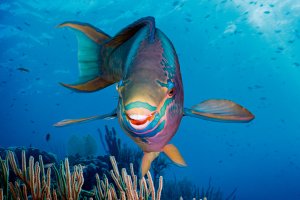
The Canary Islands are a vibrant hotspot for marine biodiversity, characterized by their rich and diverse underwater ecosystems. Common reef fish include parrotfish, wrasses, and damselfish, which are frequently sighted in the colorful coral reefs surrounding the islands. These species are a staple of the local marine environment and can be seen year-round, offering a reliable spectacle for divers.
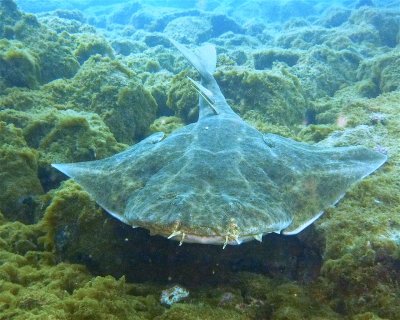
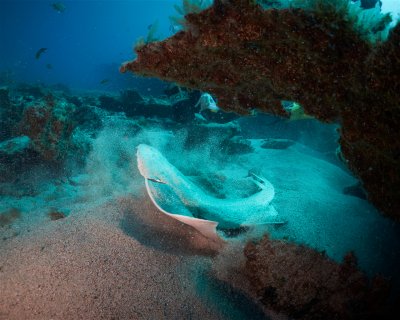
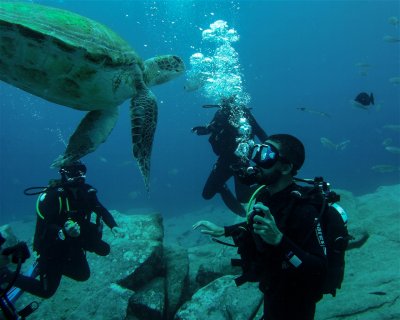
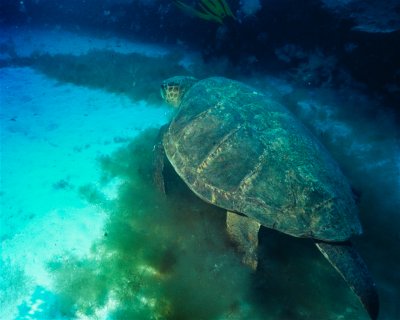
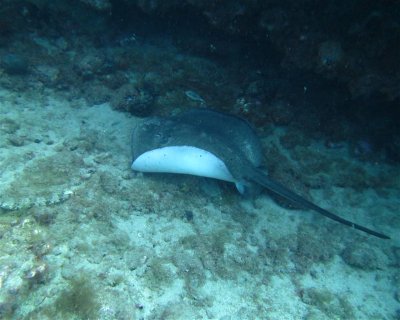
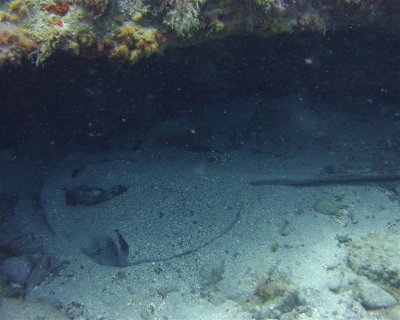
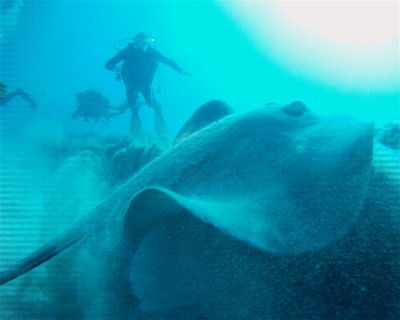
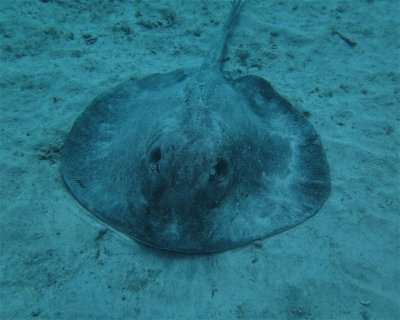
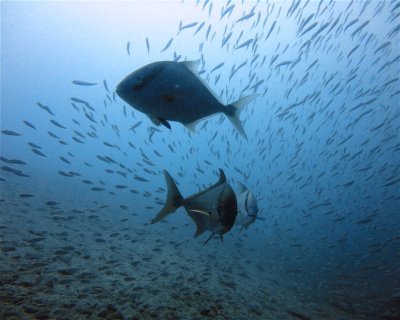
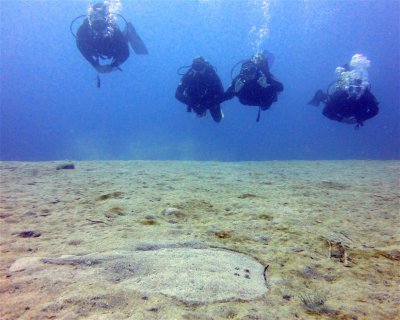
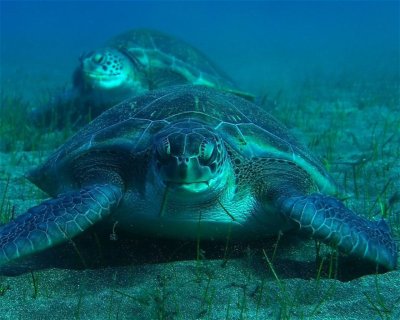
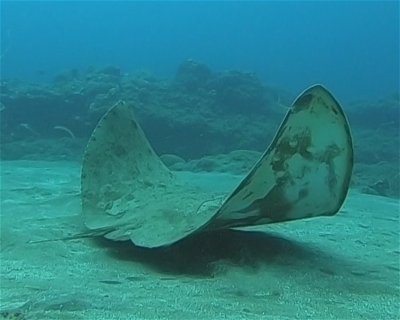
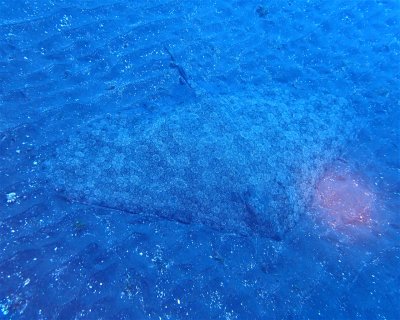
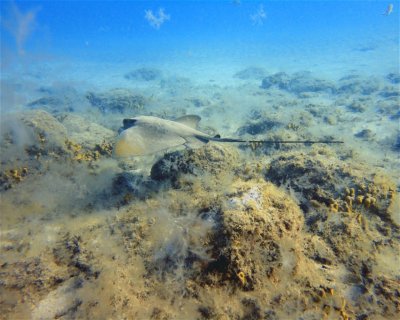
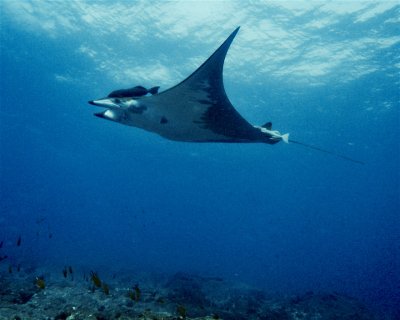
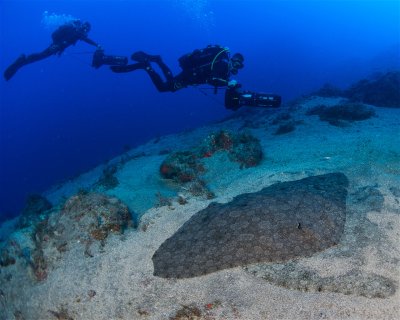
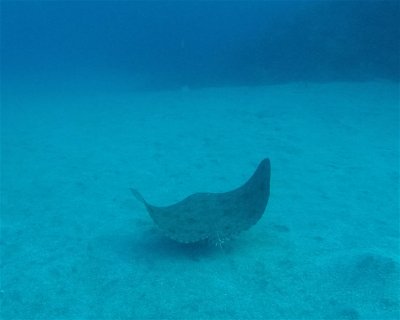
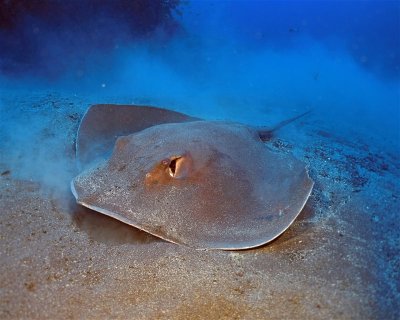
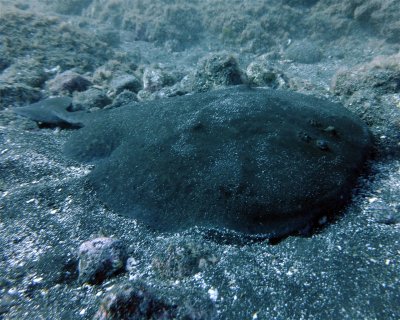
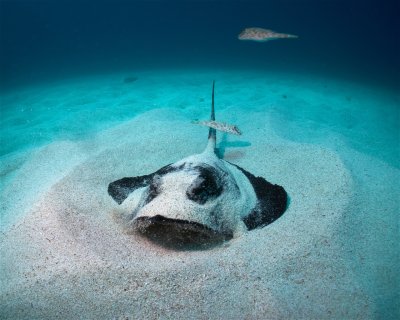
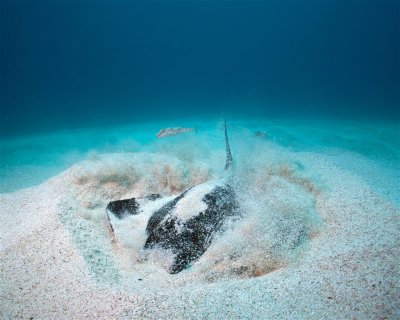
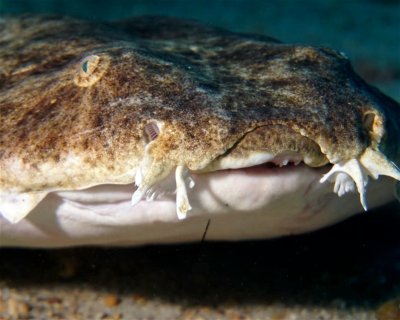
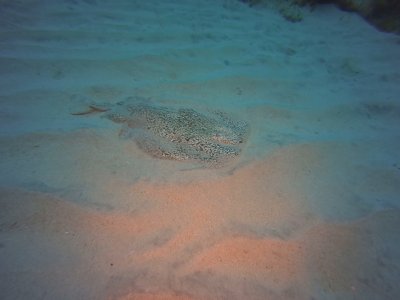
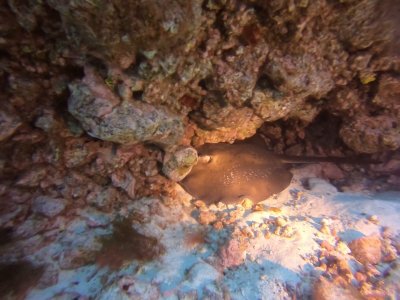
Seasonal highlights in the Canary Islands include encounters with larger species such as angel sharks, loggerhead turtles, and stingrays. Angel sharks are often seen between December and April, particularly around sandy bottoms. Loggerhead turtles grace the waters in warmer months, making summer an ideal time for turtle enthusiasts. Stingrays, including butterfly rays, are more commonly observed in the southern parts of the islands, where they glide majestically over the seabed. Whether visiting in summer or winter, divers are likely to experience an array of fascinating marine life.
Wildlife Sightings are Based on User Generated Content
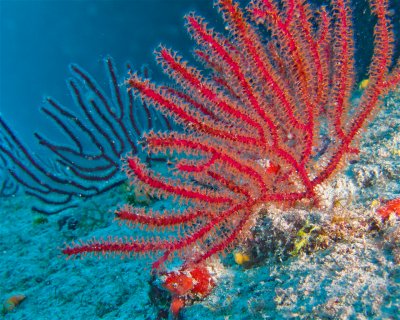
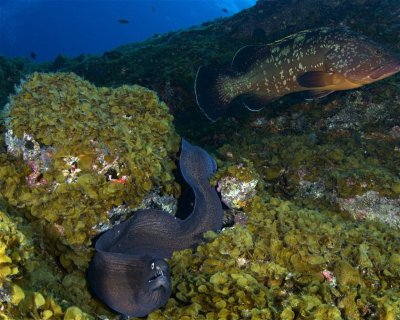
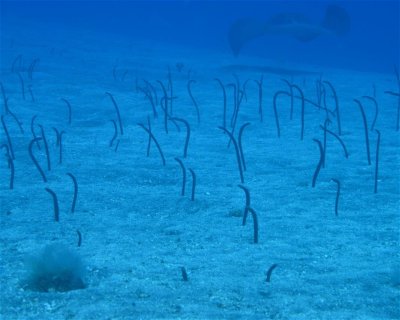
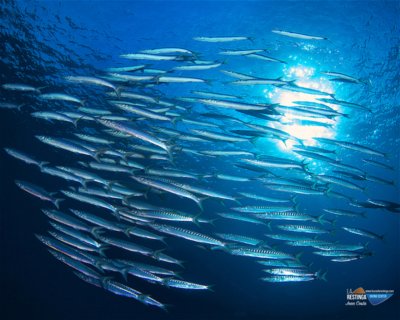
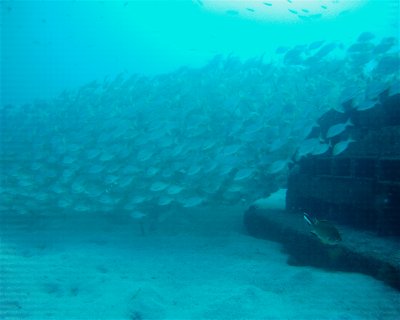
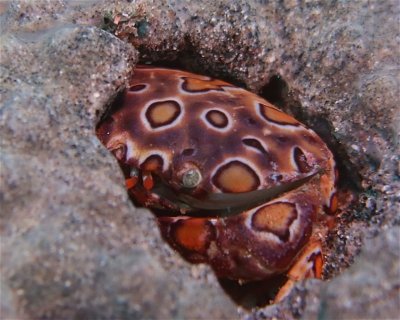
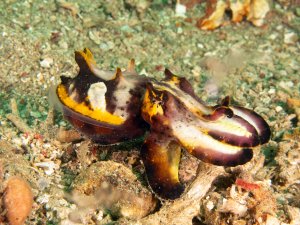
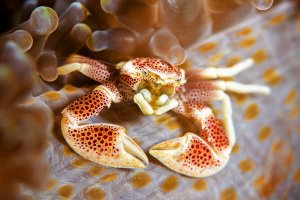
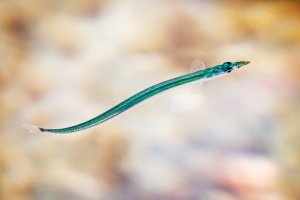
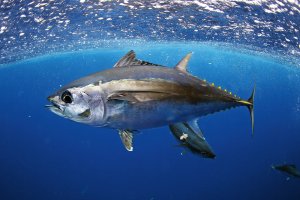
The image shown is a representative illustration and does not depict every individual animal in this category.
Total number of species approx.: 27
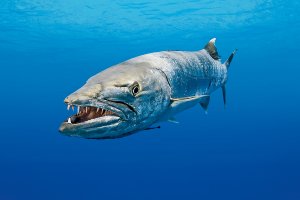
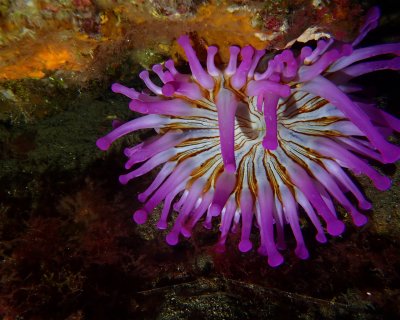
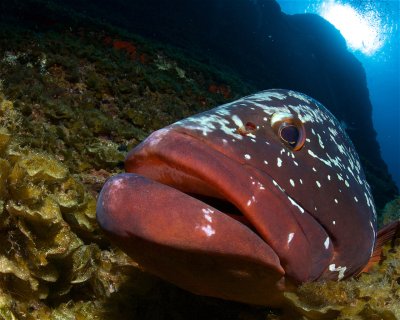
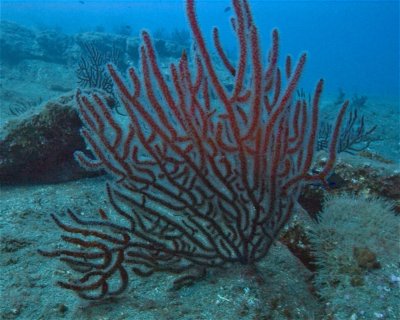
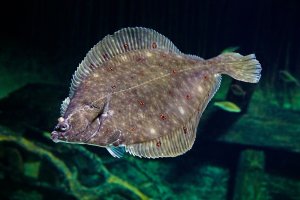
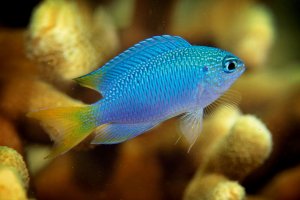
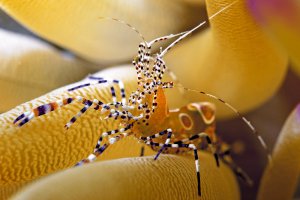
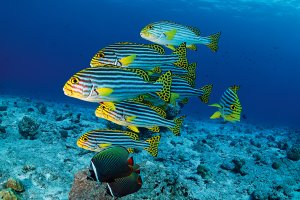
The image shown is a representative illustration and does not depict every individual animal in this category.
Total number of species approx.: 200
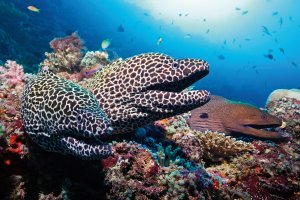
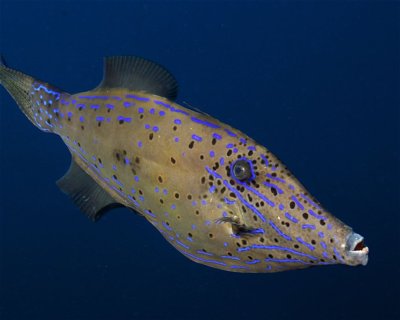
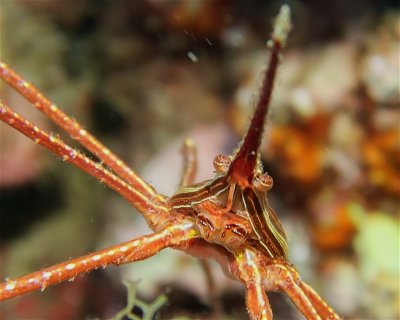
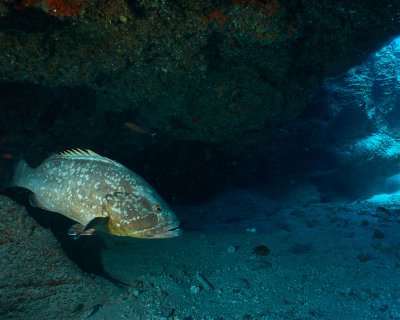
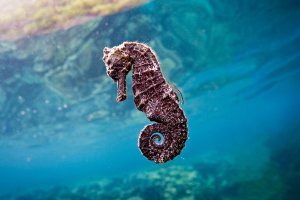
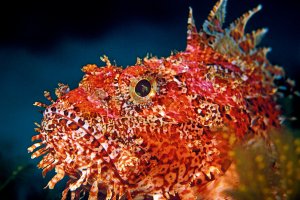
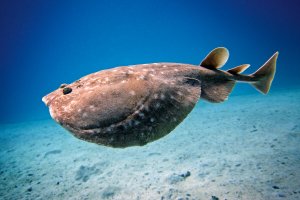
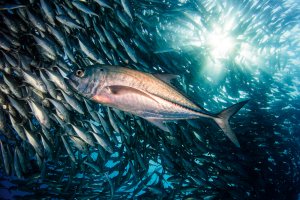
The image shown is a representative illustration and does not depict every individual animal in this category.
Total number of species approx.: 300
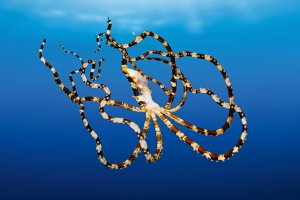
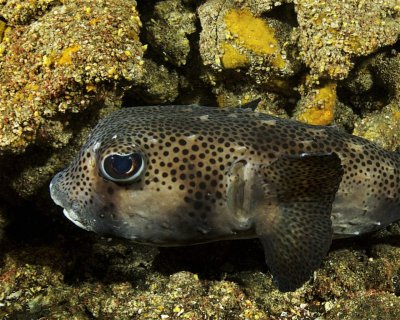
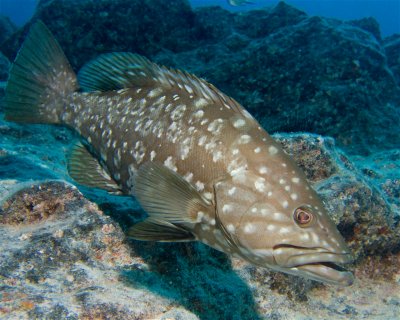
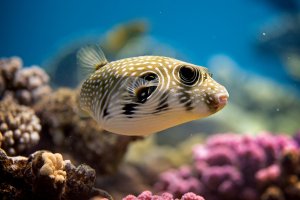
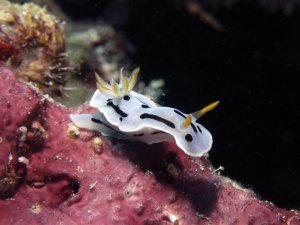
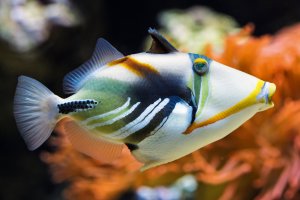
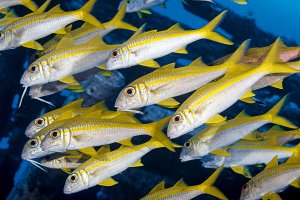
The image shown is a representative illustration and does not depict every individual animal in this category.
Total number of species approx.: 25
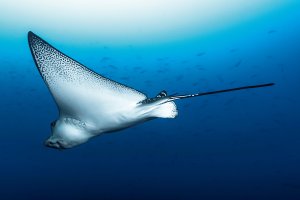
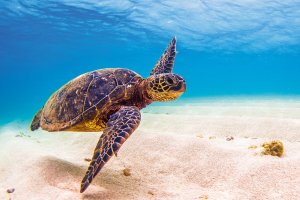
The image shown is a representative illustration and does not depict every individual animal in this category.
Total number of species approx.: 600
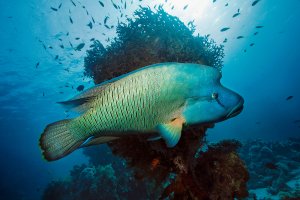
The image shown is a representative illustration and does not depict every individual animal in this category.
Total number of species approx.: 80
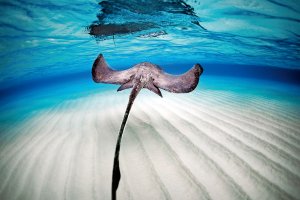
The image shown is a representative illustration and does not depict every individual animal in this category.
Total number of species approx.: 250
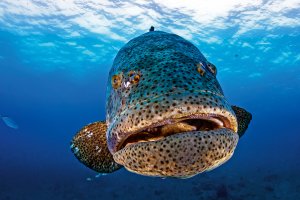
The image shown is a representative illustration and does not depict every individual animal in this category.
Total number of species approx.: 3
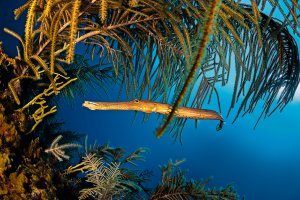
The image shown is a representative illustration and does not depict every individual animal in this category.
Total number of species approx.: 26
Curated by Interest
Mares
Aqualung
Shutterstock-Zi Magine
Mares-Predrag Vuckovic
Scubapro
Shutterstock-Ethan Daniels
Mares-Predrag Vuckovic
Mares-Bjoern Dorstewit

The one course you really need in addition to the OWD is the Nitrox course. It’s all about the benefits of diving with Nitrox—a breathing gas that contains less nitrogen a...
Show Offer
Take your first step into scuba diving and earn an internationally recognised Open Water Diver certification. This offer provides everything included in the linked course progra...
Show OfferThis globally recognized certification program is the best way to begin your lifelong adventures as a certified scuba diver. Personalized training is combined with in-water prac...
Show OfferThe SSI Perfect Buoyancy specialty is the best way to improve your buoyancy and get the most from every dive. Buoyancy is an essential dive skill, but any diver will tell yo...
Show Offer
Start the journey of a lifetime with the SSI Open Water Diver course. This experience will change you forever!We offer Open Water diving courses in very small groups of up to 2 ...
Show Offer
This program, which gives you an internationally recognized certification, is ideal to start your adventures as a certified diver. The combination of personalized training and p...
Show Offer
You don’t need experience, equipment, or a secret past life as a sea creature. Just the urge to try something amazing.When you are thinking about trying scuba… but don’t k...
Show OfferWith the SSI Try Scuba course you can experience your first unforgettable breaths underwater. With an instructor at your side, you can dive in confined water without any worries...
Show Offer
Discover the underwater world of Lanzarote with our experienced instructors—for all skill levels.
Show Offer
The one course you really need in addition to the OWD is the Nitrox course. It’s all about the benefits of diving with Nitrox—a breathing gas that contains less nitrogen a...
Show OfferDelve into the Wonders of Marine LifeExplore diverse marine ecosystems: Discover the intricate balance of life in marine ecology, from the smallest organisms to the largest mari...
Show Offer
As a Nitrox diver, you can increase your bottom times and safety margins, plus shorten your surface intervals - so you can spend more time diving and less time waiting! In this ...
Show OfferThe SSI Night & Limited Visibility Specialty program teaches you the knowledge and practical skills needed to dive safely and confidently in low-light and limited visibility...
Show Offer
The SSI Deep Diving Specialty will teach you all you need to dive to depths between 18 and 40 meters, through a mixture of academic sessions and open water dives. You will l...
Show Offer
Start the journey of a lifetime with the SSI Open Water Diver course. This experience will change you forever!We offer Open Water diving courses in very small groups of up to 2 ...
Show OfferTrue Adventure Begins When You Feel Prepared and CapableImagine the thrill of descending to new depths, exploring a mysterious shipwreck or diving at night, all while controllin...
Show OfferTake the First Step to a Life UnderwaterIf the best part of your week is slipping into your wetsuit; if you spend more time searching for dive courses than scrolling through you...
Show Offer
We offer two fun dives for qualified divers Monday to Saturday only.Price includes all equipment hire, transportation, free pick-up service from the south of Tenerife We me...
Show Offer
Discover the underwater world of Lanzarote with our experienced instructors—for all skill levels.
Show OfferThis globally recognized certification program is the best way to begin your lifelong adventures as a certified scuba diver. Personalized training is combined with in-water prac...
Show Offer
If you're having trouble deciding which specialty programs are the best choice for you, join SSI's Advanced Open Water Diver program! This program allows you to try a variety of...
Show OfferThe SSI Perfect Buoyancy specialty is the best way to improve your buoyancy and get the most from every dive. Buoyancy is an essential dive skill, but any diver will tell yo...
Show Offer
As a Nitrox diver, you can increase your bottom times and safety margins, plus shorten your surface intervals - so you can spend more time diving and less time waiting! In this ...
Show Offer
The SSI Deep Diving Specialty will teach you all you need to dive to depths between 18 and 40 meters, through a mixture of academic sessions and open water dives. You will l...
Show Offer
Start the journey of a lifetime with the SSI Open Water Diver course. This experience will change you forever!We offer Open Water diving courses in very small groups of up to 2 ...
Show Offer
This program, which gives you an internationally recognized certification, is ideal to start your adventures as a certified diver. The combination of personalized training and p...
Show Offer
You don’t need experience, equipment, or a secret past life as a sea creature. Just the urge to try something amazing.When you are thinking about trying scuba… but don’t k...
Show Offer
We offer two fun dives for qualified divers Monday to Saturday only.Price includes all equipment hire, transportation, free pick-up service from the south of Tenerife We me...
Show Offer
If you're having trouble deciding which specialty programs are the best choice for you, join SSI's Advanced Open Water Diver program! This program allows you to try a variety of...
Show Offer
As a Nitrox diver, you can increase your bottom times and safety margins, plus shorten your surface intervals - so you can spend more time diving and less time waiting! In this ...
Show Offer
The SSI Deep Diving Specialty will teach you all you need to dive to depths between 18 and 40 meters, through a mixture of academic sessions and open water dives. You will l...
Show Offer
This program, which gives you an internationally recognized certification, is ideal to start your adventures as a certified diver. The combination of personalized training and p...
Show Offer
The SSI Try Scuba program is the best way to dive for the first time. You will dive in confined water accompanied by an instructor, who will be by your side at all times so you ...
Show Offer
As a deep diver, you have the unique opportunity to explore some of the world's best dive sites and most popular marine life. There is so much waiting for you in the deep blue s...
Show Offer
You don’t need experience, equipment, or a secret past life as a sea creature. Just the urge to try something amazing.When you are thinking about trying scuba… but don’t k...
Show Offer
We offer two fun dives for qualified divers Monday to Saturday only.Price includes all equipment hire, transportation, free pick-up service from the south of Tenerife We me...
Show Offer
Discover the underwater world of Lanzarote with our experienced instructors—for all skill levels.
Show OfferDelve into the Wonders of Marine LifeExplore diverse marine ecosystems: Discover the intricate balance of life in marine ecology, from the smallest organisms to the largest mari...
Show Offer
If you're having trouble deciding which specialty programs are the best choice for you, join SSI's Advanced Open Water Diver program! This program allows you to try a variety of...
Show Offer
This program, which gives you an internationally recognized certification, is ideal to start your adventures as a certified diver. The combination of personalized training and p...
Show Offer
The SSI Try Scuba program is the best way to dive for the first time. You will dive in confined water accompanied by an instructor, who will be by your side at all times so you ...
Show Offer
As a deep diver, you have the unique opportunity to explore some of the world's best dive sites and most popular marine life. There is so much waiting for you in the deep blue s...
Show OfferNight dives require very different skills than daylight dives. The SSI Night Diving & Limited Visibility Specialty course is the best way to learn all about night diving and...
Show Offer
We offer two fun dives for qualified divers Monday to Saturday only.Price includes all equipment hire, transportation, free pick-up service from the south of Tenerife We me...
Show Offer
DOSSIER: THE SEVEN ROSES OF THE ATLANTIC ENCHANT DIVERS YEAR ROUND...The rugged Canary Islands are one of the most popular dive destinations in Spain, offering diving at UNESCO ...
Show Offer
If you're having trouble deciding which specialty programs are the best choice for you, join SSI's Advanced Open Water Diver program! This program allows you to try a variety of...
Show OfferThe SSI Extended Range Foundations program provides you with an opportunity to enhance your advanced diving skills in a workshop environment. Learn more about using tec diving g...
Show Offer
In fall 2026, you can travel with us to the Canary Island of Fuerteventura - the island with probably the most beautiful beaches in the entire archipelago. The year-round pleasa...
Show Offer
If you want to make the most of your bottom time and enjoy your dives more, try diving with a scooter or a dive propulsion vehicle (DPV). In this program you will learn the conc...
Show Offer
This program, which gives you an internationally recognized certification, is ideal to start your adventures as a certified diver. The combination of personalized training and p...
Show Offer
The SSI Try Scuba program is the best way to dive for the first time. You will dive in confined water accompanied by an instructor, who will be by your side at all times so you ...
Show Offer
As a deep diver, you have the unique opportunity to explore some of the world's best dive sites and most popular marine life. There is so much waiting for you in the deep blue s...
Show OfferNight dives require very different skills than daylight dives. The SSI Night Diving & Limited Visibility Specialty course is the best way to learn all about night diving and...
Show Offer
We offer two fun dives for qualified divers Monday to Saturday only.Price includes all equipment hire, transportation, free pick-up service from the south of Tenerife We me...
Show OfferThe SSI Extended Range Foundations program provides you with an opportunity to enhance your advanced diving skills in a workshop environment. Learn more about using tec diving g...
Show Offer