Los Cristianos
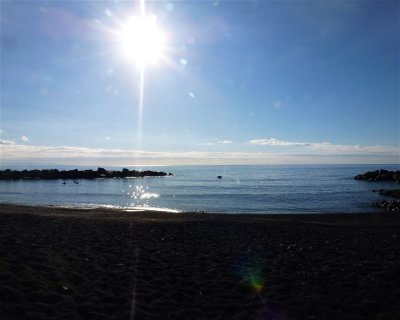
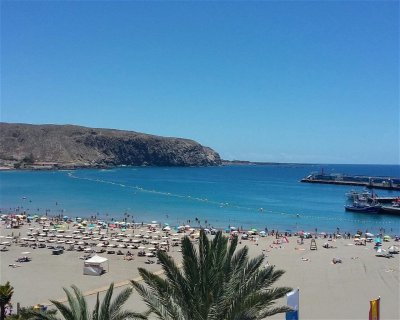
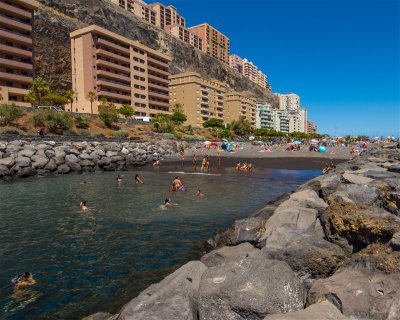
Once a small fishing village, today Los Cristianos is one of the main tourist areas in the south of
 © Aqualung
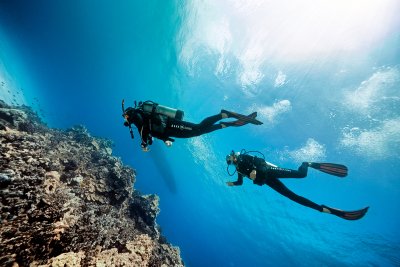
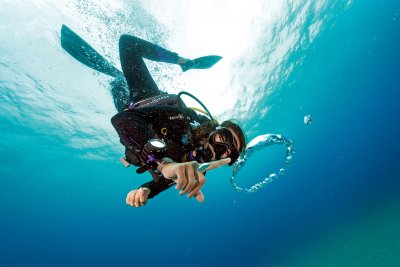
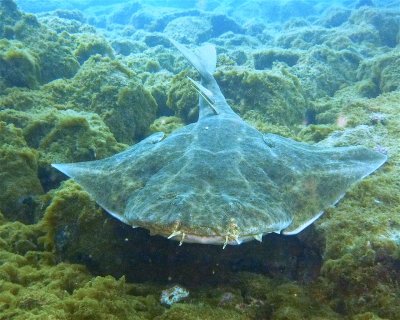
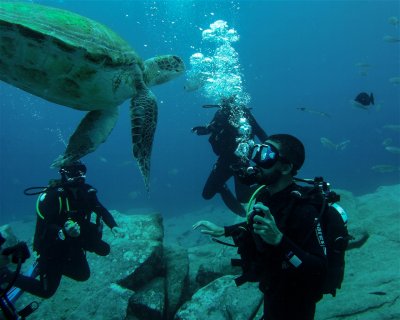
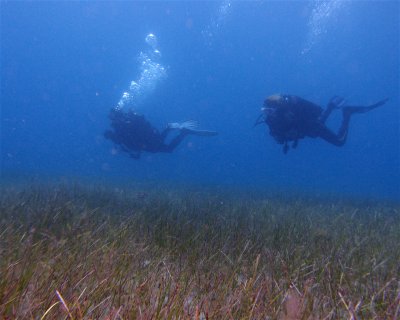
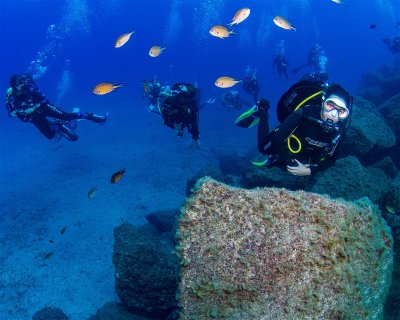
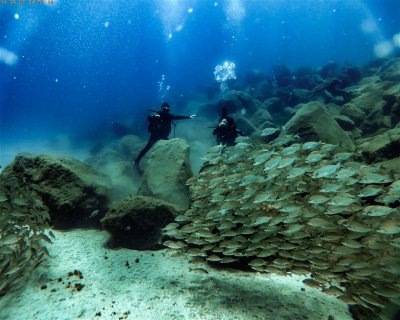
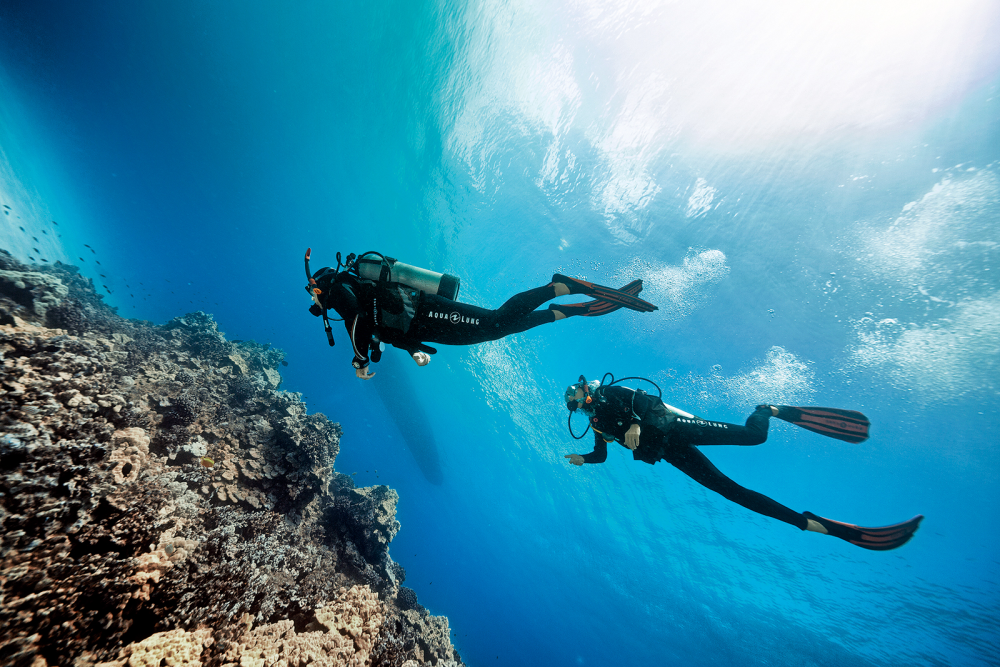
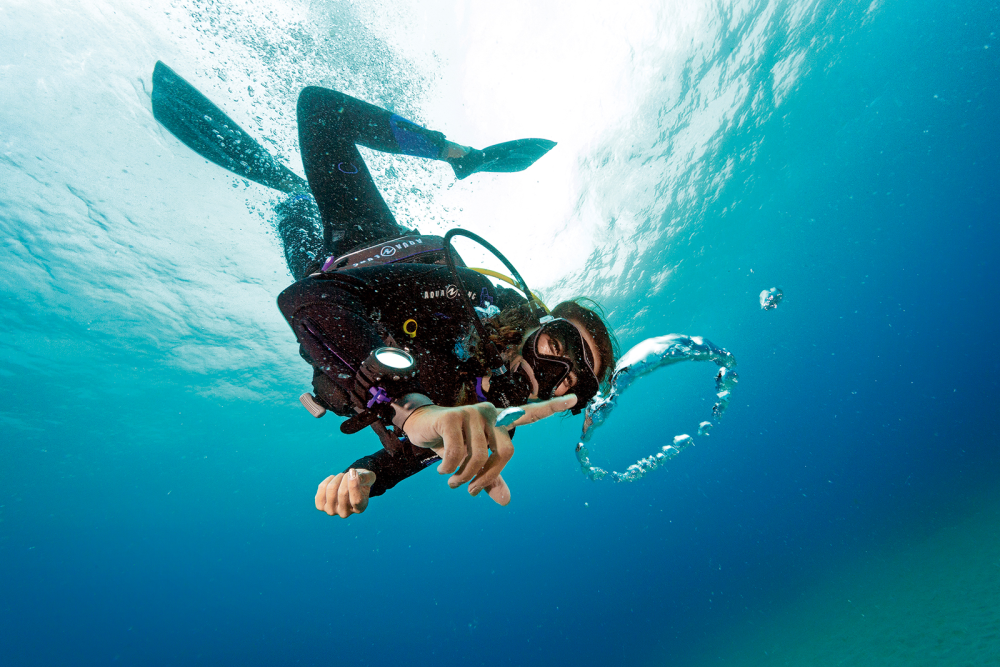
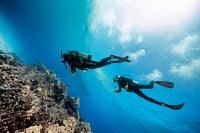
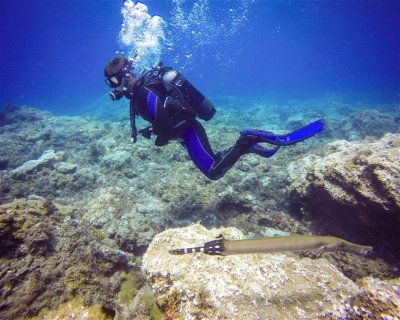
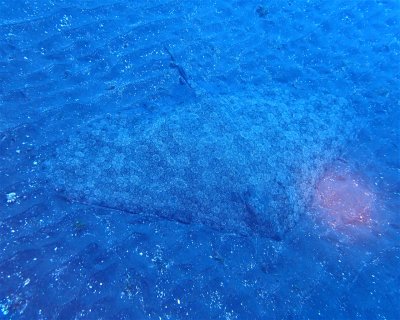
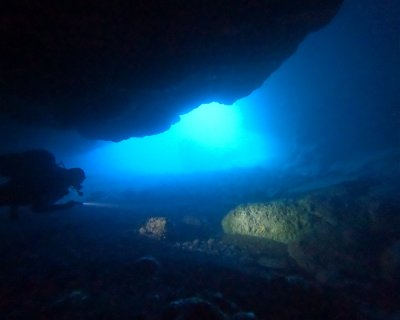
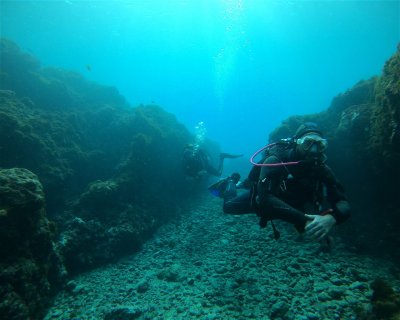
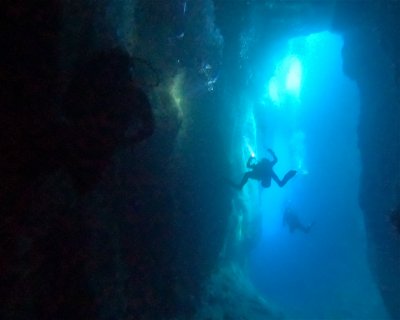
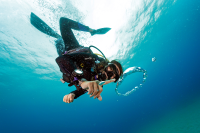
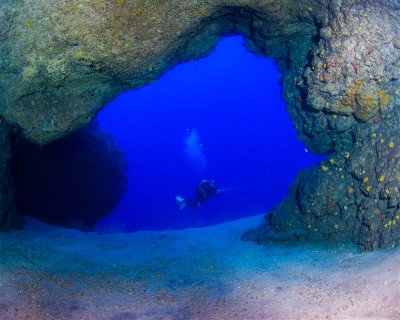
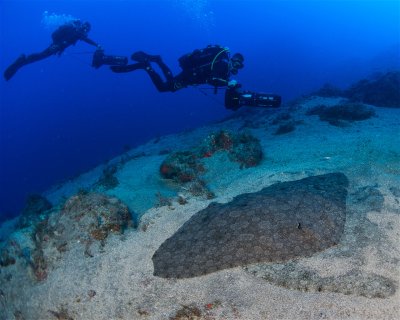
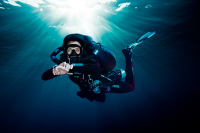
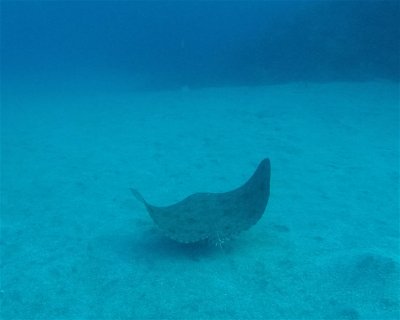
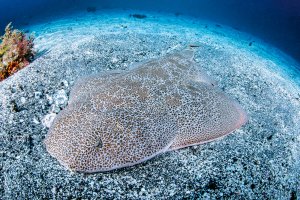
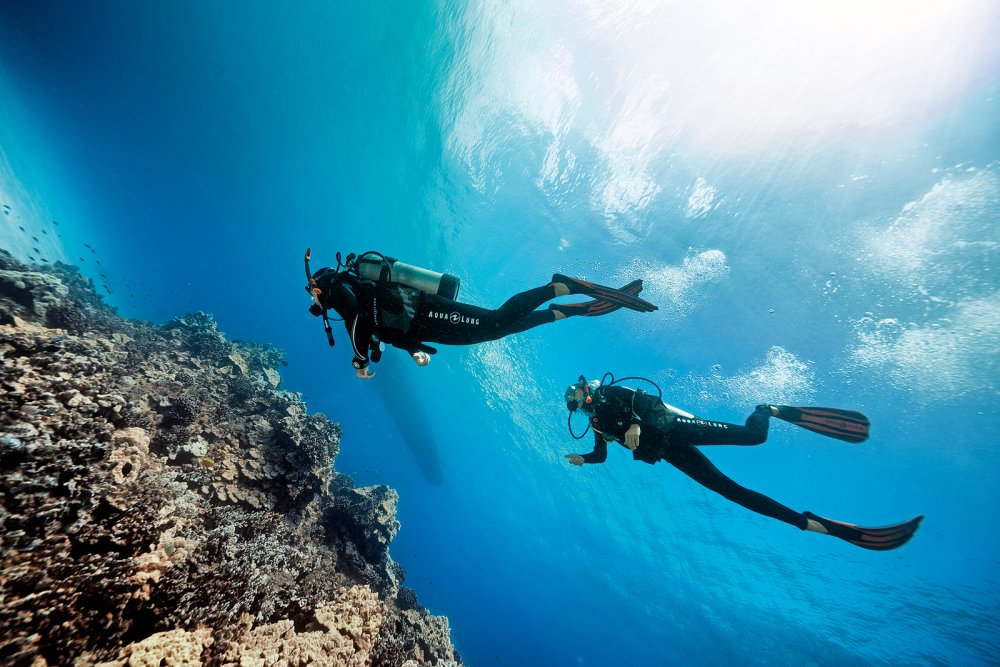
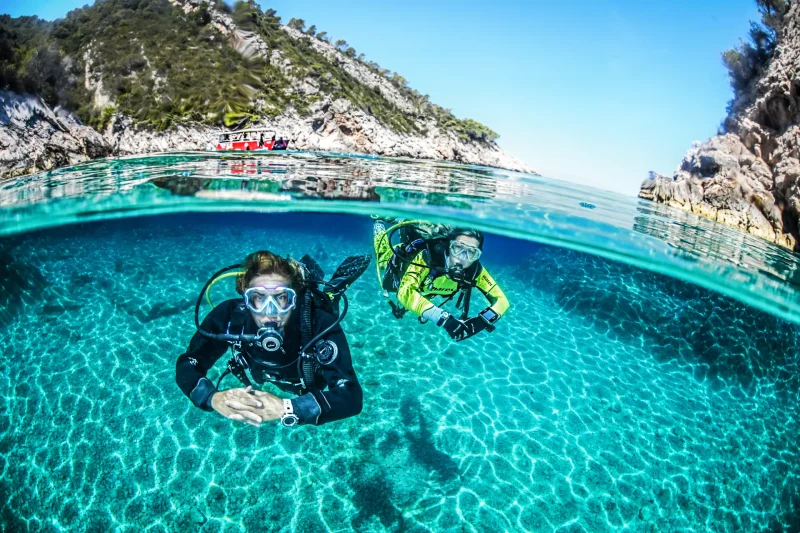
Tenerife is the largest of Spain’s Canary Islands and is an incredibly unique place to dive. Tenerife’s volcanic origins are showcased in the underwater landscape, with rocky reefs, lava tunnels, drop-offs, canyons and caves. Whether you decide to dive along the south or north coastline, there is always a choice of both shore and boat entry, with several easy dive sites for beginners as well as the deep and thrilling sites for those with more experience. While scuba diving in Tenerife, it is likely to encounter several rays, from eagle rays to the common stingray, benthic angel shark, as well as groups of sea turtles taking refuge on protected reefs. Four species of whale and dolphin are also resident to the Canaries, so year-round it’s possible to spot one.
The cities of Las Galletas and Costa Adeje concentrate the majority of Tenerife diving activity, with the surrounding resort towns of Playa de las Americas, Los Cristianos, - situated in Arona - and Callao Salvaje exploring the southern coastline. Dive centres are more common than dive resorts here. It is possible to dive Tenerife’s northern coastline via Los Gigantes and from Puerto de la Cruz. There are several dive centres in Los Gigantes and a single dive resort in Puerto de la Cruz ready to accompany divers to the spectacular volcanic rock formations of the north. Depending on the dive centre, many offer dive courses from Discover Scuba to Divemaster as well as there being a few trained Instructor Development centres on the island.
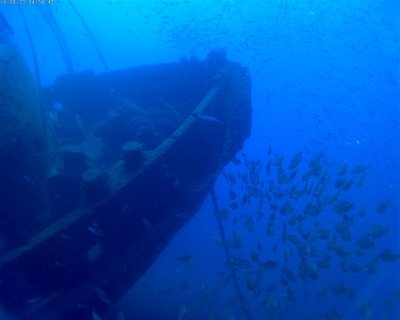
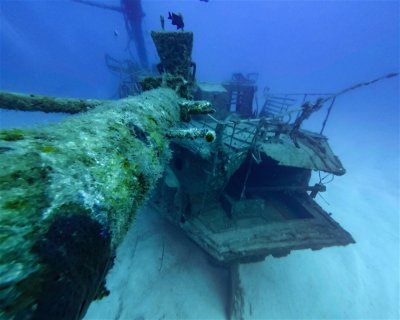
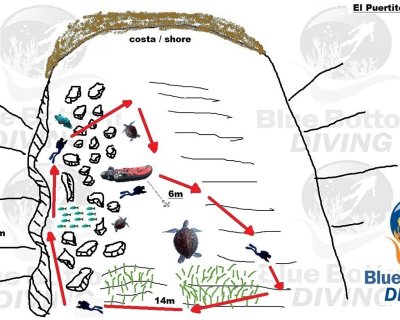
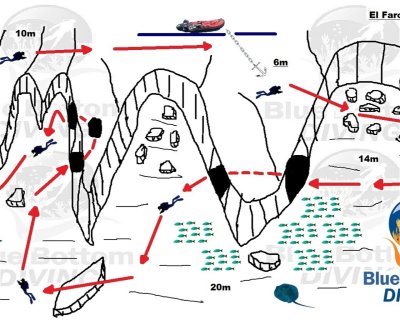
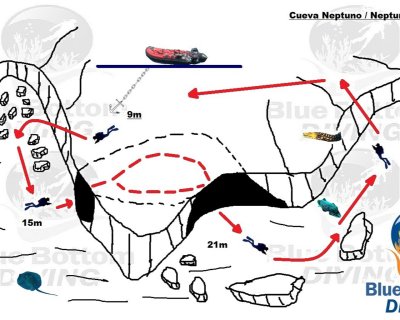
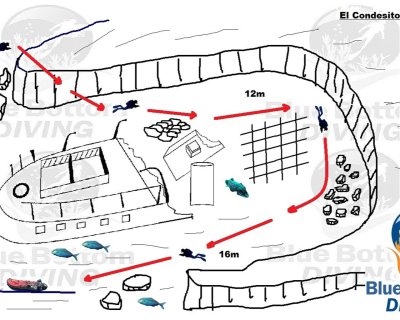
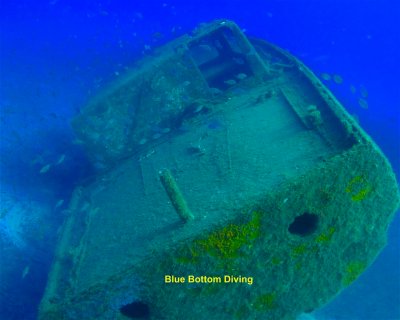
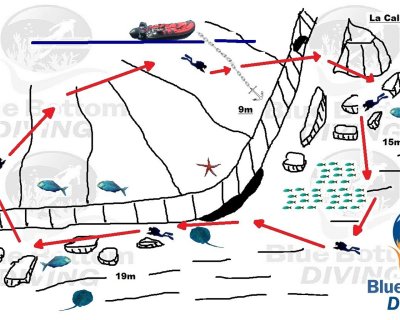
In southern Tenerife, the calm waters in bays and coves are ideal for dive courses or a first-ever dive experience. El Puertito, Abades Beach, and Las Vistas beach are ideal locations. There are also several wrecks in the area, from The Condesito wreck sitting at a maximum depth of 20-metres and The Meridian, which sits 30-metres deep and is reserved for more experienced divers. Once you’ve descended onto The Meridian, the cabins and interior spaces can be easily entered into and explored. Heading out by boat, deep dives feature pinnacles, caves, and drop-offs while caves and arches can also be found shallower, at Yellow Mountain and El Bufadero.
The dive sites in the north of Tenerife are between 10-40 metres, where tech-divers can even descend as far as 60-metres at some drop-offs. For beginners, there are shallow rocky reefs such as Las Eras which can be entered from the shore. An aeroplane wreck of the Douglas DC-3 can be found on the sand at 33-metres while cavern divers will enjoy dive sites such as Tunnel, Bollullo, and Portillo.
Located 115km from the coast of Morocco, Africa, and in close proximity to the equator, the Canary Islands have a sunny climate and a pleasant temperature throughout the year. The average temperature ranges from 17°C in January to 24°C in August - meaning that even in summer the weather isn’t uncomfortably hot but you’ll definitely catch some sun.
The underwater visibility in Tenerife is generally 30-metres and the water temperature oscillates between 18°C in winter and 24°C in summer. The best time for scuba diving in Tenerife is from April until October while the water temperature is at its most comfortable. Although, dive centres are open throughout the year and great scuba diving can be had throughout - just remember to don a thicker wetsuit if you are planning to dive in the winter!
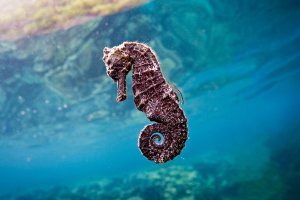
The Canary Islands resident whales and dolphins can be seen throughout the year while for a chance of spotting a manta ray, September is the prime month. Found at rocky reefs, seahorse can be seen in the summer months from May through to August.
Around one-third of all whale and dolphin species either reside in or pass through the waters of the Canary Islands - with 4 resident species and a total of 24 migratory species. This means that at any time on your dive or surface interval, at any time of the year, divers may spot a resident pilot whale, risso dolphin, bottlenose dolphin or sperm whale.
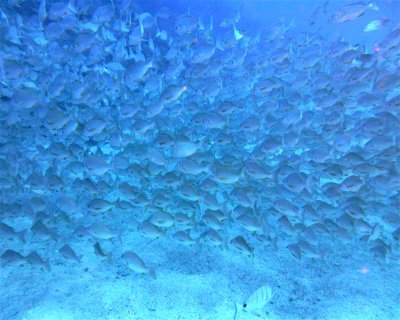
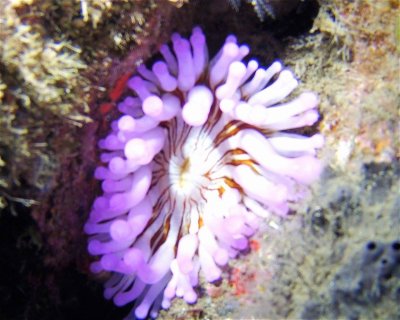
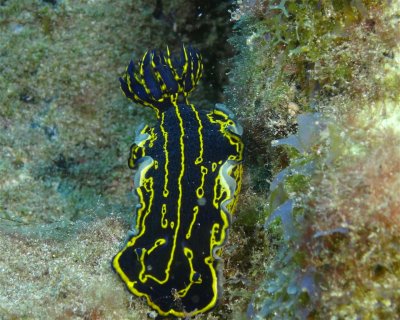
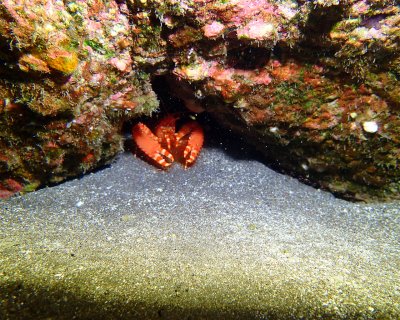
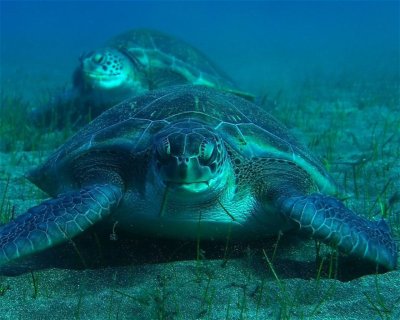
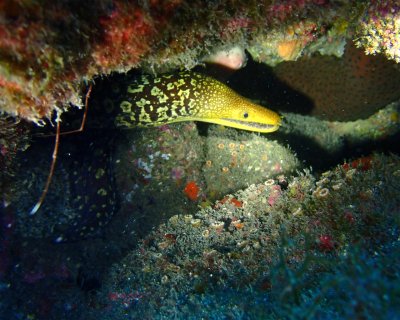
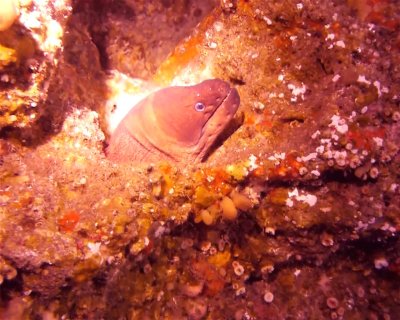
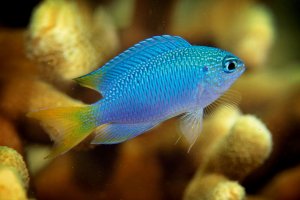
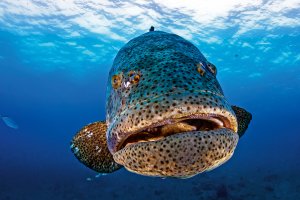
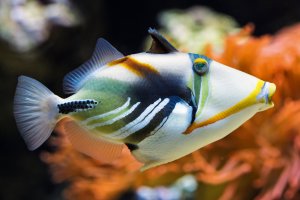
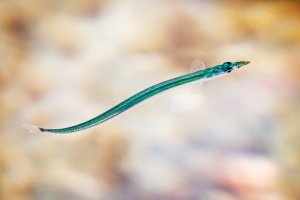
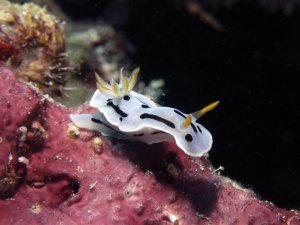
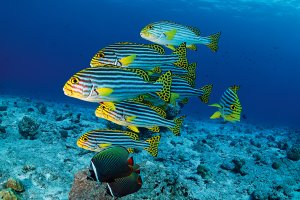
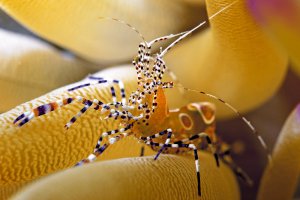
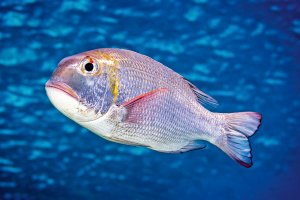
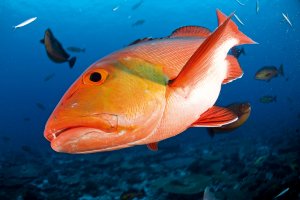
Green sea turtles are encountered in groups finding shelter in the protected bays while resting on the sand, angel sharks and several species of rays can be spotted. At the cracks found in rocky reefs, moray eel can be found ominously opening and closing their jaws and caves feature lobsters, cleaning shrimp, and the Canarian crayfish. The typical cold-water fish like barracuda, tuna, groupers and jacks are seen as well as Mediterranean warm-water fish such as parrotfish and trumpet fish. Nudibranches are spotted in the summer decorating the rocky reef.
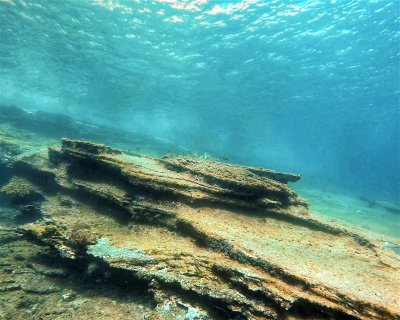
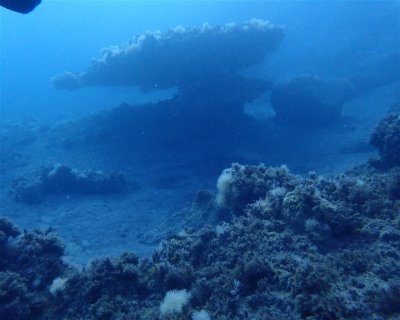
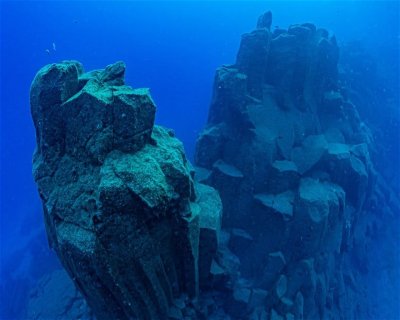
Reefs are formed by lava and not by corals, therefore, they are not as colourful as those found in rocky waters yet they have a beauty of their own. Hexagonal columns are formed from the erosion of volcanic basalt resulting in reefs that present themselves like submerged underwater cities with columns, stairs, and walls. Yet, soft coral such as gorgonian sea fans and at deeper depths, black coral and giant hard coral can be witnessed.
Wildlife Sightings are Based on User Generated Content
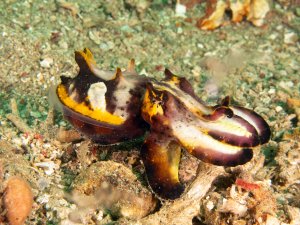
The image shown is a representative illustration and does not depict every individual animal in this category.
Total number of species approx.: 27
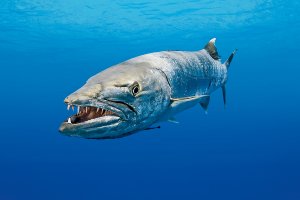
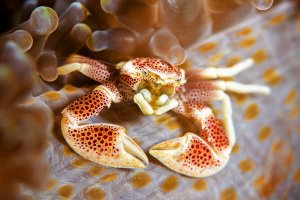
The image shown is a representative illustration and does not depict every individual animal in this category.
Total number of species approx.: 200
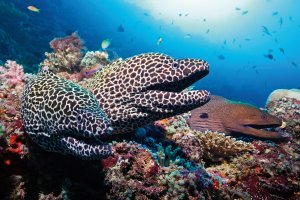
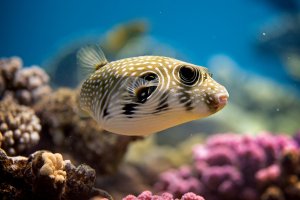
The image shown is a representative illustration and does not depict every individual animal in this category.
Total number of species approx.: 300
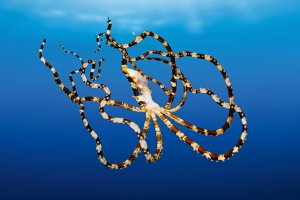
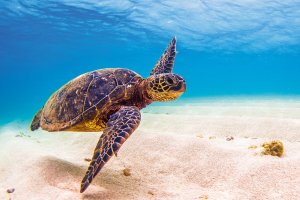
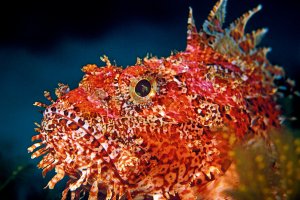
The image shown is a representative illustration and does not depict every individual animal in this category.
Total number of species approx.: 25
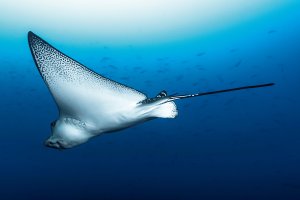
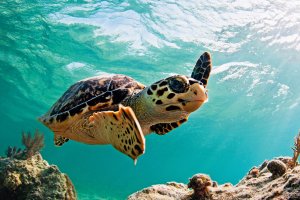
The image shown is a representative illustration and does not depict every individual animal in this category.
Total number of species approx.: 600
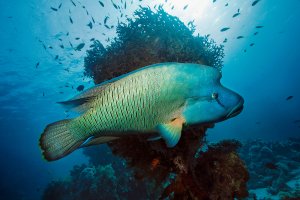
The image shown is a representative illustration and does not depict every individual animal in this category.
Total number of species approx.: 3
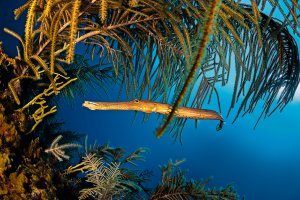
The image shown is a representative illustration and does not depict every individual animal in this category.
Total number of species approx.: 80
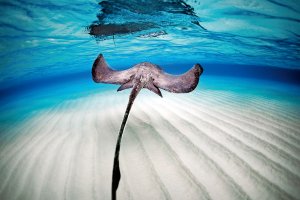
The image shown is a representative illustration and does not depict every individual animal in this category.
Total number of species approx.: 100
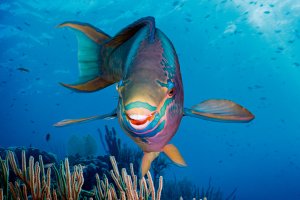
Curated by Interest
Mares
Aqualung
Shutterstock-Zi Magine
Mares-Predrag Vuckovic
Scubapro
Shutterstock-Ethan Daniels
Mares-Predrag Vuckovic
Mares-Bjoern Dorstewit

Start the journey of a lifetime with the SSI Open Water Diver course. This experience will change you forever!We offer Open Water diving courses in very small groups of up to 2 ...
Show Offer
This program, which gives you an internationally recognized certification, is ideal to start your adventures as a certified diver. The combination of personalized training and p...
Show Offer
The SSI Try Scuba program is the best way to dive for the first time. You will dive in confined water accompanied by an instructor, who will be by your side at all times so you ...
Show Offer
Spaces available to start on the 2nd of January 2027 to become a professional SSI Divemaster through our multi award winning internship program.You will be treated with respect ...
Show OfferWith the SSI Try Scuba course you can experience your first unforgettable breaths underwater. With an instructor at your side, you can dive in confined water without any worries...
Show Offer
If you're having trouble deciding which specialty programs are the best choice for you, join SSI's Advanced Open Water Diver program! This program allows you to try a variety of...
Show OfferThe SSI Night & Limited Visibility Specialty program teaches you the knowledge and practical skills needed to dive safely and confidently in low-light and limited visibility...
Show Offer
Start the journey of a lifetime with the SSI Open Water Diver course. This experience will change you forever!We offer Open Water diving courses in very small groups of up to 2 ...
Show Offer
If you want to make the most of your bottom time and enjoy your dives more, try diving with a scooter or a dive propulsion vehicle (DPV). In this program you will learn the conc...
Show Offer
As a deep diver, you have the unique opportunity to explore some of the world's best dive sites and most popular marine life. There is so much waiting for you in the deep blue s...
Show OfferNight dives require very different skills than daylight dives. The SSI Night Diving & Limited Visibility Specialty course is the best way to learn all about night diving and...
Show Offer
Spaces available to start on the 2nd of January 2027 to become a professional SSI Divemaster through our multi award winning internship program.You will be treated with respect ...
Show Offer
We offer two fun dives for qualified divers Monday to Saturday only.Price includes all equipment hire, transportation, free pick-up service from the south of Tenerife We me...
Show Offer
If you're having trouble deciding which specialty programs are the best choice for you, join SSI's Advanced Open Water Diver program! This program allows you to try a variety of...
Show Offer
Start the journey of a lifetime with the SSI Open Water Diver course. This experience will change you forever!We offer Open Water diving courses in very small groups of up to 2 ...
Show Offer
If you want to make the most of your bottom time and enjoy your dives more, try diving with a scooter or a dive propulsion vehicle (DPV). In this program you will learn the conc...
Show Offer
This program, which gives you an internationally recognized certification, is ideal to start your adventures as a certified diver. The combination of personalized training and p...
Show Offer
The SSI Try Scuba program is the best way to dive for the first time. You will dive in confined water accompanied by an instructor, who will be by your side at all times so you ...
Show Offer
We offer two fun dives for qualified divers Monday to Saturday only.Price includes all equipment hire, transportation, free pick-up service from the south of Tenerife We me...
Show Offer
If you're having trouble deciding which specialty programs are the best choice for you, join SSI's Advanced Open Water Diver program! This program allows you to try a variety of...
Show Offer
This program, which gives you an internationally recognized certification, is ideal to start your adventures as a certified diver. The combination of personalized training and p...
Show Offer
The SSI Try Scuba program is the best way to dive for the first time. You will dive in confined water accompanied by an instructor, who will be by your side at all times so you ...
Show Offer
As a deep diver, you have the unique opportunity to explore some of the world's best dive sites and most popular marine life. There is so much waiting for you in the deep blue s...
Show OfferNight dives require very different skills than daylight dives. The SSI Night Diving & Limited Visibility Specialty course is the best way to learn all about night diving and...
Show Offer
We offer two fun dives for qualified divers Monday to Saturday only.Price includes all equipment hire, transportation, free pick-up service from the south of Tenerife We me...
Show Offer
If you're having trouble deciding which specialty programs are the best choice for you, join SSI's Advanced Open Water Diver program! This program allows you to try a variety of...
Show Offer
This program, which gives you an internationally recognized certification, is ideal to start your adventures as a certified diver. The combination of personalized training and p...
Show Offer
The SSI Try Scuba program is the best way to dive for the first time. You will dive in confined water accompanied by an instructor, who will be by your side at all times so you ...
Show Offer
As a deep diver, you have the unique opportunity to explore some of the world's best dive sites and most popular marine life. There is so much waiting for you in the deep blue s...
Show OfferNight dives require very different skills than daylight dives. The SSI Night Diving & Limited Visibility Specialty course is the best way to learn all about night diving and...
Show Offer
We offer two fun dives for qualified divers Monday to Saturday only.Price includes all equipment hire, transportation, free pick-up service from the south of Tenerife We me...
Show Offer
If you're having trouble deciding which specialty programs are the best choice for you, join SSI's Advanced Open Water Diver program! This program allows you to try a variety of...
Show Offer
If you want to make the most of your bottom time and enjoy your dives more, try diving with a scooter or a dive propulsion vehicle (DPV). In this program you will learn the conc...
Show Offer
This program, which gives you an internationally recognized certification, is ideal to start your adventures as a certified diver. The combination of personalized training and p...
Show Offer
The SSI Try Scuba program is the best way to dive for the first time. You will dive in confined water accompanied by an instructor, who will be by your side at all times so you ...
Show Offer
As a deep diver, you have the unique opportunity to explore some of the world's best dive sites and most popular marine life. There is so much waiting for you in the deep blue s...
Show OfferNight dives require very different skills than daylight dives. The SSI Night Diving & Limited Visibility Specialty course is the best way to learn all about night diving and...
Show Offer
We offer two fun dives for qualified divers Monday to Saturday only.Price includes all equipment hire, transportation, free pick-up service from the south of Tenerife We me...
Show Offer