Explore Porquerolles Cannes

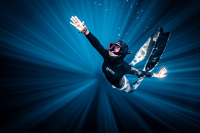
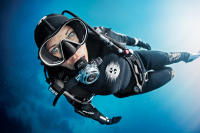
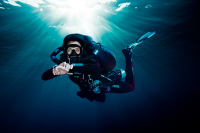
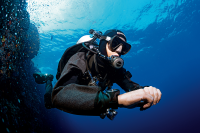
Diving around Cannes offers a varied Mediterranean experience: sheltered reefs and kelp-draped walls, shallow reefs around the protected Îles de Lérins, and numerous wrecks—including World War II-era ships—that attract explorers. Typical dives are short boat runs or easy shore entries from rocky points and pebbled beaches; liveaboards are less common but available for multi-day itineraries along the coast. Summer brings warmer water, better visibility and occasional dolphin encounters, while spring and autumn highlight cooler, clearer conditions and peak benthic activity.

The marine life is colourful and often surprising: sponges, red coral colonies, nudibranchs, sea hares, octopus, cuttlefish, lobsters, torpedo rays, stingrays and a variety of reef and pelagic fish. Night dives reveal shy critters and hunting rays; wrecks host encrusting life and small schools of fish. Expect short, rewarding dives with rich photo opportunities and a clear sense of local maritime history—perfect for divers who enjoy varied sites and easy access from shore or boat.
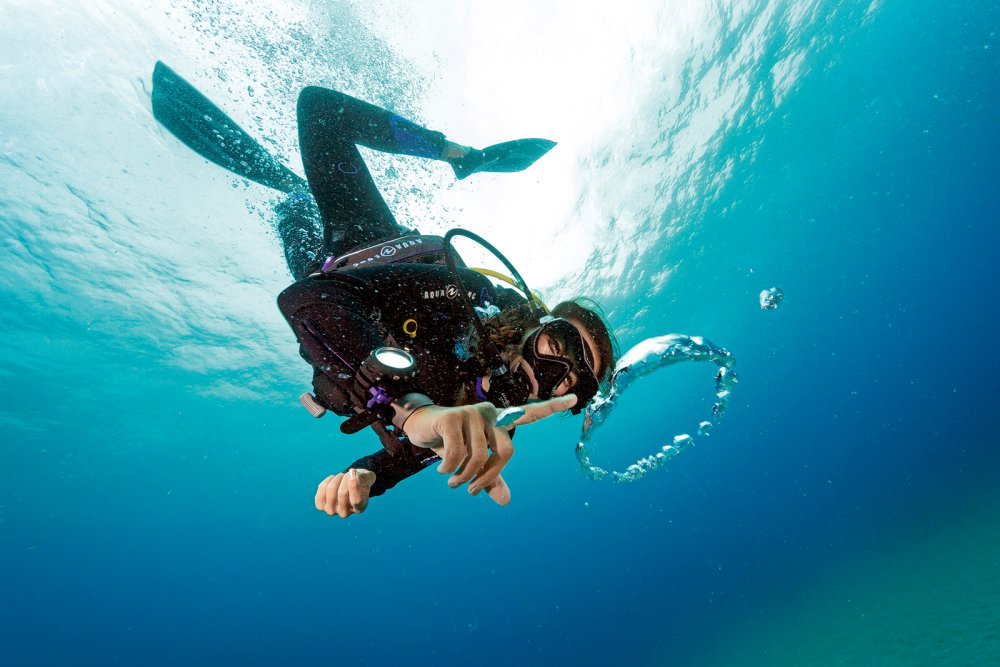
Dive Activity

Diving in Cannes

Cannes offers a mix of clear Mediterranean walls, posidonia meadows and several accessible wrecks and artificial reefs that attract curious divers. Popular shore dives around the Baie de Cannes and nearby coves give easy entry to colorful sponges, nudibranchs, morays and occasional large groupers, while boat trips reach deeper wrecks and pinnacles. Night dives reveal hunting octopus and sleeping conger eels; seasonal behaviors like mating displays and fish aggregations can delight underwater observers. Divers can choose frequent shore or day-boat options, with occasional liveaboard-style excursions for those seeking multi-day exploration.

Top Wildlife Sightings in Cannes

Cannes dives typically feature Mediterranean reef life: groupers (especially dusky grouper), various wrasses, sea breams, scorpionfish, moray eels, octopus and a rich array of nudibranchs. Shallow rocky reefs and posidonia meadows attract schooling fish and juvenile species; larger adults are more common on deeper rocky outcrops.

Seasonal highlights: loggerhead turtles are occasionally seen in summer near seagrass, and rays or small stingrays may be encountered on sandy bottoms. Small coastal sharks (e.g., smooth-hound species) are rare but possible offshore; sightings increase with warmer months and when diving deeper or farther from shore.

Wildlife Sightings are Based on User Generated Content

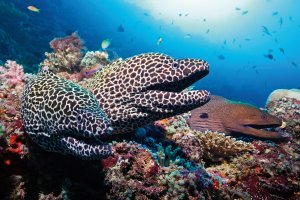
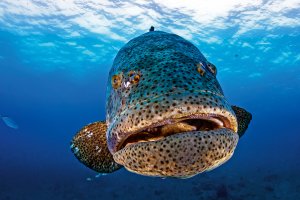
The image shown is a representative illustration and does not depict every individual animal in this category.

Total number of species: 200

Moray Eel

239 Sightings
J
0
F
0
M
0
A
2
M
9
J
38
J
41
A
99
S
31
O
14
N
3
D
2

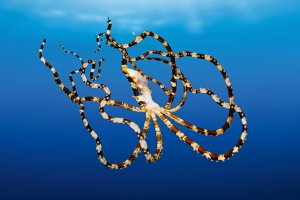
The image shown is a representative illustration and does not depict every individual animal in this category.

Total number of species: 300

Octopus

114 Sightings
J
0
F
0
M
0
A
3
M
4
J
19
J
20
A
48
S
12
O
6
N
2
D
0

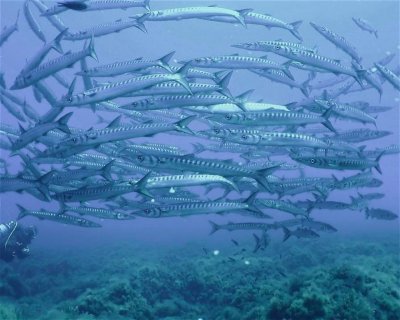
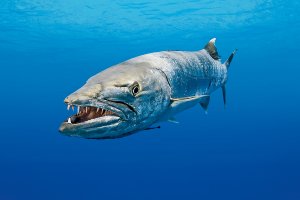
The image shown is a representative illustration and does not depict every individual animal in this category.

Total number of species: 27

Barracuda

17 Sightings
J
0
F
0
M
0
A
0
M
1
J
3
J
4
A
0
S
2
O
5
N
1
D
1

The image shown is a representative illustration and does not depict every individual animal in this category.

Total number of species: 250

Grouper/Basslets

227 Sightings
J
0
F
0
M
0
A
0
M
3
J
35
J
48
A
98
S
26
O
11
N
4
D
2

The image shown is a representative illustration and does not depict every individual animal in this category.

Total number of species: 250

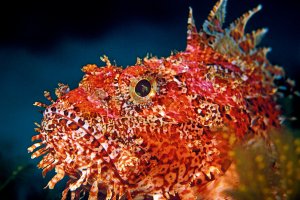
Scorpionfish

30 Sightings
J
0
F
1
M
1
A
3
M
2
J
6
J
2
A
10
S
0
O
2
N
2
D
1

The image shown is a representative illustration and does not depict every individual animal in this category.

Total number of species: 55

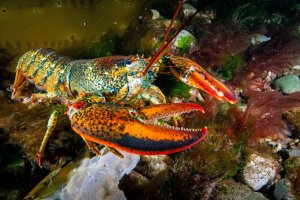
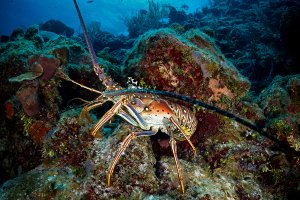
Lobster

20 Sightings
J
0
F
2
M
1
A
2
M
0
J
9
J
1
A
0
S
0
O
2
N
3
D
0

The best Months to dive in Cannes

Cannes offers year‑round diving though conditions vary by season. Winter water temperatures are about 13°C-14°C/55°F–57°F, spring 15°C-18°C/59°F–64°F, summer 22°C-25°C/72°F–77°F and autumn 17°C-20°C/63°F–68°F. Typical visibility ranges from 10–30 meters, often best in summer and late spring when seas are calmer.

Weather and local winds (notably the Mistral and thermal breezes) and occasional storms affect surface conditions and currents. Diving is possible year‑round; winter brings colder water, shorter days and occasionally reduced visibility, so plan accordingly.

Dive Sites