 © Aqualung
Explore Long Island
Long island truly has it all, from healthy, calm shallow reefs teeming with tropical life, plunging walls and eerie wrecks to unbelievable deep blue holes that make for excellent tech diving. The fascinating underwater creatures that thrive are prolific in numbers, varying from colorful hard and soft corals, tropical reef fish, eels, stingrays and octopus, to sea turtles and numerous shark species.
Dive centers and dive resorts catering to all budgets are open for business year-round, thanks to welcoming tropical climate that maintains warm waters throughout the seasons, averaging between 27–31°C/81–88°F. What’s more, with such varied dive sites easily accessible, along with crystal clear visibility, Long Island serves as a great place to take dive courses, from entry-level all the way up to tech training.
While there are plenty of highlights here, one of the main attractions is the magnificent wall diving at Conception Island, which is an uninhabited national park 24 kilometers/15 miles northeast of Long Island. Rum Cay has equally fantastic walls covered in an array of corals, sponges and marine creatures.
As a bonus, Long Island boasts exciting shark diving, in addition to historically important shipwrecks. Dean’s Blue Hole, located west of Clarence Town, also exists here. Dropping to around 200 meters/656 feet, it’s the deepest blue hole in the world, and is around double the depth of others elsewhere.
The majority of diving around Long Island is by small speedboat, however there are some shore diving possibilities. On average, dive sites are only five or ten minutes by boat from the shore, but trips to Conception Island and Rum Cay take longer.
For timing, the best season for scuba diving is November through May, which is the dry season that delivers favourable weather and ocean conditions. June to October is the rainy/hurricane season, though sunny days occur and little changes underwater.
Top Long Island Dive Sites
The Comberbach
Decorated with vibrant corals, The Comberbach wreck is teeming with life, attracting diverse marine species. An advanced dive site, it is ideal for scuba diving enthusiasts. The intact wheelhouse and nearby sailboat allow for exploration of two wrecks in one dive.
HMS Conqueror
Though mostly disintegrated, this historic British naval vessel offers a glimpse of propeller shafts and cannons. Suitable for advanced scuba divers, it provides a unique wreck-diving experience amidst scattered artifacts.
Shark Reef
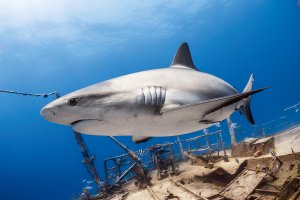
Home to thriving corals and critters, Shark Reef offers intense marine life encounters. An advanced scuba diving site, it features baiting that attracts up to two dozen Caribbean reef sharks for close encounters, making it a thrilling dive spot.
Barracuda Heads
Perfect for beginners and photographers, this shallow reef dive promises a colorful and relaxing experience. Suitable for both scuba and freediving, Barracuda Heads offers a serene environment surrounded by vibrant marine life.
Dean’s Blue Hole
As the deepest blue hole on Earth, Dean’s Blue Hole offers an exhilarating shore dive with a spooky yet enticing circular shaft. Ideal for both scuba and freediving, barracuda and tarpons shimmer in the depths, attracting divers globally.
The best Months to dive in Long Island
Long Island offers diverse year-round diving conditions, making it an attractive destination for divers. Water temperatures fluctuate between 10°C/50°F in winter and 24°C/75°F in summer, requiring appropriate thermal protection. Visibility varies, with clearer waters in late spring and summer, usually ranging from 4 to 9 meters/15 to 30 feet, depending on weather conditions.
While diving is possible all year, winter months can present challenges due to colder temperatures and stronger currents. Additionally, the presence of wind, particularly during fall and winter, can affect surface conditions, potentially leading to less favorable diving periods. Planning trips during late spring and summer generally provides the most pleasant and stable diving experiences.
Top Wildlife Sightings in Long Island
Long Island, part of the Bahamas, boasts vibrant marine life with diverse species inhabiting its waters. Common reef fish include angelfish, butterflyfish, and parrotfish, each adding color and vibrancy to the coral reefs. Divers can expect to encounter these species frequently, as they are residents of the area's aquatic environment year-round.
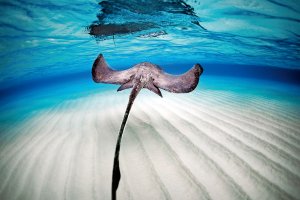
Seasonal highlights include the presence of sharks, such as reef and nurse sharks, which are more commonly spotted during the warmer months. Sea turtles, particularly the green and hawksbill turtles, are also sighted occasionally, especially in protected areas. Rays, including southern stingrays, are often seen gliding gracefully along the sandy bottoms from late spring to early fall, offering divers a mesmerizing experience. Location and time of year significantly affect the likelihood of these encounters, with certain dive spots being more popular for specific species.
Wildlife Sightings are Based on User Generated Content
The image shown is a representative illustration and does not depict every individual animal in this category.
Total number of species approx.: 27
iStock-Global_Pics
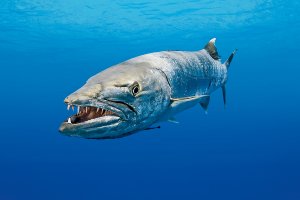
13 Sightings
J
0
F
0
M
2
A
5
M
3
J
2
J
0
A
0
S
0
O
0
N
1
D
0
The image shown is a representative illustration and does not depict every individual animal in this category.
Total number of species approx.: 600
iStock/ultramarinfoto
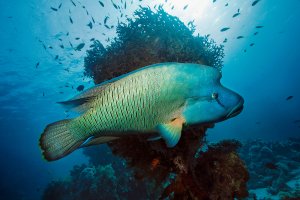
Wrasse
12 Sightings
J
1
F
0
M
0
A
5
M
6
J
0
J
0
A
0
S
0
O
0
N
0
D
0
The image shown is a representative illustration and does not depict every individual animal in this category.
Total number of species approx.: 100
iStock-burnsboxco
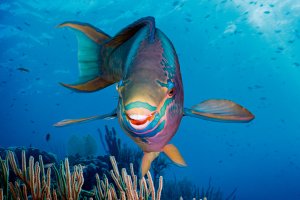
Parrotfish
19 Sightings
J
1
F
0
M
2
A
3
M
10
J
2
J
0
A
0
S
0
O
0
N
1
D
0
The image shown is a representative illustration and does not depict every individual animal in this category.
Total number of species approx.: 250
Shutterstock-Henry_and_Laura_Whittaker
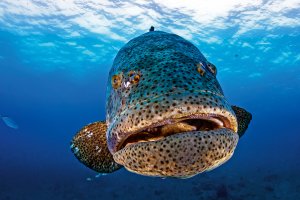
Grouper/Basslets
18 Sightings
J
0
F
0
M
1
A
4
M
6
J
3
J
0
A
0
S
0
O
0
N
4
D
0
The image shown is a representative illustration and does not depict every individual animal in this category.
Total number of species approx.: 90
Shutterstock-Levent Konuk
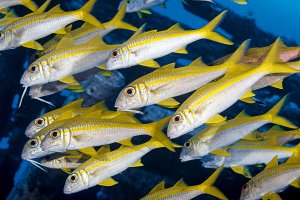
Goatfish
17 Sightings
J
1
F
0
M
1
A
4
M
9
J
2
J
0
A
0
S
0
O
0
N
0
D
0
The image shown is a representative illustration and does not depict every individual animal in this category.
Total number of species approx.: 90
Shutterstock-Rich Carey
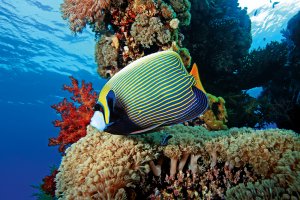
Angelfish
14 Sightings
J
1
F
0
M
0
A
2
M
7
J
3
J
0
A
0
S
0
O
0
N
1
D
0
The image shown is a representative illustration and does not depict every individual animal in this category.
Total number of species approx.: 110
iStock-Rainer von Brandis
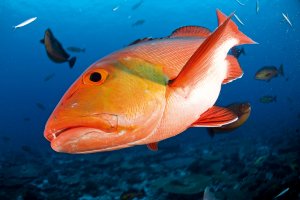
Snapper
14 Sightings
J
0
F
0
M
0
A
4
M
9
J
0
J
0
A
0
S
0
O
0
N
1
D
0
The image shown is a representative illustration and does not depict every individual animal in this category.
Total number of species approx.: 130
Shutterstock_Krzysztof Odziomek
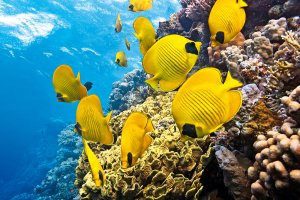
Butterfly Fish
13 Sightings
J
1
F
0
M
1
A
0
M
9
J
1
J
0
A
0
S
0
O
0
N
1
D
0
The image shown is a representative illustration and does not depict every individual animal in this category.
Total number of species approx.: 40
iStock-Hoatzinexp
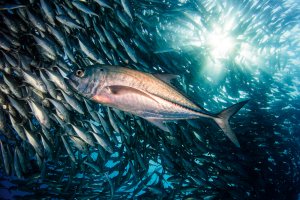
Jackfish
13 Sightings
J
0
F
0
M
0
A
5
M
8
J
0
J
0
A
0
S
0
O
0
N
0
D
0
The image shown is a representative illustration and does not depict every individual animal in this category.
Total number of species approx.: 150
Shutterstock-aquapix
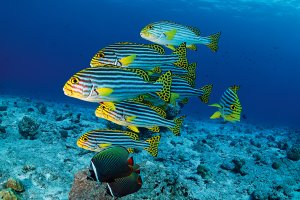
Sweetlips and Grunts
13 Sightings
J
1
F
0
M
0
A
3
M
7
J
1
J
0
A
0
S
0
O
0
N
1
D
0