Explore the Côte Vermeille
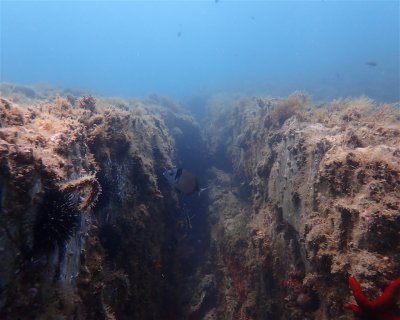
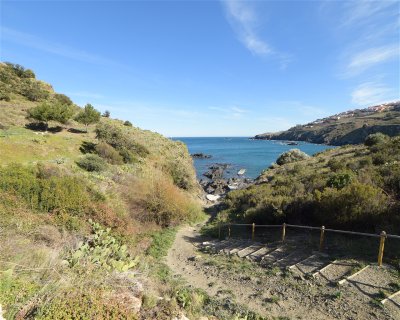
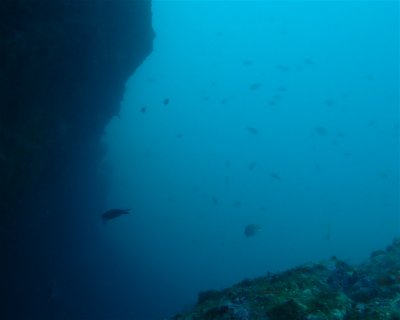
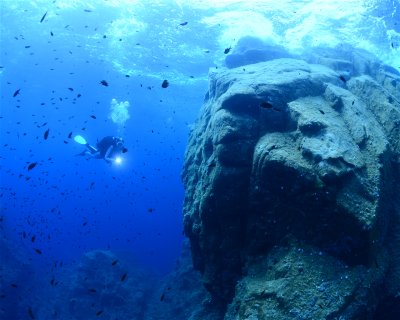
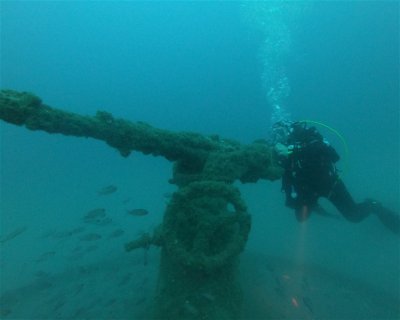
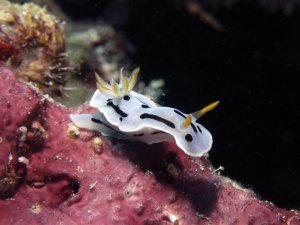
Diving in Côte Vermeille combines Mediterranean clarity with dramatic scenery where the Pyrenees meet the sea. Rocky reefs, steep walls and small caves dominate the underwater landscape, while boat and shore dives are both common and easily accessible from towns like Banyuls and Cerbère. Several interesting wrecks add variety for more advanced divers. The Cerbère-Banyuls Marine Reserve is one of France’s oldest protected areas, and fish life is notably abundant. Divers regularly encounter groupers, barracudas, moray eels and colorful nudibranchs, with good visibility often enhanced by regional winds. The mix of protected ecosystems and rugged coastal topography gives the area a distinctive, characterful feel.
Dive Activity
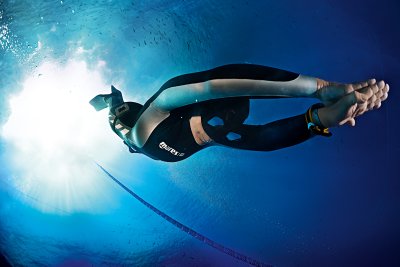
Diving in the Côte Vermeille
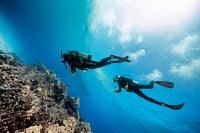
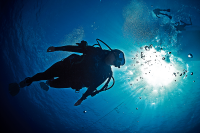
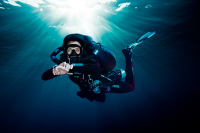
Côte Vermeille’s top sites cluster around the Cerbère-Banyuls Marine Reserve, where accessible shore dives reveal rocky reefs, small caves and dense fish life. House reefs near Banyuls and Cerbère are popular for relaxed exploration and night dives, when octopus and moray eels become more active.
Several local wrecks and deeper rocky drop-offs are reached by boat, adding variety for advanced divers. While liveaboards are uncommon, the easy balance of shore and day-boat diving makes the region flexible and rewarding.
Top Wildlife Sightings in the Côte Vermeille
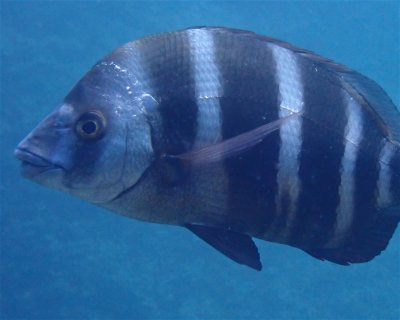
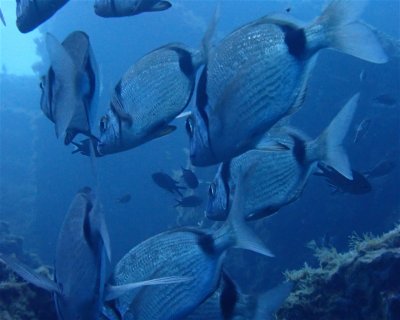
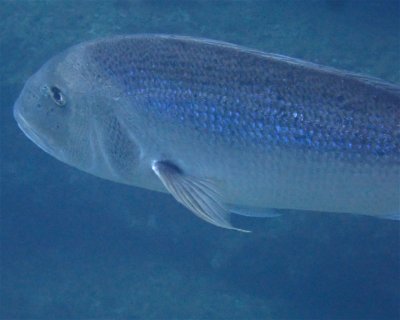
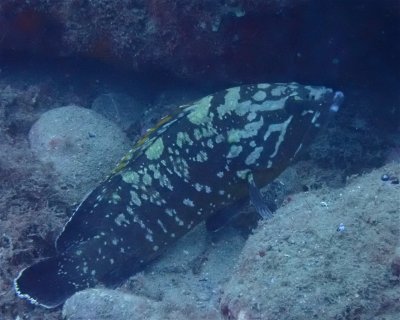
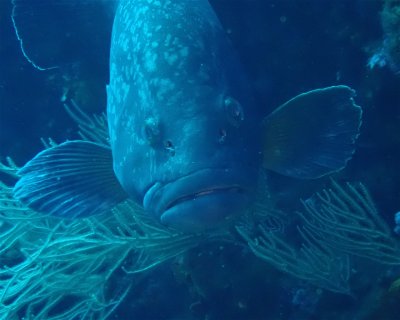
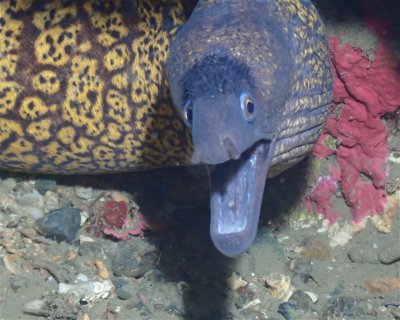
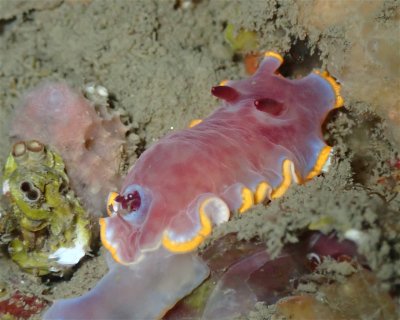
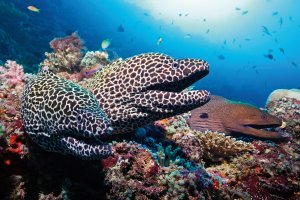
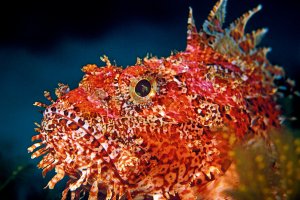
Côte Vermeille hosts classic Mediterranean marine life, especially within the Cerbère-Banyuls Marine Reserve. Divers commonly encounter groupers, sea bream, wrasse, barracudas, moray eels and octopus along rocky reefs and walls, with nudibranchs and scorpionfish adding detail for keen observers.
Seasonally, eagle rays may pass in open water, particularly in warmer months. Shark sightings are rare but possible offshore, while sea turtles are occasional visitors rather than regular encounters. Fish life is generally more abundant inside protected areas.
Wildlife Sightings are Based on User Generated Content
The image shown is a representative illustration and does not depict every individual animal in this category.
Total number of species: 200
The image shown is a representative illustration and does not depict every individual animal in this category.
Total number of species: 300
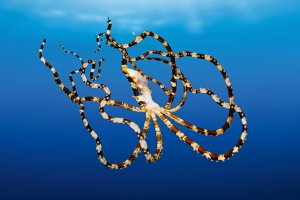
Octopus
The image shown is a representative illustration and does not depict every individual animal in this category.
Total number of species: 600
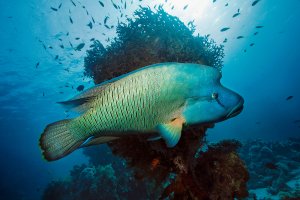
Wrasse
The image shown is a representative illustration and does not depict every individual animal in this category.
Total number of species: 27
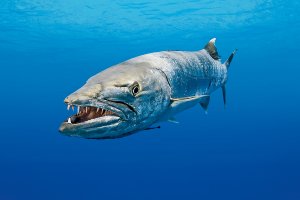
Barracuda
The image shown is a representative illustration and does not depict every individual animal in this category.
Total number of species: 250
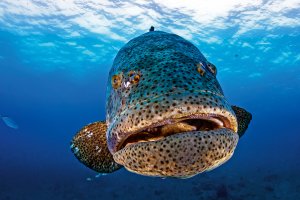
Grouper/Basslets
The image shown is a representative illustration and does not depict every individual animal in this category.
Total number of species: 3000
Nudibranch
The image shown is a representative illustration and does not depict every individual animal in this category.
Total number of species: 55
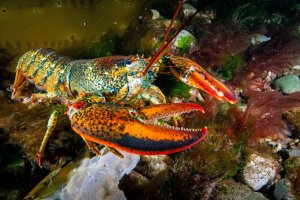
Lobster
The image shown is a representative illustration and does not depict every individual animal in this category.
Total number of species: 350
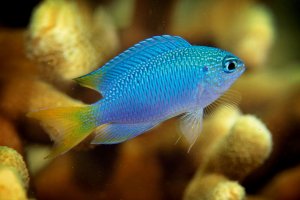
Damselfish
The image shown is a representative illustration and does not depict every individual animal in this category.
Total number of species: 250
Scorpionfish
The image shown is a representative illustration and does not depict every individual animal in this category.
Total number of species: 190
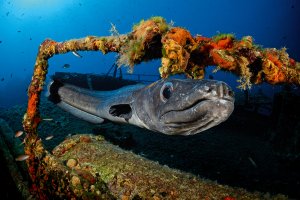
Conger Eel
The image shown is a representative illustration and does not depict every individual animal in this category.
Total number of species: 80
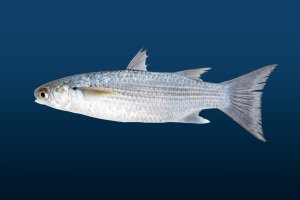
Mullet
The best months to dive in the Côte Vermeille
Diving in Côte Vermeille is possible year-round, though conditions vary with the seasons. Water temperatures range from around 12–14°C in winter to 20–23°C in late summer. A thicker wetsuit or drysuit is recommended outside the warmest months.
Visibility often lies between 10 and 25 meters, sometimes improving after strong regional winds clear the water. The tramontane wind can temporarily limit boat access, especially in winter, while currents are generally mild and site-specific.