Vela Luka
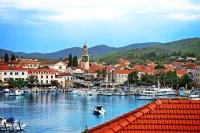
Vela Luka is a town located on the island of Korčula off of the Dalmatian Coast of Croatia, in the
 © Alamy-Water-Frame
Korčula is one of the islands which lie off of the Dalmatian Coast of Croatia, in the North Adriatic Sea. This island is known for its history and culture above land, and history and different types of topography underwater. There are currently five dive centres on the island which can take divers to the 35 dive sites which lie around this island. If divers would rather explore this region by liveaboard, then there are also multiple liveaboard options. The calm, clear and marine life-rich waters of the Adriatic Sea make for some memorable diving experiences. Whether divers are hoping to take dive courses, dive into history and check out some wrecks or see what lives inside the underwater caves, these are all options in this diving region. Divers of all levels will have something to be excited about here and the high visibility here makes every dive just that much more enthralling.
This site is a haven for wreck enthusiasts, housing 10 to 15 wrecks in a compact area. The marine life includes various fish species and corals. The dive is suitable for all levels due to its maximum depth of 30 meters. It exclusively offers scuba diving, making it a thrilling exploration for wreck lovers.
Located at the small island of Susac, Te Vega offers an adventurous underwater tunnel dive. The tunnel starts at 5 meters and leads to a serene sea lake surrounded by steep cliffs, offering a breathtaking view. The marine life includes small fish and seaweeds. Suitable for both scuba diving and freediving, this site is ideal for adventurous divers looking for a unique experience.
Known locally as Zaklopatica, this popular dive site features a wall dive leading to a spacious cave at 30 meters surrounded by distinctive pink stone walls. Divers can expect to see a variety of marine life such as groupers and moray eels. It is recommended for advanced scuba divers due to its depth and the enclosed cave environment.
Situated near Korčula, Vrnik Island is renowned for its vibrant marine life, including octopuses, seahorses, and colorful fish. The site is moderately easy, making it accessible for both beginners and experienced divers. Both scuba diving and freediving are possible, making it a versatile dive spot.
This site is known for its fascinating underwater topography, featuring ridges and small caves. The area hosts a rich variety of marine life, such as starfish and sponges. It's suitable for both scuba diving and freediving, providing a diverse diving experience for enthusiasts of different skill levels.
Croatia has a Mediterranean climate which means hot summer winters with a lot of rain. The air temperatures here range between a cold 8°C in the midst of winter, between December and February, and reaches up to 26°C in the summer months of July and August. The peak diving season lies between May and September when the waters are the most calm, the most clear and the warmest, with the least amount of rain and the least amount of currents. The water temperature here ranges between 12°C and 24°C and the visibility is on average good throughout the year and ranges between 10 metres and 35 metres on the best days.
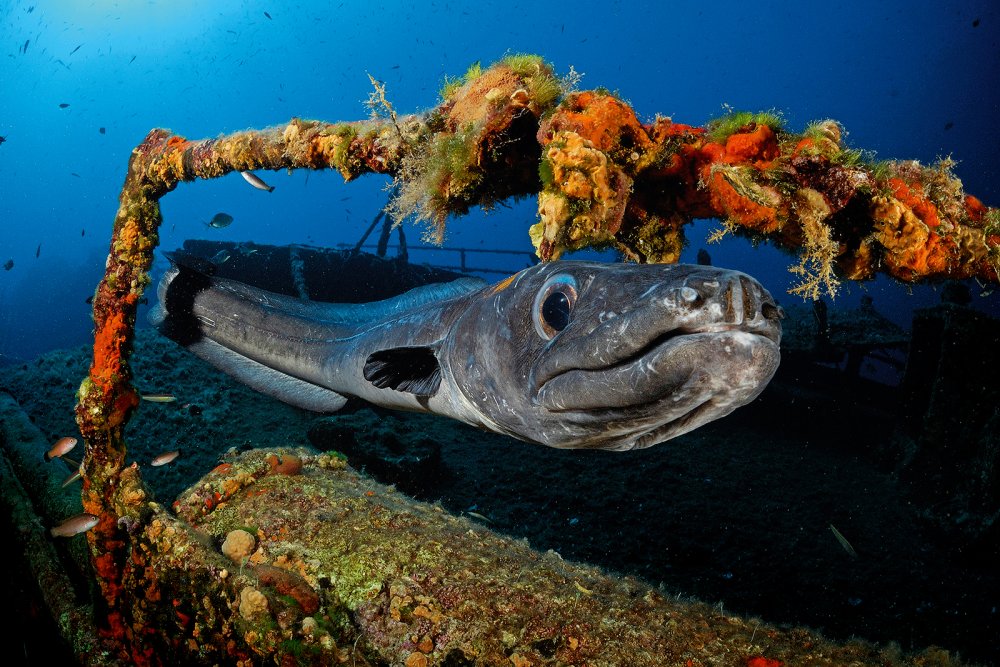
The Adriatic Sea is known for its clear waters which are filled with a plethora of marine species, ranging from flourishing coral reefs, to schools of fish, to a wide range of other critters which inhabit these waters. The reefs are made up of many species of Hard Corals, Soft Corals, Red Corals, Sea Fans, Sea Sponges, Anemones, Mediterranean Gorgonians, Red Gorgonians and many more! Among the many species which live in and among this marine flora are Conger Eels, Moray Eels, Lobsters, Crayfish, Crabs, Octopus, Sea Stars, Scorpionfish and colourful Nudibranchs. There are also many species of fish here which are spotted either in schools or in small groups including Gobies, Parrotfish, Damselfish, Groupers, Bream and many more. What a lot of the species have in common in these waters are their vibrant colours which is something which will definitely make up for the lack of large marine species.
Wildlife Sightings are Based on User Generated Content
The image shown is a representative illustration and does not depict every individual animal in this category.
Total number of species approx.: 200
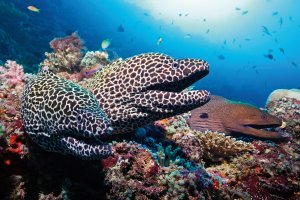
The image shown is a representative illustration and does not depict every individual animal in this category.
Total number of species approx.: 80
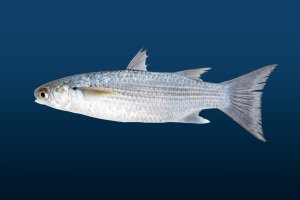
The image shown is a representative illustration and does not depict every individual animal in this category.
Total number of species approx.: 40