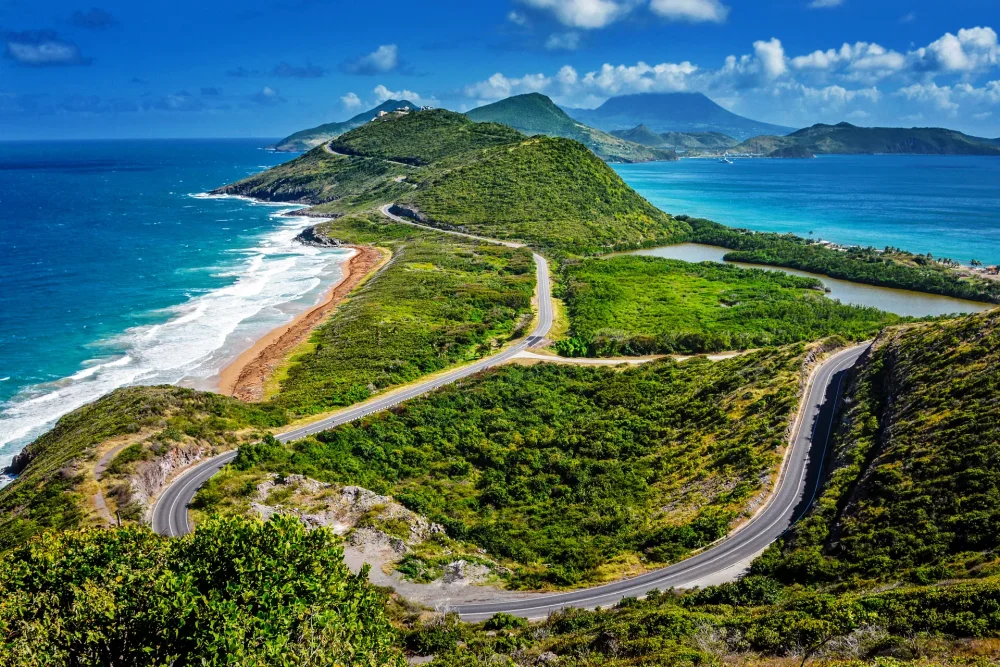
Explore Le Grand Cul-de-Sac Marin
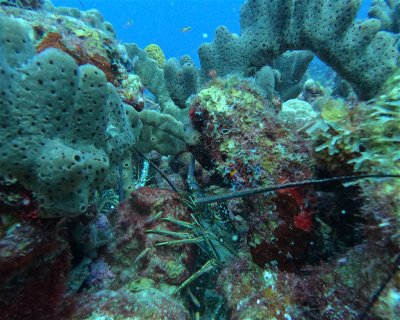
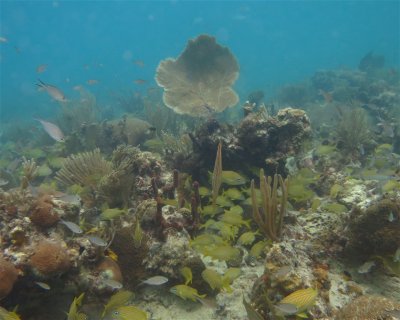
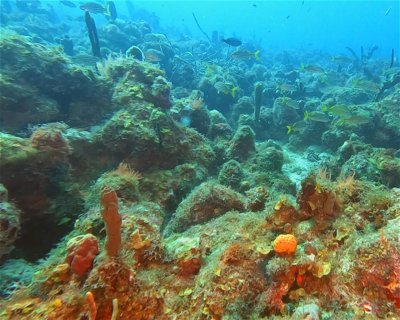
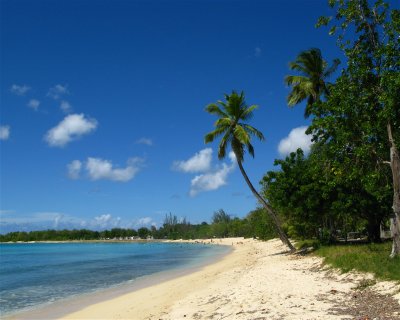
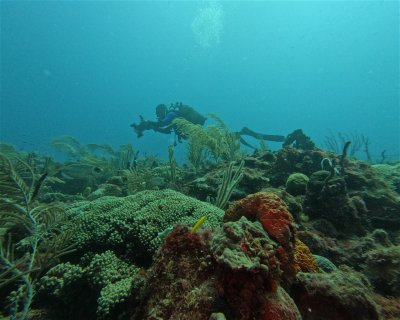
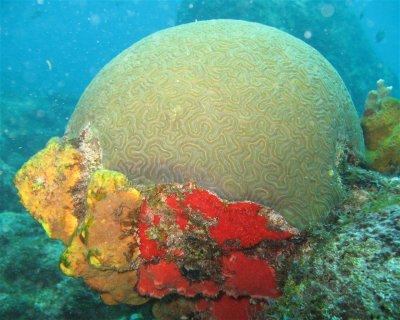
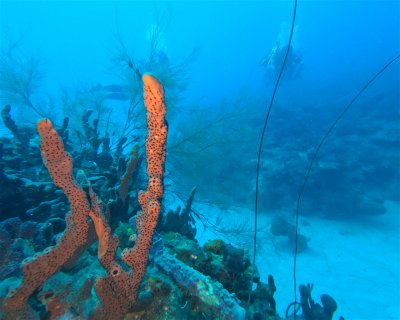
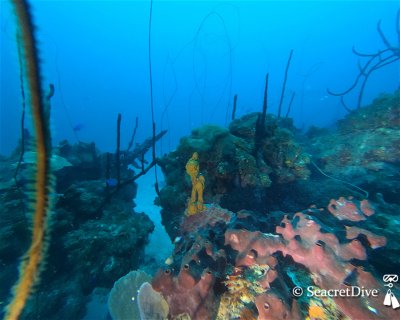
Diving in Le Grand Cul-de-Sac Marin offers a calm and diverse underwater experience within one of the Caribbean’s largest protected lagoons. Sheltered by a long barrier reef, the area features shallow coral gardens, seagrass beds, and mangrove channels that serve as nurseries for marine life. Encounters with colorful reef fish, rays, sea turtles, and occasional nurse sharks are common, making it especially appealing for relaxed dives and snorkeling.
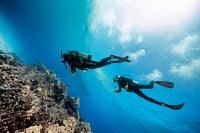
Most dives are done by boat, with easy conditions and good visibility year-round, though the dry season (December to May) typically offers the clearest waters. The nearby Cousteau Reserve adds variety with deeper reef formations and more advanced dive sites. What makes this region stand out is the combination of ecosystems—reef, mangrove, and lagoon—within a compact area, creating a rich biodiversity rarely found in a single destination.
Courses and Events

Dive Activity

Diving in Le Grand Cul-de-Sac Marin

Le Grand Cul-de-Sac Marin is known for gentle, biodiversity-rich dive sites rather than dramatic wrecks. Shallow coral gardens and mangrove channels around the lagoon offer relaxed boat dives, with highlights like turtle encounters and schooling reef fish. Nearby, the Cousteau Reserve adds more structured reefs and small drop-offs.

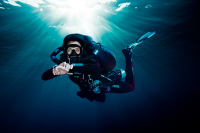
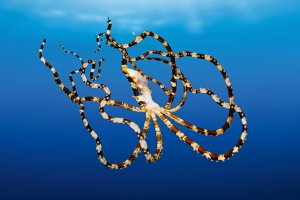
Shore diving is limited, so most access is by boat, while liveaboards are uncommon but possible in the wider Guadeloupe area. Night dives reveal octopus, crustaceans, and bioluminescence, offering a different perspective on this calm Caribbean ecosystem.

Top Wildlife Sightings in Le Grand Cul-de-Sac Marin

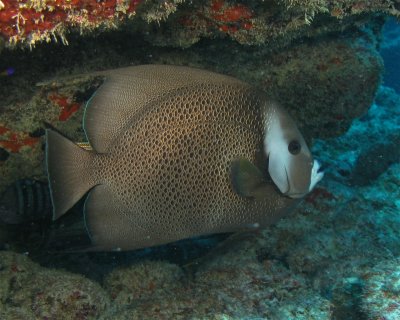
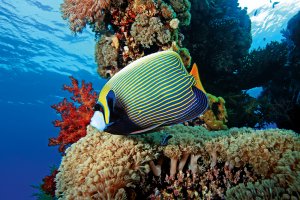
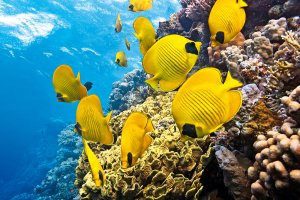
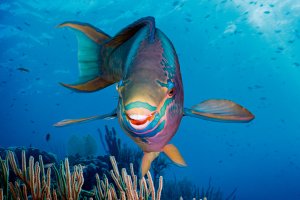
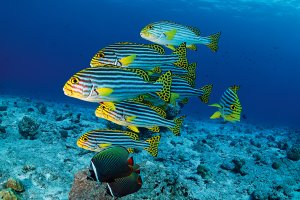
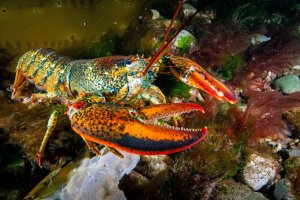
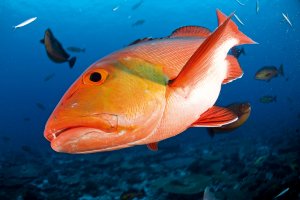
Le Grand Cul-de-Sac Marin is home to diverse Caribbean reef life, especially in its shallow lagoons and mangroves. Divers commonly encounter parrotfish, angelfish, butterflyfish, and schools of grunts, along with spiny lobsters and moray eels hidden among corals.

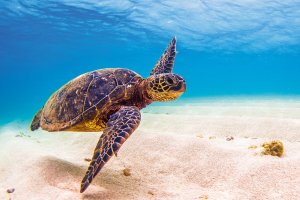
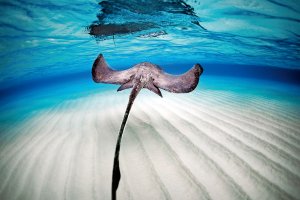
Green and hawksbill turtles are frequently seen year-round, particularly in seagrass areas, while rays—such as southern stingrays—are common on sandy bottoms. Nurse sharks appear occasionally, mainly on deeper or nearby reef sites. Seasonal changes are subtle, but warmer months can bring increased fish activity and juvenile species in the mangroves.

Wildlife Sightings are Based on User Generated Content

The image shown is a representative illustration and does not depict every individual animal in this category.

Total number of species approx.: 200

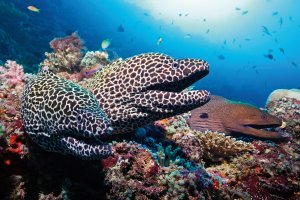
Moray Eel

Moray Eel

186 Sightings
J
12
F
9
M
10
A
7
M
6
J
9
J
24
A
29
S
27
O
15
N
12
D
26

The image shown is a representative illustration and does not depict every individual animal in this category.

Total number of species approx.: 27

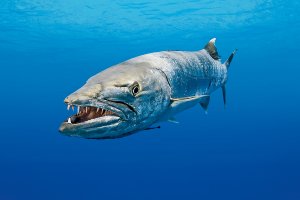
Barracuda

Barracuda

176 Sightings
J
6
F
2
M
14
A
4
M
11
J
6
J
19
A
36
S
29
O
14
N
15
D
20

The image shown is a representative illustration and does not depict every individual animal in this category.

Total number of species approx.: 600

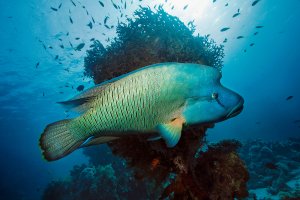
Wrasse

Wrasse

37 Sightings
J
0
F
6
M
3
A
0
M
1
J
2
J
9
A
2
S
1
O
6
N
4
D
3

The image shown is a representative illustration and does not depict every individual animal in this category.

Total number of species approx.: 12

Lionfish

Lionfish

284 Sightings
J
26
F
34
M
21
A
7
M
32
J
8
J
34
A
37
S
24
O
17
N
13
D
31

The image shown is a representative illustration and does not depict every individual animal in this category.

Total number of species approx.: 90

Angelfish

Angelfish

276 Sightings
J
5
F
9
M
16
A
9
M
12
J
9
J
44
A
56
S
39
O
25
N
23
D
29

The image shown is a representative illustration and does not depict every individual animal in this category.

Total number of species approx.: 130

Butterfly Fish

Butterfly Fish

196 Sightings
J
11
F
13
M
8
A
3
M
11
J
8
J
34
A
49
S
30
O
13
N
6
D
10

The image shown is a representative illustration and does not depict every individual animal in this category.

Total number of species approx.: 100

Parrotfish

Parrotfish

128 Sightings
J
5
F
3
M
5
A
3
M
14
J
4
J
26
A
36
S
11
O
2
N
4
D
15

The image shown is a representative illustration and does not depict every individual animal in this category.

Total number of species approx.: 150

Sweetlips and Grunts

Sweetlips and Grunts

113 Sightings
J
12
F
2
M
5
A
4
M
15
J
3
J
22
A
17
S
6
O
9
N
1
D
17

The image shown is a representative illustration and does not depict every individual animal in this category.

Total number of species approx.: 60

Soldierfish

Soldierfish

112 Sightings
J
11
F
9
M
5
A
6
M
9
J
4
J
19
A
15
S
9
O
2
N
3
D
20

The image shown is a representative illustration and does not depict every individual animal in this category.

Total number of species approx.: 7000

Crab

Crab

102 Sightings
J
4
F
6
M
5
A
7
M
6
J
2
J
14
A
16
S
14
O
11
N
3
D
14

The image shown is a representative illustration and does not depict every individual animal in this category.

Total number of species approx.: 3400

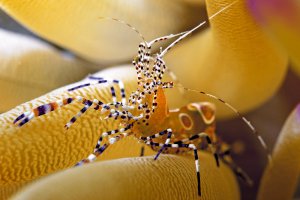
Shrimp

Shrimp

91 Sightings
J
1
F
2
M
2
A
3
M
12
J
9
J
20
A
24
S
9
O
6
N
0
D
3

The image shown is a representative illustration and does not depict every individual animal in this category.

Total number of species approx.: 350

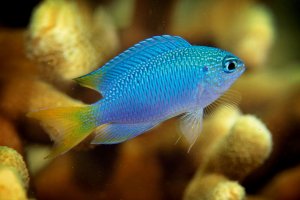
Damselfish

Damselfish

76 Sightings
J
2
F
7
M
6
A
0
M
8
J
2
J
20
A
22
S
3
O
1
N
2
D
3

The image shown is a representative illustration and does not depict every individual animal in this category.

Total number of species approx.: 3

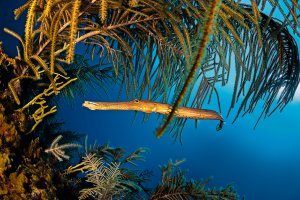
Trumpetfish

Trumpetfish

72 Sightings
J
6
F
3
M
3
A
4
M
8
J
4
J
3
A
5
S
3
O
8
N
4
D
21

The image shown is a representative illustration and does not depict every individual animal in this category.

Total number of species approx.: 85

Surgeonfish

Surgeonfish

67 Sightings
J
3
F
0
M
2
A
0
M
11
J
3
J
14
A
12
S
8
O
4
N
1
D
9

The image shown is a representative illustration and does not depict every individual animal in this category.

Total number of species approx.: 250

Grouper/Basslets

Grouper/Basslets

52 Sightings
J
0
F
0
M
9
A
4
M
7
J
2
J
6
A
8
S
13
O
2
N
0
D
1

The image shown is a representative illustration and does not depict every individual animal in this category.

Total number of species approx.: 55

Lobster

Lobster

33 Sightings
J
1
F
1
M
1
A
1
M
3
J
5
J
2
A
4
S
4
O
0
N
9
D
2

The image shown is a representative illustration and does not depict every individual animal in this category.

Total number of species approx.: 20

Porcupinefish

Porcupinefish

26 Sightings
J
0
F
1
M
0
A
2
M
3
J
1
J
2
A
1
S
14
O
1
N
0
D
1

The image shown is a representative illustration and does not depict every individual animal in this category.

Total number of species approx.: 60

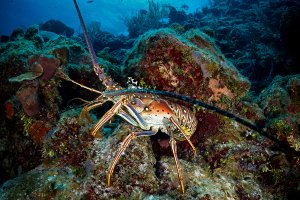
Spiny Lobster

Spiny Lobster

22 Sightings
J
0
F
0
M
0
A
1
M
1
J
2
J
1
A
2
S
5
O
4
N
2
D
4

The image shown is a representative illustration and does not depict every individual animal in this category.

Total number of species approx.: 80

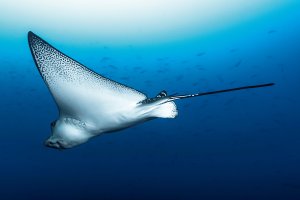
Stingrays

Stingrays

22 Sightings
J
2
F
0
M
0
A
4
M
2
J
0
J
5
A
0
S
4
O
0
N
0
D
5

The image shown is a representative illustration and does not depict every individual animal in this category.

Total number of species approx.: 110

Snapper

Snapper

20 Sightings
J
0
F
5
M
0
A
1
M
2
J
2
J
0
A
0
S
6
O
1
N
1
D
2

The image shown is a representative illustration and does not depict every individual animal in this category.

Total number of species approx.: 25

Boxfish

Boxfish

20 Sightings
J
0
F
1
M
0
A
3
M
3
J
2
J
2
A
3
S
4
O
0
N
2
D
0

The image shown is a representative illustration and does not depict every individual animal in this category.

Total number of species approx.: 40

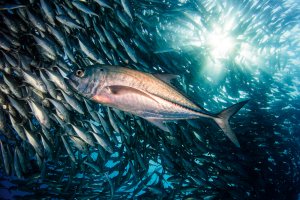
Jackfish

Jackfish

18 Sightings
J
0
F
0
M
0
A
0
M
1
J
1
J
3
A
1
S
7
O
0
N
3
D
2

The image shown is a representative illustration and does not depict every individual animal in this category.

Total number of species approx.: 130

Pufferfish

Pufferfish

16 Sightings
J
2
F
0
M
1
A
0
M
6
J
1
J
1
A
3
S
2
O
0
N
0
D
0

The Best Months to Dive in Le Grand Cul-de-Sac Marin

Diving in Le Grand Cul-de-Sac Marin is possible year-round, with generally calm conditions thanks to the protective barrier reef. Water temperatures range from about 26°C in winter to 29°C in summer, making it comfortable for most divers without heavy exposure protection.

Visibility typically varies between 10 and 25 meters, depending on weather and location within the lagoon. The dry season (December to May) offers the best conditions, while the wetter months (June to November) can bring reduced visibility, stronger winds, and occasional storms, though diving is still often possible.

Dive Centers

Dive Sites