Explore Placencia
Placencia is a resort town located on the south east coast of Belize, in the Stann Creek District, in the Caribbean Sea. There are a small handful of dive centres and dive resorts here where visitors can do both dive courses and get guided around the best dive sites of the region. Highlights of diving here include incredible visibility, thrilling steep walls and a high chance of seeing Whale Sharks. This is a less popular diving region, but not due to lack of what it has to offer. Diving here means getting away from the crowds and still have the opportunity to admire a multitude of marine environments and marine species.
Top Placencia Dive Sites
1. Gladden Spit
This site is famed for whale sharks, the gentle giants of the sea, which frequent the area. It offers an advanced diving adventure due to strong currents and is suitable for scuba divers. The site is part of a protected marine area, ensuring a diverse ecosystem.
2. Laughing Bird Caye National Park
Perfect for beginners, this site features crystal clear waters and the opportunity to see various species of rays. It offers easy scuba diving conditions and is also suitable for freediving. As a national park, it holds ecological significance and is ideal for dive courses.
3. The Outer Reef
Comprising multiple dive sites, this area is best for experienced divers due to its steep walls and strong currents. It primarily supports scuba diving and provides thrilling drift dives with spectacular reef patches.
4. Belize Barrier Reef
Part of the world’s second-largest barrier reef, this site offers both scuba and freediving opportunities. It is a UNESCO World Heritage site, with a vibrant array of marine life including corals and tropical fish. The diving experience ranges from easy to advanced.
5. Shark Hole
This site is known for its selection of sharks and is suited for advanced divers. Scuba diving is the main type of exploration here, with impressive underwater formations. It offers an exhilarating dive experience for those seeking an adrenaline rush.
The best Months to Dive in Placencia
It is possible to dive at Glover's Reef Atoll all year round due to the warm, tropical climate. The air temperatures here range between 21 degrees Celsius in the winter up to 30 degrees Celsius in the summer. The water temperatures vary between 26 and 30 degrees Celsius; pleasantly warm. The wet season runs from August to October, but the showers are short and do not affect diving. The visibility here is 30 metres on average. The best time to spot Whale Sharks is between April and June.
Top Wildlife Sightings in Placencia
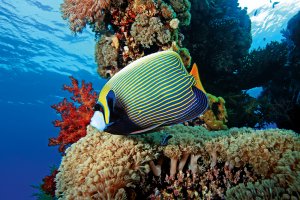
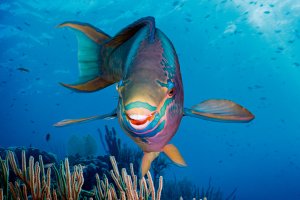
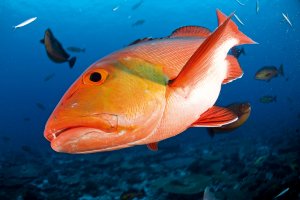
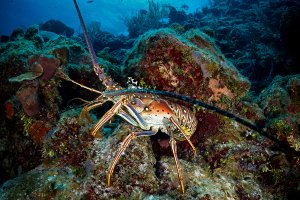
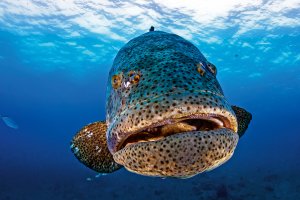
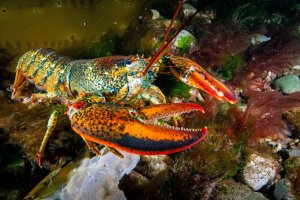
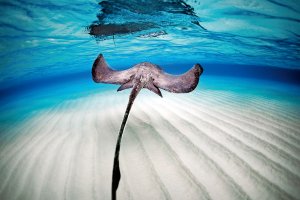
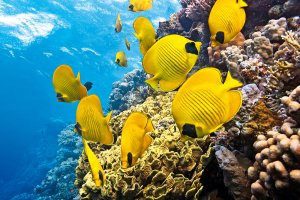
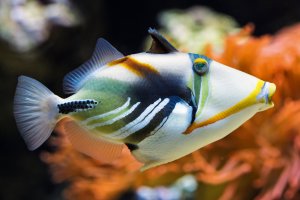
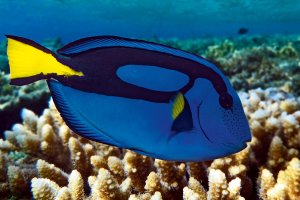
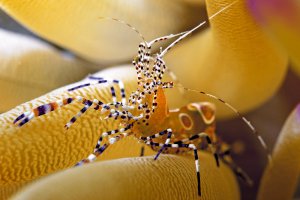
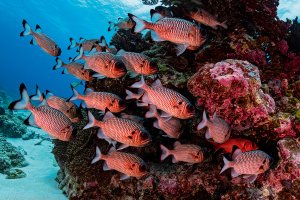
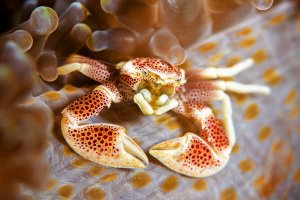
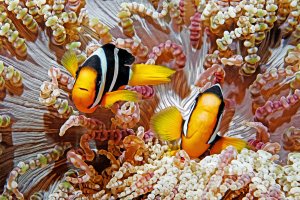
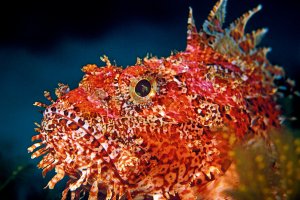
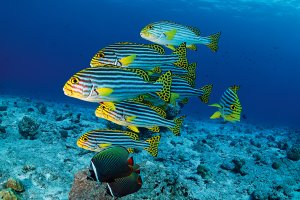
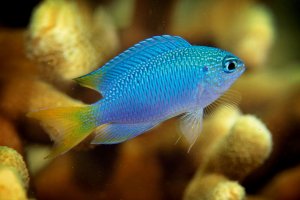
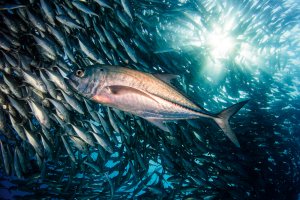
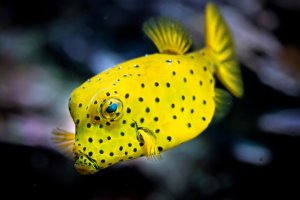
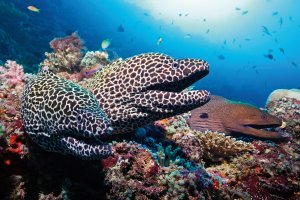
Due to this area still being somewhat undiscovered, the marine environments are in pristine condition. The reefs are built up of a multitude of Hard Corals, Soft Corals, Anemones and Sea Sponges and they hold a plethora of marine life which lives and among them including different species of Eels, Lobsters and other Crustaceans, Groupers and many more. There are also numerous larger species that can be spotted here, including Eagle Rays, Stingrays, Sea Turtles and Whale Sharks.
Wildlife Sightings are Based on User Generated Content
The image shown is a representative illustration and does not depict every individual animal in this category.
Total number of species approx.: 200
Alamy-WaterFrame
37 Sightings
J
2
F
3
M
4
A
7
M
3
J
6
J
4
A
2
S
1
O
1
N
0
D
4
The image shown is a representative illustration and does not depict every individual animal in this category.
Total number of species approx.: 27
iStock-Global_Pics
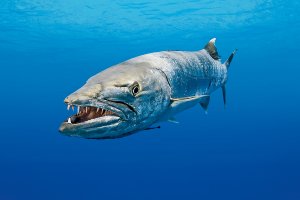
Barracuda
31 Sightings
J
1
F
0
M
4
A
5
M
2
J
8
J
2
A
1
S
3
O
1
N
0
D
4
iStock-ShaneGross
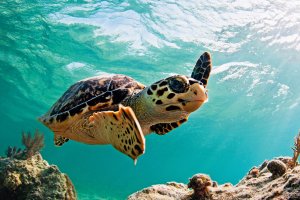
Loggerhead Turtle
15 Sightings
J
1
F
0
M
3
A
1
M
1
J
4
J
4
A
0
S
0
O
1
N
0
D
0
The image shown is a representative illustration and does not depict every individual animal in this category.
Total number of species approx.: 25
iStock/Juliosanjuan
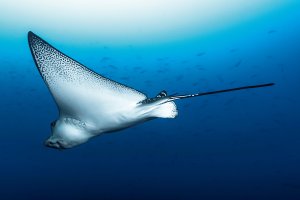
Eagle Ray
13 Sightings
J
1
F
1
M
2
A
0
M
2
J
1
J
0
A
0
S
0
O
3
N
0
D
3
Alamy-National Geographic Creative
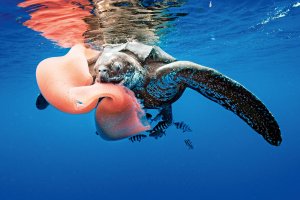
Leatherback Turtle
7 Sightings
J
1
F
1
M
0
A
0
M
1
J
1
J
2
A
0
S
0
O
0
N
0
D
1
The image shown is a representative illustration and does not depict every individual animal in this category.
Total number of species approx.: 600
iStock/ultramarinfoto
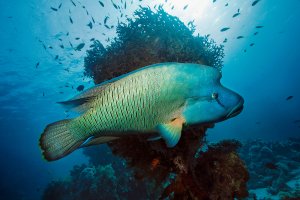
Wrasse
6 Sightings
J
1
F
0
M
1
A
0
M
1
J
0
J
0
A
0
S
1
O
0
N
0
D
2
iStock-crisod
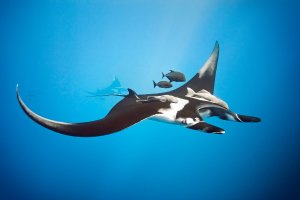
Reef Manta Ray
5 Sightings
J
0
F
0
M
2
A
0
M
0
J
2
J
0
A
0
S
0
O
1
N
0
D
0
Shutterstock-Shane Myers Photography
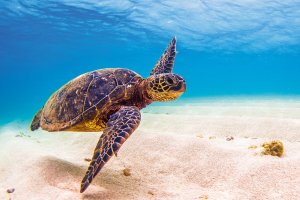
Green Turtle
3 Sightings
J
1
F
0
M
0
A
1
M
0
J
0
J
0
A
0
S
0
O
0
N
0
D
1
The image shown is a representative illustration and does not depict every individual animal in this category.
Total number of species approx.: 2
AdobeStock-hakbak
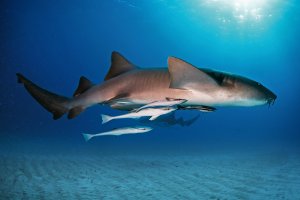
Nurse Shark
85 Sightings
J
5
F
7
M
7
A
10
M
11
J
13
J
13
A
4
S
2
O
2
N
2
D
9
The image shown is a representative illustration and does not depict every individual animal in this category.
Total number of species approx.: 12
iStock/cinoby
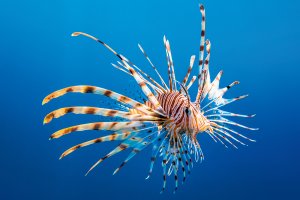
Lionfish
37 Sightings
J
2
F
7
M
4
A
2
M
4
J
8
J
4
A
2
S
1
O
1
N
0
D
2