Nico Dives Cool Bali
Jl. Sekuta 114 Sanur, 80228 Denpasar, BA - Indonesia
Stretching along the South East of Bali is Sanur, a location with ideal conditions for dive courses as well as being the perfect base to some of Bali’s most famous diving spots. For beginner divers who want to experience diving close to the tourist hub of Kuta, the calm waters found while scuba diving in Sanur is everything you’ll need. With the dive sites, only a few minutes from the beach, those short for time can do two dives and be finished by lunchtime.
Certified divers who want to dive deeper into Bali’s fantastic dive sites can ask Sanur dive centres to arrange trips to other incredible locations. Descend down onto the Liberty Wreck in Tulamben, drift in strong currents at Candi Dasa, search for strange critters in Padang Bai and Amed’s silty seabeds or sail to the Nusa Islands to find yourself among the majestic oceanic sunfish and manta ray.
Sanur diving is available from a number of dive resorts or if you want to cut out all of the inland travel, liveaboards are at hand to navigate you toward your next beautiful dive location.
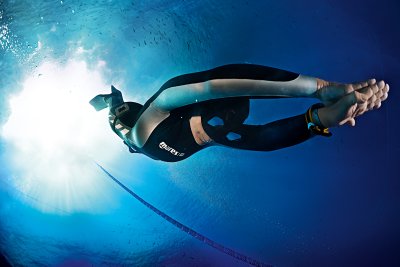
Sanur diving will find you in shallow sandy sea beds interspersed with coral reefs and bommies. The calm conditions and shallow sites make Sanur an ideal location for dive courses, where you’ll find a range of courses taking place at Channel Point or Sanur Bay.
Choose to take a day trip to the Nusa Islands and experience swift drift dives or head to Tulamben for world-class wreck diving at the Liberty Wreck. At Padang Bai, divers can encounter stunning reefs, incredible macro life as well as wreck dives - ideal for underwater photographers. The rocky islets and pinnacles at Candi Dasa, offer adrenaline-pumping drifts, caves, canyons and rugged topography for experienced divers to enjoy while a trip to Amed will find you submersed in the famous Japenese Wreck or uncovering incredible macro critters.
The best time for scuba diving in Sanur is in the transition period between the rainy and dry season, around April or October. During this time, the seas are calmer and the winds are gentle, which leads to the best visibility. During the monsoon season, from December through to February, strong rain can cause bad visibility in the dive sites.
If you head to Candi Dasa, the best time to see hammerhead sharks is from August to October. While, for those hoping to see mola mola at Candi Dasa, the Nusa Islands or Padang Bai, dive into the waters between July through to November. Manta rays can be seen year-round at Nusa Penida, yet the prime time is April to May.
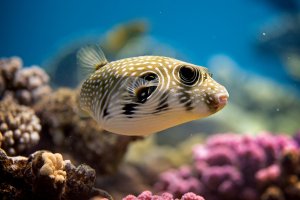
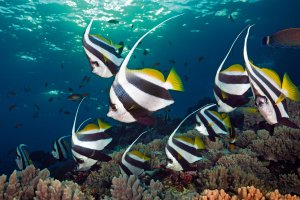
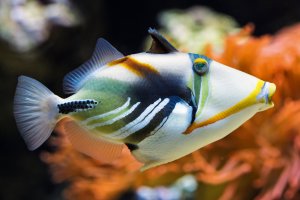
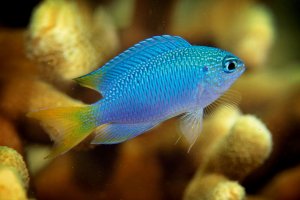
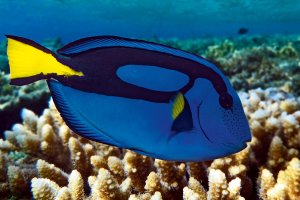
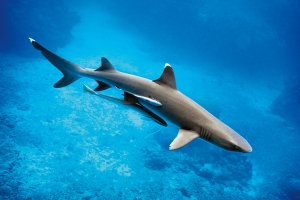
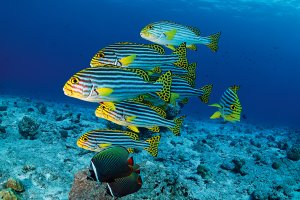
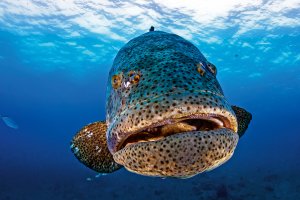
While scuba diving in Sanur, you can almost always see the resident schools of batfish, big round pufferfish as well as wide-eyed porcupinefish. Often white-tip reef sharks, sea snakes, and moray eels are seen in the area while you may be lucky enough to see dancing shoals of catfish among the large variety of thriving hard and soft corals.
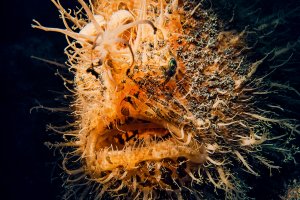
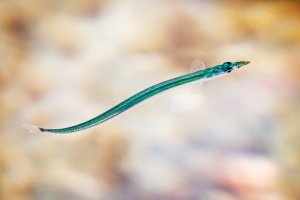
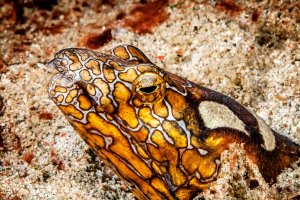
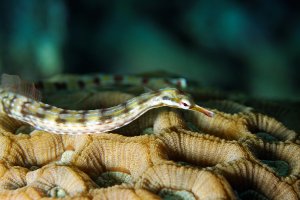
At Tulamben, head further offshore where you can discover dogtooth tuna, eagle rays and even whale sharks in the strong currents while Nusa Lembongan and Nusa Penida offer the chance to revel in the presence of manta ray and the enormous oceanic sunfish. The cold water and strong currents in Candi Dasa invite hammerhead shark and mola mola to the area while a whole host of weird and wonderful creatures can be found at Padang Bai, Amed and Tulamben. Everything from frogfish to ghost pipefish can be sighted.
Wildlife Sightings are Based on User Generated Content
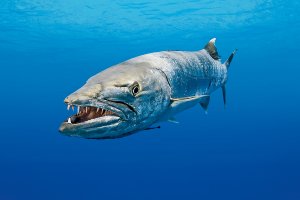
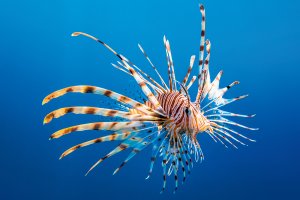
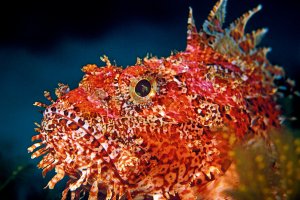
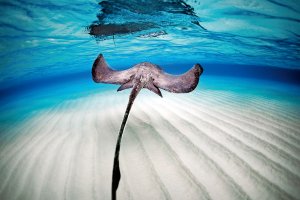
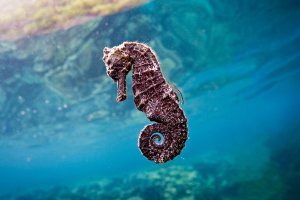
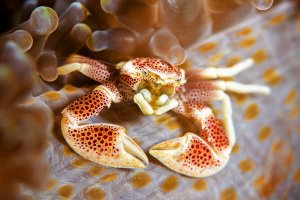
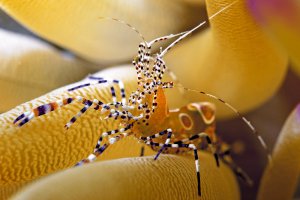
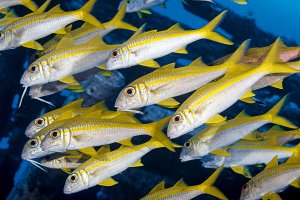
The image shown is a representative illustration and does not depict every individual animal in this category.
Total number of species approx.: 200
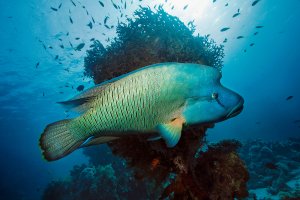
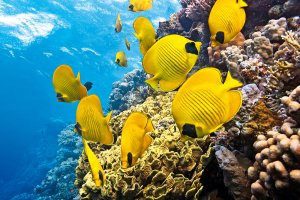
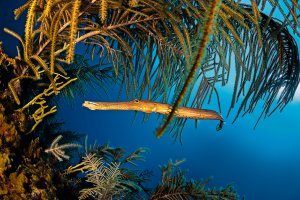
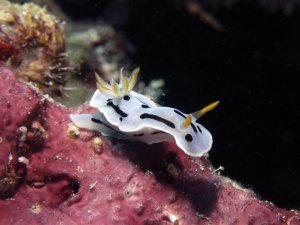
The image shown is a representative illustration and does not depict every individual animal in this category.
Total number of species approx.: 300
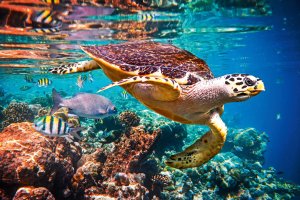
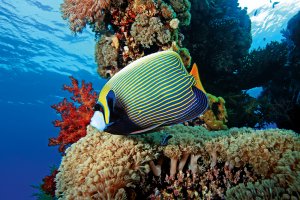
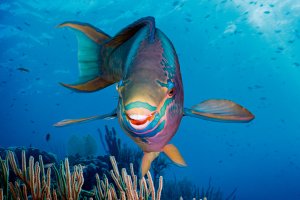
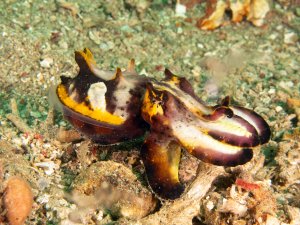
The image shown is a representative illustration and does not depict every individual animal in this category.
Total number of species approx.: 27
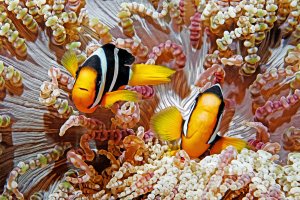
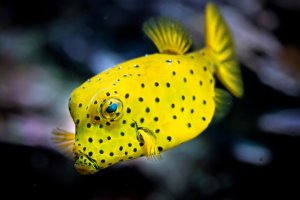
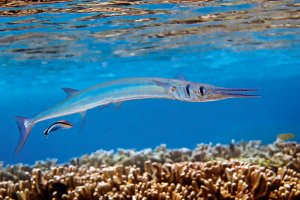
The image shown is a representative illustration and does not depict every individual animal in this category.
Total number of species approx.: 600
The image shown is a representative illustration and does not depict every individual animal in this category.
Total number of species approx.: 28
The image shown is a representative illustration and does not depict every individual animal in this category.
Total number of species approx.: 12
The image shown is a representative illustration and does not depict every individual animal in this category.
Total number of species approx.: 130
The image shown is a representative illustration and does not depict every individual animal in this category.
Total number of species approx.: 90