back
Diving Grand Cayman: Your Ultimate Guide to a Classic Caribbean Destination
iStock-RomoloTavani
There are very few places in the Caribbean that have earned legendary status quite like diving Grand Cayman.
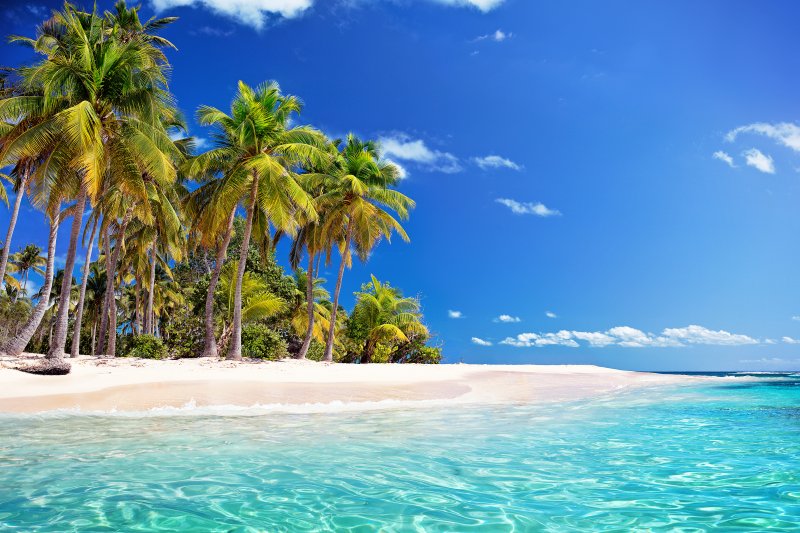
Before you even descend, the island starts to pull you in. The water has that clear Caribbean blue divers dream about during long workdays, the reefs are close, and the boat rides are short enough to make every dive day feel easy. Then your mask slips below the surface, the noise of land fades, and Grand Cayman shows you why divers keep coming back.
What makes Grand Cayman truly special is how accessible it feels without losing its sense of adventure. Beginners can relax into calm, shallow reefs, while experienced divers can hover above deep walls, explore wrecks, and fine-tune their buoyancy just minutes from shore.
Why Grand Cayman Is a Classic Dive Destination
Grand Cayman gives you comfort and serious diving in the same trip: shallow coral gardens one day, dramatic blue walls the next. One dive can feel calm and bright, with sunlight moving across the reef. The next can place you above a wall where the ocean drops into deep blue silence.
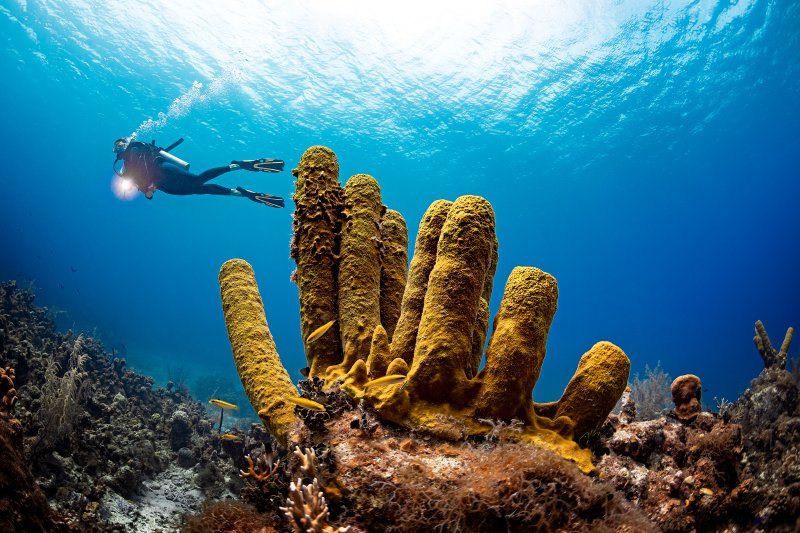
The island combines pristine reefs, striking underwater topography, abundant marine life, and a strong conservation mindset. Dive sites are carefully managed, mooring buoys protect the reefs, and fishing regulations help maintain healthy ecosystems.
Divers also come back for the consistency: reliable conditions, close dive sites, and strong shore and boat diving.
For more Caribbean inspiration, read SSI's guide to 7 Best Dive Sites in the Caribbean, a helpful next step if you are comparing options for diving in the Caribbean.
iStock-Global_Pics
Grand Cayman Dive Conditions: Visibility, Depth, and Currents
One of the standout features of scuba diving Grand Cayman is the visibility.
On many days, the water feels almost impossibly clear. You can see coral formations and the wall edge long before you reach them, while your buddy hovers easily in sight. Divers can often expect visibility of 25 to 30 meters (82 to 98 feet), with even clearer conditions during calm weather.
The water is warm year-round, typically ranging from 24 to 30°C (75 to 86°F). A 3 mm wetsuit is comfortable for many divers, while lighter exposure protection may work during warmer months.
Shallow reefs begin around 5 meters (16 feet), making them ideal for training dives and relaxed exploration.
Then the walls change the mood completely. Wall dives can drop suddenly beyond 30 meters (98 feet), along the edge of the Cayman Trench. One moment you are beside coral and sponges; the next, you are suspended over open blue water.
Currents are generally mild, especially along the west side, making Grand Cayman suitable for many experience levels.
Best Grand Cayman Diving Sites: Stingrays, Wrecks, and Walls
Stingray City is one of the most famous shallow dive and snorkel sites in the Caribbean. In calm, clear water, southern stingrays move across the sand with a slow, graceful confidence that makes the whole scene feel almost unreal. The best moments happen when divers stay relaxed, give the animals space, and let the encounter unfold naturally.
The USS Kittiwake is another must-see. This former US Navy submarine rescue vessel was intentionally sunk in 2011 and now rests in shallow recreational depths of around 6 to 20 meters (20 to 66 feet).
The Kittiwake wreck Grand Cayman feels approachable, but never ordinary. Light moves through open spaces, fish gather around the structure, and the wreck feels like something the ocean has slowly claimed.
Wall dives such as the North Wall show the island's dramatic underwater geography at its best. Sheer drop-offs, sponge-covered walls, and coral ledges create the feeling of flying along the edge of another world. Turtles, eagle rays, and reef sharks may appear along the wall, while the blue below keeps drawing your eyes downward.
That feeling of hovering over the edge of a vertical reef is one of the defining experiences of wall diving Grand Cayman.
Grand Cayman Marine Life: Turtles, Rays, Sharks, and Reef Color
Grand Cayman marine life is part of what makes the island linger.
Hawksbill and green turtles are common sightings. Sometimes they glide past slowly, almost ignoring you. Sometimes they rest near ledges, still and calm, while your bubbles rise above them.
Caribbean reef sharks and nurse sharks are regularly spotted, especially along wall sites and deeper reefs. These encounters add a quiet thrill to the dive, especially when a shark appears from the blue and moves along the wall with effortless control.
Reef fish are plentiful. Schools of jacks, angelfish, parrotfish, and chromis bring movement and color to the reefs. Healthy coral gardens provide shelter for smaller creatures, including cleaner shrimp, blennies, and juvenile fish.
The SSI Marine Ecology Specialty helps you understand reef relationships and marine life behavior, making every turtle, shrimp, coral head, and cleaning station feel more connected.
Shore Diving Grand Cayman and Boat Diving Options
One of the unique advantages of diving Grand Cayman is the quality of its shore diving.
Many sites are easily accessed from land, with clear entry points and nearby facilities. Popular shore dives such as Eden Rock and Devil's Grotto feature swim-throughs, caverns, and schools of tarpon, all just a short swim from shore.
Boat diving expands the options even further. It gives access to walls, deeper reefs, wrecks, and sites that are harder to reach from land. Boat rides are typically short, and dives are well organized, which means more time underwater and less time traveling.
For many divers, the best Grand Cayman trip includes both. Shore diving gives you freedom and flexibility. Boat diving gives you access to the sites that made the island famous.
To explore local dive areas and compare travel options, the Grand Cayman diving destination guide on Scubago is a useful planning resource.
Dive Operators, SSI Training, and Skill Development
Grand Cayman is home to several SSI Training Centers.
Calm water, excellent visibility, varied reef profiles, walls, and wrecks make it a strong place to build real dive skills.
If you are new to diving, the SSI Open Water Diver program is the starting point that helps you build the foundation for safe and confident underwater exploration.
For Grand Cayman's reefs and walls, buoyancy makes a huge difference. The SSI Perfect Buoyancy Specialty helps you refine your control, protect delicate reef life, and feel more relaxed when hovering over coral, sand, or a dramatic wall edge.
For deeper profiles, the SSI Deep Diving Specialty is a good choice for divers who want to improve planning, gas awareness, and confidence at deeper recreational depths.
If the Kittiwake is high on your list, the SSI Wreck Diving Specialty helps you approach wreck environments with better awareness and respect for the site.
Using the SSI Center Locator is the easiest way to find an SSI Training Center that matches your goals before or during your Grand Cayman trip.
Travel Logistics and Getting There
Getting to Grand Cayman is straightforward, especially for travelers from the United States.
All international arrivals land at Owen Roberts International Airport, located close to the main dive areas and accommodations.
Once on the island, renting a car is common and makes reaching shore dive sites easy. Accommodations range from luxury beachfront resorts to diver-friendly condos, many located along the west side of the island where conditions are calmest for diving.
Eco-Friendly Diving in Grand Cayman
Marine protection plays a central role in diving Grand Cayman.
Many dive sites are protected by marine parks, fishing is regulated, and anchoring on reefs is prohibited. Divers are encouraged to maintain good buoyancy, avoid touching marine life, and use reef-safe sunscreen.
Taking SSI ecology-focused courses can deepen your understanding of the reef systems you are exploring and help you become a more mindful diver. The better you understand the underwater world, the more naturally you protect it.
Final Planning Tips for Diving Grand Cayman
Best time to dive:
Diving is excellent year-round, with particularly calm conditions often found from December through April.
Experience level needed:
All levels are welcome, from beginners enjoying shallow reefs to advanced divers exploring deep walls and wrecks.
Helpful SSI courses for diving Grand Cayman:
SSI Open Water Diver, Perfect Buoyancy, Deep Diving, Wreck Diving, and Marine Ecology.
Travel protection:Before you travel, review dive and travel insurance options with SSI's trusted partner DiveAssure, especially if your trip includes flights, multiple dive days, or prepaid dive packages.
Ready to Dive Grand Cayman?
Whether you are drawn by shallow reefs, famous wrecks, dramatic wall dives, or the quiet moment when a turtle glides past and the whole ocean seems to slow down, the island offers an underwater experience that feels effortless and unforgettable.
Ready to take the next step? Use the SSI Center Locator to find an SSI Professional or Training Center that can help you prepare for diving Grand Cayman with the right skills, confidence, and local support.
Dive Deeper
- SSI Perfect Buoyancy Specialty - helps you refine control, protect reefs, and feel more relaxed on walls, wrecks, and shallow coral sites
- 7 Best Dive Sites in the Caribbean - a related SSI blog for divers comparing Caribbean dive destinations
- Find an SSI Training Center or Resort - connect with an SSI Professional before your next dive trip
Related Articles
Apeks
predragvuckovic
10 Best Snorkeling Spots in the World for 2026
2026-09-02
AdobeStock-Dudarev-Mikhail
Scuba Diving in Bali: The Ultimate Guide to Diving in Paradise
2026-08-31
manta_kaitlyn-mcqueeney
Top 8 Scuba Diving Holidays to Escape Fall
2026-08-27
iStock-Extreme-Photographer
Siyam World Shipwreck: Diving with a Purpose in the Maldives
2026-08-25
iStock-Reef-Diver
Scuba Diving Destinations: 20 Best Places for 2026
2026-08-21
michael-worden-unsplash
Fastest Sea Creatures: 10 Ocean Animals Built for Speed
2026-08-19
iStock-Reef-Diver
Cozumel Scuba Diving: 12 Best Dive Sites for Your First Visit
2026-08-15
Alamy-Christian-Zappel
Diving with Hammerhead Sharks: 10 Best Dive Spots
2026-08-07
unsplash-loki-loki22
Best Dive Locations in the Caribbean: 8 Family-Friendly Islands
2026-07-29
mares