Santa Pola
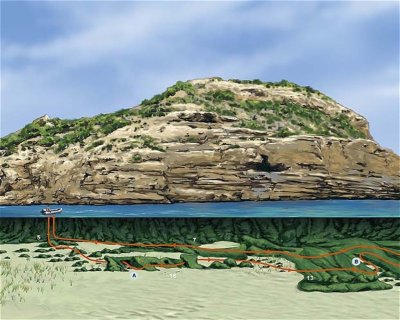
Santa Pola is a perfect example of a Valencian Community seaside town. Though popular with holiday-m
The Costa Blanca (which means “White Coast” in Spanish) stretches 200km along the coastline of the Valencian Community Province of Alicante, on the southeast coast of Spain. It is a popular holiday destination for Europeans and in the summer, millions of tourists flock to the white beaches. Some of the most popular towns are Benidorm, Torrevieja and Santa Pola.
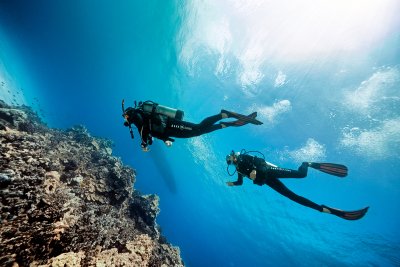
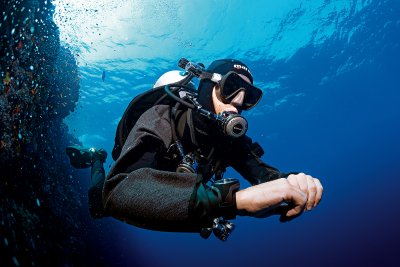
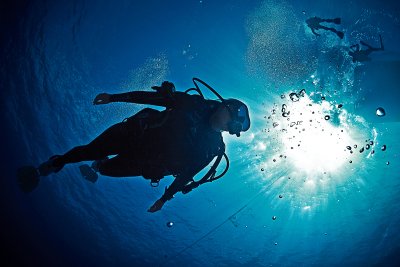
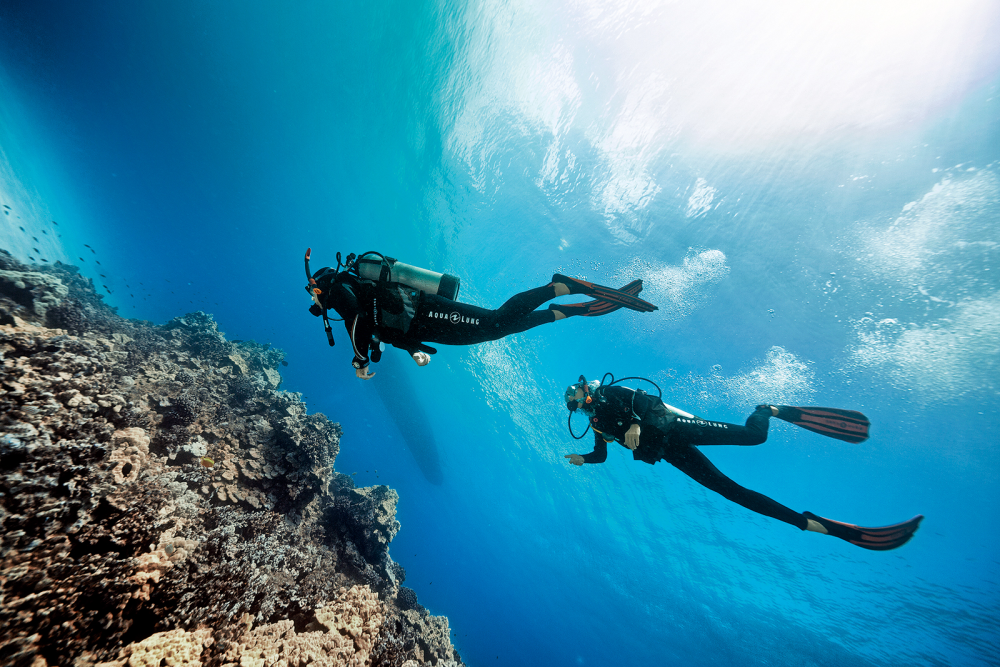
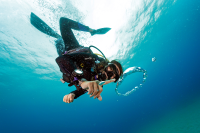
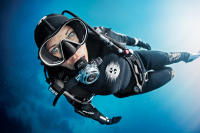
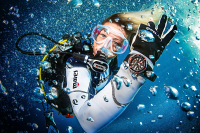
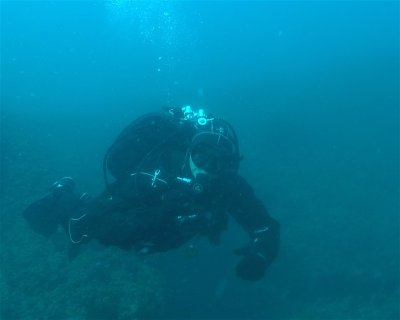
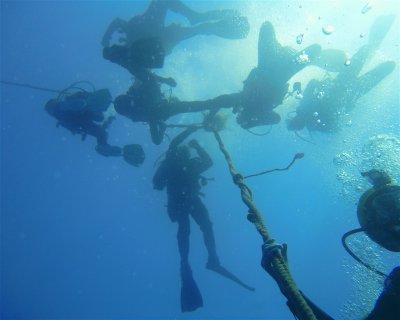
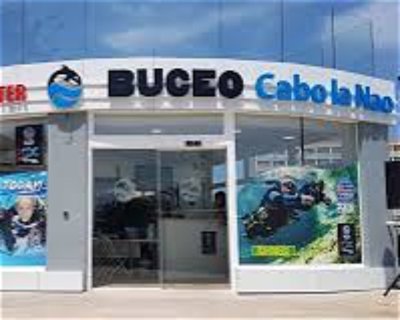
With one of the most developed diving communities in Spain, it has many dive centres, scattered within tourist hotspots. Almost all offer diving courses from introductory all the way up to professional qualifications. Dive resorts are found in some locations and liveaboards can be found in the nearby Balearics, though not directly off the Costa Blanca coast.
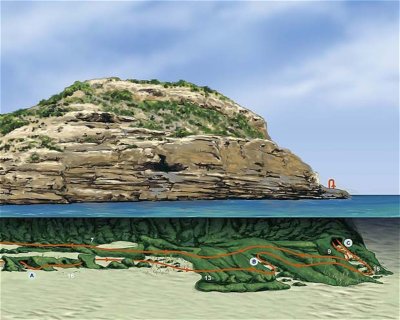
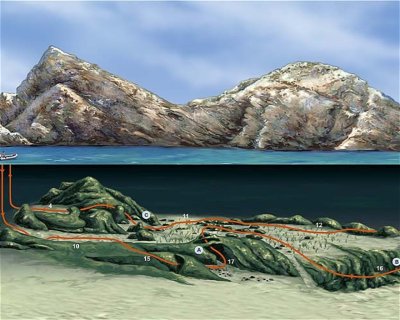
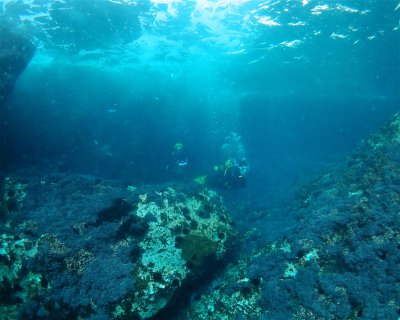
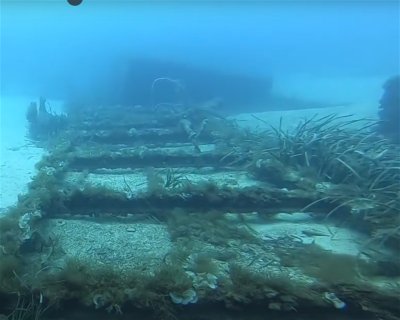
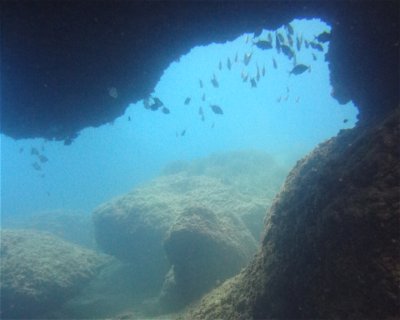
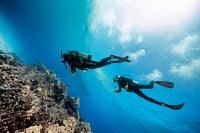
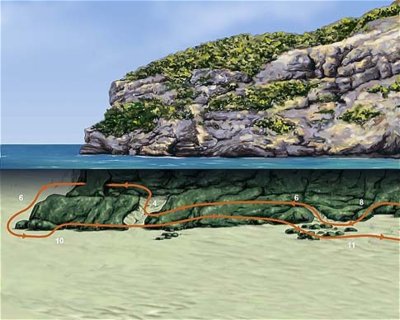
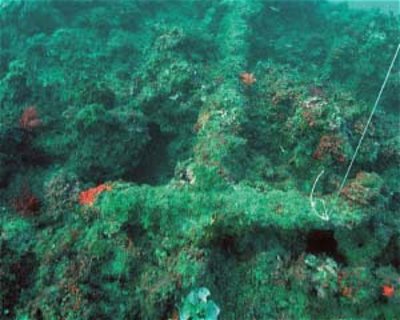
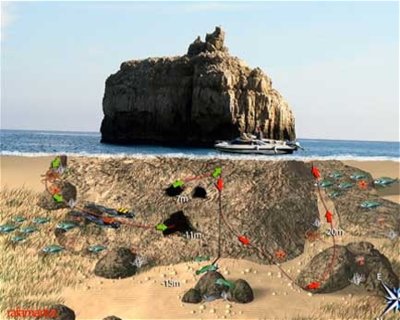
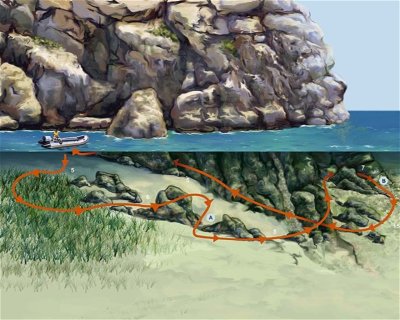
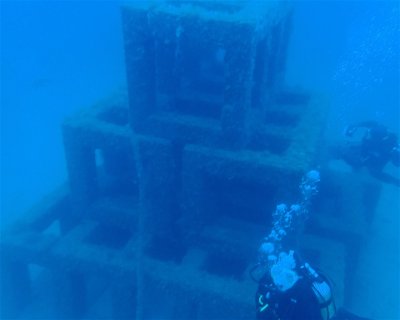
With dive sites scattered along the rugged shoreline, there will be something to please everyone. There are caves, fascinating rock formations, WWI and WWII wrecks as well as exhilarating drift dives near Calpe.
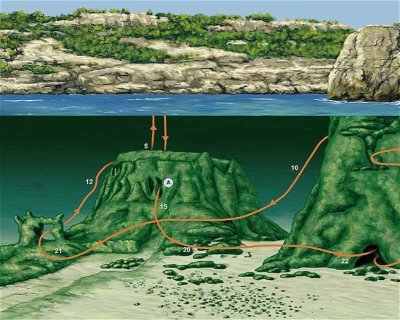
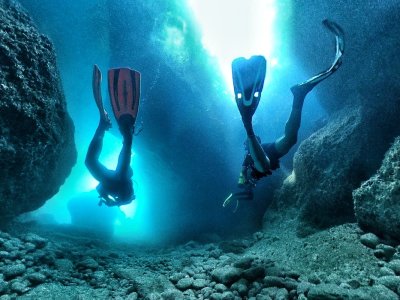
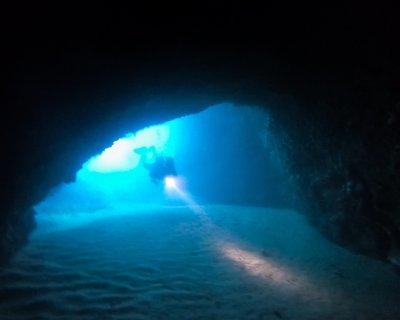
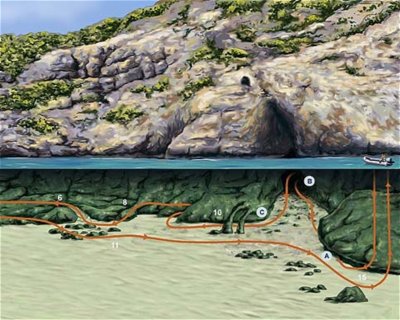
The countless dive sites along the vast Costa Blanca offer huge diversity. Around the port of Murcia, there are many shipwrecks to explore, mostly from WWI and WWII, such as the famous El Sirio. Closer to Alicante, there are caves carved into the limestone cliff faces, which create beautiful dives, with golden sunlight filtering through the rocks.
Near Moraira and Calpe, you can experience some thrilling drift dives. The Islas Hormigas Marine Reserve is a great place to see all of the marine life that this region has to offer, as it is protected from fishing. Most places have access to shore dives, which are perfect for beginners.
Diving in the Costa Blanca is possible year round due to the warm Mediterranean climate. The high season, and the best time to dive, is from May to August. The water temperatures peak at 27°C in July and August and the days are long, hot and dry. This is the busiest time of the year though, so be aware that it will be busy!
The winter stays relatively warm, with temperatures rarely dropping below 10°C. The water temperatures dip to 14°C in February though diving is still possible in thick wetsuits, if you’re not afraid of the cold! Some dive centres close during the winter so check before you book.
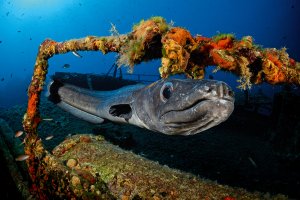
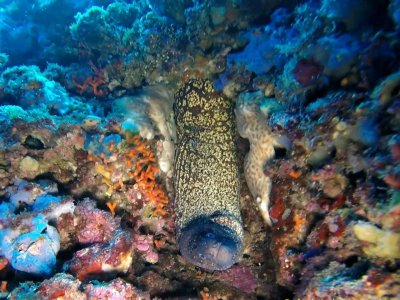
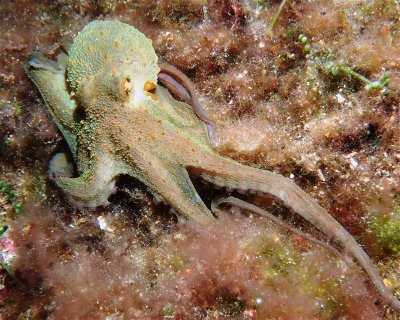
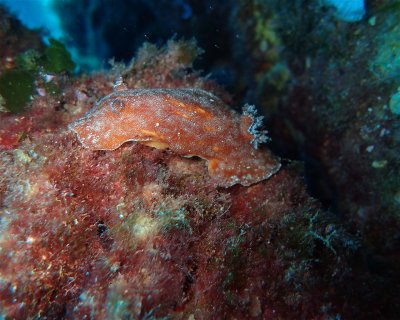
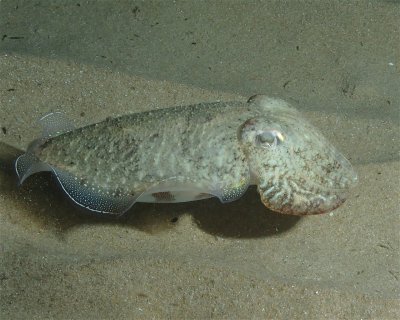
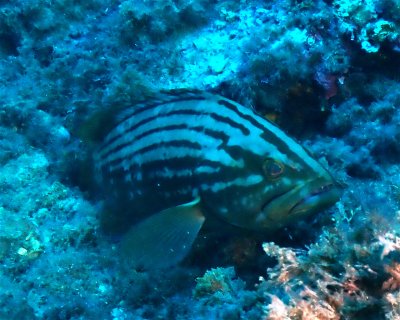
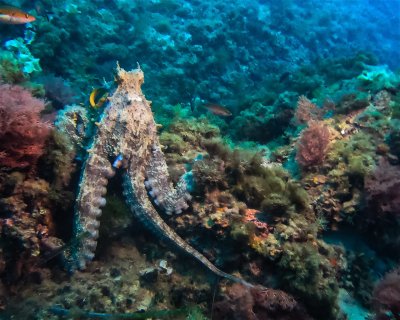
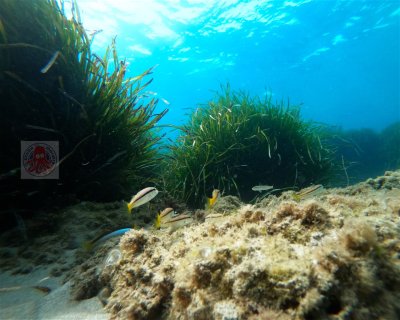
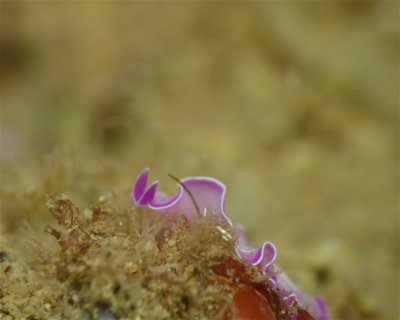
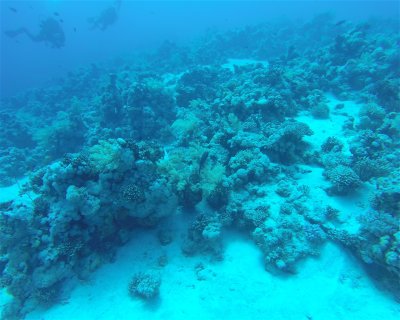
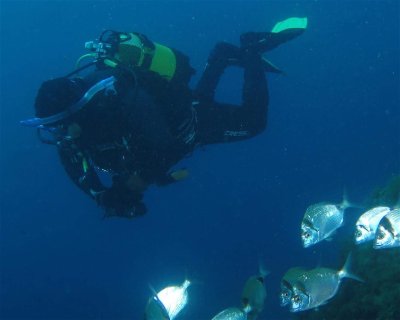
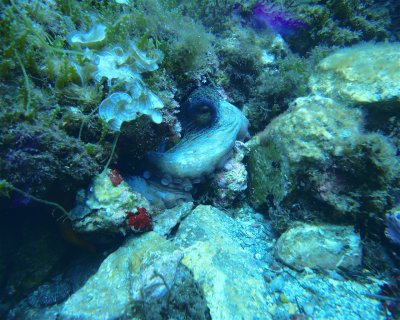
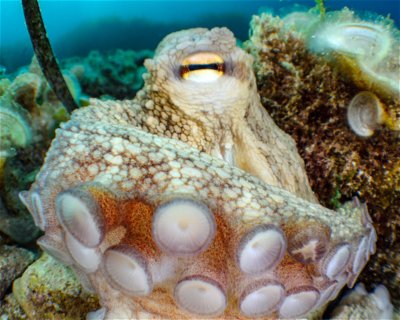
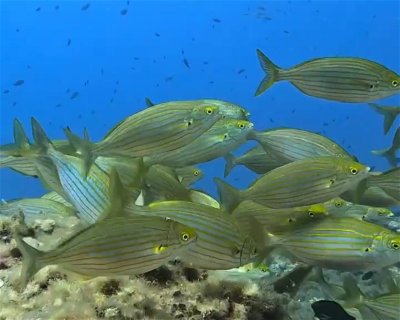
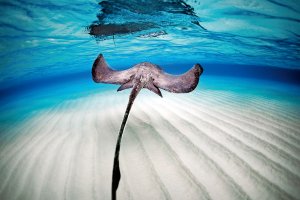
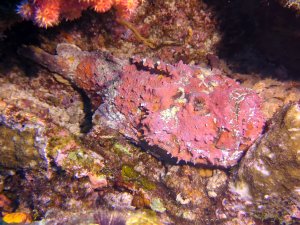
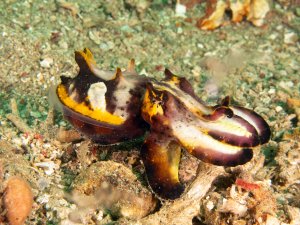
Mediterranean marine life may not be as colourful as more tropical locales, but it is still beautiful and very varied. Within the reefs, you can see octopuses, cuttlefish, stingrays, moray and conger eels along with many more. Fish like scorpionfish, blennies and gobies blend into the rocky seabed, whilst wrasse, bream, damselfish flit around the rocks and enormous grouper serenely glide across the reef or hide in crevasses. The eagle eyed might spot some great macro including nudibranch, shrimp and other crustaceans.
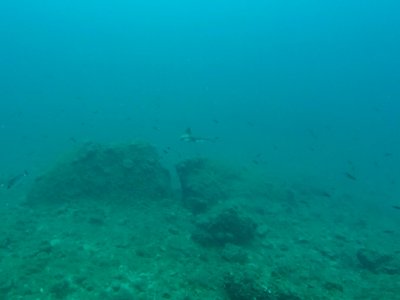
The rarer, but not unheard of, species include eagle rays, turtles, dolphins and whales - though the latter two are usually only seen from the surface. Summer visitors are the giant, bizarre-looking mola mola, or “sunfish”. Beware of small stinging pink jellyfish in the summer months. Hunting fish like tuna can be seen in the blue, along with huge schools of barracuda, jacks and dentex.
Wildlife Sightings are Based on User Generated Content
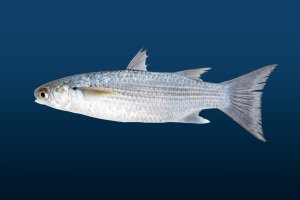
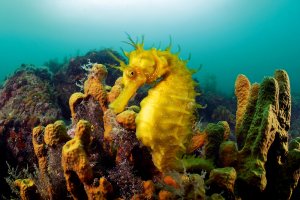
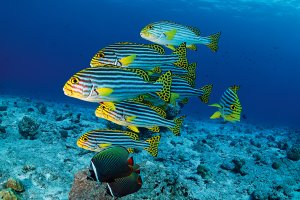
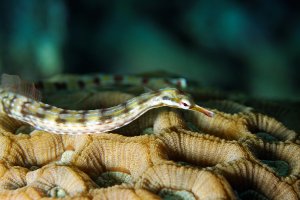
The image shown is a representative illustration and does not depict every individual animal in this category.
Total number of species approx.: 200
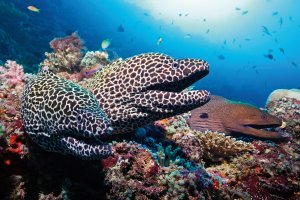
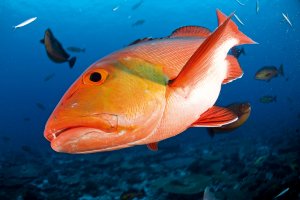
The image shown is a representative illustration and does not depict every individual animal in this category.
Total number of species approx.: 300
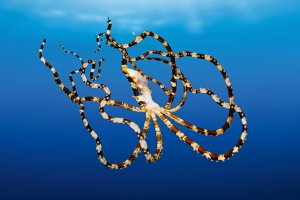
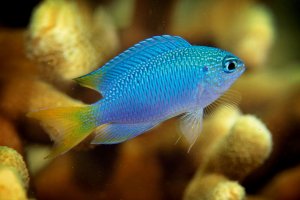
The image shown is a representative illustration and does not depict every individual animal in this category.
Total number of species approx.: 27
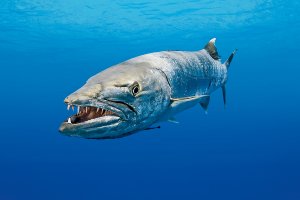
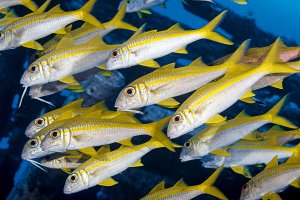
The image shown is a representative illustration and does not depict every individual animal in this category.
Total number of species approx.: 25
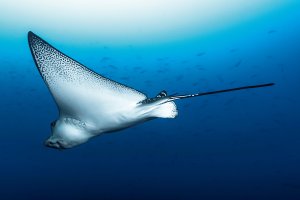
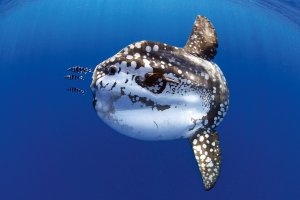
The image shown is a representative illustration and does not depict every individual animal in this category.
Total number of species approx.: 600
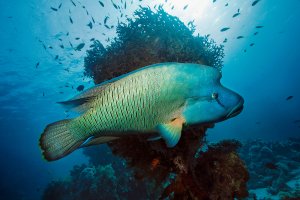
The image shown is a representative illustration and does not depict every individual animal in this category.
Total number of species approx.: 250
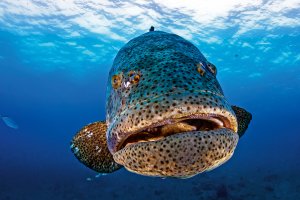
The image shown is a representative illustration and does not depict every individual animal in this category.
Total number of species approx.: 3000
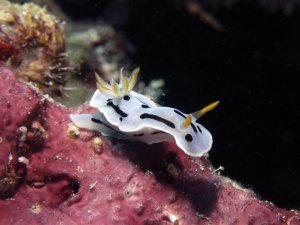
The image shown is a representative illustration and does not depict every individual animal in this category.
Total number of species approx.: 250
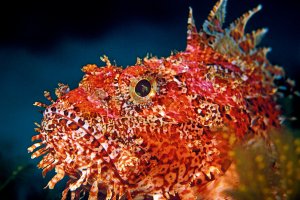
The image shown is a representative illustration and does not depict every individual animal in this category.
Total number of species approx.: 190