Explore Lake Stechlin
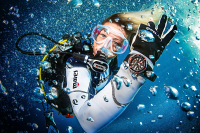
Diving in Lake Stechlin offers an extraordinary experience, nestled within the heart of a serene German nature reserve. This enchanting lake, located in the bay of Neuglobsow, is renowned for its crystal-clear waters and exceptional visibility, often exceeding what divers might typically expect. The tranquil setting provides a perfect backdrop for those seeking to immerse themselves in a beautiful underwater world.
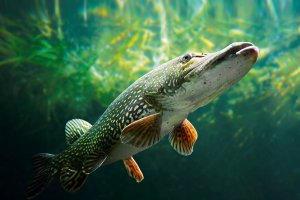
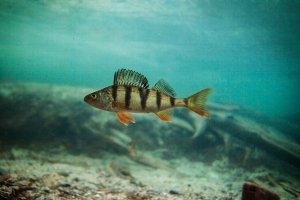
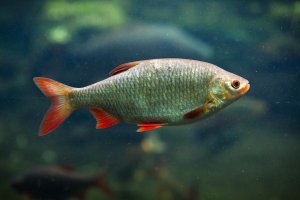
The lake's impressive depth, plunging over 60 meters/197 feet, invites divers to explore its vibrant aquatic life. Notable residents include the majestic pike, lively perch, and intriguing red feathers, roach, and tench. Eels and crabs add to the mix, creating a dynamic underwater ecosystem that captivates both novice and experienced divers. Stechlinsee's blend of tranquility and biodiversity makes it a must-visit destination for divers eager to experience Germany's natural wonders.
Dive Activity
Diving in Lake Stechlin
Lake Stechlin, located in Brandenburg, Germany, is renowned for its crystal-clear waters, making it a popular destination for freshwater diving enthusiasts. The lake offers several notable dive spots, each offering unique underwater features. One of the highlights is the submerged forest near the lake's center, where divers can explore ancient tree stumps and roots, providing a surreal underwater landscape.
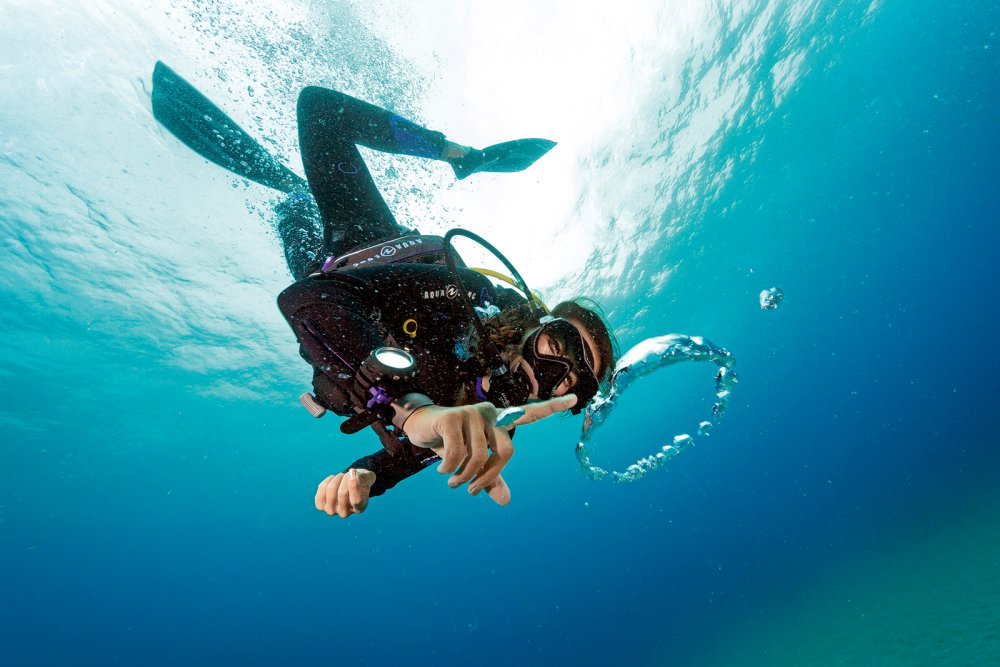
Diving in Lake Stechlin is primarily done from the shore, allowing easy access to the various dive sites. The lake's clarity facilitates visibility of up to 30 meters/98 feet, perfect for observing the local aquatic life, including perch and pike. Divers often encounter schools of fish along with rare freshwater sponges, adding to the allure. For those seeking a unique experience, night dives offer a chance to witness the lake's nocturnal creatures in action, providing an unforgettable adventure for both novice and experienced divers.
Top Wildlife Sightings in Lake Stechlin
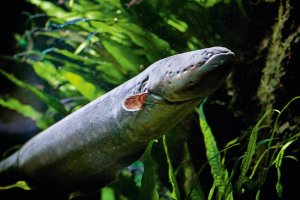
Lake Stechlin, a picturesque lake in Germany, offers divers the opportunity to explore a rich variety of freshwater wildlife. Typical fish species include perch, pike, and carp, which are commonly sighted during dives. The lake is also home to special sightings such as catfish and, occasionally, sturgeon. Seasonal spawning activities, particularly in spring, can provide exciting encounters with fish in larger numbers.
Visibility in Lake Stechlin is generally excellent, often reaching up to 10 meters/33 feet, enhancing the diving experience. The lake's depths vary, with some areas reaching over 60 meters/197 feet, offering diverse habitats for different species. Diving conditions and wildlife sightings can vary with the time of year, with summer providing warmer waters and more active fish, while winter offers solitude and a different underwater landscape.
Wildlife Sightings are Based on User Generated Content
The image shown is a representative illustration and does not depict every individual animal in this category.
Total number of species: 5
The image shown is a representative illustration and does not depict every individual animal in this category.
Total number of species: 3
Perch
Common Rudd
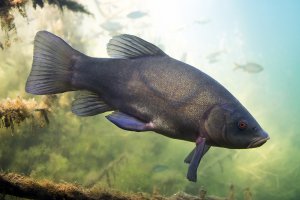
Tench
The image shown is a representative illustration and does not depict every individual animal in this category.
Total number of species: 19
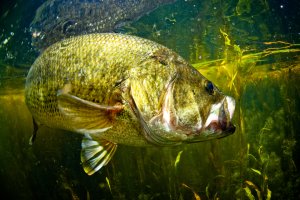
Bass
The image shown is a representative illustration and does not depict every individual animal in this category.
Total number of species: 30
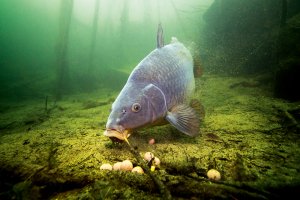
Carp
The image shown is a representative illustration and does not depict every individual animal in this category.
Total number of species: 600
Crayfish
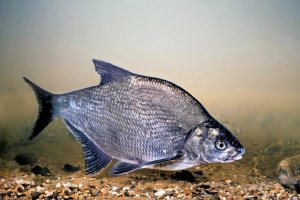
Common Bream
The best Montht to dive in Lake Stechlin
Lake Stechlin, located in Germany, offers diverse freshwater diving conditions throughout the year. In summer, water temperatures range from 20°C–22°C/68°F–72°F, providing comfortable conditions for divers. Visibility is excellent, often exceeding 10 meters/33 feet, making it ideal for exploring underwater flora and fauna. However, increased recreational activity during this season may affect water clarity.
During winter, the lake's surface may freeze, limiting access but offering unique ice diving opportunities for experienced divers. Water temperatures can drop to 2°C–4°C/36°F–39°F, and visibility improves as activity decreases. The best months for diving are May through September when conditions are optimal, with warmer temperatures and clearer waters. Divers should be aware of seasonal changes and plan accordingly to ensure a safe and enjoyable experience.