SSI Open Water Diver
3 Day Open Water Diver course
ScubaXcursion, Aliwal Shoal, Green Lane, 4180, Scottburgh, ZAF
October 5, 2026
+37 More
 © -----------------------------------------
Rocky Bay and Landers Reef, located on the south coast of KwaZulu-Natal in South Africa, offer a unique and mesmerizing diving experience. Accessible by a boat ride from the charming town of Park Rynie, this dive spot is renowned for its vibrant coral gardens and diverse marine life. The underwater terrain is nothing short of spectacular, with a dramatic array of pinnacles, boulders, crevices, and gullies. Divers can explore intricate sand patches that intersperse the reefs, providing a beautiful blend of textures and colors beneath the waves.
What sets Landers Reef apart is the sense of discovery it offers. With its deep caves and overhangs, the site invites adventurous exploration and is often regarded as one of South Africa's most picturesque dive locations. Despite its rich natural beauty, the area remains a hidden gem, often undisturbed by the typical crowds of recreational divers. This serenity allows divers to fully immerse themselves in the aquatic splendor, making it a truly unforgettable experience. Whether you're a seasoned diver or a curious novice, Rocky Bay and Landers Reef promise an enchanting journey into the marine wonders of South Africa.
Rocky Bay and Landers offer some of the most thrilling dive experiences for enthusiasts. Among the top dive sites is the famous wreck dive at the "Emerald Ship", where divers can explore a sunken vessel teeming with marine life. The vibrant coral reefs surrounding the wreck are home to colorful fish and occasional visits from dolphins, making it a must-see for underwater photographers. For those who prefer shore dives, "Turtle Cove" presents an excellent option. Known for its gentle sloping reefs, this site is ideal for observing turtles and tropical fish. The area is also popular for night dives, where divers can witness the mesmerizing spectacle of bioluminescent plankton. Both liveaboard and shore dive options are available, providing flexibility for travelers keen to explore the underwater wonders of Rocky Bay and Landers.
Rocky Bay/Landers offers year-round diving opportunities, with each season bringing unique conditions. Water temperatures range from 18°C–24°C/64°F–75°F in the summer, cooling to 12°C–16°C/54°F–61°F in the winter, providing a comfortable environment for divers with suitable gear. Visibility is generally good, ranging from 10 to 30 meters/33 to 98 feet, though it can be reduced during stormy weather.
While diving is possible throughout the year, the best conditions are typically found from late spring to early autumn. During this time, calm seas and mild currents enhance the diving experience. Winter months may bring stronger winds and currents, making some sites less accessible. Overall, careful planning and monitoring of local weather forecasts are recommended for optimal diving experiences in Rocky Bay/Landers.
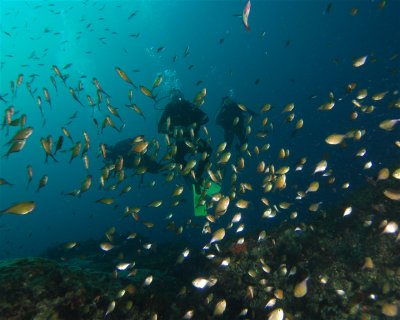
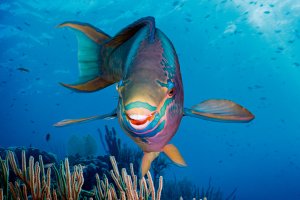
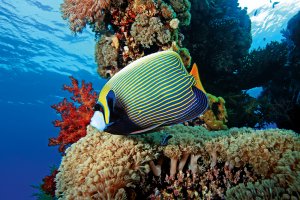
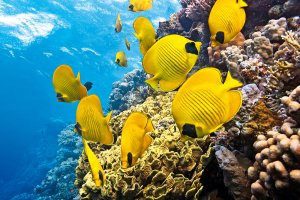
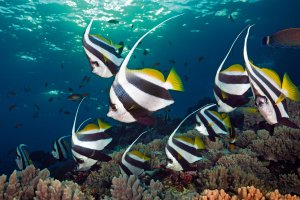
Rocky Bay/Landers is a vibrant marine habitat that attracts divers with its diverse reef life. Common reef fish include parrotfish, butterflyfish, and angelfish, which can be seen year-round. The bay's rocky structures provide shelter for these species, making them a frequent sight for divers.
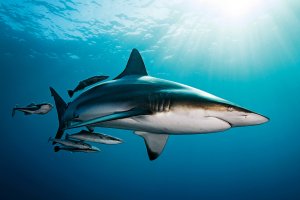
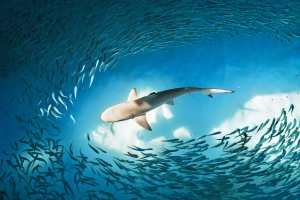
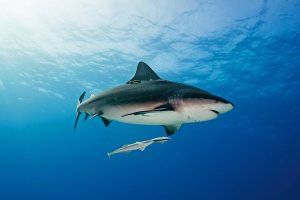
Seasonal highlights in Rocky Bay/Landers include sightings of graceful sea turtles, predominantly during the warmer months when they come to feed and nest. Reef sharks and rays are also notable visitors; although less common, they are typically encountered during late spring and summer. These larger species enrich the dive experience, offering thrilling encounters for those visiting at the right time of year.
Wildlife Sightings are Based on User Generated Content
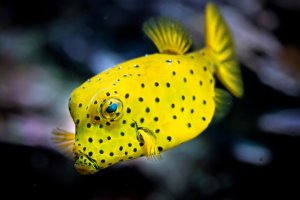
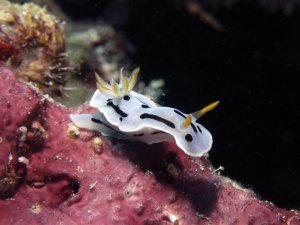
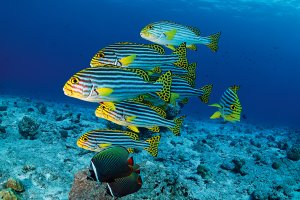
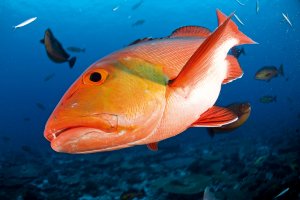
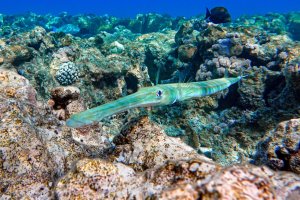
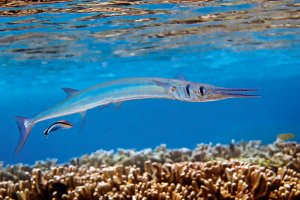
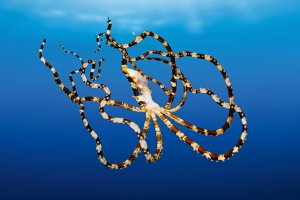
The image shown is a representative illustration and does not depict every individual animal in this category.
Total number of species approx.: 200
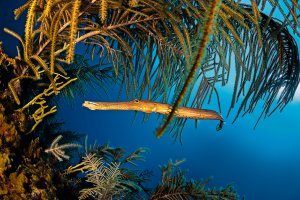
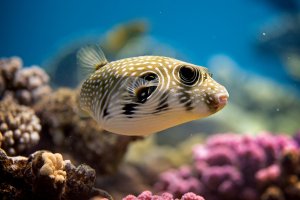
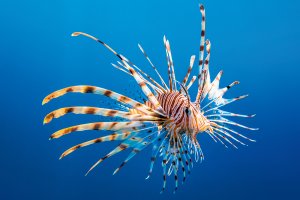
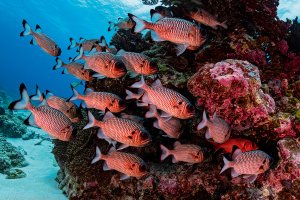
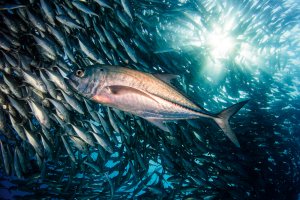
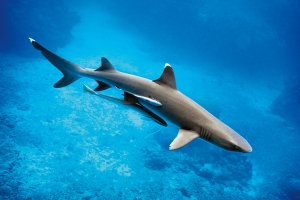
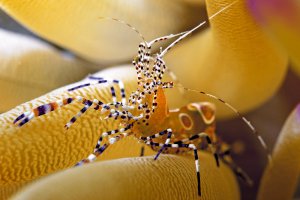
The image shown is a representative illustration and does not depict every individual animal in this category.
Total number of species approx.: 3
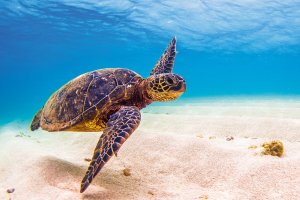
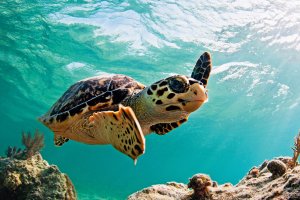
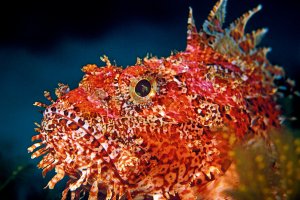
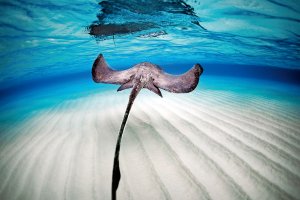
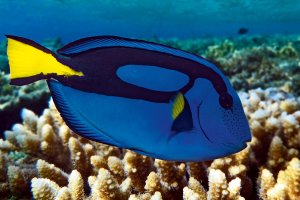
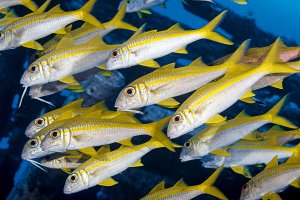
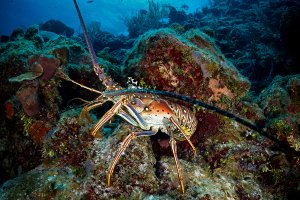
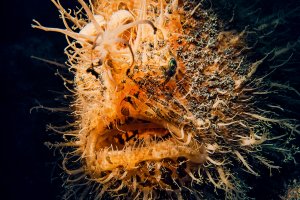
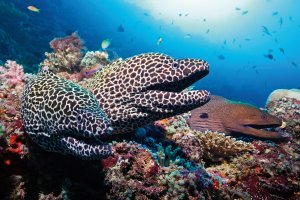
The image shown is a representative illustration and does not depict every individual animal in this category.
Total number of species approx.: 600
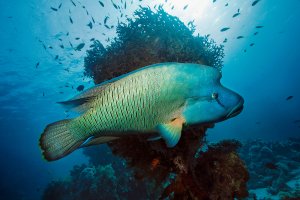
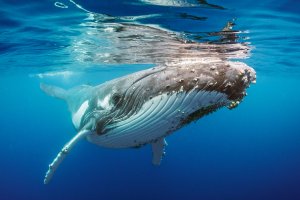
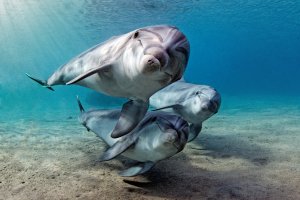
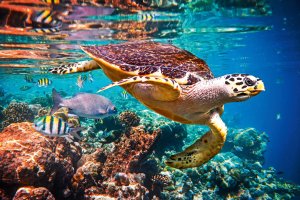
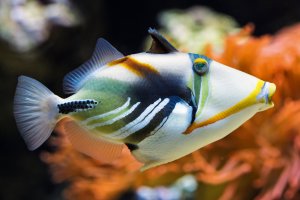
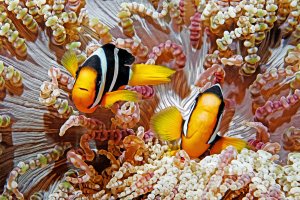
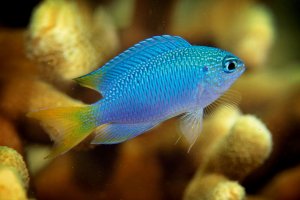
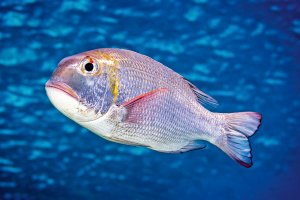
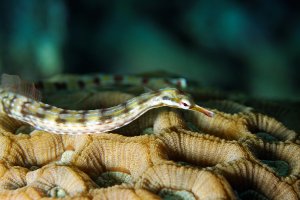
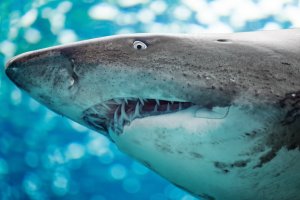
The image shown is a representative illustration and does not depict every individual animal in this category.
Total number of species approx.: 25
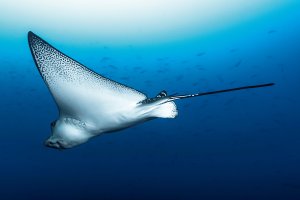
The image shown is a representative illustration and does not depict every individual animal in this category.
Total number of species approx.: 300
Curated by Interest
Mares
Aqualung
Shutterstock-Zi Magine
Mares-Predrag Vuckovic
Scubapro
Shutterstock-Ethan Daniels
Mares-Predrag Vuckovic
Mares-Bjoern Dorstewit
Miss Behavin’ Mermaid hopes you’ll join her for a magical day of swirling and swishing our cares away!No longer a fairy tale, your dream of becoming a mermaid is a tail-flic...
Show Offer
The South African Sardine Run out of East London is the ultimate aquatic adrenaline rush where millions of silver fish ignite an ocean-wide feeding frenzyThe Run ...
Show OfferMiss Behavin’ Mermaid hopes you’ll join her for a magical day of swirling and swishing our cares away!No longer a fairy tale, your dream of becoming a mermaid is a tail-flic...
Show OfferBeing a mermaid instructor is the perfect way to go mermaid swimming and start a new career, instilling happiness and joy in all your mermaid students! SSI’s high-quality stan...
Show Offer
The South African Sardine Run out of East London is the ultimate aquatic adrenaline rush where millions of silver fish ignite an ocean-wide feeding frenzyThe Run ...
Show Offer
Unforgettable diving experiences and unique discoveries await you in the enchanting waters of South Africa.For program details, visit www.scubado.com.tr/afrika or contact us dir...
Show OfferMiss Behavin’ Mermaid hopes you’ll join her for a magical day of swirling and swishing our cares away!No longer a fairy tale, your dream of becoming a mermaid is a tail-flic...
Show Offer
The South African Sardine Run out of East London is the ultimate aquatic adrenaline rush where millions of silver fish ignite an ocean-wide feeding frenzyThe Run ...
Show Offer
Experience the privilege of being in the same water with tiger and bull sharks at Umkomaas, one of the most exciting dive sites in the world! Each dive offers a new adventure in...
Show Offer
Experience the privilege of being in the same water with tiger and bull sharks at Umkomaas, one of the most exciting dive sites in the world! Each dive offers a new adventure in...
Show Offer
Unforgettable diving experiences and unique discoveries await you in the enchanting waters of South Africa.For program details, visit www.scubado.com.tr/afrika or contact us dir...
Show Offer
South Africa Diving & Culture TourDecember 13–20Experience one of the world’s most exciting diving destinations while discovering the incredible wildlife and cultu...
Show Offer