タカズ ダイビング
青森県八戸市新湊1-24-10, 0310811 Hachinohe-shi, Aomori - Japan
 © Aqualung
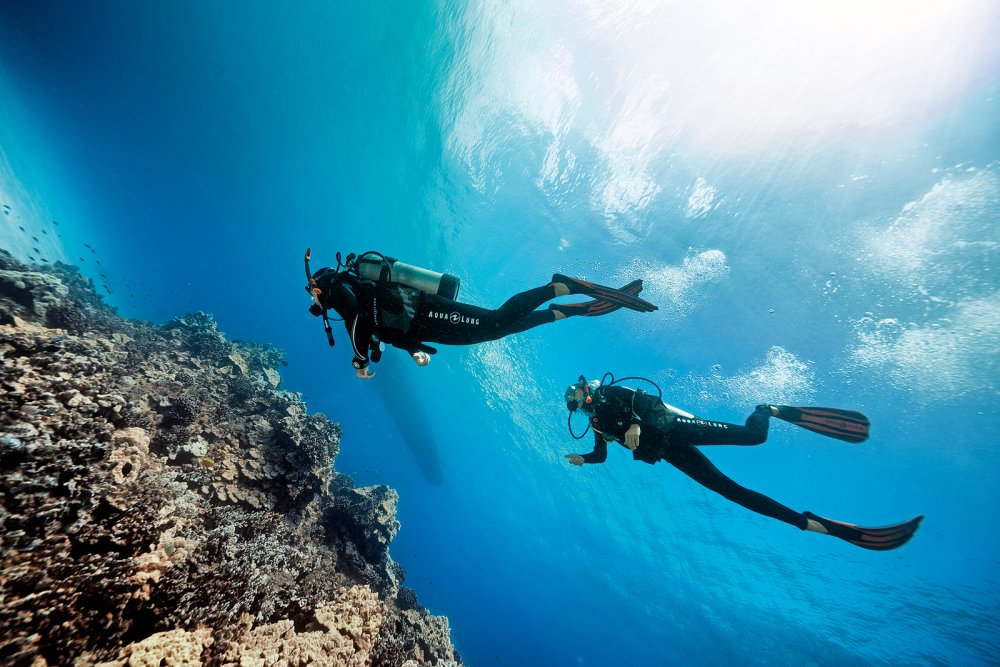
Diving in Tohoku offers a uniquely captivating experience, distinct from the typical tropical scenes. Nestled in the northern region of Honshu, Japan, Tohoku benefits from the confluence of cold and warm ocean currents, creating a rich environment teeming with plankton. This makes it one of the most prolific fishing grounds in Japan, but also a vibrant underwater world for divers. The waters here are home to colorful kelp forests, sponges, and the fascinating, bright orange sea squirts, adding a splash of vivid colors to the typically cooler tones of the region. Divers can explore various environments, from submerged ascidian cultivation shelves to the clear waters around Akiu Otaki Falls in Miyagi Prefecture. Shore dives around Onagawa and other coastal areas reveal a tapestry of marine life, while a boat dive to Tobishima offers an exhilarating encounter with sharks that gather in the spring to spawn. These seasonal spectacles, combined with the well-preserved marine habitats, make Tohoku a compelling destination for those seeking a dive experience rich in biodiversity and natural beauty. Whether you're drawn to shore dives or the thrill of local boat diving, Tohoku provides an exceptional dive experience that stands out in the world of underwater exploration.
Tohoku, located in northern Japan, offers an array of captivating dive sites, ideal for both shore and local boat diving enthusiasts. The region is known for cold-water coastal diving, with rocky reefs, kelp forests, and seasonal marine life offering a distinctive underwater environment to explore. Popular shore dives include the scenic sites around Oga Peninsula, where divers can encounter unique underwater rock formations and kelp forests. Tohoku is also famous for its night dives, offering a chance to witness bioluminescent marine life and nocturnal behaviors of fish. The balance between shore dives and local boat diving options makes Tohoku a versatile destination, catering to various preferences and ensuring all divers find engaging experiences.
Diving in Tohoku offers a diverse experience throughout the year, with water temperatures ranging from 8°C/46°F in winter to 24°C/75°F in summer. The visibility is generally good, averaging between 10 and 20 meters/33 and 66 feet, although it can vary due to seasonal currents and weather conditions. The Kuroshio Current influences the region, bringing warm waters and affecting marine life diversity.
Diving is possible year-round, but the best conditions are typically found from late spring to early autumn. Winter can present challenges due to colder temperatures and stronger winds, especially during January and February. Divers should be aware of local weather patterns, as typhoons and storms can impact sea conditions, particularly in late summer and early autumn.