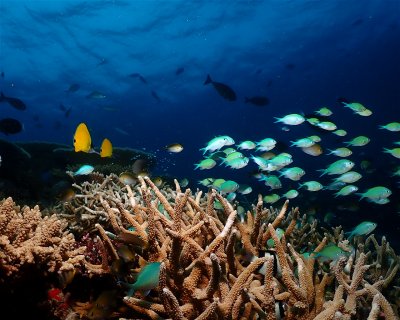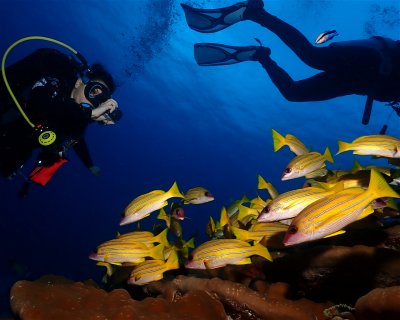
With around 80 different species, the parrotfish comes in almost every color of the rainbow. These wrasse family members are a permanent fixture on coral reefs worldwide, although you will see the most species diversity in the Indo-Pacific. You can go diving with parrotfish on nearly every warm-water coral reef of the world and see them alone, in pairs, or in large schools, depending on the species.
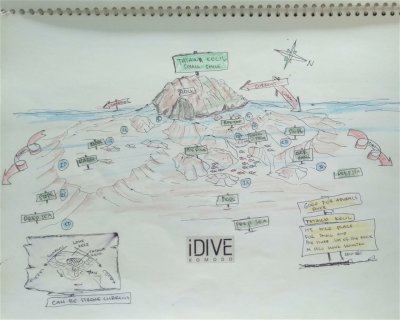
Parrotfish are constantly trolling coral reefs for algae that grow on the coral, essentially cleaning the reef and allowing new coral areas to grow. Parrotfish grid up the coral they do consume with teeth in their throats and excrete it, creating the white sand that the South Pacific is so famous for. To find out where you can go diving with parrotfish, explore the dive site map below.
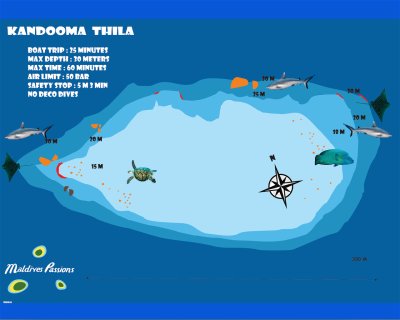
Small Thila directly on the island of Villingilli on the offshore plateau in the direction of the channel between Raa and Baa Atoll. Usually a jump into the blue water east of the Thila above the plateau at the edge for approx. Let drift along 30m towards Thila and then slowly climb up the Thila. Current !!!!
Drift dive along Kudathulhaadhoo Island. Large overhang with soft corals in the west, caves in the middle, and a small bay and the tip in the east is full of fish
Drift dive with the current flowing from the western tip of Kinohlas along the north side towards the small Thila. Lots of fish on the top of the reef, some really nice little overhangs deeper. Experienced divers dive to the thila, beginners stay over the overhangs and slowly ascend the Sandy Slope
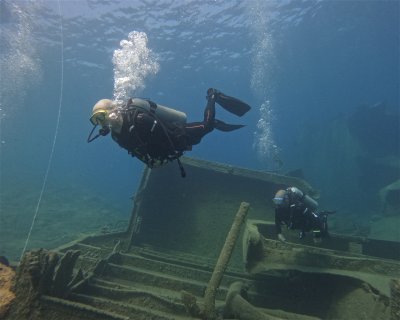
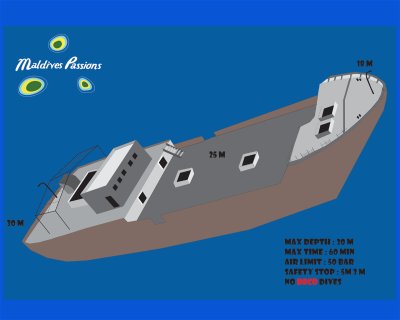
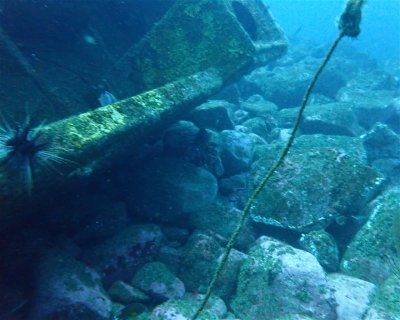
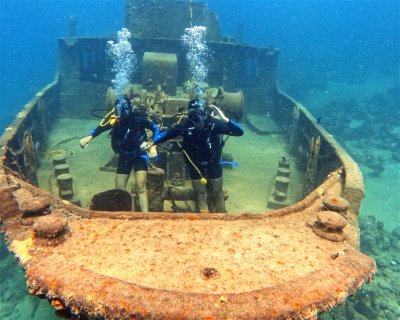
An easy dive site which is ideal for open water dives 3 and 4 OWD, but also offers nice macro stuff. You can find them at the mini wreck or the cargo that lies around the hull on the ground (16-19m). A little further out west (20m) we find a small thila.
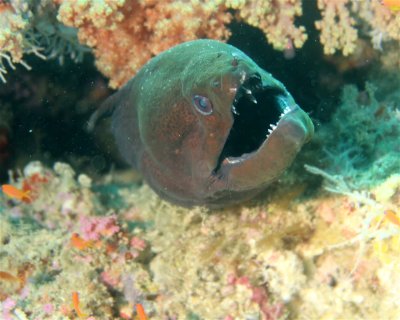
A small reef with many different types of colorful coral. The reef roof is at a height of 6m and has a diameter of approx. 20m, at a depth of 25m it should be approx. 50m. On the west side an overhang with soft corals, further deeper a gap with giant moray eels and cleaner shrimp.
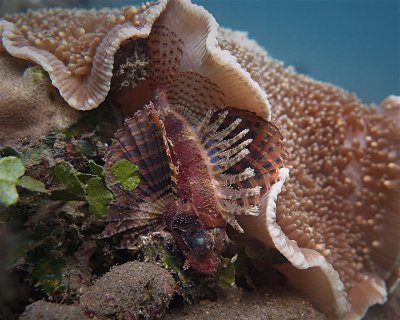
That an depth of 11 meters there is a boat shaft covering an area of one acre. The shipwreck hosts tropical marine life such as lionfishis diving point is 13 miles from the base of Mare Sud and is accessible by boat and by car. It is a sandy beach with a maximum depth of 12 meters. At 150 meters off the coast and