An octopus has eight arms with suction cups which it uses as powerful tools for hunting prey, defense against attackers, and locomotion along the seafloor. They are one of the most fascinating marine animals on the planet. Every octopus has a designated “arm“ that it favors and uses most often. Because they have no inner skeleton, they are extremely mobile and can slip through the narrowest gaps and holes. Some species can even survive and move on land for a short time. Scuba diving with an octopus is an amazing and rewarding experience.
Octopuses are highly intelligent animals. They can perform complex tasks such as unscrewing jars and using tools. Their most amazing feature, however, may be their ability to adapt to any environment by changing their color and surface texture in an instant. They are truly the masters of camouflage. Go diving with octopuses and you’ll encounter firsthand how interesting and incredible these animals really are. But move slowly, they are very shy. Click here to discover where you can dive with the different kinds of species around the world like the giant Pacific octopus or the blue-ringed octopus.
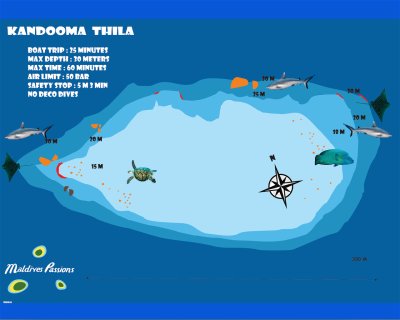
Great thila with many small overhangs that often serve as shelter for rays, nurse sharks and turtles. Soft corals and extremely many anemones !! Due to its location in a canal, a current must always be expected. We, therefore, recommend having experience with currents or a * special * dive.
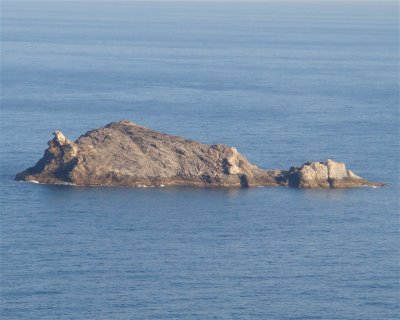
Probably the best dive in the Mediterranean, it combines the spectacular protected marine life of the Islas Hormigas Reserve and the remains of contemporary wrecks from the 19th and early 20th century, spread over the slopes of the seamount, from depths of over 54m to a comfortable decompression at 6m on the top.
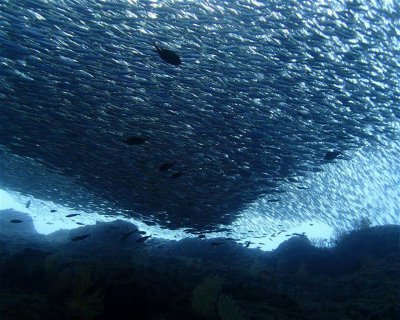
A simple, mostly calm dive site.Very suitable for the first boat dive since the beginning lighter sandy bottom.Big blocs with schooling fish of different species are here encountered. The reef falls on very slowly from 2m down to about 11m and then aplateau run out at a depth of 20-24m.
From November / December to the beginning of May one of the best manta spots in the Maldives! Also suitable for beginners! But not only mantas are sighted here. Lots of pelagic delicacies can be discovered with a bit of luck. Can have a stronger current, but easy to dive.
Because of its current, BKT is reserved for experienced divers or is dived in times of low current. Not far from BBT, the rock rises to a depth of 16m. The south side has a nice plateau at 25m and then drops off steeply to 40m. Cleaning station for gray reef sharks!
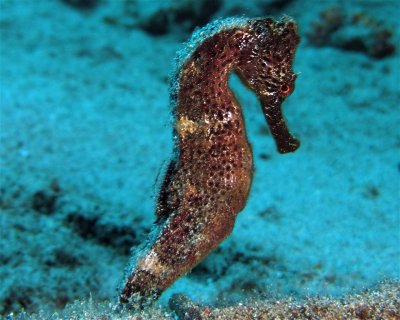
Great challenging reef that consists of 2 thilas. The eastern Thila is not that big and is circled in 25 to 30 minutes then you fly about. 120m to the 2nd thila. Here it goes down again to look for a frogfish. Between November and April mantas and mobulas possible.