Koh Bida Nok (★4.7)
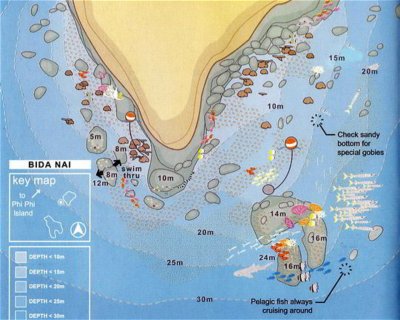
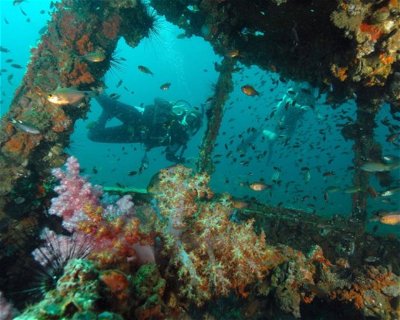
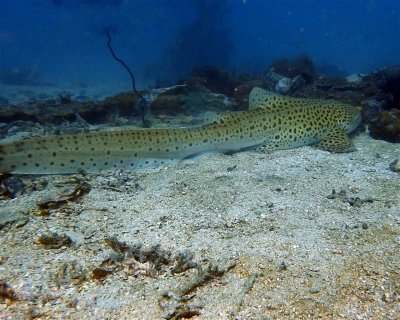
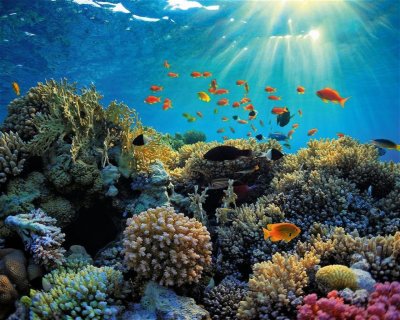
This is one our favourite dive sites since it has the widest range of wildlife. The reef gently slopes down from the island apart from the wall at the south west which drops 22-26 meters.
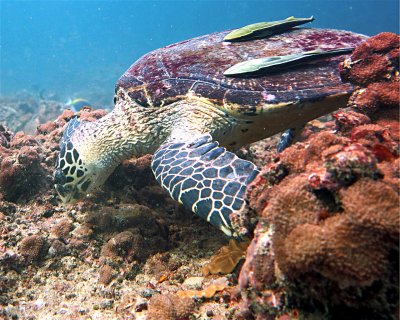
One of the most distinct sea turtle species, the flatback sea turtle is easily identifiable by its flat, smooth, oval shaped shell covered in a wax-like substance. Flatbacks are olive-green in color with yellow tones on its belly and flippers. They are the only species that do not migrate large distances, preferring to stay within its limited population range. In fact, they have the second smallest distribution around the world, next to the Kemp’s ridley, found only in the northern coastal region of Australia’s Pacific waters and the Gulf of Papua, New Guinea.
Even though you may have to travel far to be able to dive with a flatback sea turtle, the good news is that they primarily inhabit popular dive sites like coastal coral reefs and shallow grassy areas. The flatback is an omnivore and eats a wide variety of prey such as soft coral, jellyfish, sea cucumbers, small fish, seaweed, and molluscs. To dive with these unique looking animals in their natural habitat, click on the map below to explore the most popular areas where they are sighted.