


LE DODO PALMÉ
97420 LE PORT
Reunion
Frequently Serviced Dive Sites
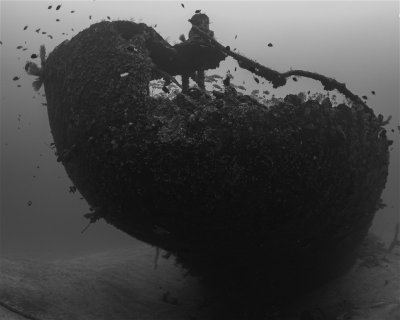
★★★★☆ Haï Siang, wreck
This wreck, or ‘wild pig’ in French, is a Taiwanese lobster boat that was deliberately sunk in the 1980s. The descent into the blue will give you a glimpse first of the mast and then, a bewitching sight, of the wreck in its entirety, lying flat on the white sand.
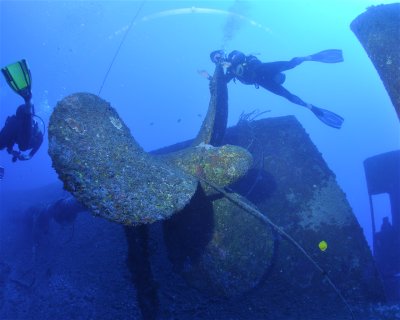
★★★★☆ Sea Venture
On 16 November 1981, with a crew of 26 on board and loaded with timber, the Sea Venture was waiting in the Bay of Saint Paul for a berth to become available in the Port of La Pointe des Galets. Already damaged by bad weather and destabilised by its cargo, the ship ended up taking on water and sinking opposite the
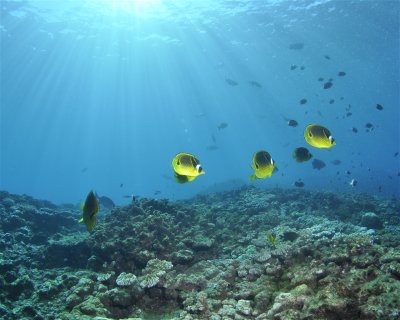
★★★★☆ Canyon
A must-see site. This dive site is suitable for all levels. It is made up of ancient lava flows, colonized by coral. It’s a photographer’s delight, with both macro and wide-angle shots.
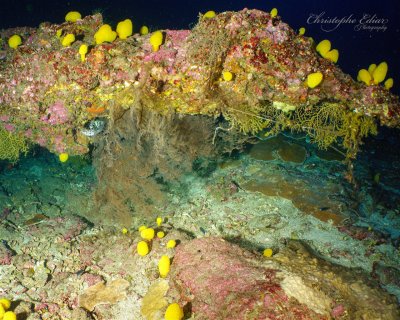
★★★★☆ sankuba
Sankuba is a deep site, located at a depth of 60 meters off Saint-Paul Bay, offering intense deep-sea sensations. It is ideal for Extended Range technical training and advanced dives.
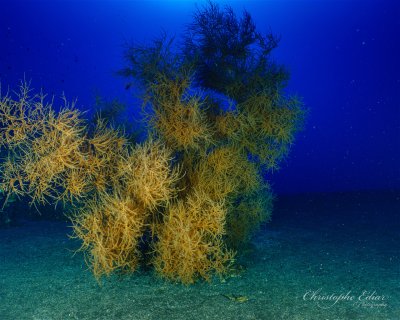
★★★★☆ Corail Noir
On this dive site, an enormous tree of black coral, similar to a fir tree, is planted at a depth of 56 meters in the black sand. The site is vast, consisting mainly of three large rock formations, some of which are fissured, providing shelter for marine life.
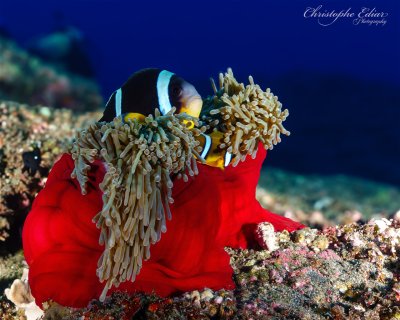
★★★★☆ Vallée aux Mérous
A direct descent into the blue towards a grey sandy bottom. You’ll see a beautiful 48m-deep rift, large gorgonians sheltering a colony of groupers, and schools of pufferfish. A deep dive that can be made difficult by the current.
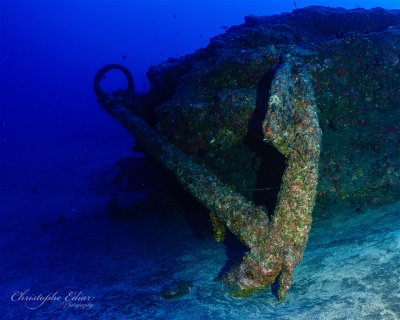
★★★★☆ Roches Merveilleuses
Les Roches Merveilleuses is a deep dive site located between 47 and 53 meters. This vast site, whose name reflects the diversity of its flora and fauna, is adorned with large gorgonians. In the second part of the site, you can find an enormous anchor, 6 meters long, lying on its side.
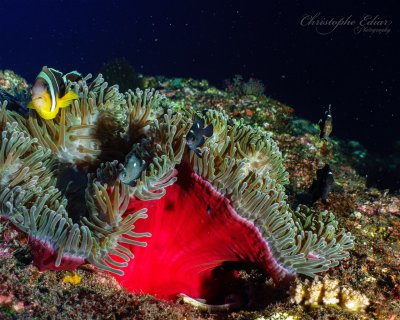
★★★★☆ Petites Gorgones
The “Petites Gorgones“ is one of the few sites on Réunion Island where you can see gorgonians at a depth of 20 metres. The site is a veritable labyrinth of rocks and coral reefs set against a backdrop of white sand. The site is ideal for underwater training and exploration.
Available Services in the Dive Center
Programs
Dives
Gas Fills
Rental
Payment Method
Opening Hours
| Monday | --- |
| Tuesday | 08:00 - 18:00 |
| Wednesday | 08:00 - 18:00 |
| Thursday | 08:00 - 18:00 |
| Friday | 08:00 - 18:00 |
| Saturday | 08:00 - 18:00 |
| Sunday | 08:00 - 08:00 |
Opening Hours
| Monday | --- |
| Tuesday | 08:00 - 18:00 |
| Wednesday | 08:00 - 18:00 |
| Thursday | 08:00 - 18:00 |
| Friday | 08:00 - 18:00 |
| Saturday | 08:00 - 18:00 |
| Sunday | 08:00 - 08:00 |