Balicasag
Balicasag is a small island off the coast of Panglao Island, which is in the Bohol Sea. Located in t

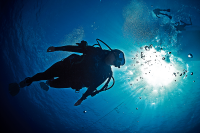
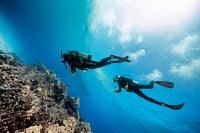
Panglao, nestled in the Bohol Sea within the central Visayas region of the Philippines, promises an exceptional diving experience enriched by its remarkable marine biodiversity. This vibrant island is renowned for its healthy, thriving coral reefs, which serve as a bustling hub for a myriad of marine species. Indeed, the underwater biodiversity here surpasses that of Japan and the Mediterranean combined, offering divers a chance to explore a colorful underwater world teeming with life.
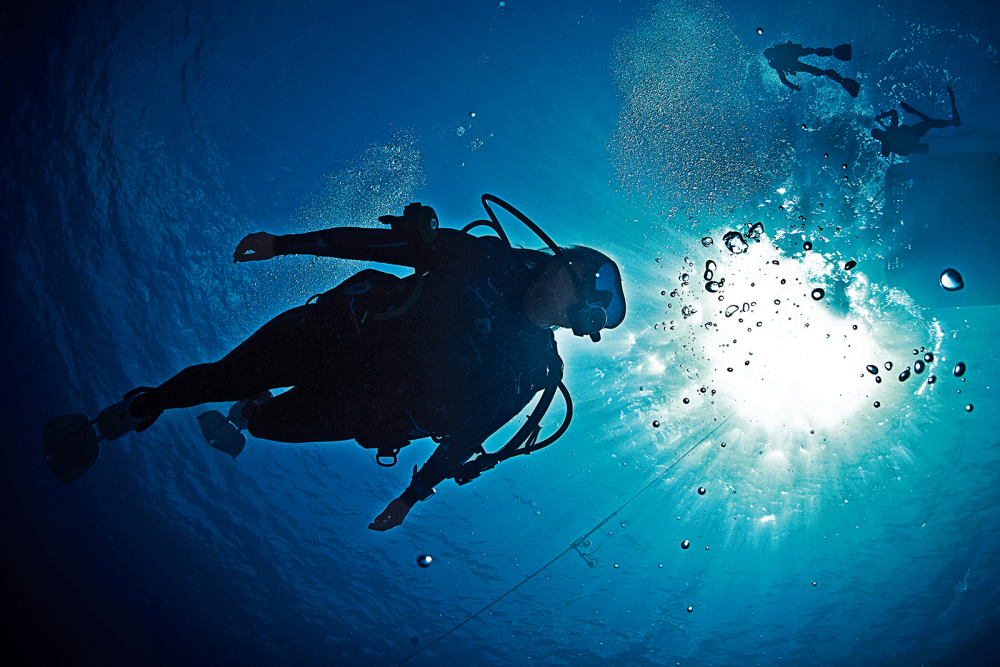
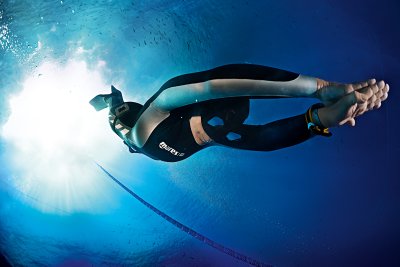
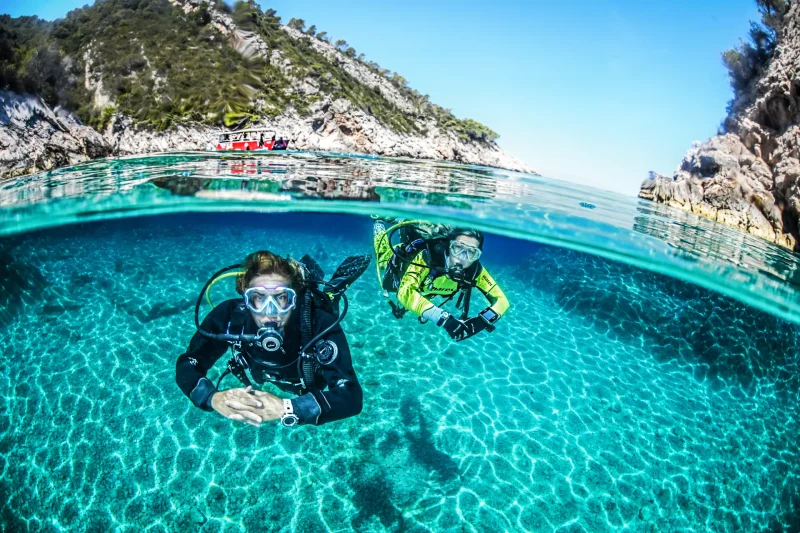
Diving in Panglao caters to a variety of preferences with options ranging from exhilarating wall dives to intriguing muck and wreck dives. Each dive unveils a new facet of Panglao’s underwater treasures, ensuring that both novice and experienced divers find something captivating. The island's popularity as a dive destination is further enhanced by the abundance of dive centers, making it an ideal spot for those looking to undertake dive courses. With such diverse and spectacular offerings, Panglao stands out as a must-visit destination for diving enthusiasts seeking unforgettable adventures beneath the waves.
Panglao offers lots of different dives, most of which are suitable for beginners. The oceans are warm, calm and clear and many dive sites are shallow enough to cater to open water divers. There are wreck dives and deeper walls for the more adventurous divers and muck dives for those hunting for macro.
There are many dive centers to choose from on Panglao, all of which do dive courses. There are also a few dive resorts which offer dive and stay packages. Though there are no dedicated liveaboards operating in Panglao, there are a few which pass through this area.
Panglao can be dived all year round due to its constant warm air and water temperatures. Despite this, the best conditions for diving are found from February to May when the rainfall is lowest and the seas are calmest.
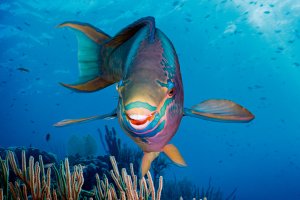
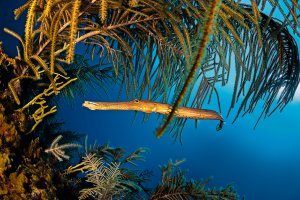
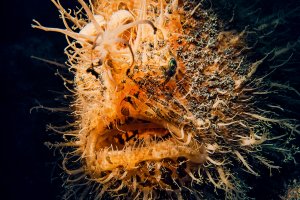
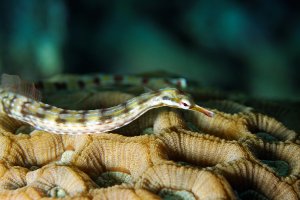
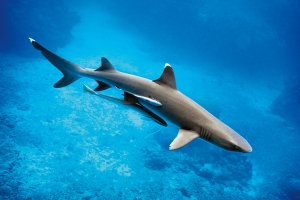
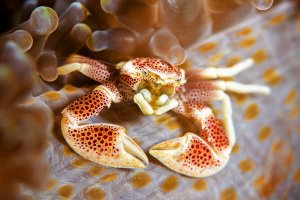
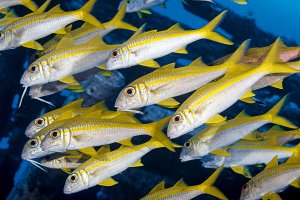
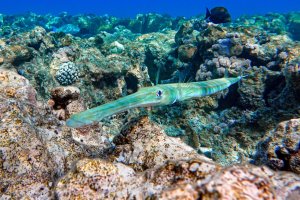
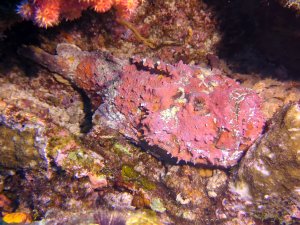
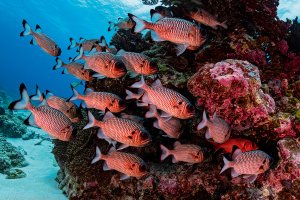
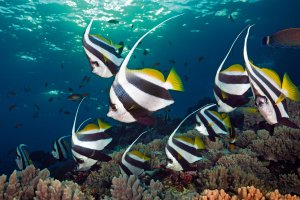
The healthy reefs of Panglao play host to many varieties of hard and soft corals which provide homes for lots of marine animals. Looking deep into the reef you might find frogfish, seahorses and even a super rare blue ring octopus. In the blue, you can see school of mackerel, fusiliers and barracuda as well as bigger fish like tuna, trevally and reef sharks. In the deeper waters in spring time, you might even be lucky enough to spot hammerheads, dolphins, pilot whales, whale sharks and manta rays!
Wildlife Sightings are Based on User Generated Content
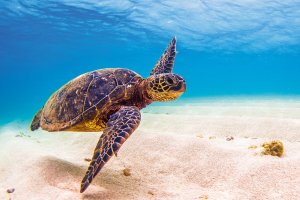
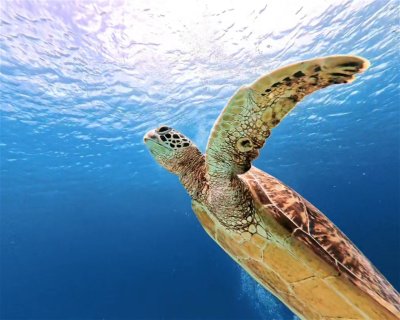
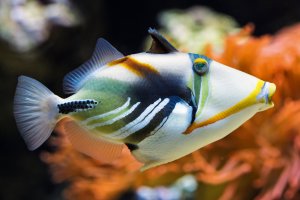
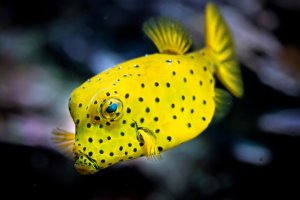
The image shown is a representative illustration and does not depict every individual animal in this category.
Total number of species approx.: 200
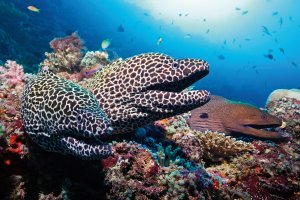
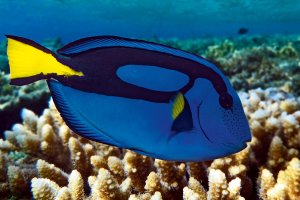
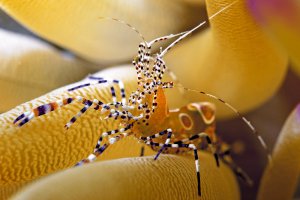
The image shown is a representative illustration and does not depict every individual animal in this category.
Total number of species approx.: 27
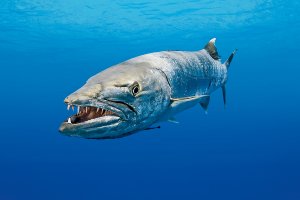
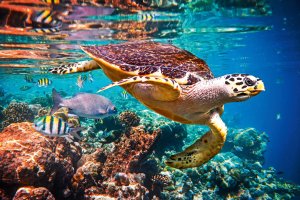
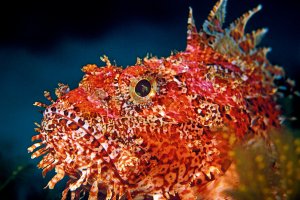
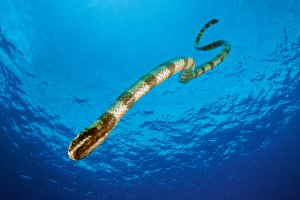
The image shown is a representative illustration and does not depict every individual animal in this category.
Total number of species approx.: 28
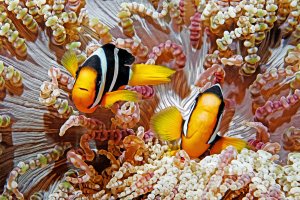
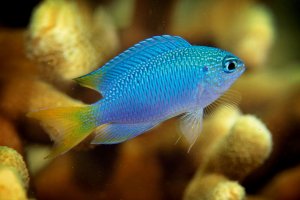
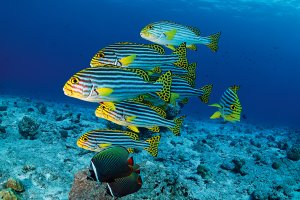
The image shown is a representative illustration and does not depict every individual animal in this category.
Total number of species approx.: 90
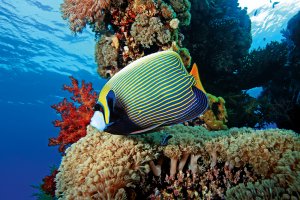
The image shown is a representative illustration and does not depict every individual animal in this category.
Total number of species approx.: 12
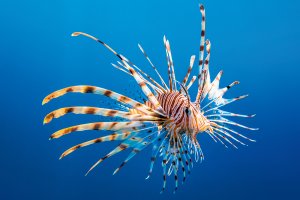
The image shown is a representative illustration and does not depict every individual animal in this category.
Total number of species approx.: 130
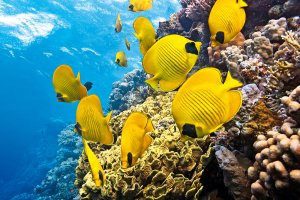
The image shown is a representative illustration and does not depict every individual animal in this category.
Total number of species approx.: 130
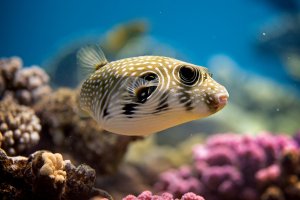
The image shown is a representative illustration and does not depict every individual animal in this category.
Total number of species approx.: 8
Curated by Interest
Mares
Aqualung
Shutterstock-Zi Magine
Mares-Predrag Vuckovic
Scubapro
Shutterstock-Ethan Daniels
Mares-Predrag Vuckovic
Mares-Bjoern Dorstewit

This package includes three recreational dives exploring the beautiful coral reefs near Alona Beach in Panglao, Bohol.Enjoy a leisurely and relaxing dive in the clear, warm wate...
Show Offer
This package includes two fun dives exploring beautiful coral reefs near Alona Beach in Panglao, Bohol.Enjoy a leisurely and relaxing dive in the clear, warm waters of Bohol whi...
Show Offer
This package includes three recreational dives exploring the beautiful coral reefs near Alona Beach in Panglao, Bohol.Enjoy a leisurely and relaxing dive in the clear, warm wate...
Show Offer
This package includes two fun dives exploring beautiful coral reefs near Alona Beach in Panglao, Bohol.Enjoy a leisurely and relaxing dive in the clear, warm waters of Bohol whi...
Show Offer
This package includes three recreational dives exploring the beautiful coral reefs near Alona Beach in Panglao, Bohol.Enjoy a leisurely and relaxing dive in the clear, warm wate...
Show Offer
This package includes two fun dives exploring beautiful coral reefs near Alona Beach in Panglao, Bohol.Enjoy a leisurely and relaxing dive in the clear, warm waters of Bohol whi...
Show Offer