The puffer fish is named after its ability to inflate itself like a ball in danger or stress. They pump water into a sac-like enlargement of their stomach, causing them to deform into a ball. This change in volume makes it almost impossible for predatory fish to swallow the puffer fish and it can even suffocate them. If this stress reaction is caused willfully by divers, puffer fish can sometimes inadvertently suck in breathing gas from divers, which leads to them being buoyant and floating helplessly on the surface. This usually ends fatally for the animal. They are rarely eaten by predatory fish, but dolphins have been observed to get intoxicated on these animals by chewing lightly on them, which causes the puffer fish to release small doses of the strong neurotoxin tetrodotoxin. This poison is fatal to humans and no antidote is known; ironically, however, in Japan puffer fish is considered a delicacy called fugu. However, people’s curiosity about this questionable delicacy leads to accidents every year.
There are more than 120 species of puffer fish worldwide. Most can be found in tropical and subtropical regions. However, species have already penetrated the Mediterranean through the Suez Canal. They are shy animals that swim slowly but are incredibly agile. As a rule, they avoid divers and snorkelers, but can be easily observed, for example, at cleaning stations or during twilight / night dives. Diving with the cute looking fish is very enjoyable but is unlikely to be seen in their “inflated“ state. They are not dangerous to the diver unless they are touched. The fish are excellent at defending themselves with their sharp teeth. Click here to find the best areas around the world to dive with these cute but defensive fish.
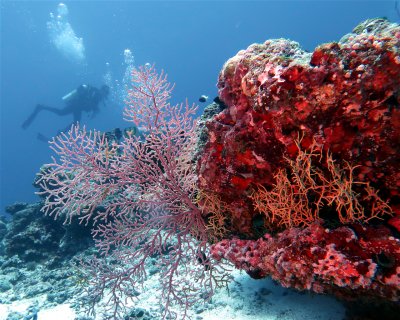
One of the most colorful dive sites in North Male Atoll. On the south side of Girifushi island with abundant fish life and very nice soft corals, there are numerous blue soft corals and a swim through. The current can be strong!
This amazing reef are 3 blocks. The biggest begins in the south between 80-100m long and it's full of corals, it would be nice we can start here. In the east we have another wonderful block a bit similar to east block Maya Thila covert full with corals. In the north is the smallest block. AOW or higher
Easy but always nice dive. The top of the reef drops down from 7m to 30/35m and then runs into the sand. Depending on the current, you simply dive the right or left shoulder. With a little luck, this dive site offers everything that makes diving exciting!
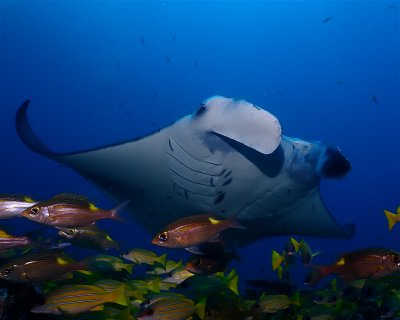
Kani Corner is basically a slope that goes to 25 - 30 m in a sandy bottom. There are some big blocks this deep and at the right time, mantas visit the blocks or pass by the top of the reef. The current can be strong so take caution.
One of the top macro dives anywhere! Scattered ruins and columns are coral encrusted and provide habitat for many types of shallow sea life. The pier is 1526ft/465m long so lots to discover with a gradual westerly decline. Perfect for snorkeling & non-certified divers too.
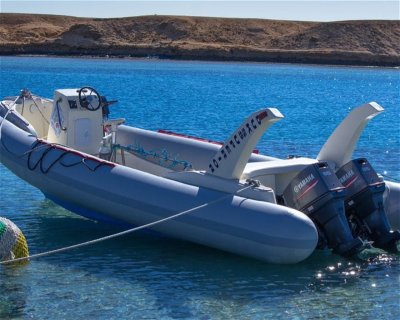
Narrow entrance with a sandy bottom. Nice coral. A good dive site to make drift dives from the zodiac on the North Anemone City. Good for experienced and beginner divers.