Erlaufsee
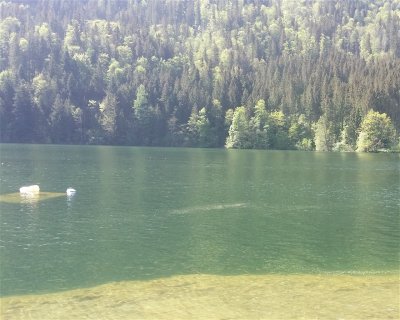
Countless flooded trees, a steep wall, and an abundance of fish that you can expect in the Erlaufsee.
 © iStock/RudyBalasko
Lower Austria, or Niederösterreich, is a hidden gem for freshwater diving enthusiasts, nestled in the scenic foothills of the Alps. This region, renowned for its cultural richness and breathtaking landscapes, offers divers a unique opportunity to explore a different side of Austria. The area features crystal-clear lakes, mysterious caves, and tranquil mountain reservoirs that are perfect for both recreational and technical diving adventures.
The lakes here, such as Lunzer Mittersee, are particularly noteworthy for their mesmerizing transparency, owed to the numerous spring funnels that inject ice-cold, clean water. The astonishing visibility makes every dive an exploration of underwater beauty. Sites like Achensee and Erlaufsee provide not just exceptional views but also a serene diving environment, often enhanced by the stunning alpine backdrop. Whether you're into cave diving or altitude diving, the natural and untouched beauty of these sites, combined with the warm hospitality of the locals, make Niederösterreich a true diving paradise. Embrace the chance to uncover the secrets beneath the serene waters of Lower Austria, where each dive promises an unforgettable adventure.
Lower Austria offers several intriguing freshwater dive sites for enthusiasts. One of the notable spots is the Erlaufsee, a pristine mountain lake perfect for shore diving. It provides crystal-clear waters where divers can explore underwater landscapes marked by rocky formations and sunken trees. The diversity of aquatic life, including trout and perch, adds to the underwater experience.
Another dive location is the Lunzer See, known for its quarry diving opportunities. Its submerged cliffs and varying depths cater to both novice and experienced divers. The lake's unique geological features combined with sightings of freshwater fish make it a captivating dive. These sites in Lower Austria offer a blend of natural beauty and underwater adventure, ideal for dive travelers seeking both relaxation and exploration.
In Lower Austria, freshwater diving conditions vary with the seasons, impacting water temperatures, visibility, and accessibility. From spring to early autumn, water temperatures range from 10°C–20°C/50°F–68°F, providing comfortable diving conditions. Visibility is generally good, ranging from 5 to 15 meters/16 to 49 feet, depending on recent rainfall and water flow in local lakes and rivers.
Winter months bring colder temperatures, often dropping below 4°C/39°F, with some water bodies developing ice cover, affecting accessibility. While ice diving is possible for experienced divers, it requires specialized equipment and training. The best months for diving are between May and September when temperatures are mild, visibility is optimal, and aquatic life is more active. However, be aware of increased tourist activity during peak summer months, which may affect dive site availability.
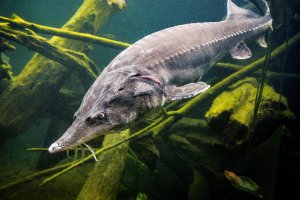
Lower Austria offers diverse freshwater wildlife experiences for divers. Typical fish species found in its lakes and rivers include perch, pike, and carp. These species are commonly encountered due to their prevalence and adaptability to various aquatic environments. Catfish and sturgeon are also notable inhabitants, offering exciting sightings for divers seeking unique encounters.
Visibility, depth, and seasonal changes significantly influence wildlife observations. In spring, spawning activities occur, providing opportunities to witness fish behavior. Clearer waters in late summer and early autumn enhance visibility, making it easier to spot elusive species like catfish resting near the bottom or sturgeons gliding gracefully. Dive conditions vary, so planning trips around these factors can enhance the experience and increase the chances of memorable encounters.
Wildlife Sightings are Based on User Generated Content
The image shown is a representative illustration and does not depict every individual animal in this category.
Total number of species approx.: 3
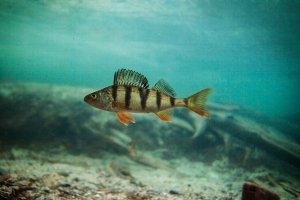
The image shown is a representative illustration and does not depict every individual animal in this category.
Total number of species approx.: 5
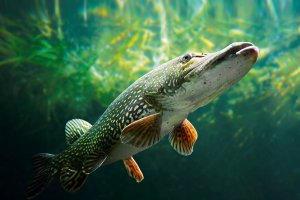
The image shown is a representative illustration and does not depict every individual animal in this category.
Total number of species approx.: 30
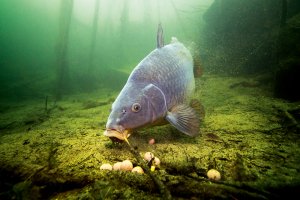
The image shown is a representative illustration and does not depict every individual animal in this category.
Total number of species approx.: 19
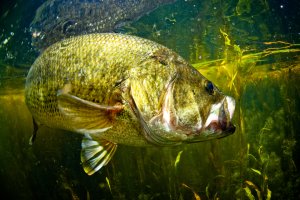
The image shown is a representative illustration and does not depict every individual animal in this category.
Total number of species approx.: 5
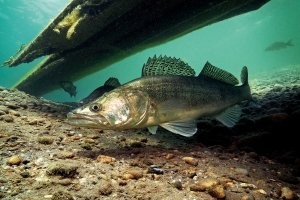
The image shown is a representative illustration and does not depict every individual animal in this category.
Total number of species approx.: 3000
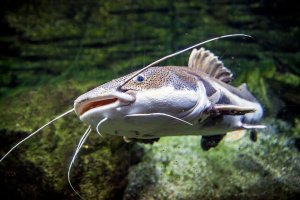
The image shown is a representative illustration and does not depict every individual animal in this category.
Total number of species approx.: 35
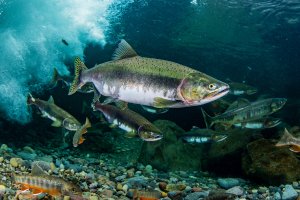
The image shown is a representative illustration and does not depict every individual animal in this category.
Total number of species approx.: 16
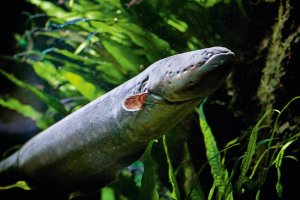
The image shown is a representative illustration and does not depict every individual animal in this category.
Total number of species approx.: 27
Curated by Interest
Mares
Aqualung
Shutterstock-Zi Magine
Mares-Predrag Vuckovic
Scubapro
Shutterstock-Ethan Daniels
Mares-Predrag Vuckovic
Mares-Bjoern Dorstewit

React Right - Course Combination (FA, CPR, AED, O2)React Right is SSI’s emergency course for first responders and teaches the knowledge and practical skills needed to act ap...
Show OfferWith the SSI Try Scuba course you can experience your first unforgettable breaths underwater. With an instructor at your side, you can dive in confined water without any worries...
Show OfferYou’re about to embark on one of the greatest adventures of your life. By deciding to learn to dive, you’re embarking on an exciting journey that will show you the world fro...
Show OfferThis certification is recognized worldwide and is the best way for a certified diver to embark on an adventure that will stay with you for the rest of your life. The combinati...
Show OfferWith the SSI Try Scuba course you can experience your first unforgettable breaths underwater. With an instructor at your side, you can dive in confined water without any worries...
Show OfferWith the SSI Try Scuba course you can experience your first unforgettable breaths underwater. With an instructor at your side, you can dive in confined water without any worries...
Show Offer
React Right - Course Combination (FA, CPR, AED, O2)React Right is SSI’s emergency course for first responders and teaches the knowledge and practical skills needed to act ap...
Show OfferDo you dream of working as an instructor and traveling the world? With this globally recognized certification, you can work in over 130 countries—anywhere SSI Training Centers...
Show Offer
Are you a scuba diving professional with another training organization looking to take your career to the next level? This onboarding process allows you to become an SSI prof...
Show Offer
Have you always wanted to experience what it feels like to explore the underwater world in complete silence and without any distracting bubbles? With our introductory dive / com...
Show OfferExplore further than ever before and learn how to dive in the most demanding underwater environments. The SSI Cave Diving program teaches adventure seekers the correct procedure...
Show Offer