Northern South Malé
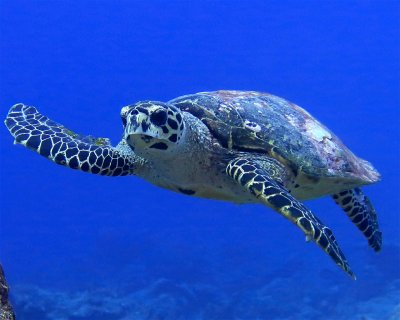
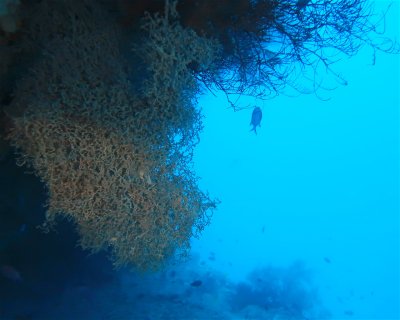
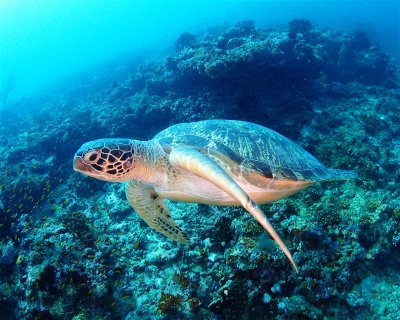
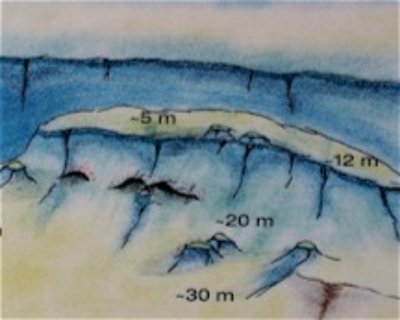
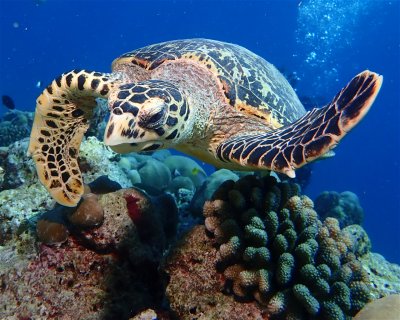
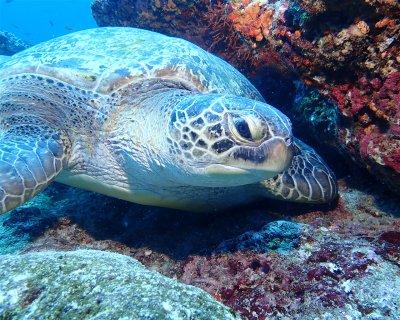
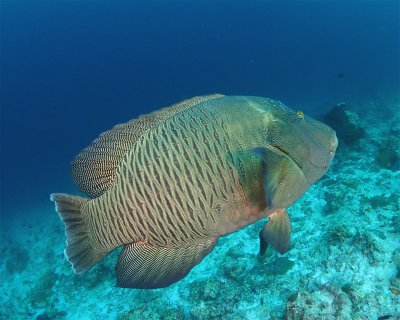
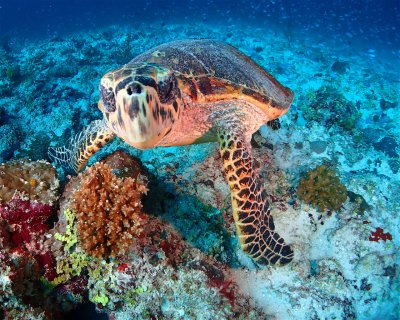
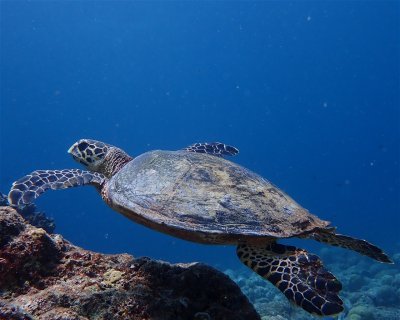
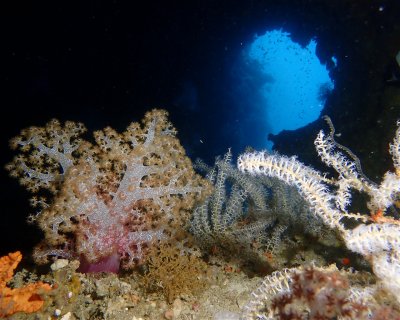
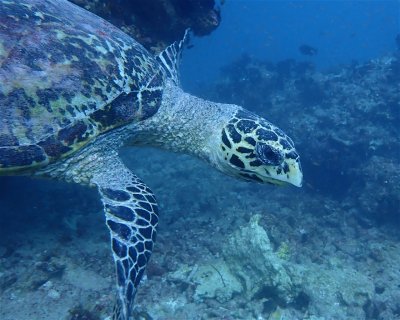
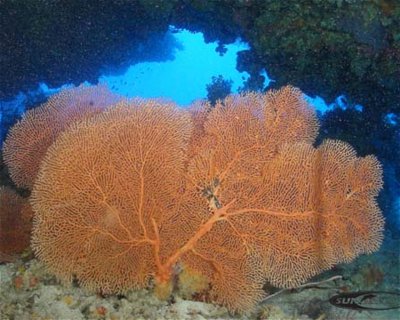
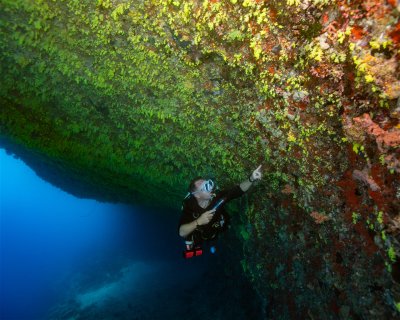
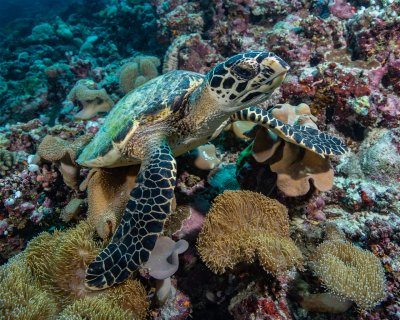
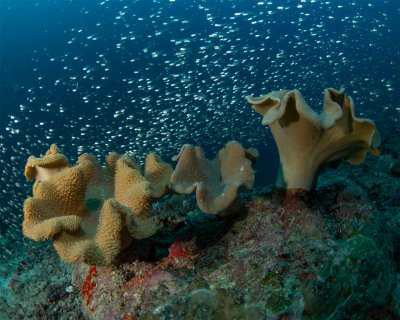
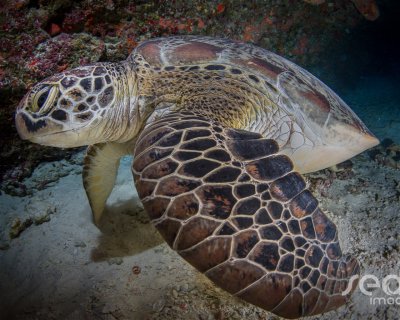
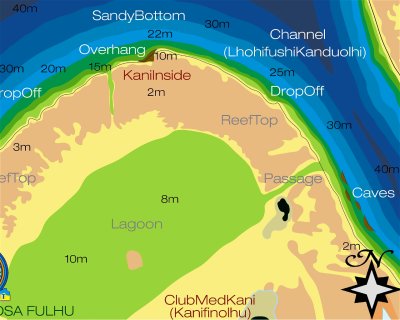
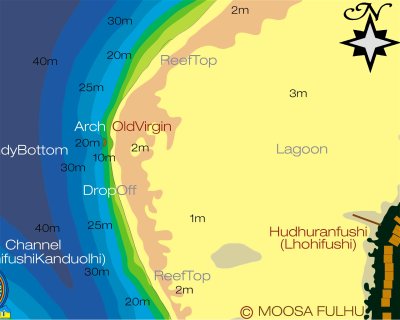
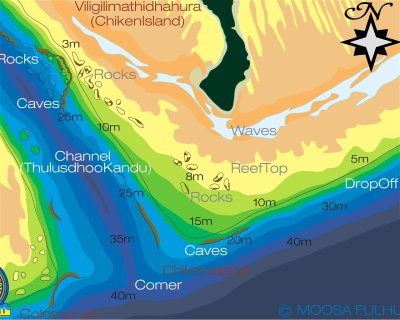
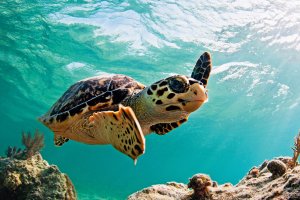
On the northern side of the South Male area is the Vadhoo Caves where you can explore the great assortment of marine life like unicornfish or turtles.
Malé, located in the Central Atolls, is the bustling capital city of the Maldives. As the only airport in the Maldives with international flights, it is the epicentre of the archipelago. It is also one of the most densely populated cities on earth. It is located on the southern edge of North Malé, or Kaafu, Atoll. Because space is at such a premium, a nearby island called Hulhumalé has been reclaimed to provide more room.
It is the most easy-to-access part of the Maldives for tourists so it is unsurprising that there are lots of liveaboards, dive centres and dive resorts within easy reach. Most liveaboards that go and explore other atolls leave from here. It is also some of the most well established diving, as it is so close to the capital.
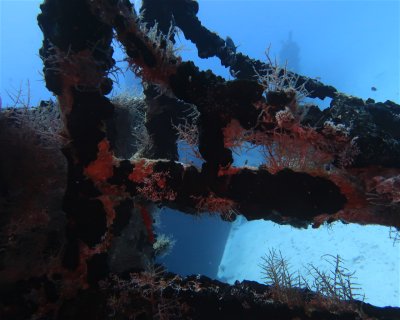
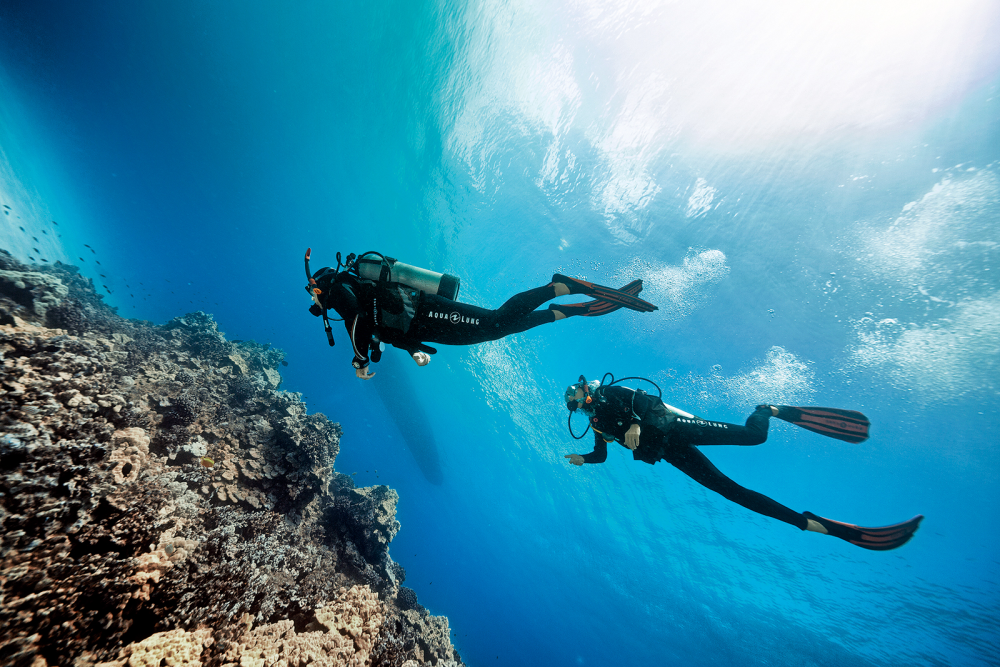
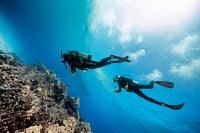
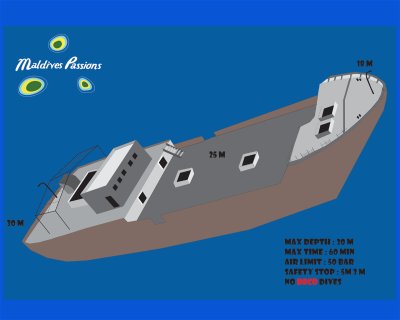
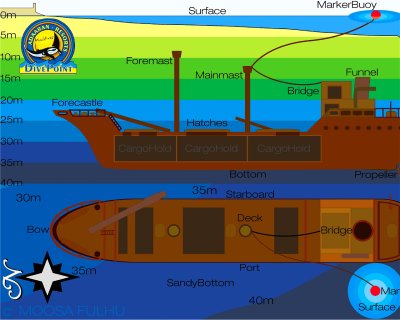
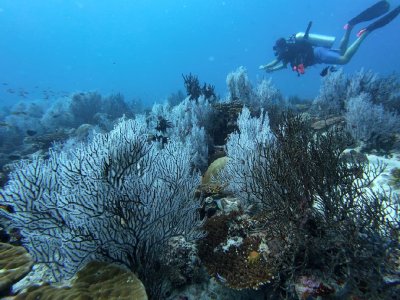
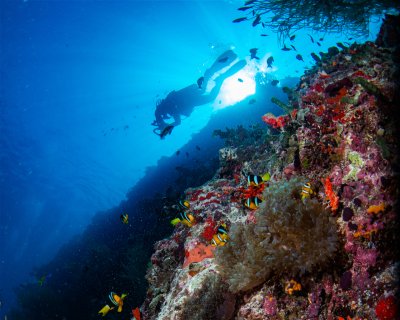
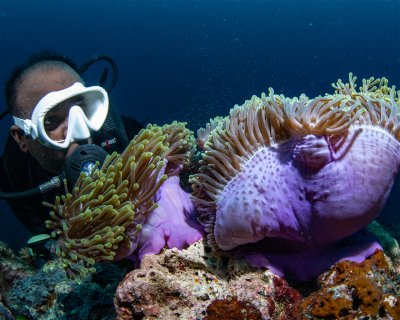
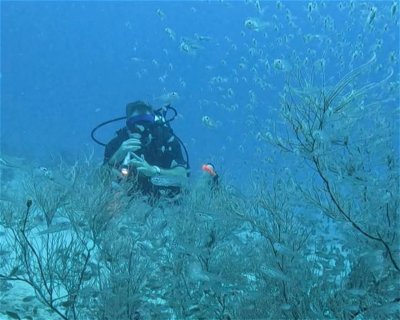
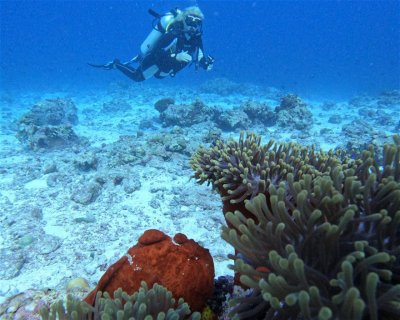
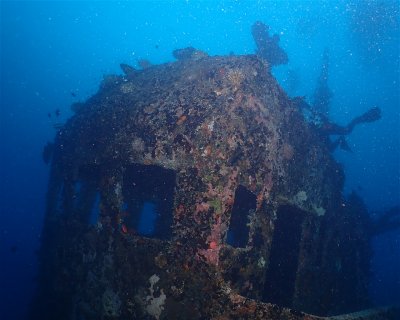
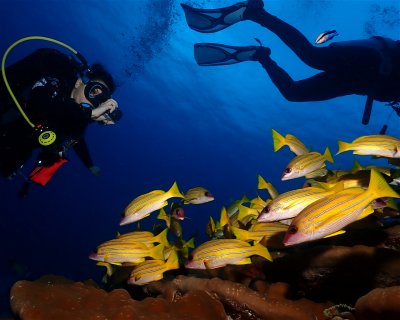
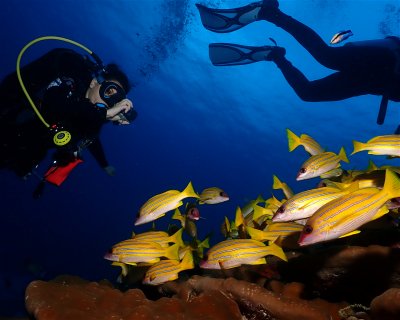
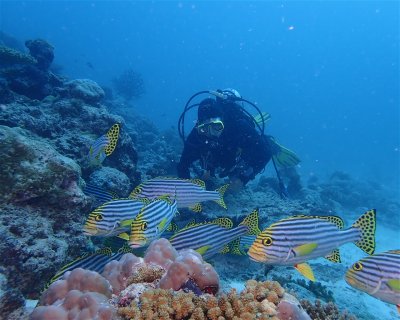
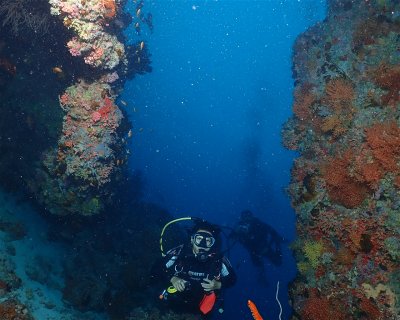
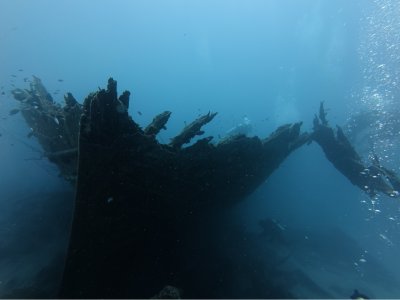
Diving in Malé is characterised by submerged pinnacle reefs (thilas), caves, swim throughs, channel (kandu) drift dives and even some wrecks. Almost all liveaboards leave from here, meaning you have a wide selection to choose from. If you want to dive a lot and see as many sites as possible, this may be your best option. There are several dive resorts on nearby islands if you wish to stay close to the capital. There are also plenty in the wider Kaafu Atoll if you wish to go further afield. There are a couple of dive centres on the island itself, perfect if you want to do a dive course while staying in the city with even more on Hulhumalé.
Malé enjoys constant temperatures all year round, with the water temperatures rarely dropping below 27°C/81°F. There are two distinct seasons—the rainy and the dry. During the dry season (December–April) the winds are almost nonexistent, the seas are calm, and the visibility is often 40 meters/131 feet or more. This is the best time to dive, but it is also the most expensive time.
The rainy season from June–November brings higher winds (and rougher seas as a result) with more rain, though there is plenty of sunshine as well! The winds bring in plankton, which decreases the visibility, but it does attract manta rays and whale sharks! Also, the prices go down during this season as it is less busy.
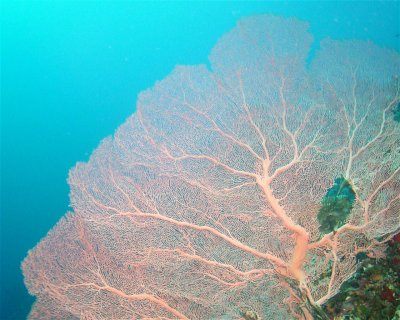
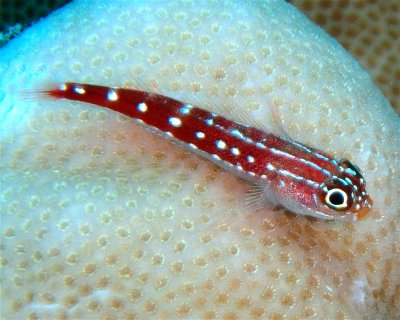
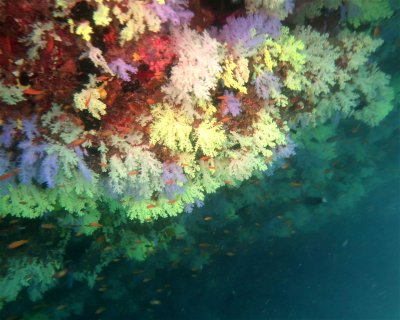
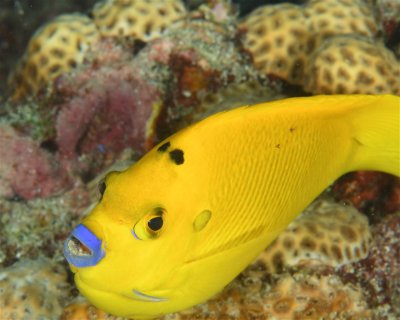
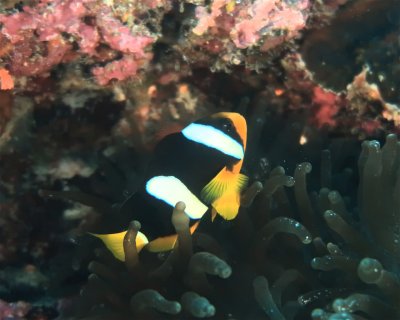
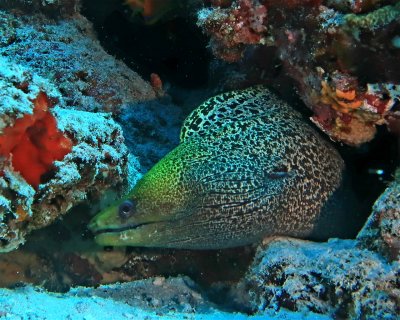
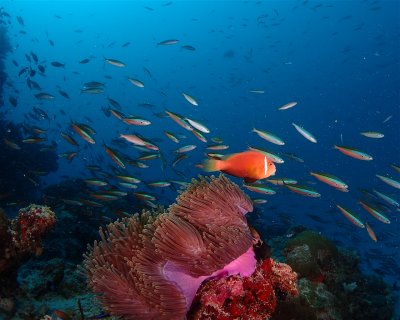
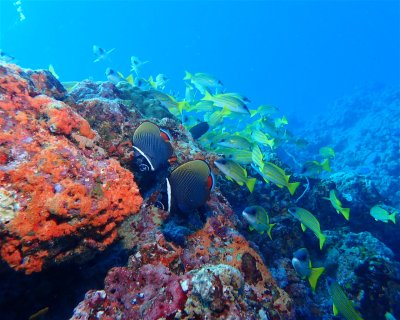
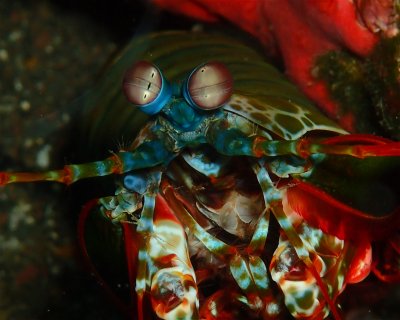
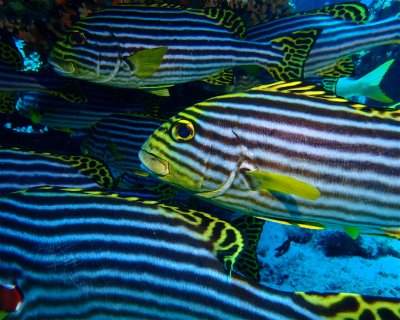
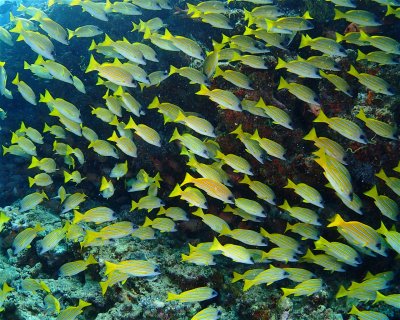
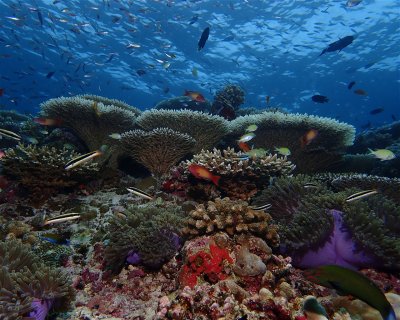
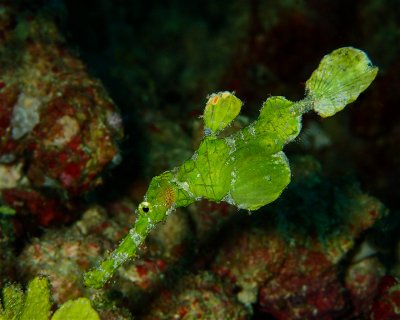
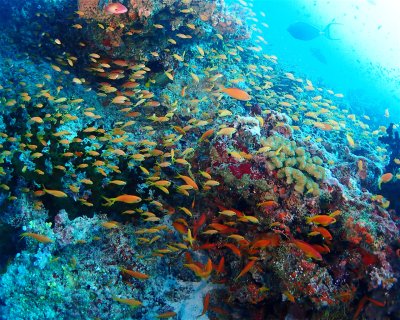
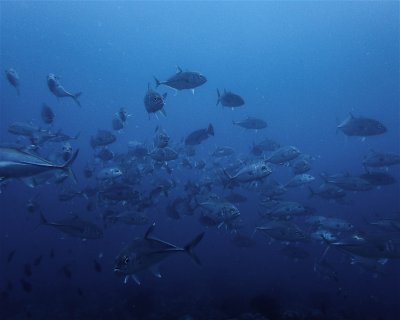
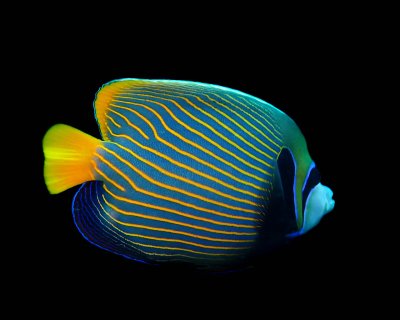
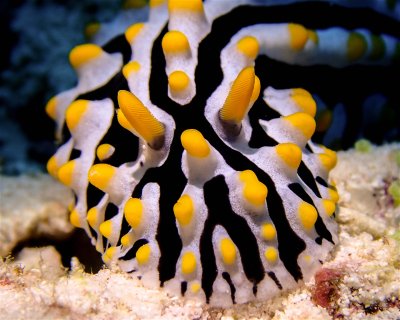
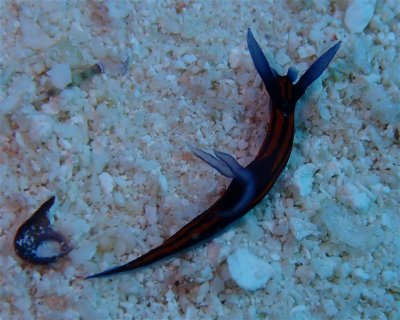
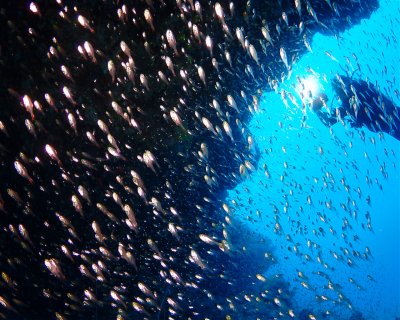
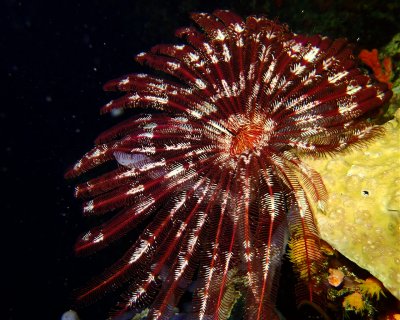
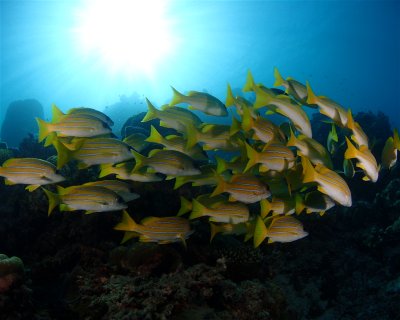
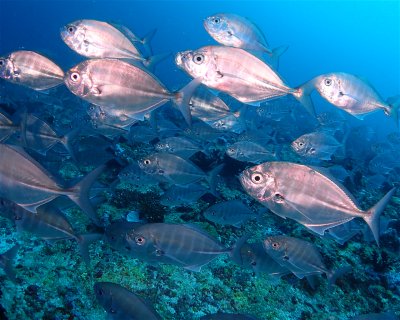
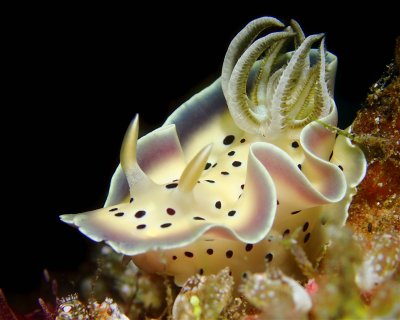
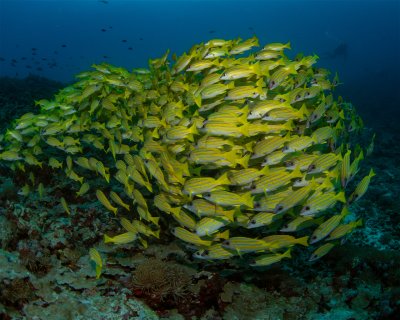
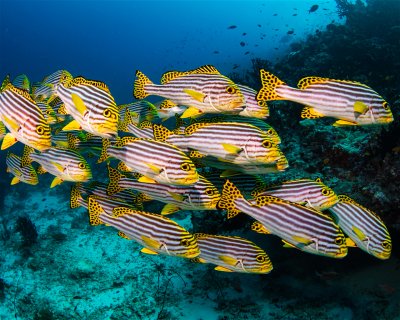
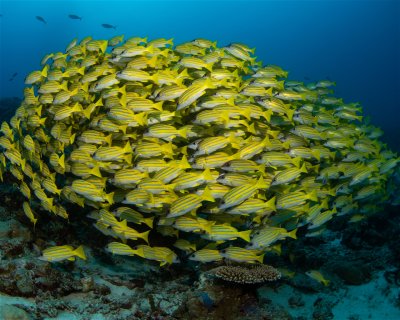
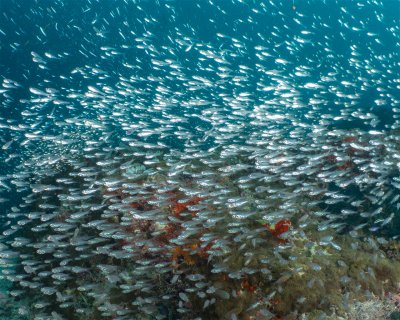
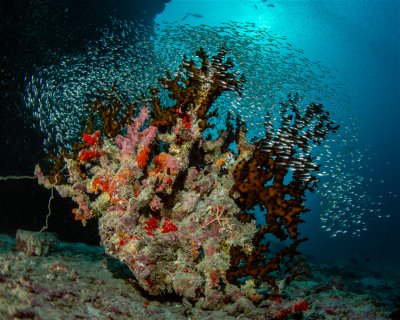
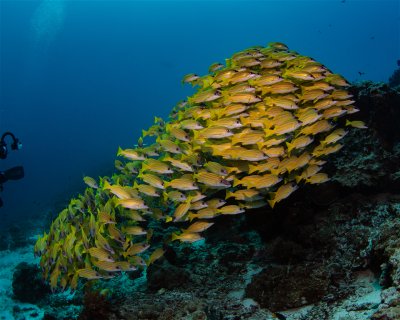
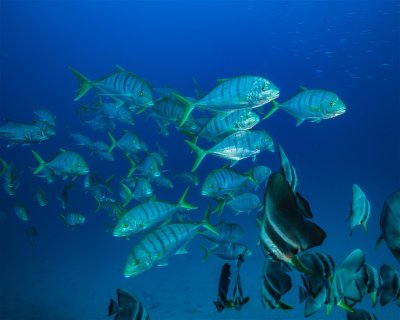
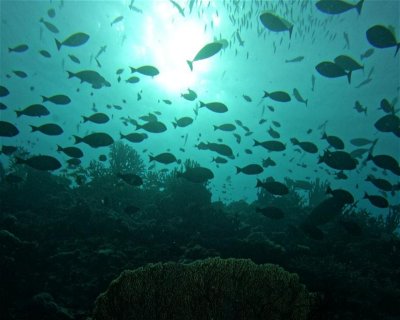
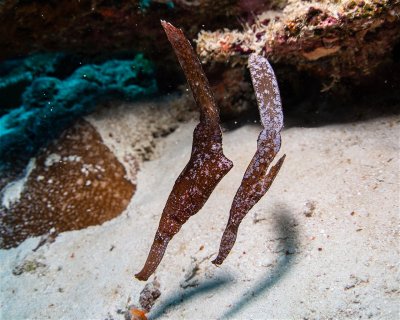
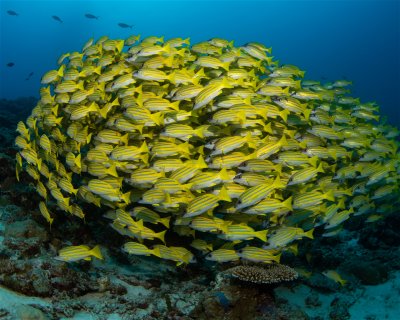
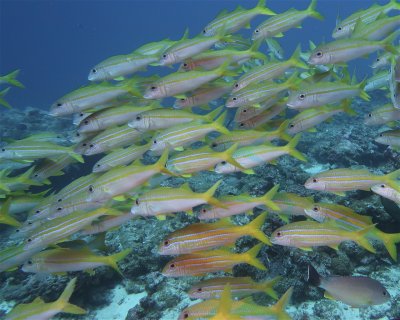
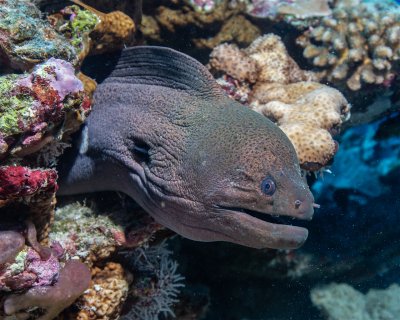
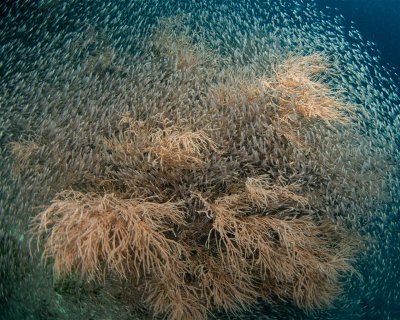
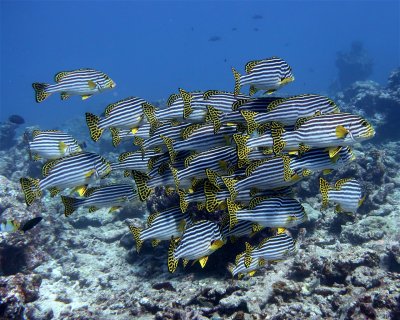
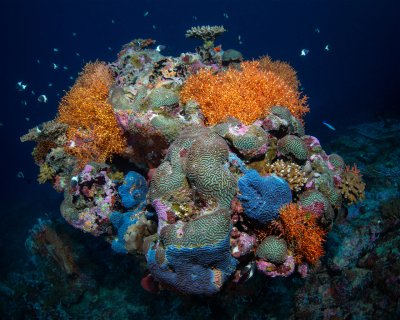
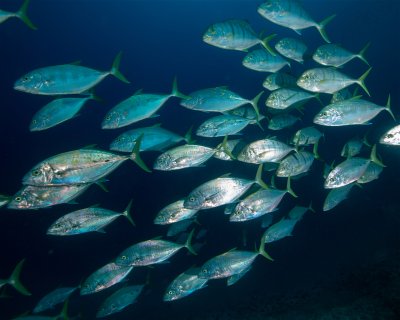
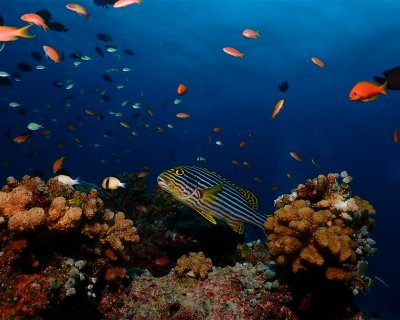
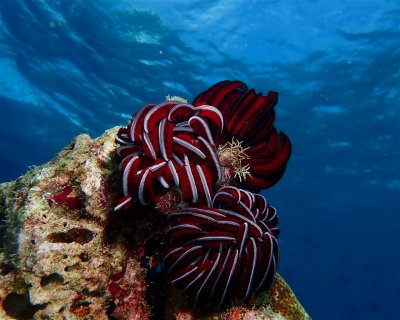
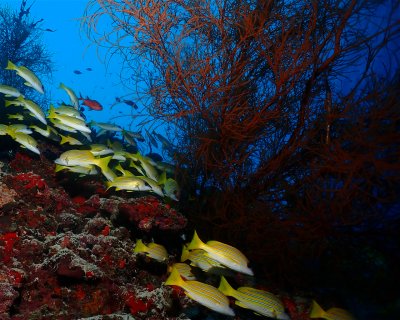
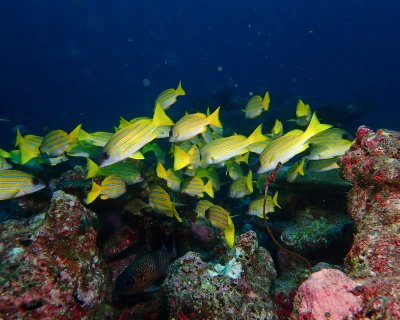
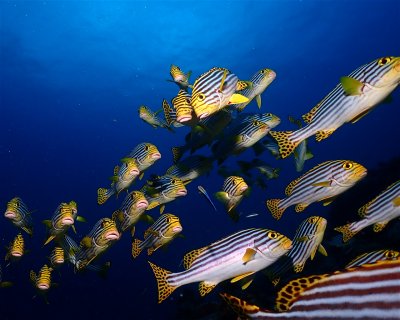
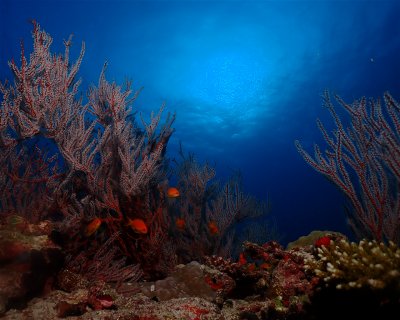
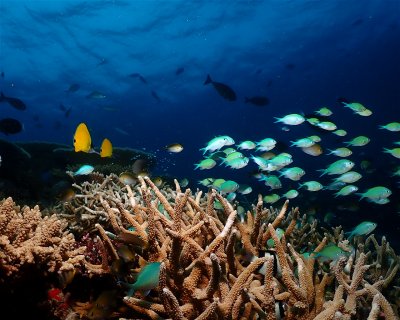
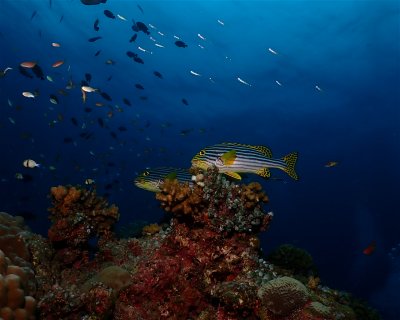
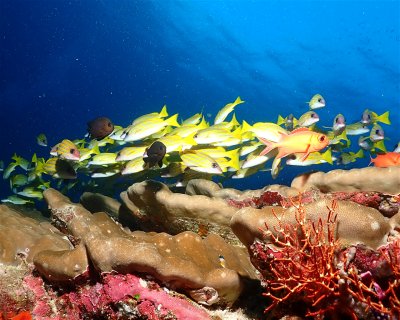
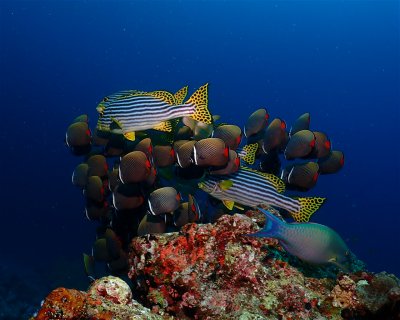
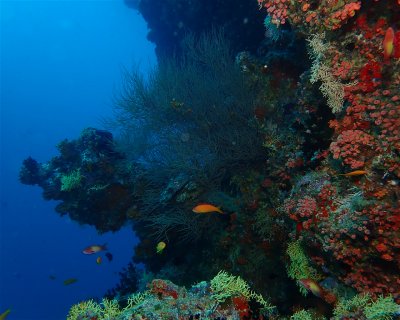
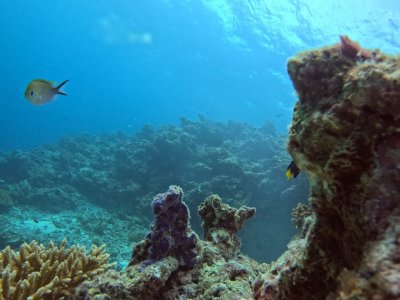
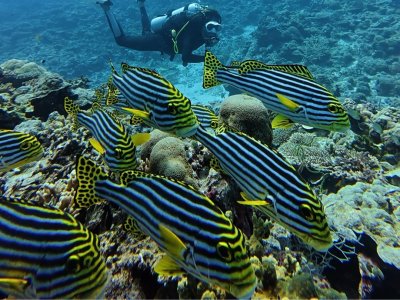
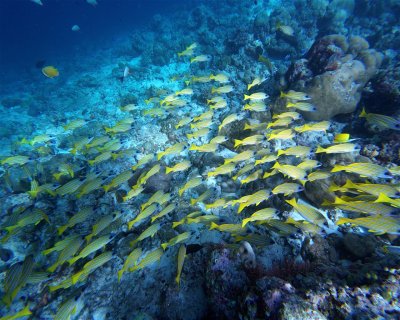
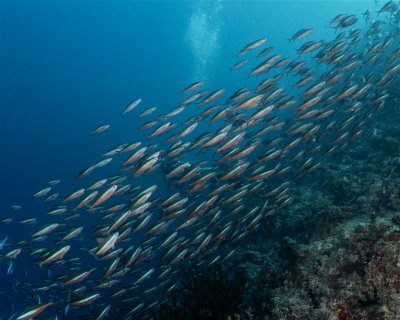
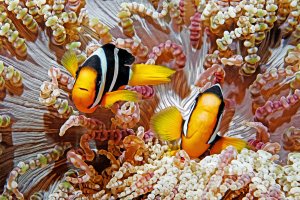
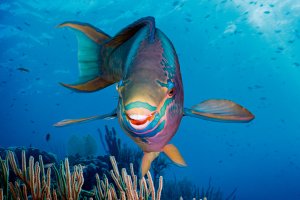
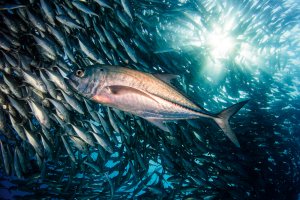
North Malé provides many healthy reefs to look for macro and reef fish in. The corals that coat many sites provide excellent macro hunting which can yield rare nudibranch, shrimp and pipefish. There are clouds of fish to enjoy; parrotfish munching on coral, hunting trevally and schools of fusiliers and jacks are present on almost every dive site and mean you’ll never be bored!
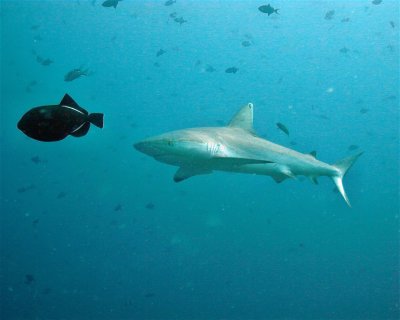
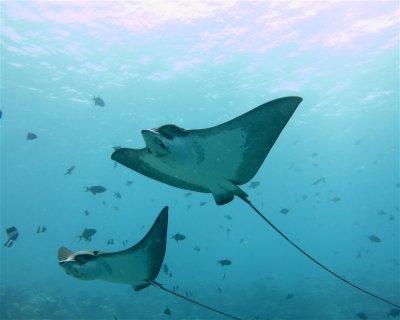
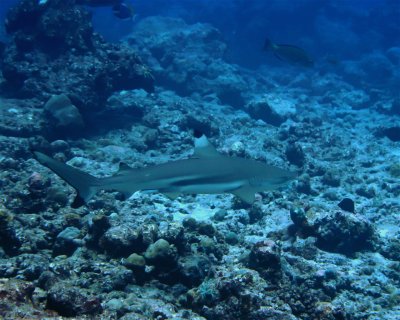
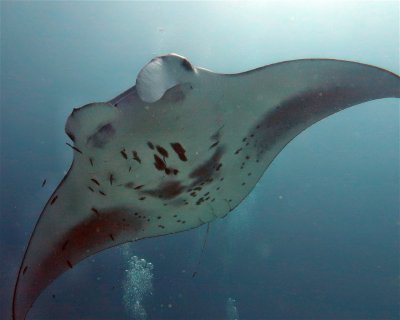
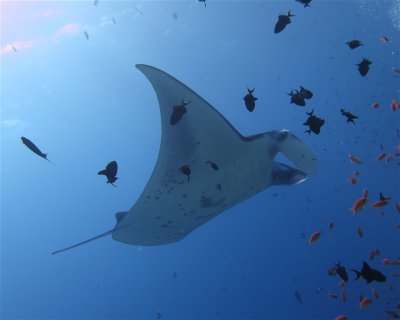
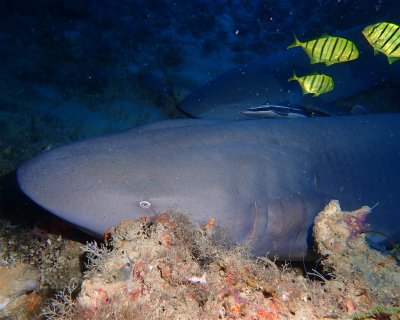
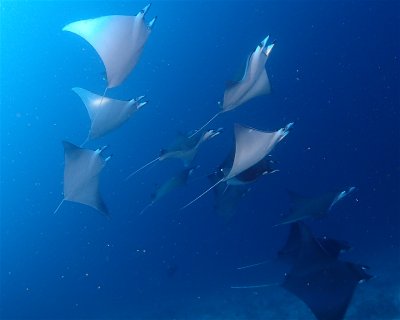
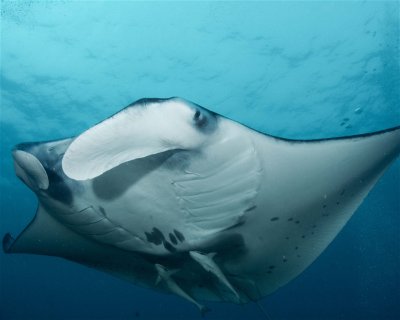
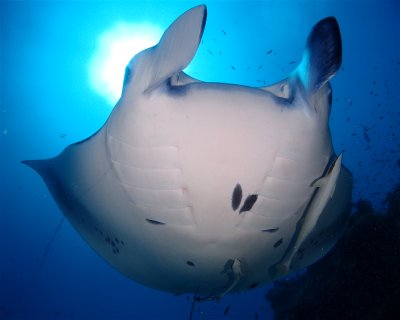
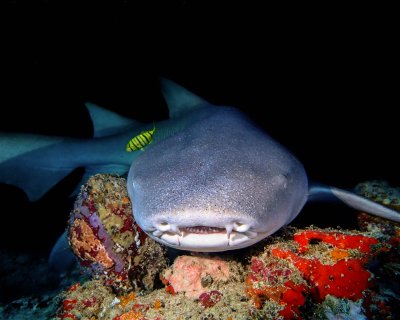
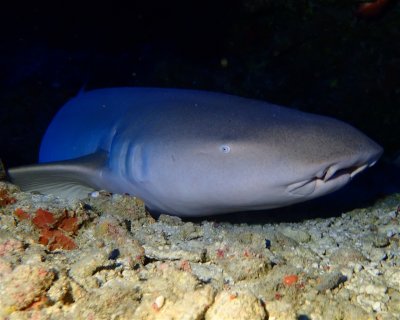
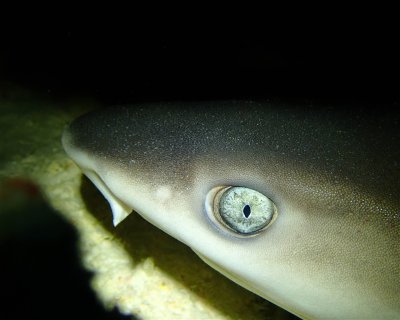
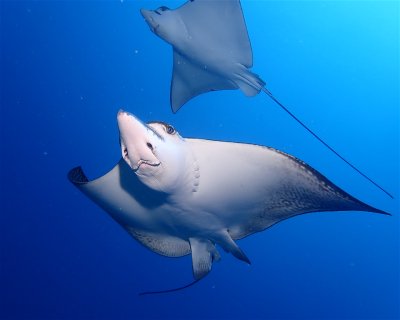
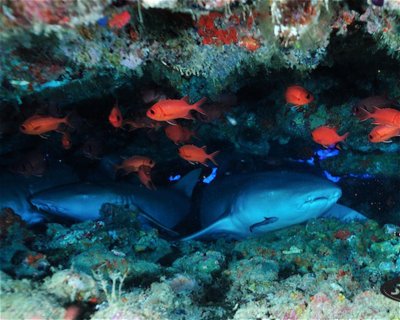
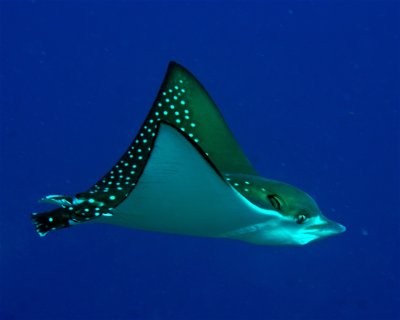
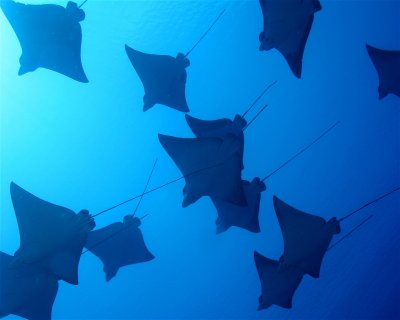
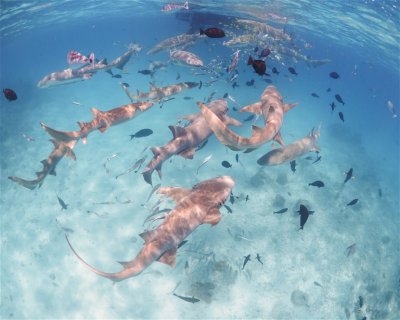
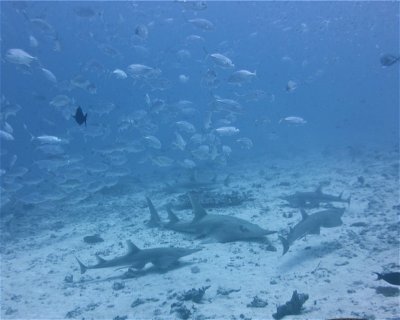
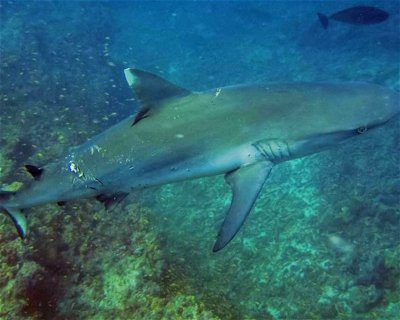
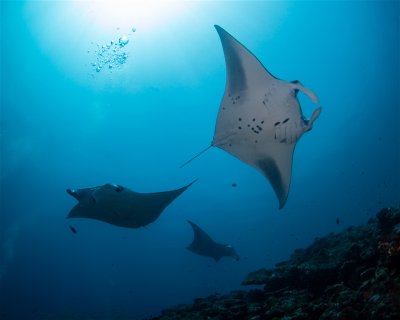
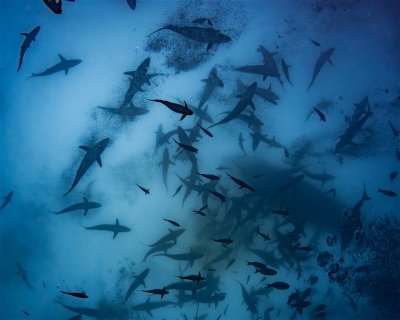
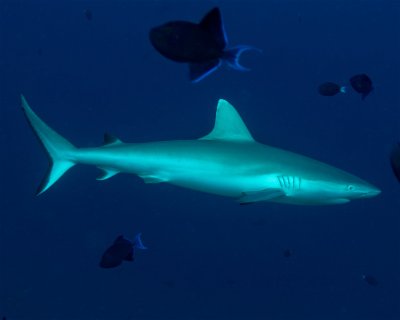
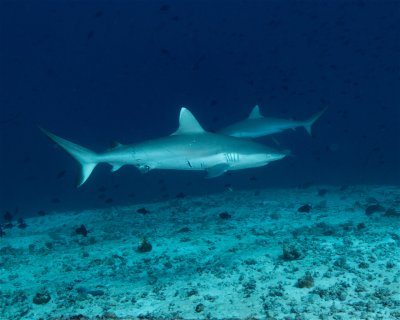
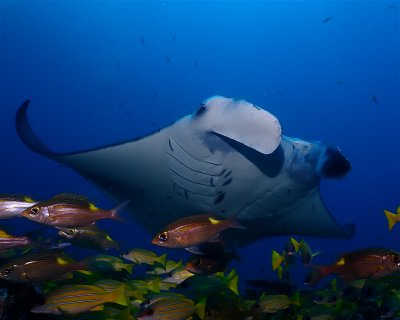
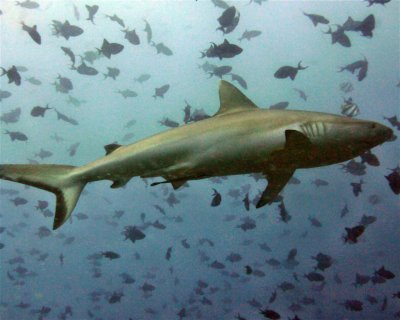
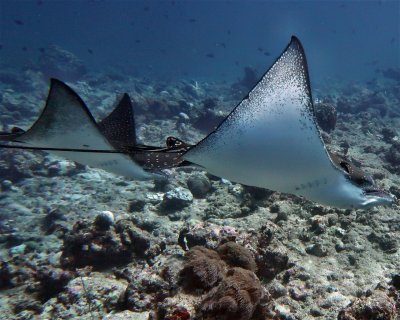
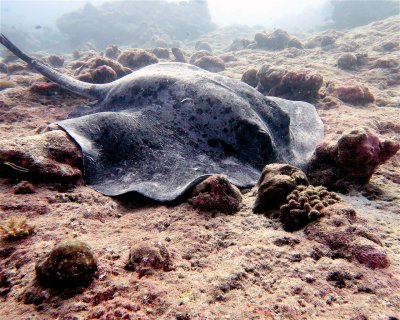
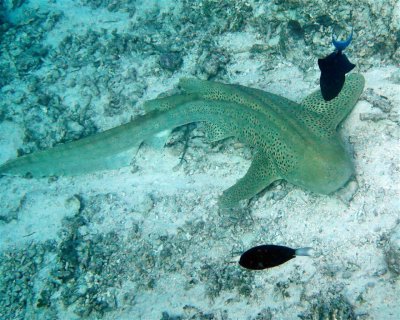
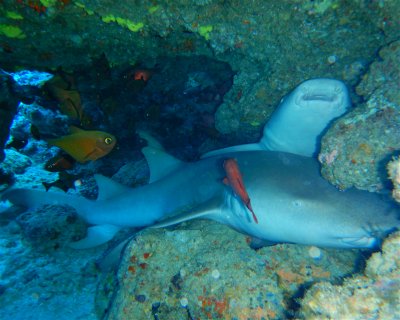
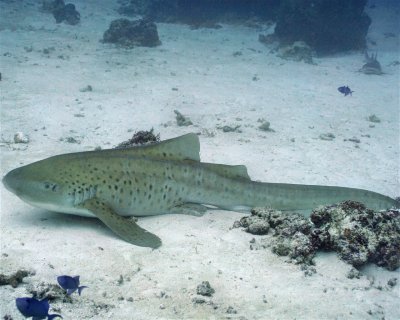
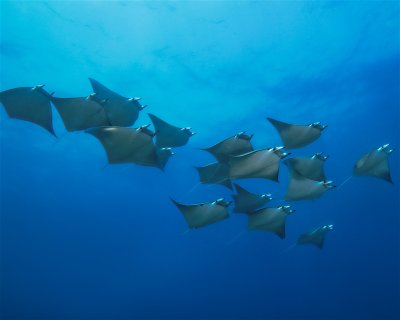
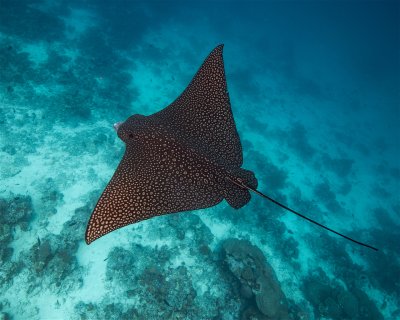
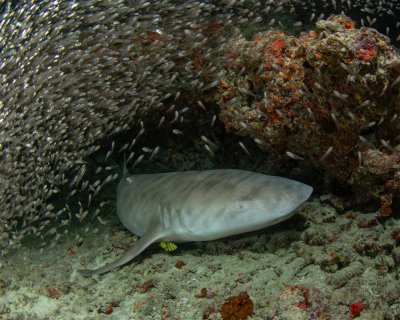
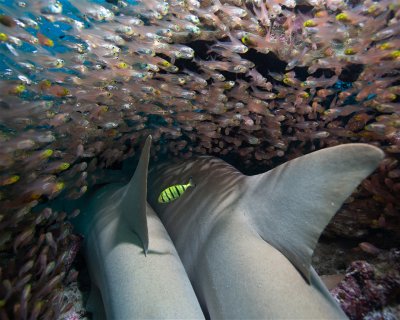
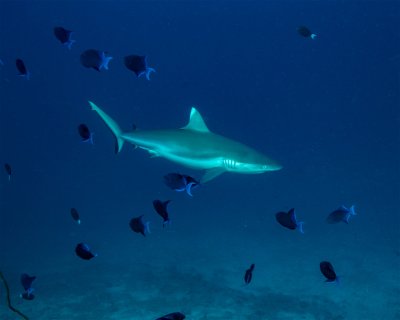
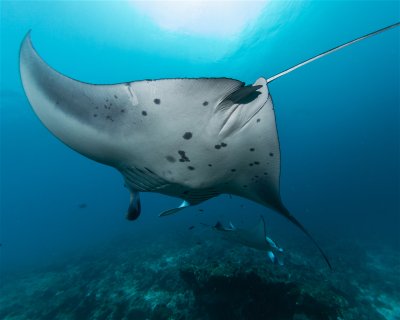
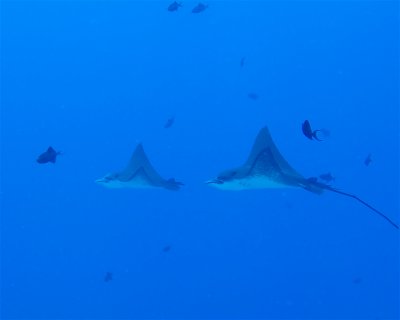
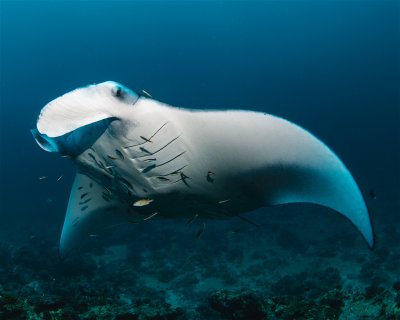
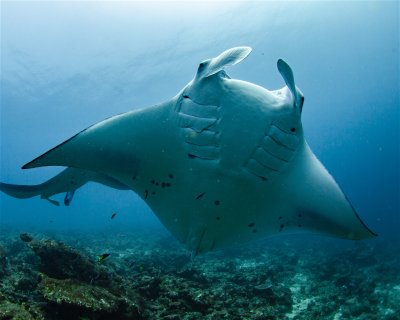
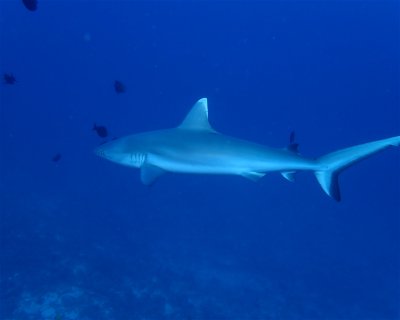
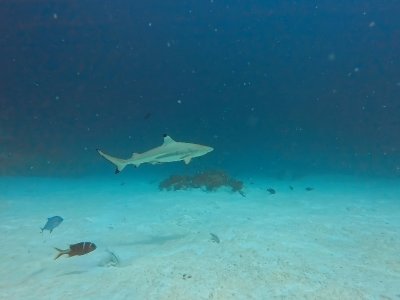
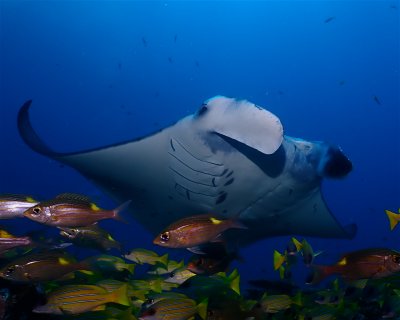
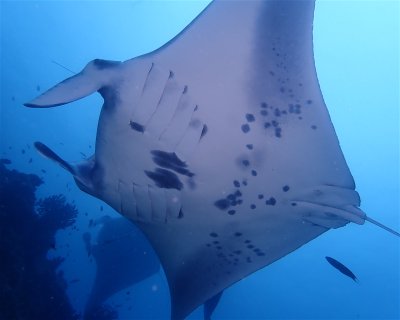
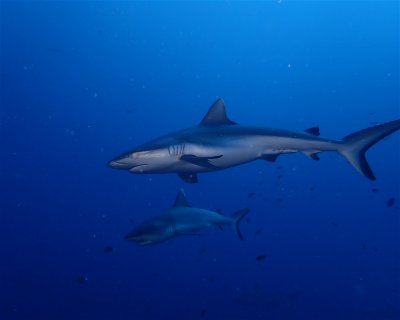
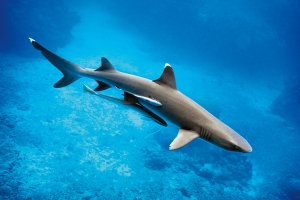
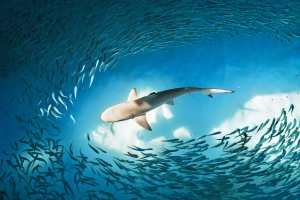
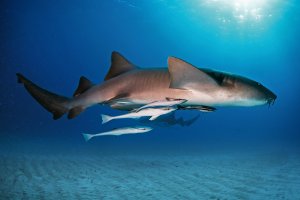
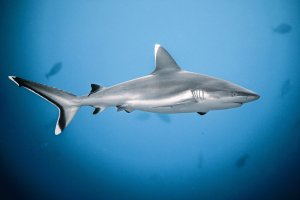
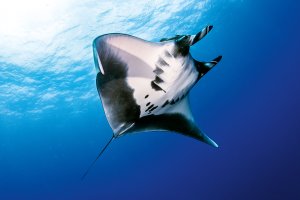
Diving in Malé can yield great sightings of pelagic life - chiefly reef sharks and manta rays. Certain dive sites like Manta Point offer the best chances of seeing them, especially during the monsoon season.
Wildlife Sightings are Based on User Generated Content
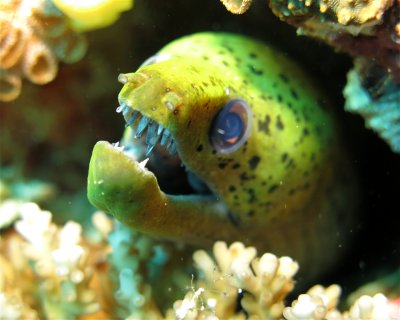
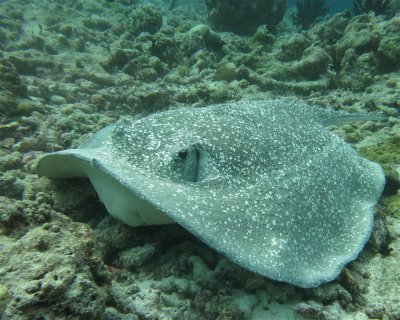
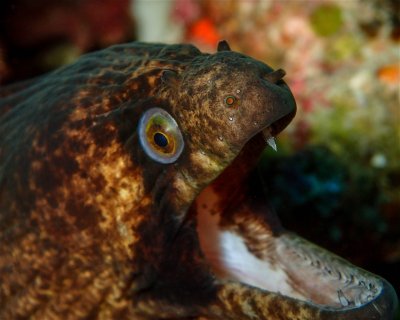
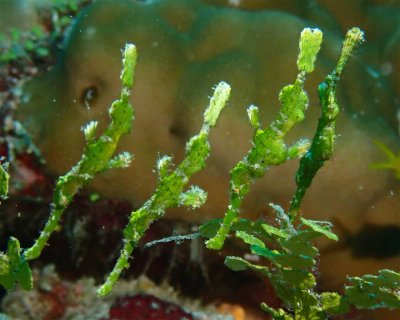
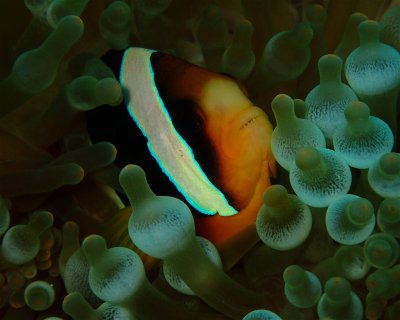
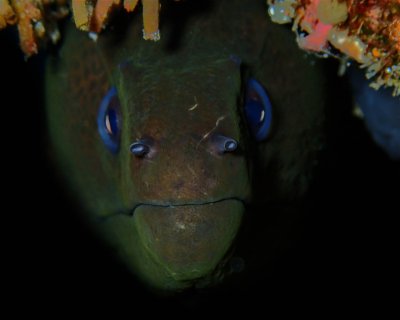
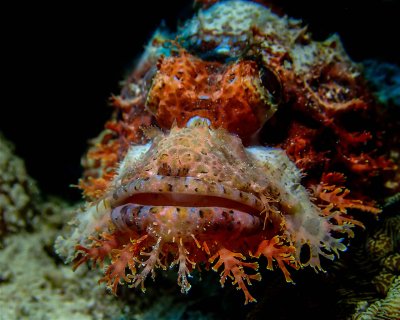
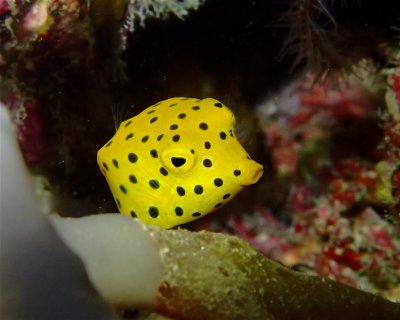
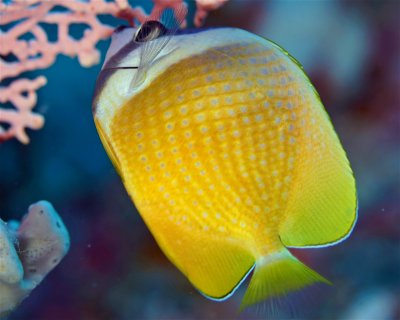
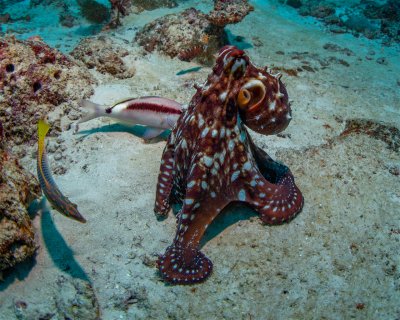
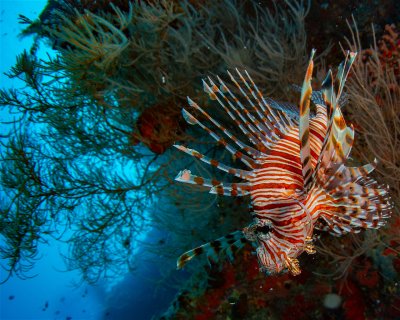
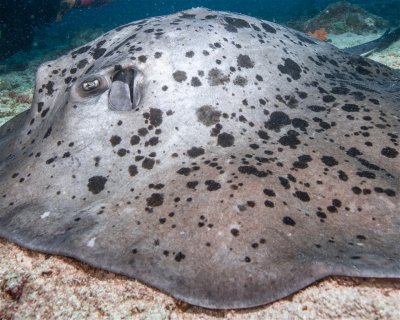
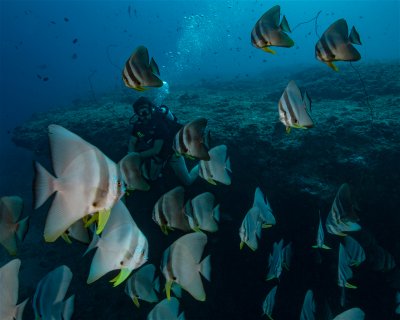
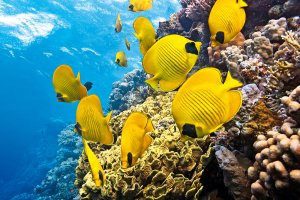
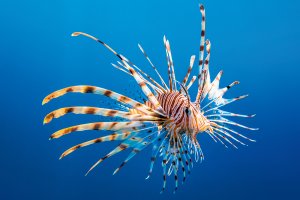
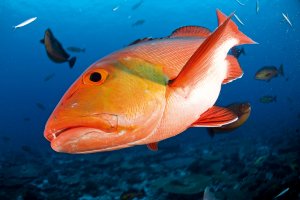
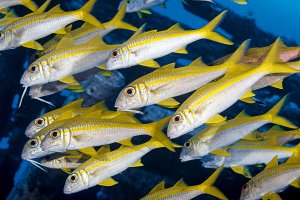
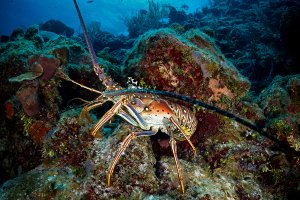
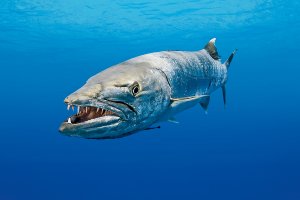
The image shown is a representative illustration and does not depict every individual animal in this category.
Total number of species approx.: 200
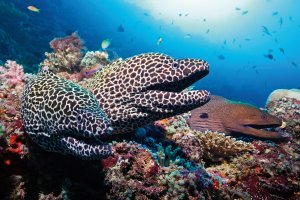
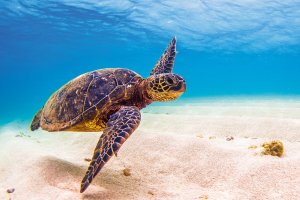
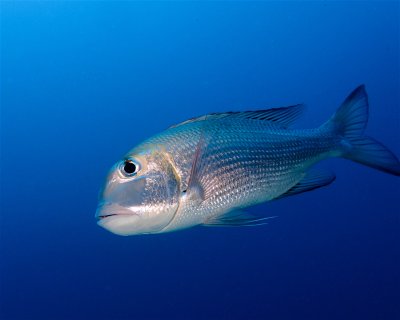
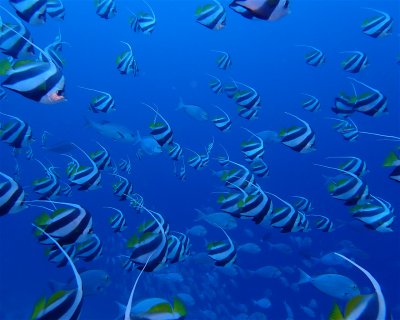
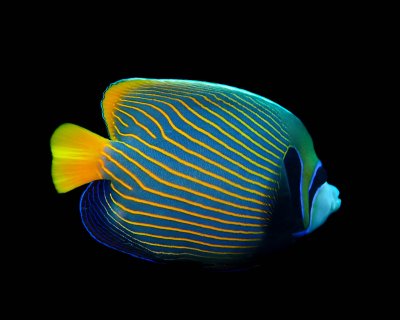
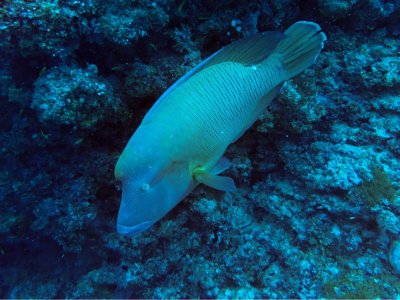
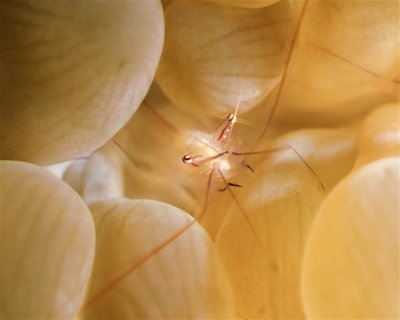
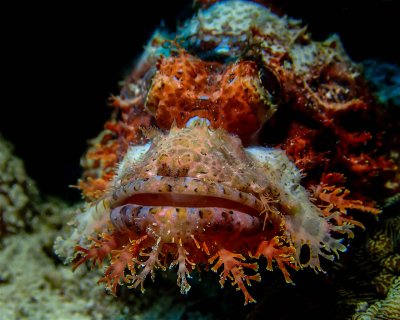
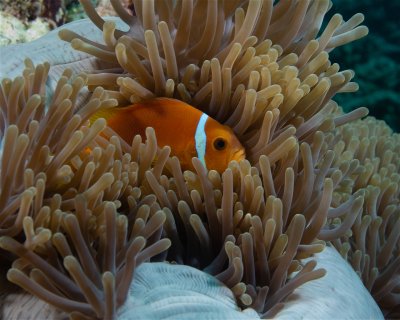
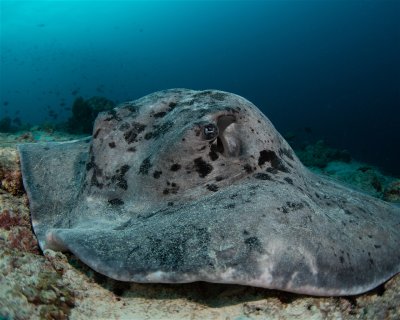
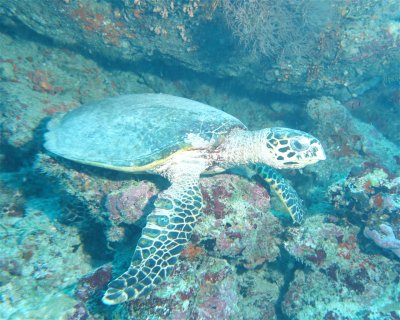
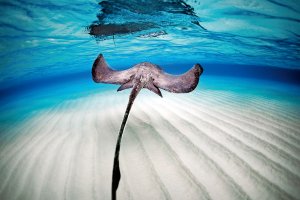
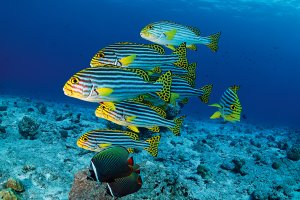
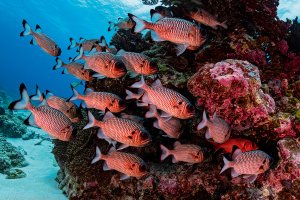
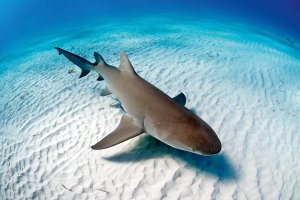
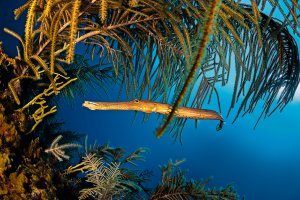
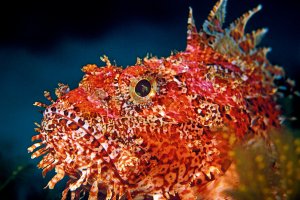
The image shown is a representative illustration and does not depict every individual animal in this category.
Total number of species approx.: 25
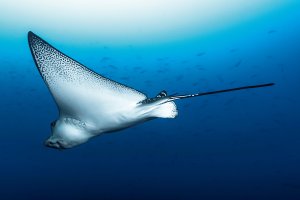
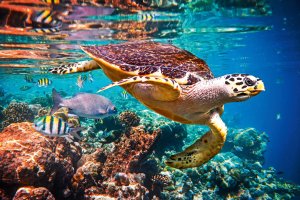
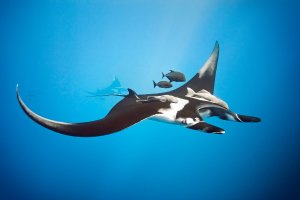
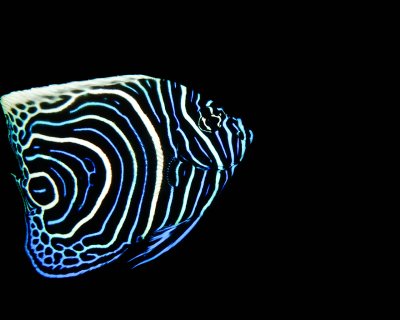
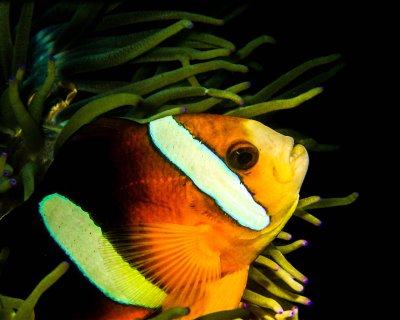
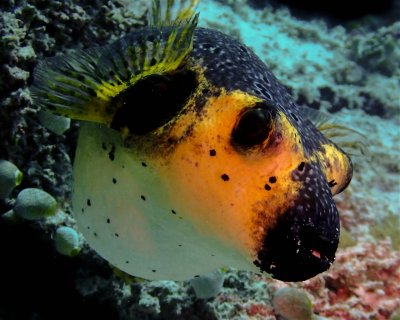
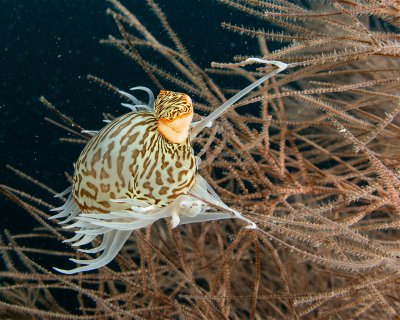
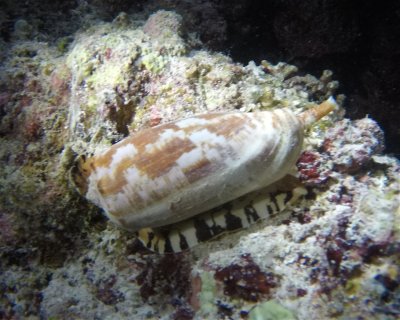
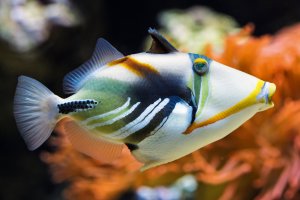
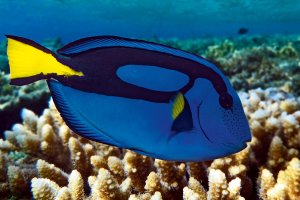
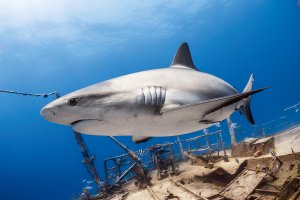
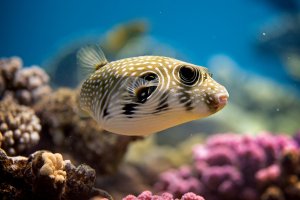
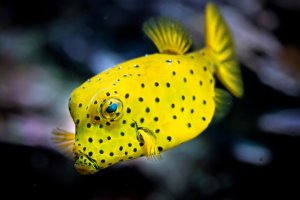
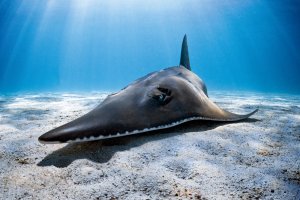
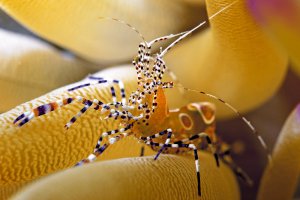
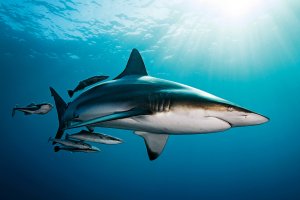
The image shown is a representative illustration and does not depict every individual animal in this category.
Total number of species approx.: 600
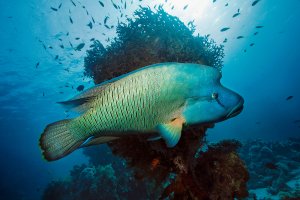
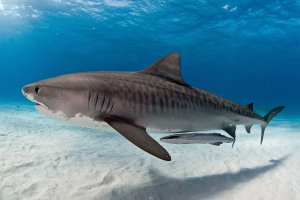
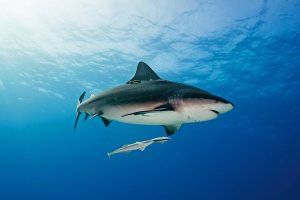
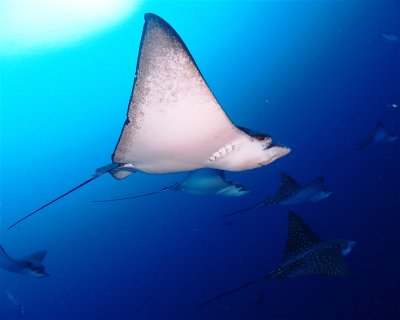
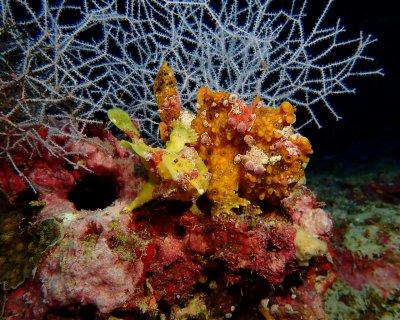
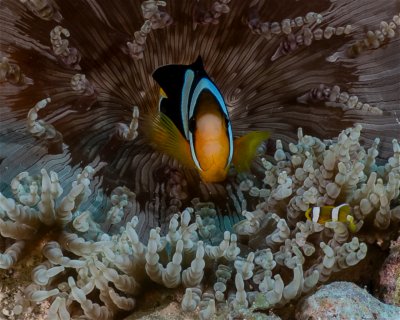
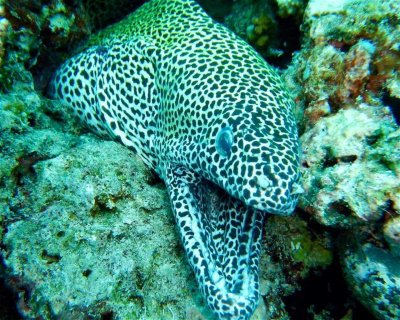
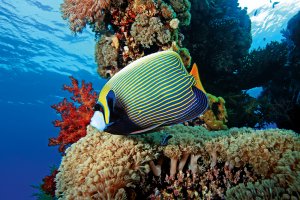
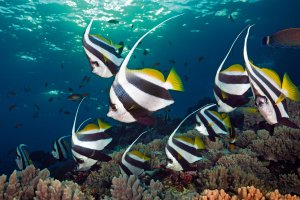
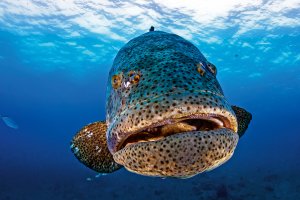
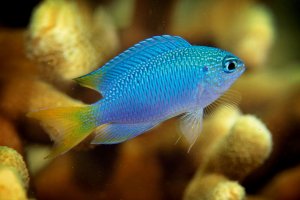
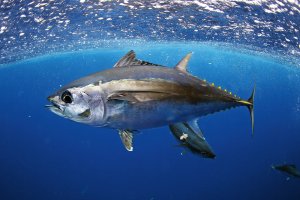
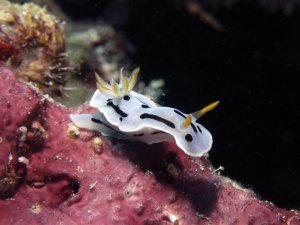
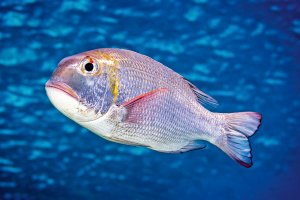
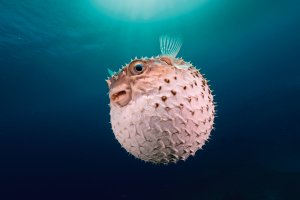
The image shown is a representative illustration and does not depict every individual animal in this category.
Total number of species approx.: 300
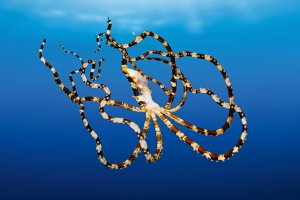
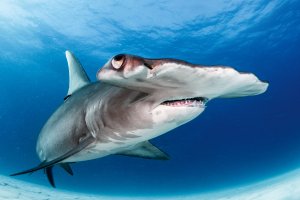
The image shown is a representative illustration and does not depict every individual animal in this category.
Total number of species approx.: 27
Curated by Interest
Mares
Aqualung
Shutterstock-Zi Magine
Mares-Predrag Vuckovic
Scubapro
Shutterstock-Ethan Daniels
Mares-Predrag Vuckovic
Mares-Bjoern Dorstewit

Start Your Week Underwater!#NoMoreFOMO! Missed the weekend dives? No worries — kickstart your week with an unforgettable underwater adventure before heading to work!Every Mond...
Show Offer
Friday Dive Escapade – Dive into the Weekend! #UrbanWarriorsKick off your weekend underwater as we explore some of the most breathtaking dive sites around North and South...
Show Offer
SSI OPEN WATER DIVERGet certified and dive all over the worldCovers fundamental skills such as equipment use, underwater communication, and safety procedures. Enables divers to ...
Show Offer
Stay in one of our guesthouses on the local island of Guraidhoo and dive with us as much as you like for 6 days. The local island of Guraidhoo, nestled in the South Male Atoll o...
Show Offer
Get Certified. Dive Anywhere.Take your first step into the underwater world with the SSI Open Water Diver course — your internationally recognized scuba certification that ope...
Show Offer
Join the SSI Advanced Open Water Diver program! You will experience Deep Diving and Navigation, plus three additional specialty areas of your choice. It is a great way to discov...
Show Offer
The SSI Basic Diver course teaches you the skills and knowledge to dive with an SSI Professional to a depth of 12 meters. It's a great way to discover the underwater world in a ...
Show Offer
Night diving requires different skills from diving during the day. The SSI Night Diving and Limited Visibility specialty is the best way to learn about night diving and practice...
Show Offer
Experience the exceptional diving of South Malé Atoll with Ayala Bubbles. Whether you enjoy relaxed reef dives or exciting drift and channel dives, we choose our dive sites bas...
Show Offer
Experience more of the underwater world of South Malé Atoll with 4 dives at Ayala Bubbles.Usually, this package is spread over 2 diving days with 2 dives per day, giving you th...
Show Offer
Start Your Week Underwater!#NoMoreFOMO! Missed the weekend dives? No worries — kickstart your week with an unforgettable underwater adventure before heading to work!Every Mond...
Show Offer
SSI OPEN WATER DIVERGet certified and dive all over the worldCovers fundamental skills such as equipment use, underwater communication, and safety procedures. Enables divers to ...
Show Offer
Stay in one of our guesthouses on the local island of Guraidhoo and dive with us as much as you like for 6 days. The local island of Guraidhoo, nestled in the South Male Atoll o...
Show Offer
Get Certified. Dive Anywhere.Take your first step into the underwater world with the SSI Open Water Diver course — your internationally recognized scuba certification that ope...
Show Offer
Spend your afternoon exploring the underwater world with us!Our afternoon dive trips are a fantastic way to discover the vibrant reefs and marine life of the Maldives. We meet a...
Show Offer
Join the SSI Advanced Open Water Diver program! You will experience Deep Diving and Navigation, plus three additional specialty areas of your choice. It is a great way to discov...
Show Offer
The SSI Deep Diving Specialty will teach you all you need to dive to depths between 18 and 40 meters, through a mixture of academic sessions and open water dives. You will lea...
Show Offer
Experience the exceptional diving of South Malé Atoll with Ayala Bubbles. Whether you enjoy relaxed reef dives or exciting drift and channel dives, we choose our dive sites bas...
Show Offer
Experience more of the underwater world of South Malé Atoll with 4 dives at Ayala Bubbles.Usually, this package is spread over 2 diving days with 2 dives per day, giving you th...
Show Offer
Our most popular diving package and a great choice for certified divers who want to experience more of what South Malé Atoll has to offer.Usually, the package is spread over 3 ...
Show Offer
Swimming is an essential and fun life skill you do not want to miss on! Young or old, everyone loves jumping into the water on a hot day and deserves to have fun splashing aroun...
Show Offer
Start Your Week Underwater!#NoMoreFOMO! Missed the weekend dives? No worries — kickstart your week with an unforgettable underwater adventure before heading to work!Every Mond...
Show Offer
Friday Dive Escapade – Dive into the Weekend! #UrbanWarriorsKick off your weekend underwater as we explore some of the most breathtaking dive sites around North and South...
Show Offer
Saturday Dive Adventures – Every Week! For the #WeekendWarriors Keep the fun going and stay salty all weekend long as we explore some of the most stunning dive sites across No...
Show Offer
SSI OPEN WATER DIVERGet certified and dive all over the worldCovers fundamental skills such as equipment use, underwater communication, and safety procedures. Enables divers to ...
Show Offer
Stay in one of our guesthouses on the local island of Guraidhoo and dive with us as much as you like for 6 days. The local island of Guraidhoo, nestled in the South Male Atoll o...
Show Offer
Get Certified. Dive Anywhere.Take your first step into the underwater world with the SSI Open Water Diver course — your internationally recognized scuba certification that ope...
Show Offer
Spend your afternoon exploring the underwater world with us!Our afternoon dive trips are a fantastic way to discover the vibrant reefs and marine life of the Maldives. We meet a...
Show Offer
Swimming is an essential and fun life skill you do not want to miss on! Young or old, everyone loves jumping into the water on a hot day and deserves to have fun splashing aroun...
Show Offer
Friday Dive Escapade – Dive into the Weekend! #UrbanWarriorsKick off your weekend underwater as we explore some of the most breathtaking dive sites around North and South...
Show Offer
Saturday Dive Adventures – Every Week! For the #WeekendWarriors Keep the fun going and stay salty all weekend long as we explore some of the most stunning dive sites across No...
Show Offer
SSI OPEN WATER DIVERGet certified and dive all over the worldCovers fundamental skills such as equipment use, underwater communication, and safety procedures. Enables divers to ...
Show Offer
Get Certified. Dive Anywhere.Take your first step into the underwater world with the SSI Open Water Diver course — your internationally recognized scuba certification that ope...
Show Offer
Spend your afternoon exploring the underwater world with us!Our afternoon dive trips are a fantastic way to discover the vibrant reefs and marine life of the Maldives. We meet a...
Show Offer
Night diving requires different skills from diving during the day. The SSI Night Diving and Limited Visibility specialty is the best way to learn about night diving and practice...
Show Offer
Experience the exceptional diving of South Malé Atoll with Ayala Bubbles. Whether you enjoy relaxed reef dives or exciting drift and channel dives, we choose our dive sites bas...
Show Offer
Experience more of the underwater world of South Malé Atoll with 4 dives at Ayala Bubbles.Usually, this package is spread over 2 diving days with 2 dives per day, giving you th...
Show Offer
Our most popular diving package and a great choice for certified divers who want to experience more of what South Malé Atoll has to offer.Usually, the package is spread over 3 ...
Show Offer
Get Certified. Dive Anywhere.Take your first step into the underwater world with the SSI Open Water Diver course — your internationally recognized scuba certification that ope...
Show Offer
The oceans are home to a incredible diversity of fish. How much do you really know about the creatures you see every time you dive. Learn to categorize and identify fish species...
Show Offer
Swimming is an essential and fun life skill you do not want to miss on! Young or old, everyone loves jumping into the water on a hot day and deserves to have fun splashing aroun...
Show Offer
In the SSI Shark Ecology program, you will learn how to interpret shark behaviours, why they are often misunderstood and how dive with sharks. There a so many "fake news" a...
Show Offer
As a dive center, we believe diving does not stop underwater. Caring for the ocean also means caring for our island and the community.Community outreach, education, and ra...
Show Offer
Start Your Week Underwater!#NoMoreFOMO! Missed the weekend dives? No worries — kickstart your week with an unforgettable underwater adventure before heading to work!Every Mond...
Show Offer
Friday Dive Escapade – Dive into the Weekend! #UrbanWarriorsKick off your weekend underwater as we explore some of the most breathtaking dive sites around North and South...
Show Offer
Make your Date Night extra special and join us to find hidden underwater treasures coming to life during night dives! We'll even throw in a delectable Maldivian dinner to share ...
Show Offer
Saturday Dive Adventures – Every Week! For the #WeekendWarriors Keep the fun going and stay salty all weekend long as we explore some of the most stunning dive sites across No...
Show Offer
Stay in one of our guesthouses on the local island of Guraidhoo and dive with us as much as you like for 6 days. The local island of Guraidhoo, nestled in the South Male Atoll o...
Show Offer
Get Certified. Dive Anywhere.Take your first step into the underwater world with the SSI Open Water Diver course — your internationally recognized scuba certification that ope...
Show Offer
Spend your afternoon exploring the underwater world with us!Our afternoon dive trips are a fantastic way to discover the vibrant reefs and marine life of the Maldives. We meet a...
Show Offer