Crustaceans

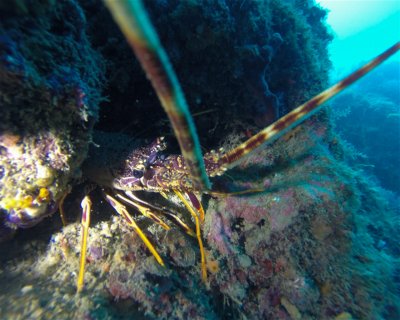
The image shown is a representative illustration and does not depict every individual animal in this category.

Total number of species approx.: 67000

Crustaceans are a remarkably diverse group of hard-shelled, primarily aquatic animals that include crabs, lobsters, shrimp, prawns, krill, and barnacles. While the majority inhabit saltwater environments, crustaceans are not limited to the oceans. Several species thrive in freshwater and even terrestrial habitats. Freshwater ecosystems host a surprising variety of crustaceans. For example, the cenotes of Mexico are home to unique, endemic shrimp species that have adapted to life in these secluded, underground freshwater systems. Additionally, numerous species of crayfish—many of which are found only in specific regions—flourish in rivers, lakes, and wetlands around the world. Crustaceans inhabit every marine environment, from shrimp and prawns swimming freely in the open ocean to barnacles clinging to rocks, piers, and ship hulls. They can be found from the water’s surface, where krill drift in vast swarms, to the crushing depths of the ocean’s deepest trenches, where shrimp-like creatures scavenge in darkness. With over 50,000 known species and new ones being discovered regularly, crustaceans represent one of the most varied and ecologically important animal groups on Earth.

© AdobeStock_Janelle

Scuba diving with crustaceans is always exciting, but there are some specific species divers seek out throughout the world. Mantis shrimp are a photographer’s dream; you can dive with the illusive mantis shrimp in tropical regions of the Pacific and Indian oceans. Some divers search year-round for areas where they can spot special species, such as the delicate arrow crab in the Caribbean or the hairy squad lobster on large barrel sponges in Indonesia. Others search South Australia for fascinating crab species, such as the world’s largest crab, the Tasmanian giant crab. Click here to learn more about where you can dive with different types of crustaceans around the world.

Animals in this Category

The image shown is a representative illustration and does not depict every individual animal in this category.

Total number of species approx.: 3400
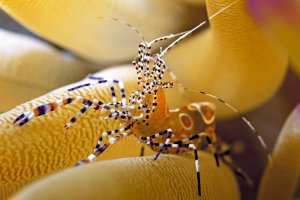
The image shown is a representative illustration and does not depict every individual animal in this category.

Total number of species approx.: 60
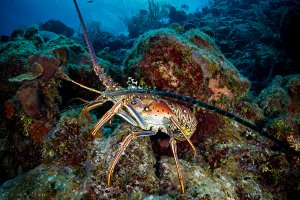
The image shown is a representative illustration and does not depict every individual animal in this category.

Total number of species approx.: 55
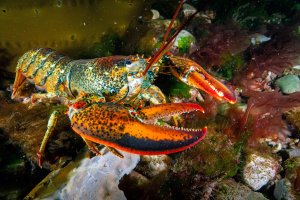
The image shown is a representative illustration and does not depict every individual animal in this category.

Total number of species approx.: 7000
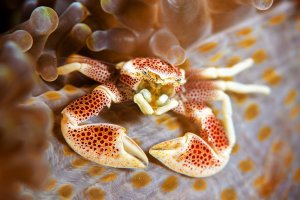
The image shown is a representative illustration and does not depict every individual animal in this category.

Total number of species approx.: 600
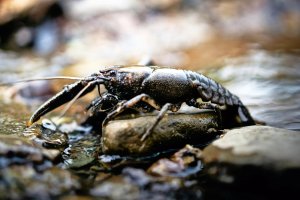
The image shown is a representative illustration and does not depict every individual animal in this category.

Total number of species approx.: 20
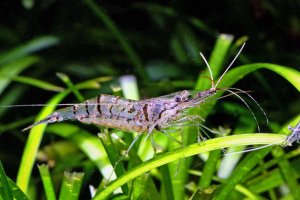
Dive Sites with This Animal
Offers at Dive Sites Where This Animal Has Been Spotted

Sightings are never guaranteed. Wildlife roams freely, so whether you meet this animal depends on the season, the conditions and a bit of luck.

  • Marine Ecology DUO

    Marine Ecology DUO

    1. Why Take This Specialty Course?Take a fresh look at the big picture of ocean life. Beyond individual species lies a complex web of life where every plant, animal, and microorganism plays a vital role. The SSI Marine Ecology specialty bridges the gap between simple organism identification and true ecological understanding. By exploring how energy flows through food webs, how different ocean zones interact, and how abiotic factors like currents and temperature shape marine life, you will gain a profound appreciation for the fragile balance of Koh Lanta’s marine ecosystems.Ecosystem Dynamics: Learn how marine communities interact with their physical environment and adapt to changing ocean conditions.Food Webs & Energy Flow: Discover the vital connections from microscopic phytoplankton up to apex predators like sharks and whales.Habitat Diversity: Explore various marine environments, including coral reefs, mangrove forests, seagrass beds, and open ocean ecosystems.Open to Everyone: Academic course accessible to scuba divers, freedivers, and snorkelers.2. Course Curriculum (1 day in ocean or theory only)The course combines interactive online learning on the MySSI app and a topic presentation at the center with your instructor (with an optional practical application during your ocean dives).Key Topics Covered:Fundamentals of Marine Science: Oceanography basics, energy cycles, food webs, and ecological niches in marine environments.Tropical Marine Ecosystems: The vital connections between coral reefs, mangroves, and seagrass beds in the Andaman Sea.Human Impact & Ocean Conservation: Climate change, overfishing, marine pollution, and how eco-conscious divers can contribute to ocean protection.3. PrerequisitesNo diving prerequisites required (also accessible to non-divers, freedivers, and snorkelers).Minimum Age: 10 years old for divers and 6 years old for non-divers.4. Your International CertificationAt the end of the course, you will earn yourSSI Marine Ecology Specialty CertificationRecognized worldwide.Counts toward your Master Scuba Diver rating and can count as one of the 5 adventure dives for your SSI Advanced Open Water Diver certification (when combined with ocean dives).5. Frequently Asked Questions (FAQ)Do I need to scuba dive or snorkel for this specialty?No, it is not mandatory! The Marine Ecology specialty can be completed entirely as a 100% dry course.If you are a non-diver or prefer to stay out of the water, you can earn your certification by completing the interactive classroom or online sessions.However, if you are a diver or snorkeler, adding in-water sessions is highly recommended: it’s the perfect opportunity to observe ecosystems in action and connect theory with real reef, mangrove, and seagrass habitats!How does Marine Ecology differ from specific ecology courses like Shark or Turtle Ecology?While species-specific courses focus on individual animal groups, Marine Ecology takes a broader view of the entire ocean ecosystem, exploring how all marine life forms interact together.Is this course very academic or technical?Not at all! The material is presented in an engaging, easy-to-understand way, using real-world examples from Koh Lanta’s dive sites to bring ocean science to life.

    Apo Dhatu Divers, 490 Moo 3, 81150, Saladan, Koh Lanta, Krabi, THA
    November 23, 2026 +188 More
    $176.90
    THB 6,000.00
    Marine Ecology for Snorkeler

    Marine Ecology for Snorkeler

    1. Why Take This Specialty Course?Take a fresh look at the big picture of ocean life. Beyond individual species lies a complex web of life where every plant, animal, and microorganism plays a vital role. The SSI Marine Ecology specialty bridges the gap between simple organism identification and true ecological understanding. By exploring how energy flows through food webs, how different ocean zones interact, and how abiotic factors like currents and temperature shape marine life, you will gain a profound appreciation for the fragile balance of Koh Lanta’s marine ecosystems.Ecosystem Dynamics: Learn how marine communities interact with their physical environment and adapt to changing ocean conditions.Food Webs & Energy Flow: Discover the vital connections from microscopic phytoplankton up to apex predators like sharks and whales.Habitat Diversity: Explore various marine environments, including coral reefs, mangrove forests, seagrass beds, and open ocean ecosystems.Open to Everyone: Academic course accessible to scuba divers, freedivers, and snorkelers.2. Course Curriculum (1 day in ocean with 2 snorkeling sites)The course combines interactive online learning on the MySSI app and a topic presentation at the center with your instructor (with an optional practical application during your ocean dives).Key Topics Covered:Fundamentals of Marine Science: Oceanography basics, energy cycles, food webs, and ecological niches in marine environments.Tropical Marine Ecosystems: The vital connections between coral reefs, mangroves, and seagrass beds in the Andaman Sea.Human Impact & Ocean Conservation: Climate change, overfishing, marine pollution, and how eco-conscious divers can contribute to ocean protection.3. PrerequisitesMinimum Age: 6 years old for non-divers.4. Your International CertificationAt the end of the course, you will earn yourSSI Marine Ecology Specialty CertificationRecognized worldwide5. Frequently Asked Questions (FAQ)Do I need to scuba dive or snorkel for this specialty?No, it is not mandatory! The Marine Ecology specialty can be completed entirely as a 100% dry course.If you are a non-diver or prefer to stay out of the water, you can earn your certification by completing the interactive classroom or online sessions.However, if you are a diver or snorkeler, adding in-water sessions is highly recommended: it’s the perfect opportunity to observe ecosystems in action and connect theory with real reef, mangrove, and seagrass habitats!How does Marine Ecology differ from specific ecology courses like Shark or Turtle Ecology?While species-specific courses focus on individual animal groups, Marine Ecology takes a broader view of the entire ocean ecosystem, exploring how all marine life forms interact together.Is this course very academic or technical?Not at all! The material is presented in an engaging, easy-to-understand way, using real-world examples from Koh Lanta’s dive sites to bring ocean science to life.

    Apo Dhatu Divers, 490 Moo 3, 81150, Saladan, Koh Lanta, Krabi, THA
    November 23, 2026 +188 More
    $135.62
    THB 4,600.00