Explore Costa Brava

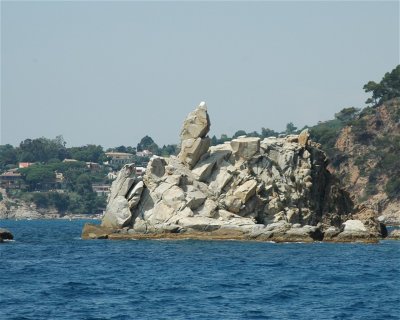
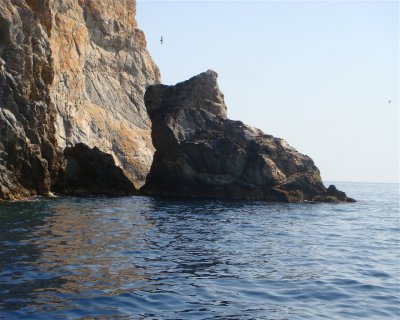
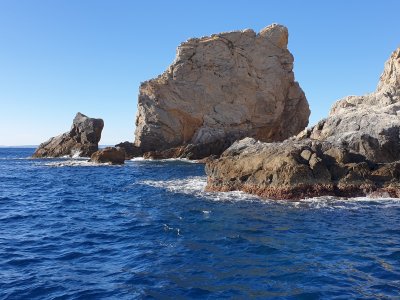
Stretching from Blanes, 60km north of Barcelona, to the French border, the Costa Brava (or “wild coast”) is one of the most rugged and beautiful areas of Spain. This picturesque region of Catalonia features pretty seaside towns like Lloret del Mar against the backdrop of 214km of coastline. 

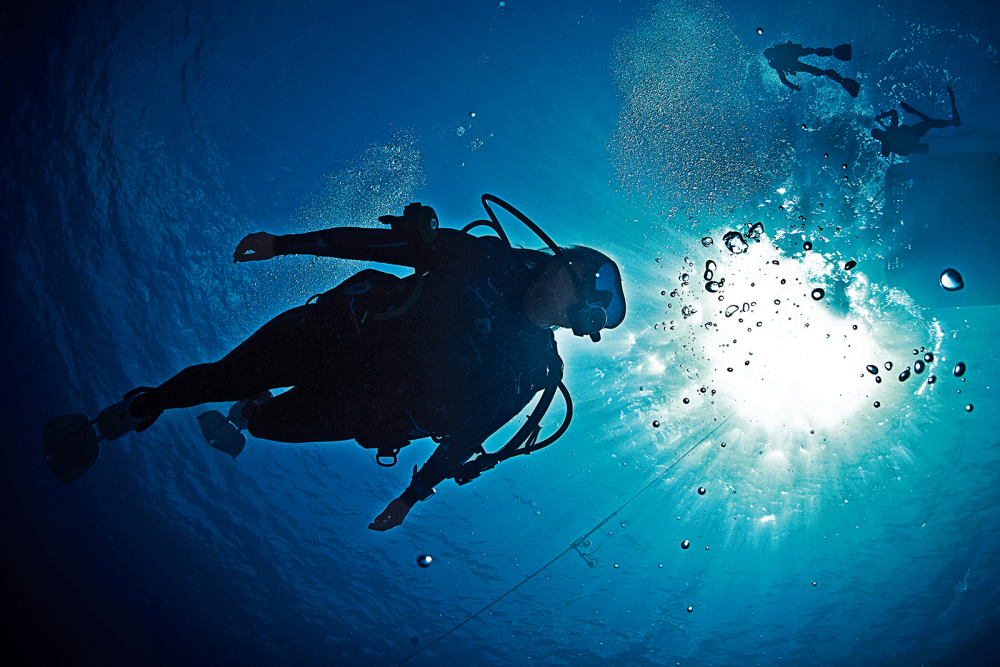
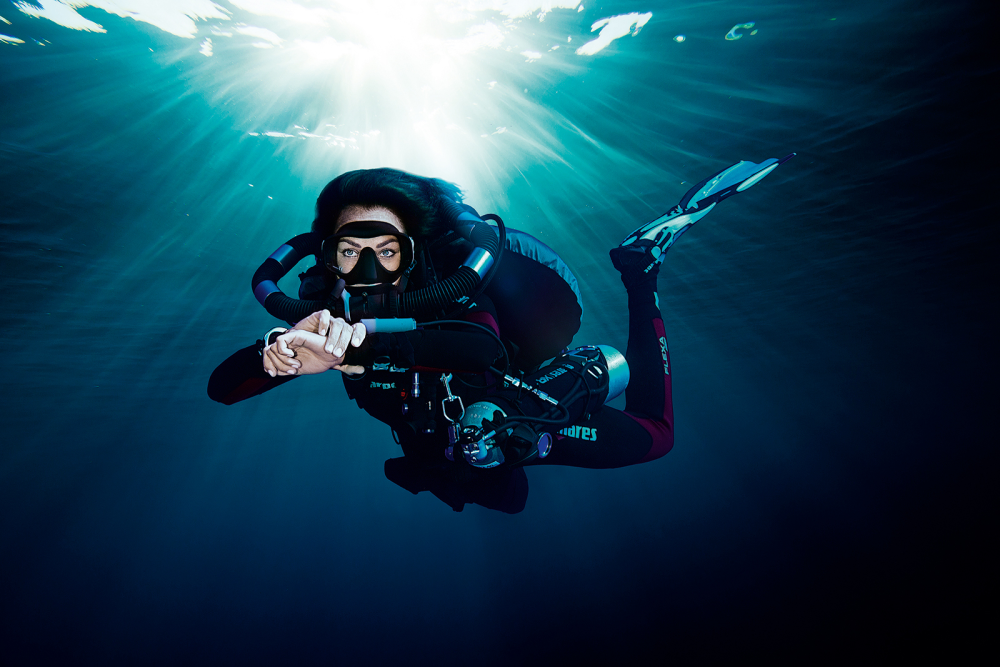
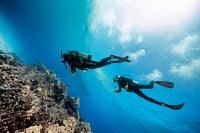
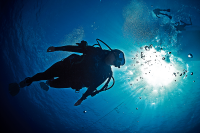
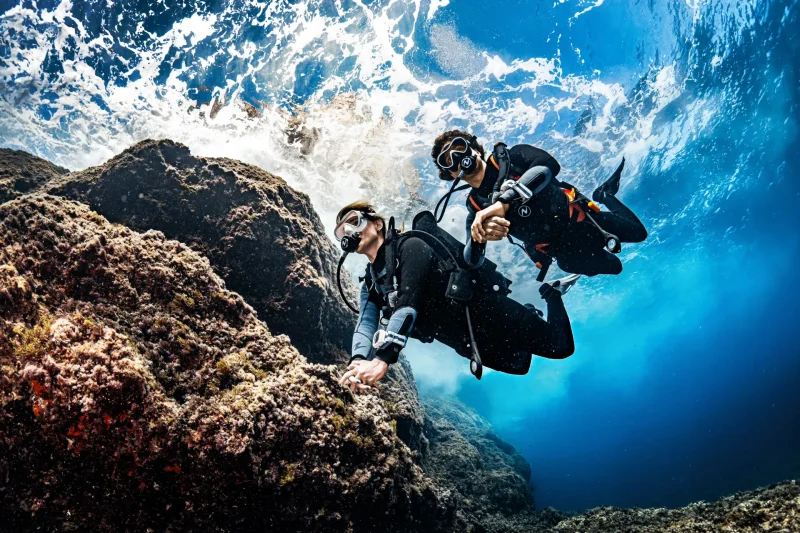
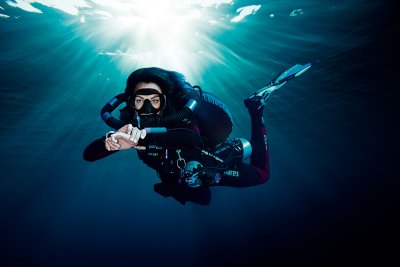
Diving in Costa Brava has long been popular. There are dive centres scattered along the coast, all offering beginner dive courses all the way up to divemaster, with some dive resorts scattered in too. Liveaboards aren’t big business here, all the dive sites are fairly close to shore, but there are some found in the nearby Balearic Islands. A big bonus of the dive centres found here is their long establishment, and many are true pioneers of the sport. 

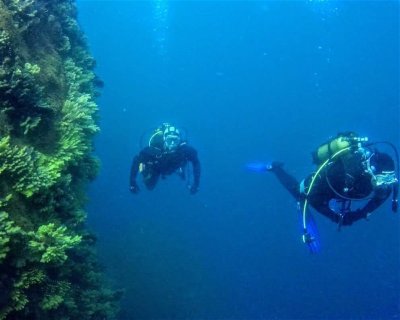
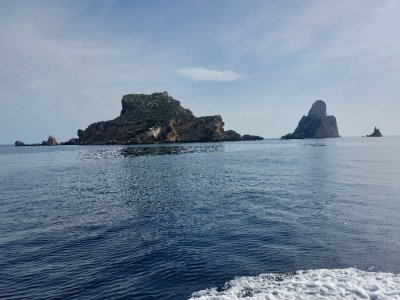
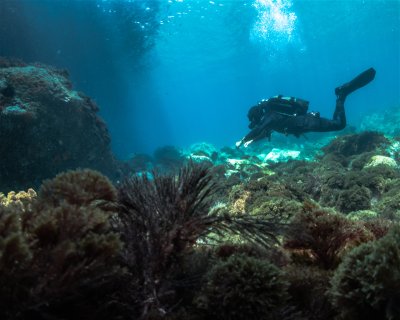
The variety of flora and fauna around the Costa Brava is extraordinary. There are several protected marine parks, such as the Medes island and Cap de Creus Natural Park, which add to the diversity and make for excellent dives. The topography also creates caves and tunnels to explore, alongside the wrecks found here. Considering the pleasant and simple shore dives also on offer, Costa Brava diving truly is ideal for all.
Courses and Events

Dive Activity

Diving in Costa Brava

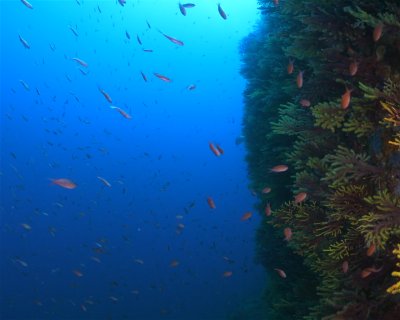
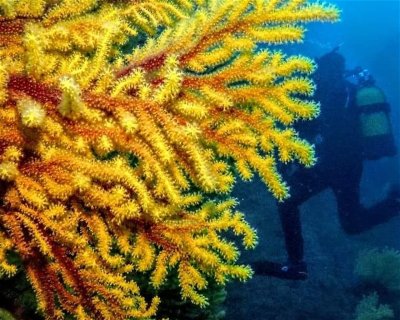
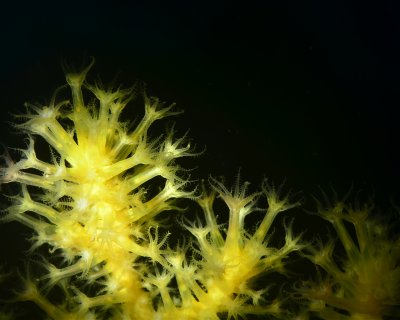
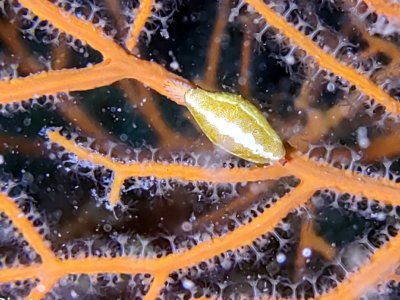
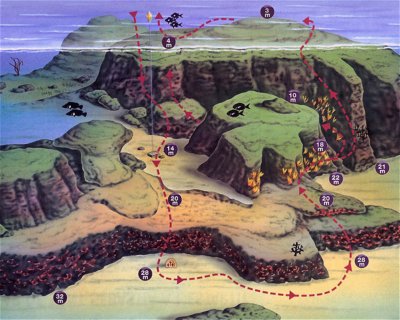
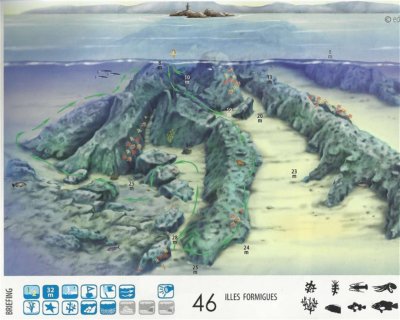
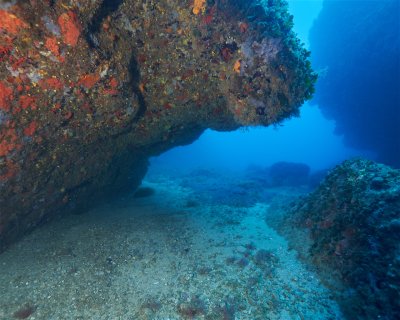
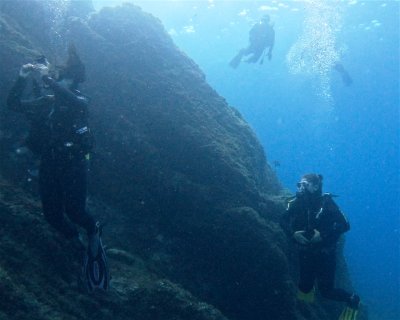
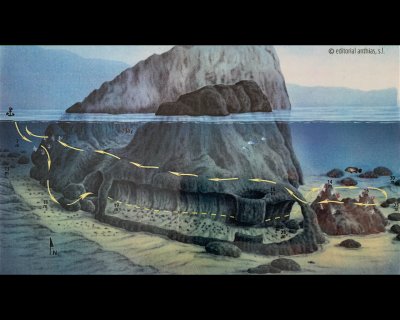
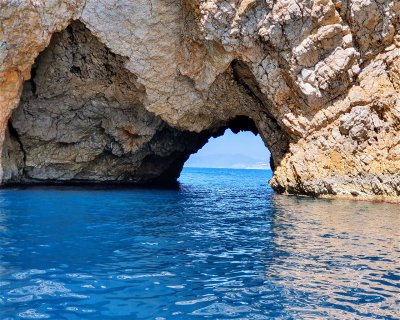
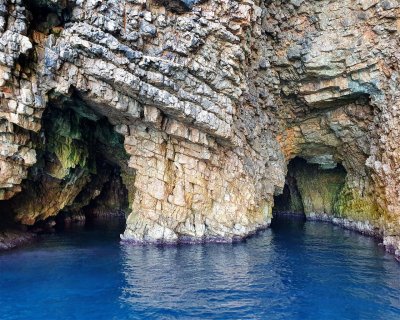
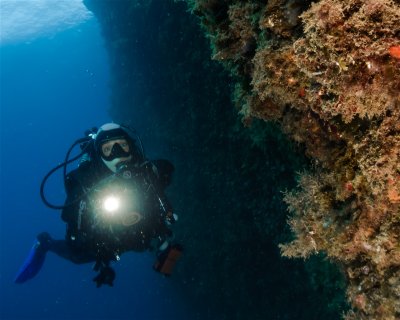
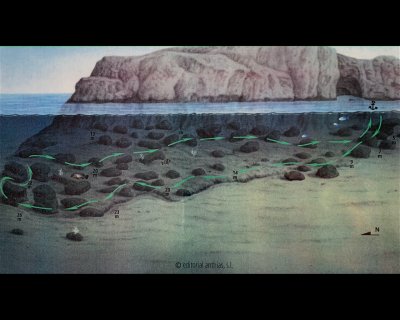
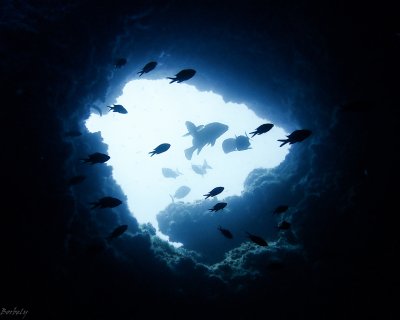
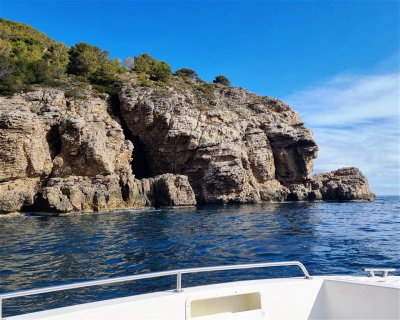
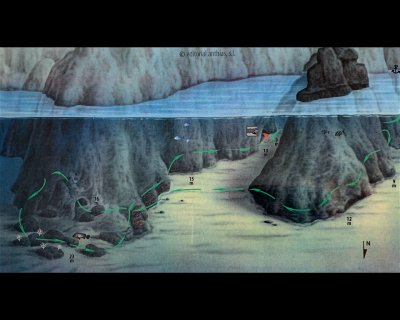
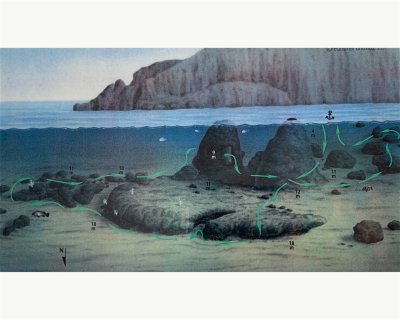
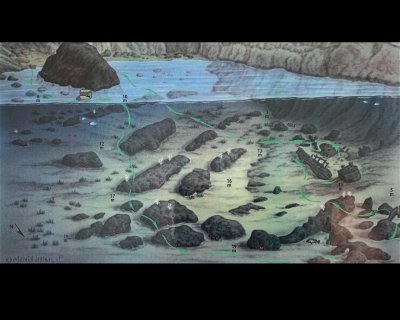
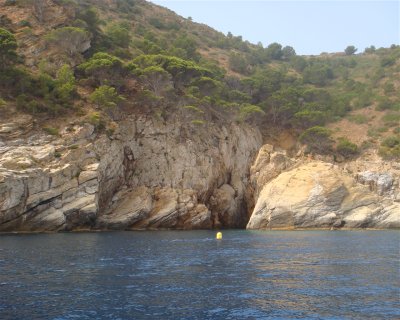
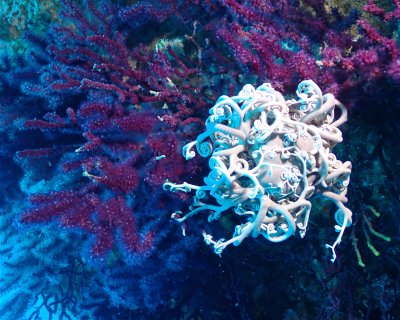
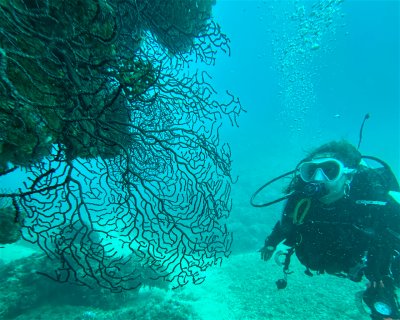
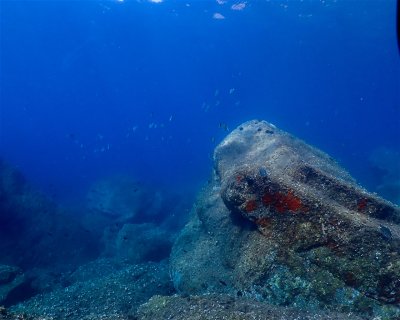
The dramatic limestone cliffs in this area of the Mediterranean are riddled with caves and caverns, many of which are ideal for divers to explore - safely,  with a qualified guide. This structure also gives rise to craggy topography on the ocean floor, fun swim throughs and dramatic overhangs where you can look for marine life. One point of interest is the volume of bright gorgonian fans and corals, in many other nearby regions, growth is limited to below 20m.
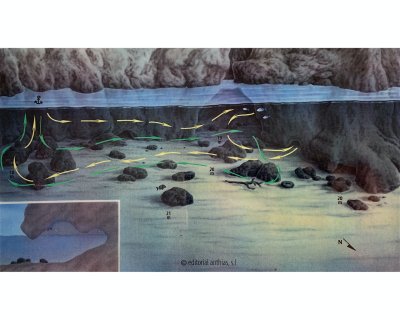
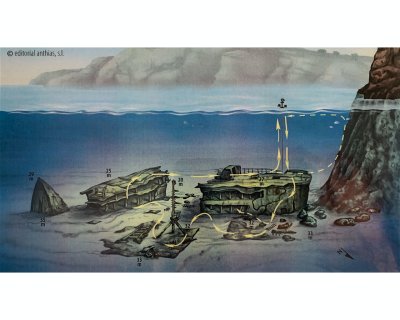
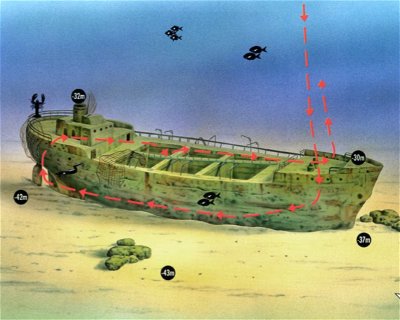
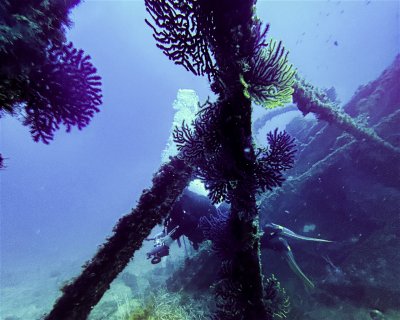
Ancient wrecks adorn the sea bed due to the aforementioned rocky coastline, lucky for future divers, less so for the people on board. These now form artificial reefs and they are usually teeming with life. Currents can be strong at some sites, leading to exhilarating drift dives. The visibility is usually around 20m but can decrease near the outlet of the River Ter due to algal blooms. 

Top Wildlife Sightings in Costa Brava

The stereotype of the Mediterranean, long held by divers, is that is now lacking in fish life due to overfishing. Though this is certainly true of some destinations, it doesn’t ring true for Costa Brava diving. There are large volumes of fish here, helped along by the unusually abundant corals and sponges. 

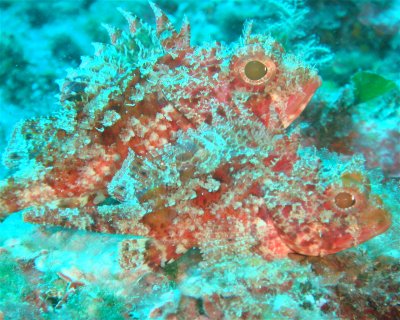
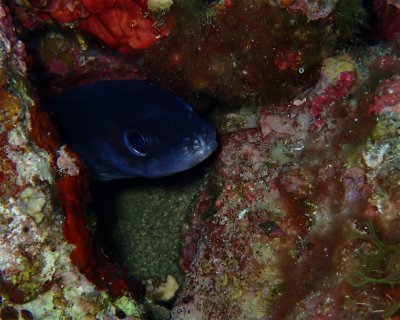
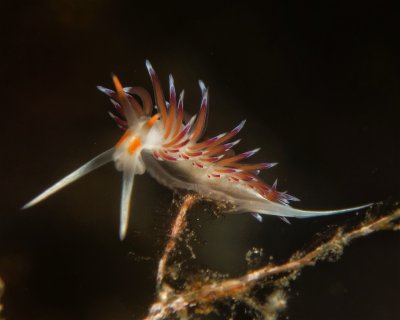
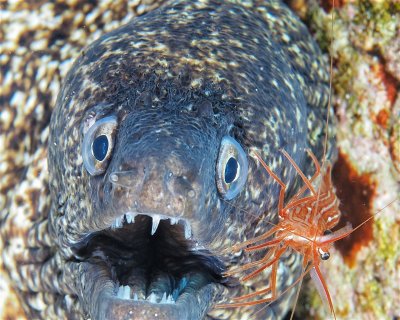
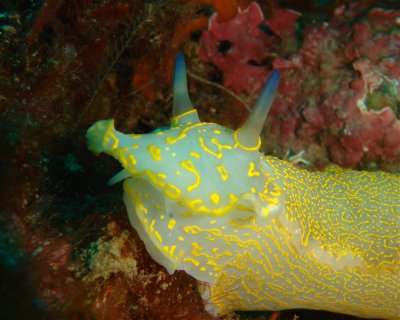
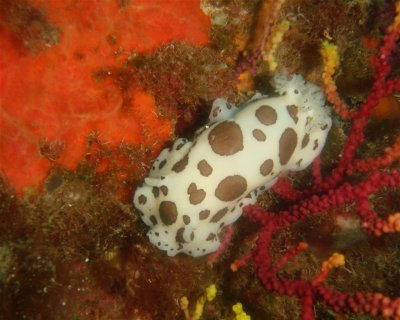
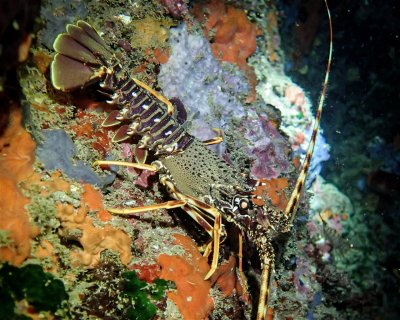
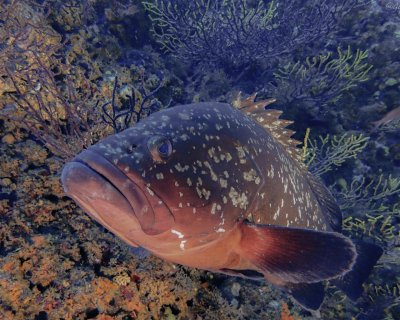
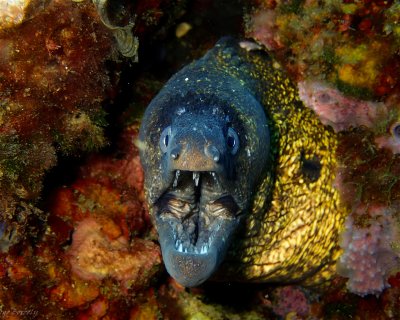
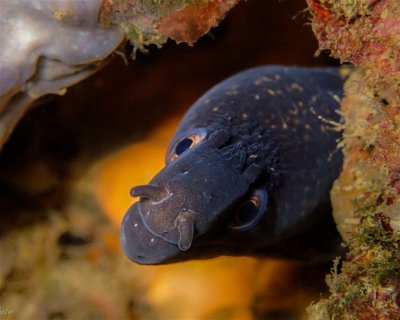
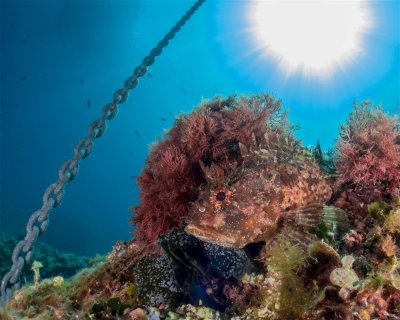
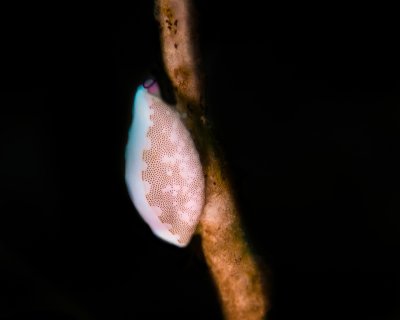
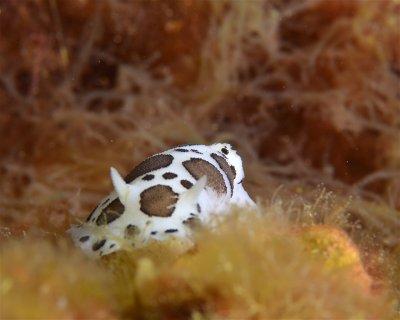
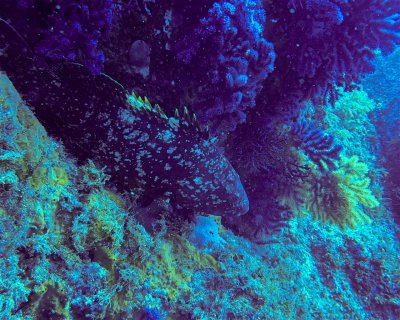
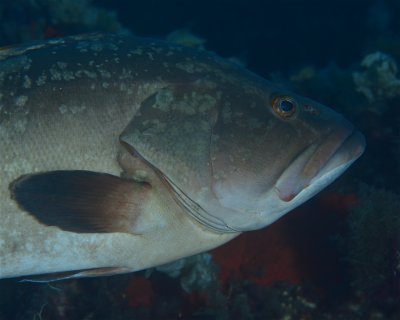
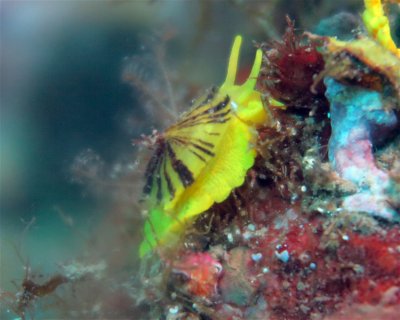
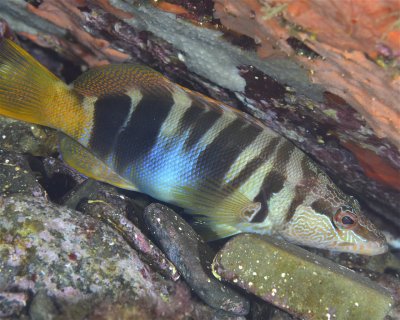
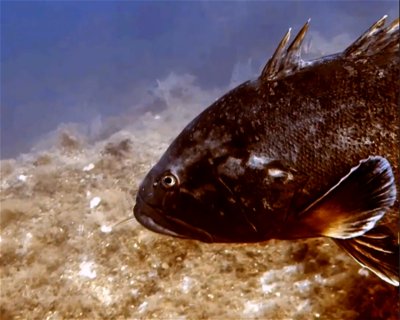
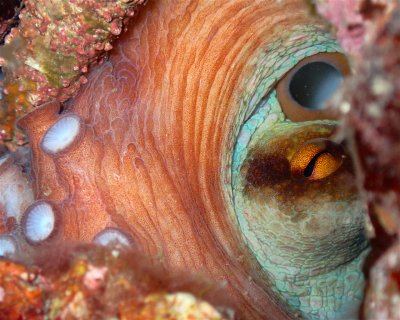
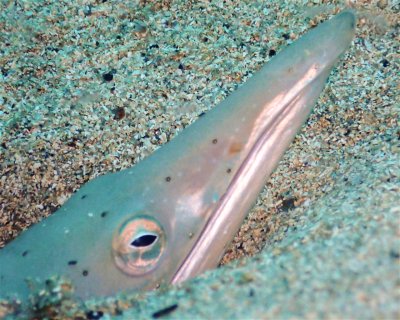
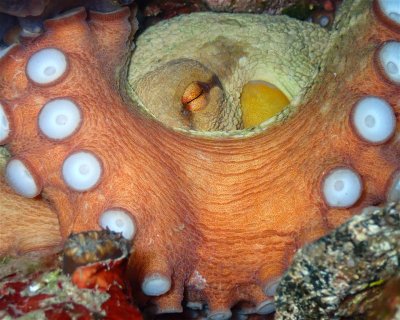
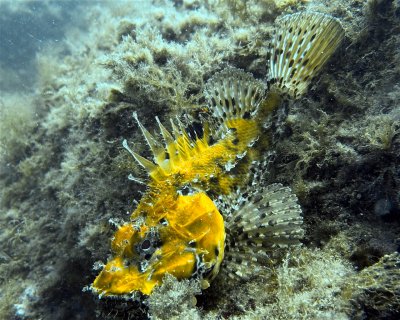
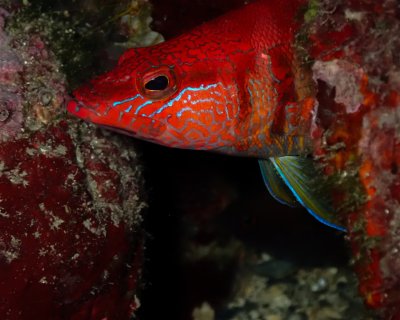
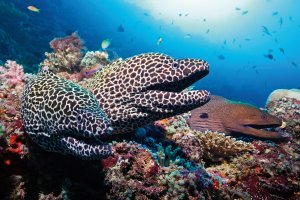
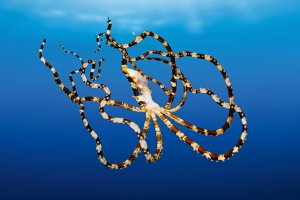
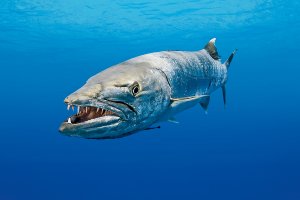
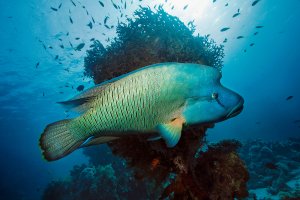
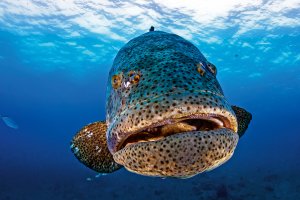
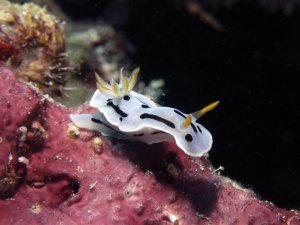
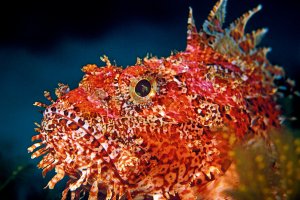
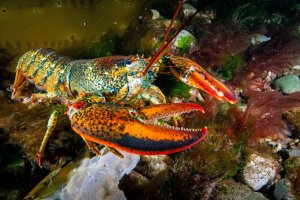
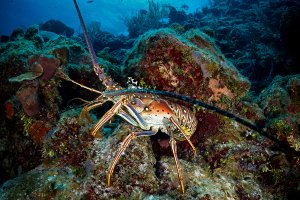
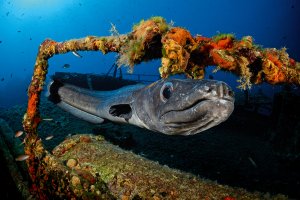
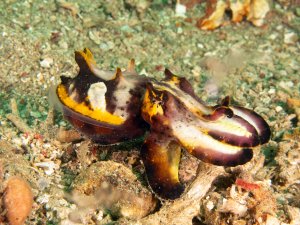
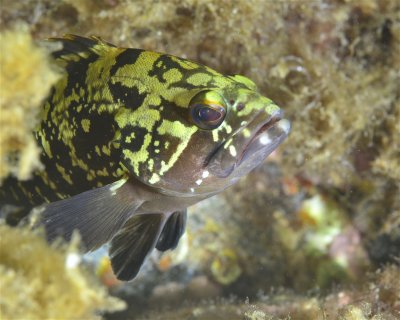
Bream, wrasse, sea bass, sea bream, red mullets and scorpionfish are all reef dwellers, common sights in these waters. Octopus and cuttlefish are abundant here. Bigger fish like barracuda and tuna can be seen in huge schools. Other things you may seen lurking in the rocky reefs are nudibranch, spider crabs, crayfish, lobster, stingrays, starfish, moray eels, conger eels and enormous grouper. Some of these groupers are over 25 years old, and very big!

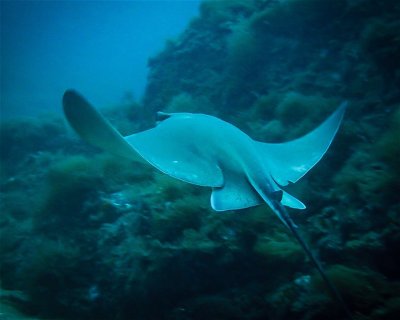
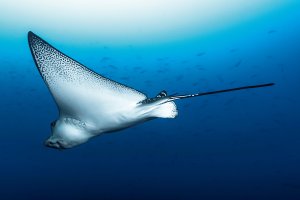
More rarely, you may find some bigger species. Eagle rays are common enough, as are turtles. Sharks sometimes venture into these waters and dolphins frequently accompany boats, though divers more rarely. One particular treat is the opportunity to see mola mola (or sunfish), one of the biggest fish in the world. 

Wildlife Sightings are Based on User Generated Content

The image shown is a representative illustration and does not depict every individual animal in this category.

Total number of species: 300

Octopus

858 Sightings
J
3
F
2
M
3
A
6
M
53
J
69
J
225
A
275
S
128
O
70
N
16
D
8

The image shown is a representative illustration and does not depict every individual animal in this category.

Total number of species: 200

Moray Eel

686 Sightings
J
1
F
0
M
0
A
4
M
35
J
50
J
161
A
242
S
125
O
59
N
8
D
1

The image shown is a representative illustration and does not depict every individual animal in this category.

Total number of species: 27

Barracuda

198 Sightings
J
1
F
0
M
0
A
0
M
0
J
14
J
68
A
75
S
28
O
11
N
0
D
1

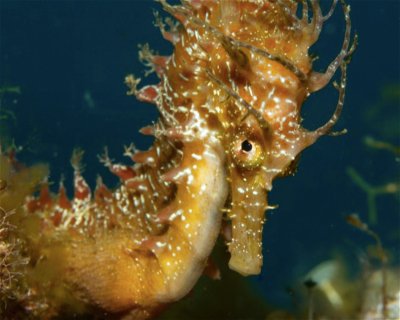
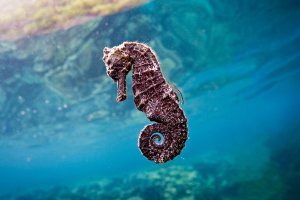
Common Seahorse

255 Sightings
J
0
F
0
M
0
A
0
M
0
J
13
J
71
A
91
S
56
O
18
N
6
D
0

The image shown is a representative illustration and does not depict every individual animal in this category.

Total number of species: 120

Cuttlefish

125 Sightings
J
1
F
0
M
0
A
0
M
23
J
20
J
22
A
30
S
26
O
0
N
3
D
0

The image shown is a representative illustration and does not depict every individual animal in this category.

Total number of species: 3000

Nudibranch

110 Sightings
J
0
F
4
M
0
A
1
M
4
J
0
J
16
A
50
S
29
O
6
N
0
D
0

The image shown is a representative illustration and does not depict every individual animal in this category.

Total number of species: 250

Scorpionfish

93 Sightings
J
1
F
0
M
0
A
1
M
0
J
0
J
26
A
42
S
15
O
5
N
2
D
1

The image shown is a representative illustration and does not depict every individual animal in this category.

Total number of species: 120

Flounder

52 Sightings
J
1
F
0
M
0
A
0
M
0
J
0
J
17
A
14
S
16
O
0
N
2
D
2

The image shown is a representative illustration and does not depict every individual animal in this category.

Total number of species: 3400

Shrimp

46 Sightings
J
1
F
1
M
0
A
1
M
2
J
2
J
1
A
15
S
17
O
4
N
2
D
0

The image shown is a representative illustration and does not depict every individual animal in this category.

Total number of species: 90

Goatfish

45 Sightings
J
0
F
0
M
0
A
0
M
23
J
0
J
0
A
22
S
0
O
0
N
0
D
0

The image shown is a representative illustration and does not depict every individual animal in this category.

Total number of species: 250

Grouper/Basslets

44 Sightings
J
0
F
0
M
0
A
0
M
5
J
4
J
1
A
24
S
5
O
5
N
0
D
0

The best Months to Dive in Costa Brava

Diving in Costa Brava is possible year round due to the temperate, Mediterranean climate. The summers are defined by hot, dry days and balmy nights. The air temperatures sit in the high 20s and 30s, while the water temperatures peak at 23°C in July and August. Though mild, most people require a wetsuit to dive at all times. The months between May and September are high season, when holiday makers from around the world flock to sun themselves here. As a result, places book up fast, it is busier and prices may increase. 

The winters can be cold here, with air temperatures dropping to below 10°C in January and February. The water temperatures also dip to 13°C, with some companies offering drysuit dives. The rainiest season is from September to November, though rainstorms can occur at any time. Some companies close during this low season, so check before you book!

Dive Centers

Dive Sites