Anambas Islands
Located in the South China Sea is the Anambas Islands, an archipelago in Riau Islands, Indonesia. Of
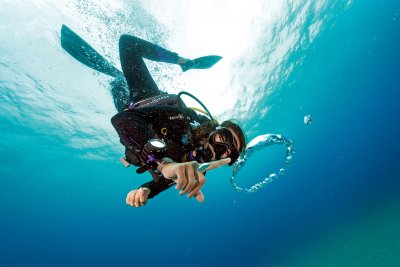
The Riau Islands is an Indonesian province comprising 1769 islands lying from the Malacca Strait to the South China Sea. The Malacca Straits is one of the oldest and busiest marine trading routes, so it is not surprising that while scuba diving the Riau Islands, divers encounter a number of wrecks, from merchant ships to World War II bombers.
Situated only a short boat ride from Singapore, the Bintan and Batam Islands are the most well-known of the Riau archipelago. Bintan’s calm shallow waters and fringing reefs are ideal for novice dive courses and those searching for macro critters while the southern reefs of Batam are nutrient-rich and home to sea turtle, stingray, and reef sharks. Divers who are more experienced can head to the Anambas Islands, where away from the protection of coastal sites are the chance to drift along walls and pinnacles among barracuda. There’s even the potential to spot whale sharks on their migratory route!
Aside from the Bintan and Batam Islands, as you travel into the archipelago the islands are mostly undeveloped and Riau Islands diving is undiscovered by most. Liveaboards across the region allow divers to explore areas that are not accessible by staying on one of the dive resorts at Bintan Island. If you want to dive the Riau Islands through reputable dive centres, there are a number on Singapore yet, the Bintan and Batam Islands are likely to be the extent of the excursion.
The Codd Wreck is a 100-year-old ship encrusted in coral, providing a vibrant habitat for frogfish, scorpionfish, cuttlefish, and pipefish amidst feather stars and sea fans. This site is suitable for advanced scuba divers who enjoy exploring wrecks.
The Igara Wreck, resting at depths from 14–41 meters/46–135 feet, is a haven for diverse marine life, including the occasional nurse shark. It offers an adventurous experience for advanced divers interested in deep wreck diving.
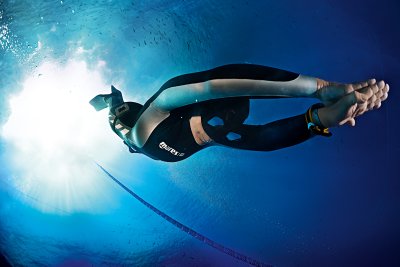
Mapur Island features pristine coral reefs with submerged pinnacles and sloping seabeds. Suitable for both scuba and freediving, it offers easy-level dives with a chance to see diverse marine flora and fauna in untouched conditions.
At Damar Island, divers can explore an underwater pinnacle known for whale shark sightings during migration. This site is ideal for both scuba and freediving, with moderate difficulty and exceptional biodiversity.
Batu Kataoka boasts clear waters and abundant marine life, including blacktip reef sharks. Suitable for both scuba and freediving, this site offers easy to moderate dives with impressive underwater landscapes.
The Riau Islands offer favorable diving conditions throughout the year, making it an attractive destination for divers. Water temperatures generally range from 27°C–30°C/81°F–86°F, providing a comfortable environment for both novice and experienced divers. Visibility is typically good, ranging from 10–20 meters/33–66 feet, though it can vary depending on the season and specific dive sites.
While diving is possible year-round, the best conditions are usually found during the dry season from May to September. During this period, calmer seas and minimal rainfall enhance visibility and the overall diving experience. However, from November to early March, the region experiences the northeast monsoon, which can bring stronger winds and currents, reducing visibility and making diving less favorable. Planning trips outside of these months might ensure a more pleasant diving adventure.
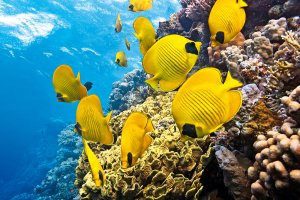
The Riau Islands, nestled in the South China Sea, boast a vibrant marine ecosystem teeming with diverse marine life. Among the coral reefs, divers can commonly encounter colorful reef fish such as clownfish, parrotfish, and angelfish. The rich biodiversity is a testament to the health of the coral reefs in this region, providing a feast for the eyes of snorkelers and divers alike. Seasonal highlights in the Riau Islands include sightings of majestic marine creatures such as reef sharks, which are more likely to be observed from May to September. During these months, divers may also spot green sea turtles gliding gracefully through the waters. Additionally, eagle rays are occasional visitors, particularly around the deeper waters. These sightings, however, can vary depending on specific dive sites and conditions during the year.
Wildlife Sightings are Based on User Generated Content
The image shown is a representative illustration and does not depict every individual animal in this category.
Total number of species approx.: 90
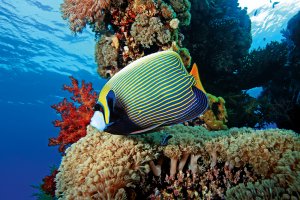
The image shown is a representative illustration and does not depict every individual animal in this category.
Total number of species approx.: 80
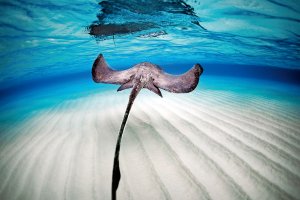
The image shown is a representative illustration and does not depict every individual animal in this category.
Total number of species approx.: 100
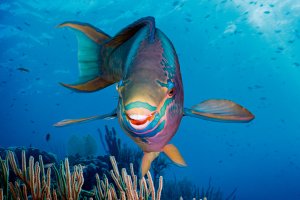
The image shown is a representative illustration and does not depict every individual animal in this category.
Total number of species approx.: 250
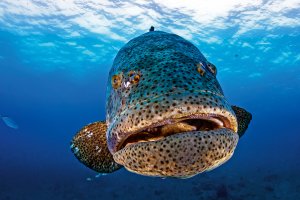
The image shown is a representative illustration and does not depict every individual animal in this category.
Total number of species approx.: 28
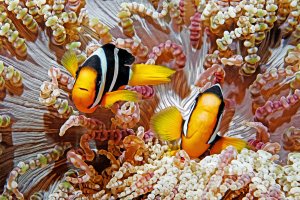
The image shown is a representative illustration and does not depict every individual animal in this category.
Total number of species approx.: 3000
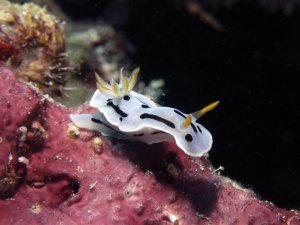
The image shown is a representative illustration and does not depict every individual animal in this category.
Total number of species approx.: 130