Explore Tutukaka

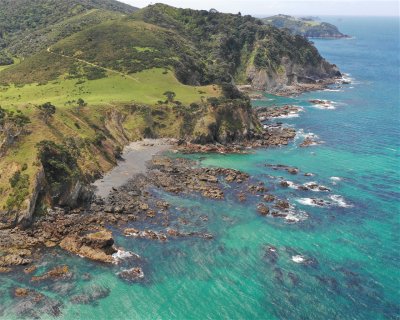
Gateway to some of the world’s most premier sub-tropical diving destination, the Tutukaka Coast is the best place to catch a dive boat from the North Island to the Poor Knights Islands Marine Reserve. The islands’ stunning volcanic landscape of arches, sea caves and towering cliffs, combined with clear water and remarkably abundant marine life, make them a mecca for divers.

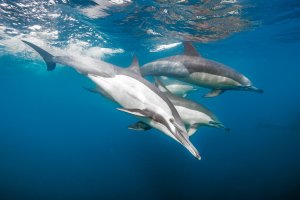
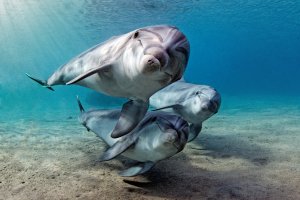
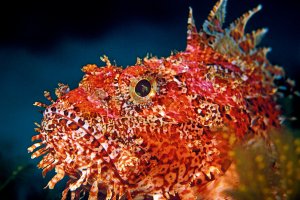
Designated as both a marine reserve and nature reserve, huge schools of maomao create seemingly impenetrable walls in underwater caves, scorpionfish hide amongst kelp and giant stingrays in their hundreds can be witnessed as they gather to mate. Prepare to witness dolphins, bull rays and even the ultimate predator of the seas, the orca whale.

Located on the east coast of Northland, New Zealand, scuba diving in Tutukaka can be reached from a 30-minute drive from the city of Whangarei. There are two dive centres that provide Tutukaka diving and are ready to escort divers to the world-renowned Poor Knights Islands as well as the two large navy vessels, HMNZS Tui and HMNZS Waikato, located nearby. Dive centres in the area offer dive courses ranging from your first underwater experience to becoming a professional dive instructor.
Dive Activity

Diving in Tutukaka

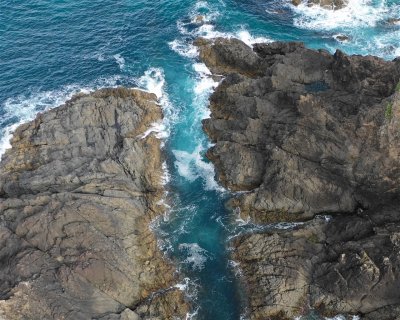
The volcanic origins of the Poor Knights Islands have led to the erosion of cliffs into fantastic caves and arches, sheer walls and wave-cut shelves thick with kelp and filter-feeders. One of the islands best-known sites is the Blue Maomao Arch where a large swim-through can be ventured through. The largest sea bridge and the largest surveyed sea cave in the southern hemisphere - the Riko Riko Cave - are located here, where divers can explore several dive sites in the 139 metre long cave. Other impressive caves found while scuba diving in Tutukaka is the Northern Arch, Middle Arch, Bernies Cave, El Torito Cave, The Tunnel, Shaft Cave, and the Airbubble Cave - there are so many to choose from!

Pinnacles experience strong currents while there is also some impressive wreck diving. The HMNZS Tui and HMNZS Waikato are two large navy vessels which have been specifically prepared for adventure diving with several swim-throughs. These wrecks are great for completing wreck specialty dive courses.

Dive Sites

Top Wildlife Sightings in Tutukaka

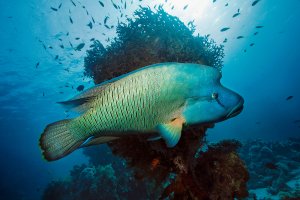
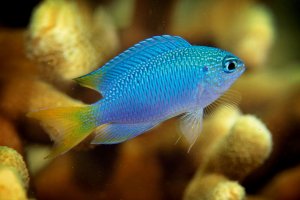
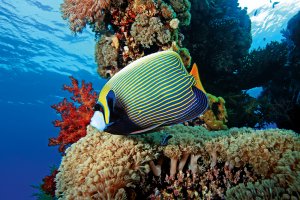
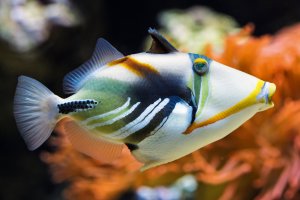
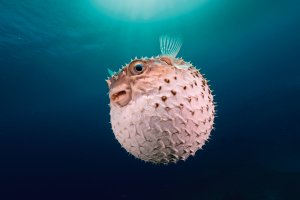
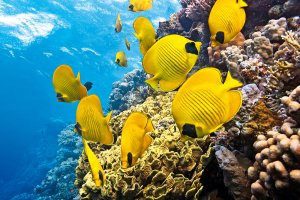
During the summer months, tropical fish are carried down to the Poor Knights Islands by the East Auckland Current, including species such as the Lord Howe coral fish, tropical wrasse, and groupers. Occasionally, manta rays and sea turtles visit using this path. Over 125 species of fish share the underwater landscape with soft corals, encrusting sponges, bright anemones, kelp forests, and gorgonian sea fans. The diversity of habitats combined with the mixing of warm and cold-water currents results in a unique and rich assemblage of species - a sub-tropical haven!

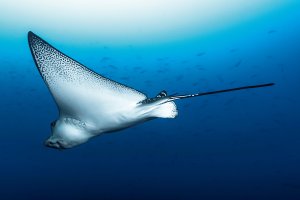
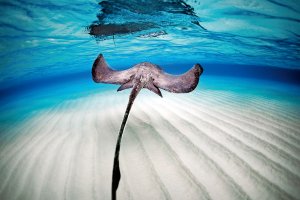
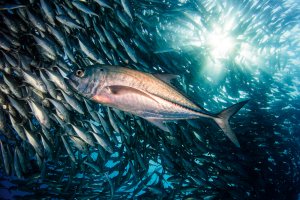
The nutrient-rich water creates plankton blooms in summer which lead to an incredible abundance of fish found at sites. Huge schools of pink and blue maomao, snapper and trevallies drift among the rocks and kelp while large squadrons of stingray congregate to mate. The large congregation is thought to be in defence against Tutukaka’s top predator, the orca. Each year, orcas are known to visit the island and feed on big rays including bull rays and long and short-tail stingray.

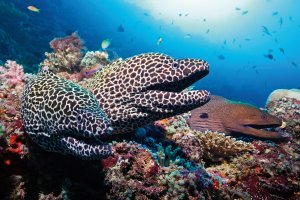
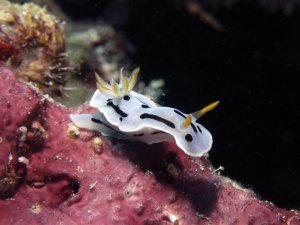
On rocky surfaces, there is a myriad of brilliantly coloured nudibranch and invertebrates while bronze whaler sharks and seals are often sighted.

Wildlife Sightings are Based on User Generated Content

Octopus

10 Sightings
J
0
F
0
M
0
A
0
M
0
J
1
J
1
A
0
S
0
O
2
N
5
D
1

Eagle Ray

8 Sightings
J
1
F
0
M
0
A
0
M
0
J
0
J
0
A
0
S
2
O
1
N
2
D
2

Common Dolphin

2 Sightings
J
0
F
0
M
0
A
0
M
0
J
0
J
0
A
0
S
0
O
0
N
2
D
0

Moray Eel

1 Sightings
J
0
F
0
M
0
A
0
M
0
J
0
J
0
A
0
S
1
O
0
N
0
D
0

Crab

11 Sightings
J
0
F
0
M
0
A
0
M
0
J
1
J
0
A
0
S
2
O
1
N
6
D
1

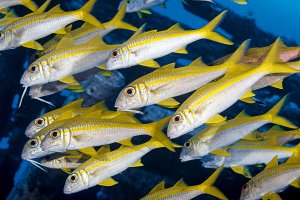
Goatfish

10 Sightings
J
0
F
1
M
0
A
0
M
0
J
0
J
0
A
0
S
1
O
1
N
5
D
2

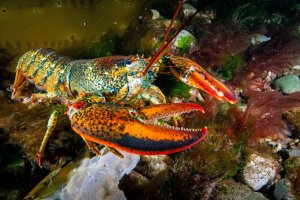
Spiny Lobster

10 Sightings
J
0
F
0
M
0
A
0
M
0
J
2
J
0
A
0
S
2
O
5
N
0
D
1

Snapper

7 Sightings
J
0
F
0
M
0
A
0
M
0
J
0
J
0
A
0
S
2
O
1
N
3
D
1

Nudibranch

7 Sightings
J
0
F
0
M
0
A
0
M
0
J
0
J
0
A
0
S
0
O
1
N
6
D
0

Stingrays

5 Sightings
J
1
F
0
M
1
A
0
M
0
J
0
J
0
A
0
S
1
O
1
N
0
D
1

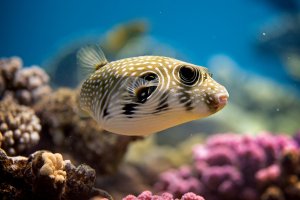
Pufferfish

5 Sightings
J
0
F
0
M
0
A
0
M
0
J
0
J
0
A
0
S
0
O
3
N
1
D
1

Angelfish

2 Sightings
J
0
F
0
M
0
A
0
M
0
J
0
J
0
A
0
S
0
O
0
N
2
D
0

Scorpionfish

2 Sightings
J
0
F
0
M
0
A
0
M
0
J
0
J
0
A
0
S
0
O
0
N
2
D
0

Porcupinefish

2 Sightings
J
0
F
0
M
0
A
0
M
0
J
0
J
0
A
0
S
0
O
2
N
0
D
0

Butterfly Fish

1 Sightings
J
0
F
0
M
0
A
0
M
0
J
0
J
0
A
0
S
0
O
0
N
1
D
0

Triggerfish

1 Sightings
J
0
F
0
M
0
A
0
M
0
J
0
J
0
A
0
S
0
O
0
N
1
D
0

Garfish

1 Sightings
J
0
F
1
M
0
A
0
M
0
J
0
J
0
A
0
S
0
O
0
N
0
D
0

Shrimp

1 Sightings
J
0
F
0
M
0
A
0
M
0
J
0
J
0
A
0
S
0
O
1
N
0
D
0

Jackfish

1 Sightings
J
0
F
0
M
0
A
0
M
0
J
0
J
0
A
0
S
1
O
0
N
0
D
0

Parrotfish

1 Sightings
J
0
F
0
M
0
A
0
M
0
J
0
J
0
A
0
S
1
O
0
N
0
D
0

The best Months to Dive in Tutukaka

Located in the far north of the North Island as well as being influenced by the warm current that comes south from the Coral Sea in Australia, scuba diving in Tutukaka sees some of New Zealand’s warmest diving conditions. Underwater there are two distinct seasons, the summer months between November and April and the winter months between May and September.

During the summer, the water temperature can reach 20°C–23 °C and the visibility averages around 20 metres. The warm conditions create ideal conditions for stingrays and orca while manta rays, humpback whales and even turtles may be witnessed. However, warmer water can trigger plankton blooms which reduces the visibility but brings with them an influx of marine life. During the winter months, the water temperatures drop as low as 14°C–16 °C and the visibility improves, reaching over 30 metres on a good diving day.