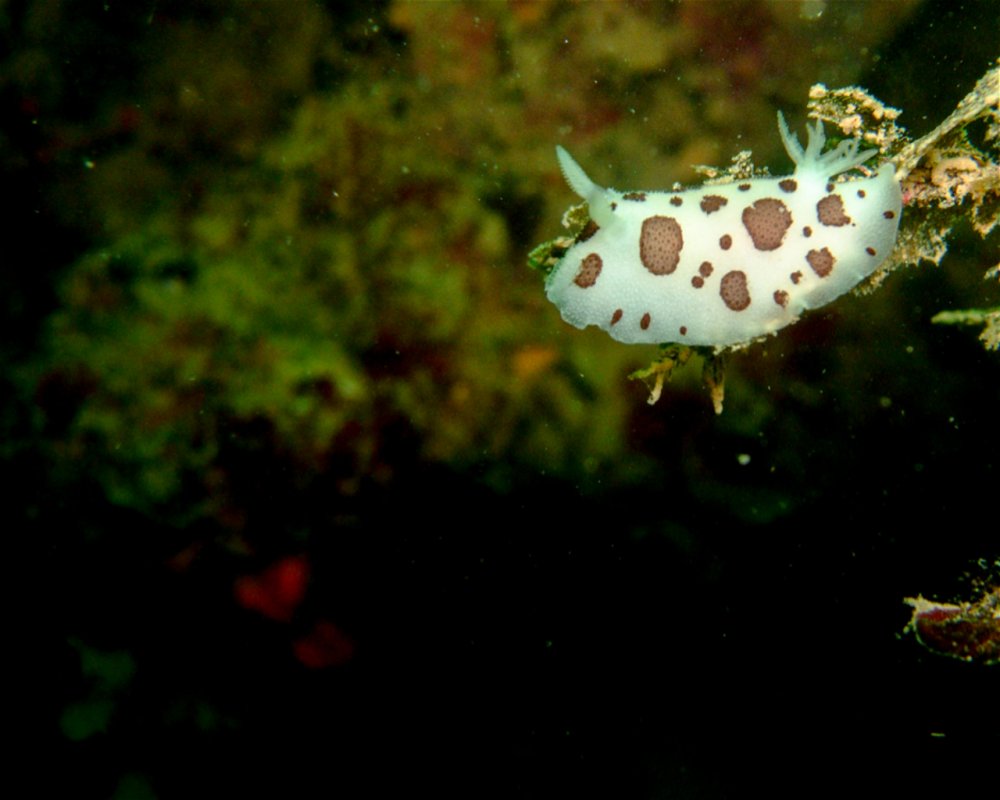
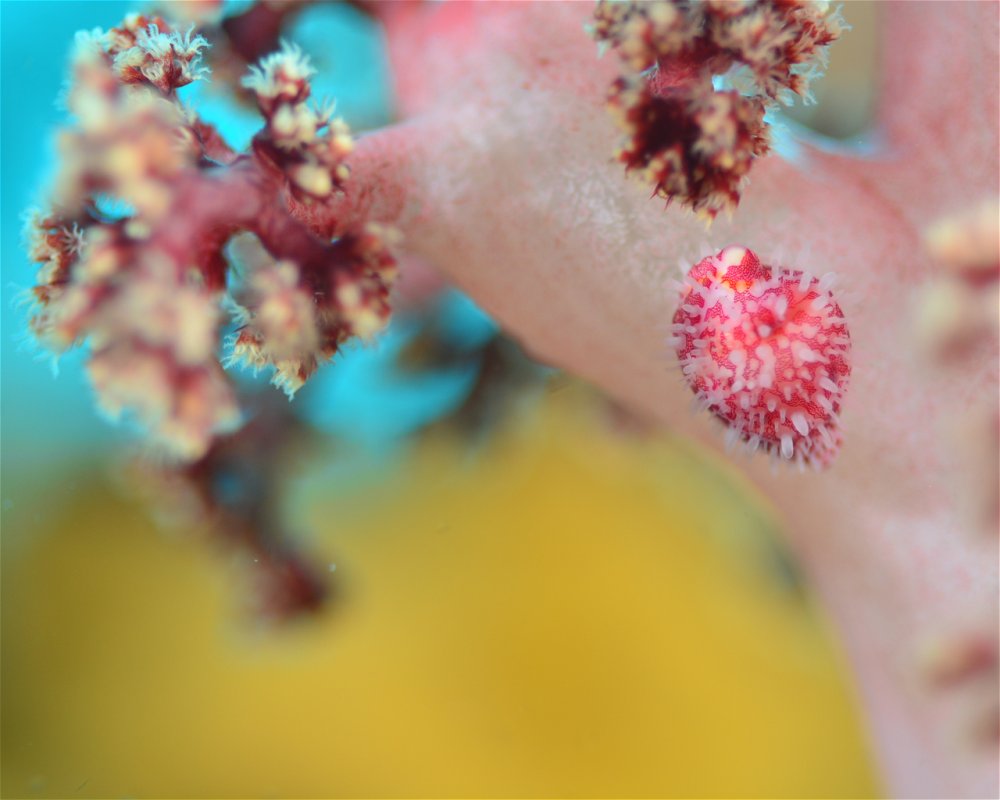
One of the most fascinating creatures of the sea, these small but mighty jelly-bodied, shell-less mollusks are part of the sea slug family. Nudibranchs inhabit ocean waters throughout the world, from the Southern Ocean to the Arctic and everywhere in between. Depending on the species, adult sizes can range from 0.25 to 12 inches. These soft-bodied gastropods derive their name from the Latin word Nudibranchia, meaning naked gills, which is why most have feathery gills and horns on their backs.
Nudibranchs are famous for their extravagant coloration and ornate patterns, making them a favorite sighting amongst divers. Three thousand known species of nudibranchs live in all saltwater habitats and depths from the intertidal zone to over 700m (2,300ft) deep; however, the largest variety resides on shallow, warm reefs. As benthic animals, these beautiful, oblong-shaped invertebrates are usually seen crawling along the substrate, grazing on algae, coral, anemones, sponges, and more. Check out the map below to see where you can find your favorite nudibranch species.
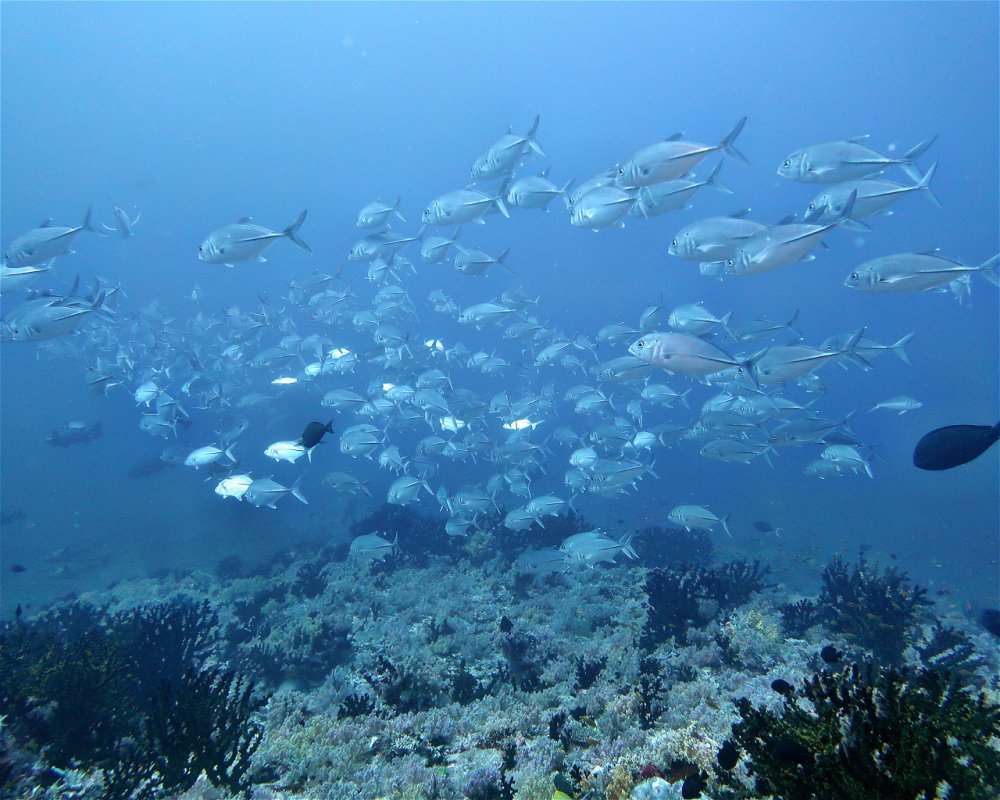
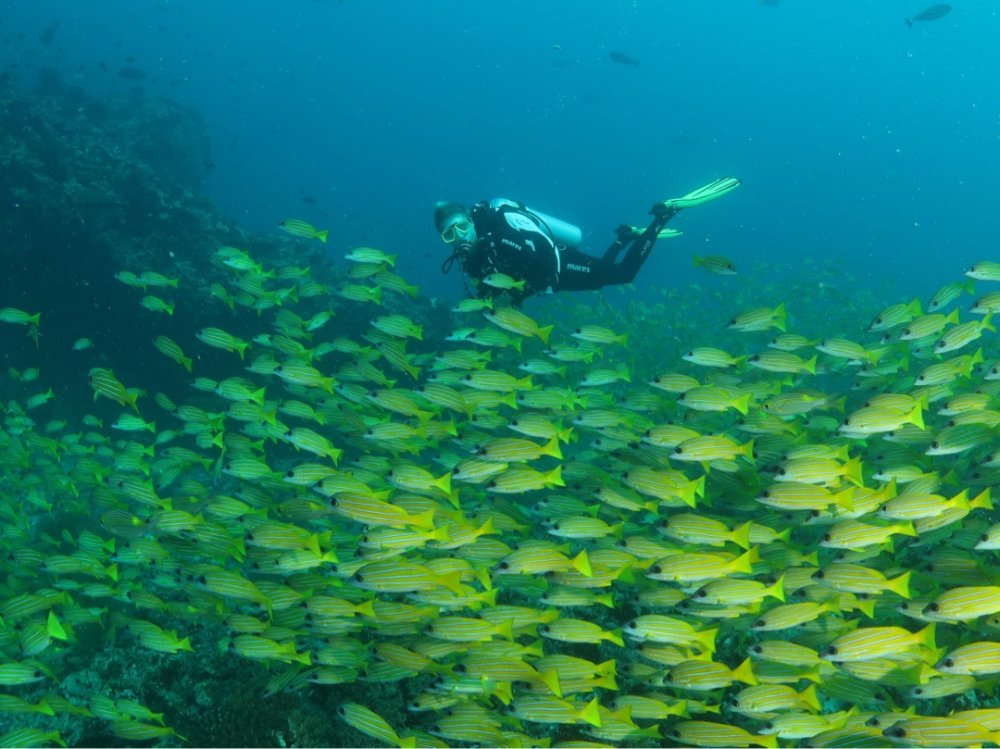
Gentle slope reef with a lot of yellow tail Snappers, resident Green Turtles and Hawksbill turtles. Reef has strong current but a diver can hide behind huge coral bommies and hang out with fish at 5m
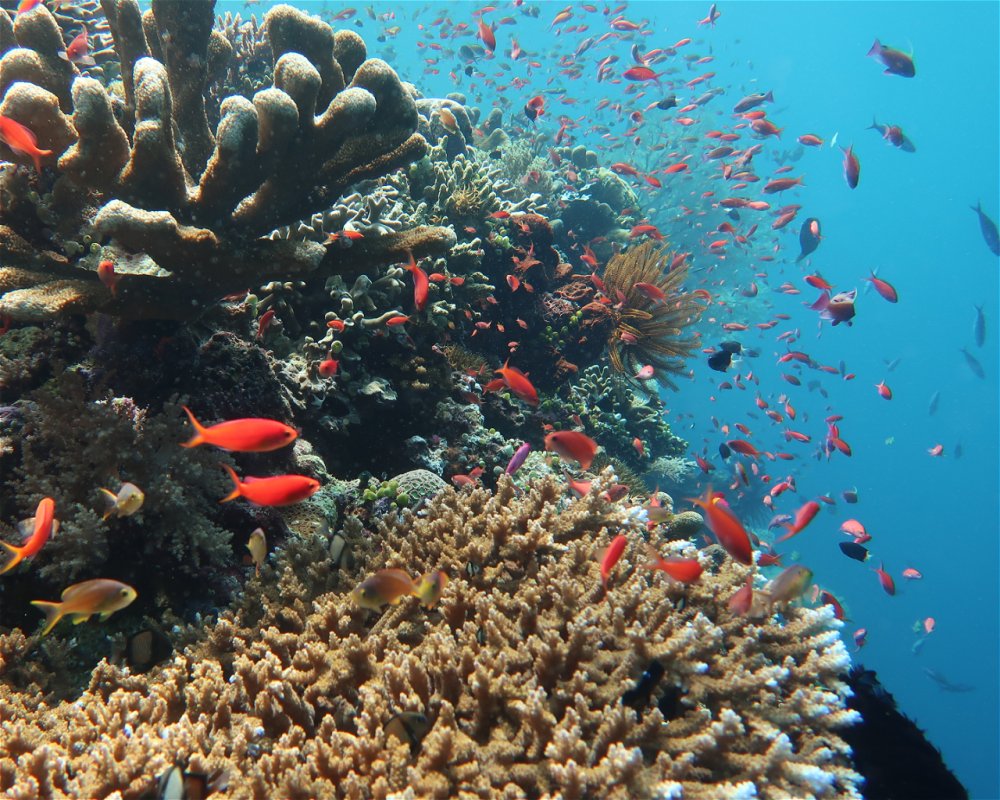
A very colourful wall dive. A short distance from Blue Mao Mao Arch on the opposite side of the Labrid Channel and in good conditions with no current, both sites could be seen on the same dive for divers good on their gas consumption and navigation. The walls maximum depth is around 20m.
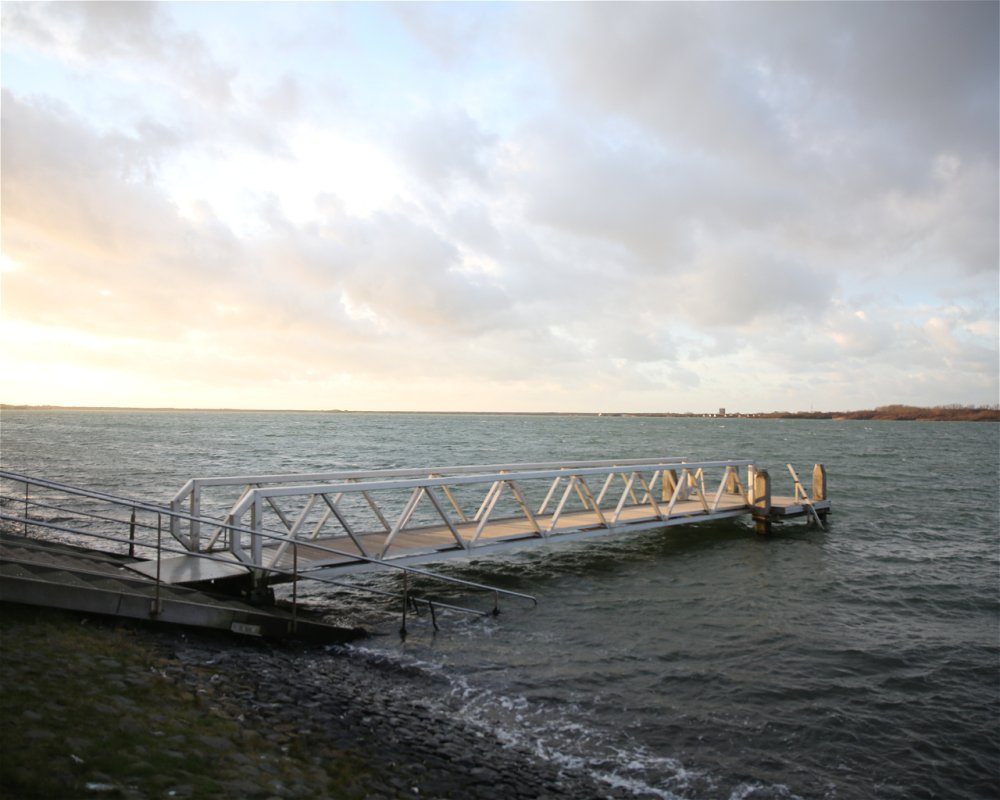
Easy shallow dive in a sheltered bay. Lots of rocks around the edges of this bay. The deepest area is the sand line at 18m at the entrance. Go around the southern point to “The Labyrinth“ and find the swim throughs there.
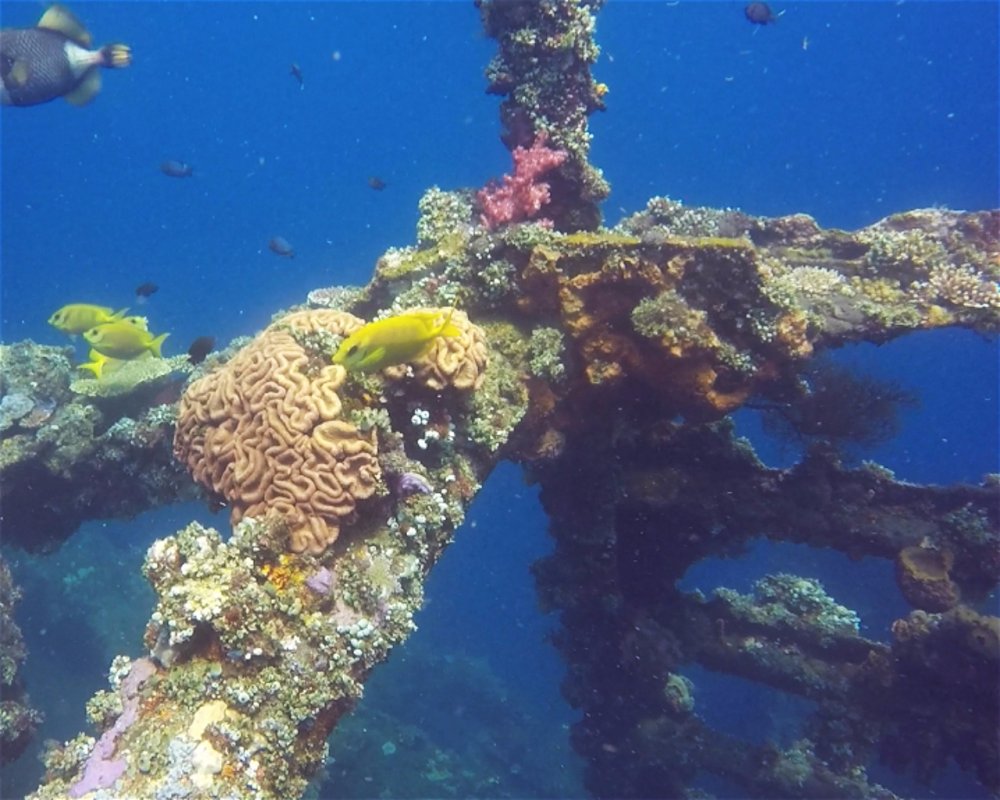
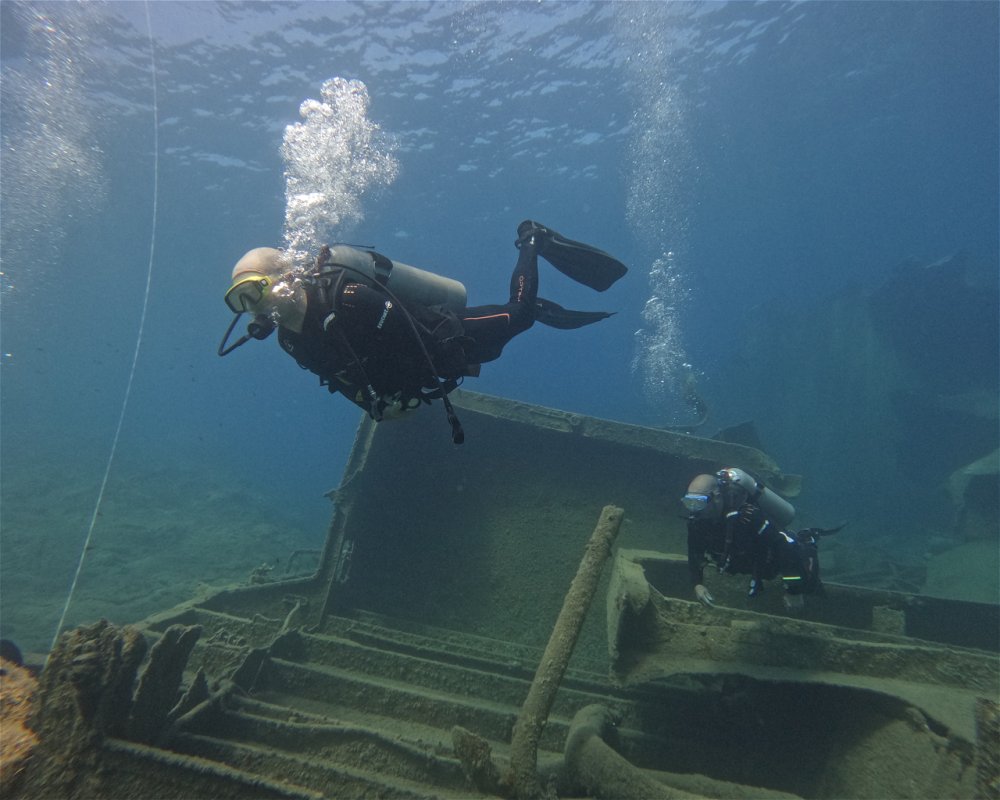
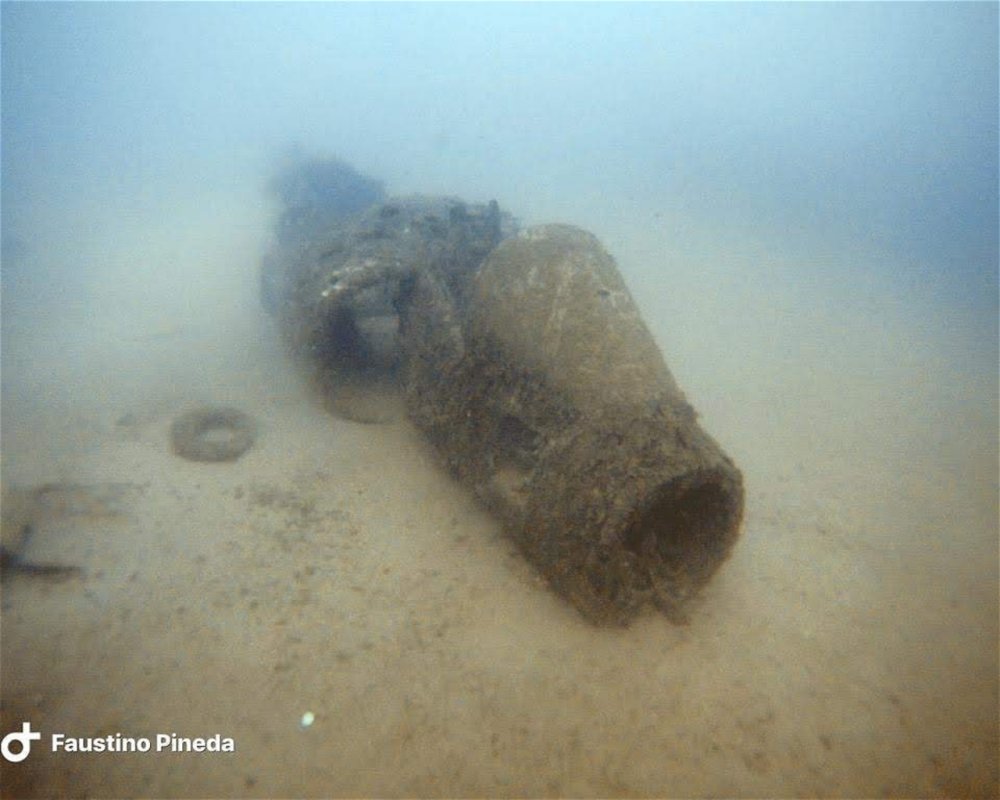
A beautiful coastal dive site located at the mouth of Torkul Bay. It is named after a famous local fisherman who also worships diving. The interesting thing about the bay is that there are several smaller and larger wrecks at this dive site, so this little hidden bay hides interesting things for everyone.
In about 20 minutes boat ride we reach el Tabal, the lighthouse perched high on the cliff. Because of the depth profile only suitable for advanced divers, we meet the reef in about 22 meters on a plateau, which slopes gently towards the south and has an impressive steep wall in the north.
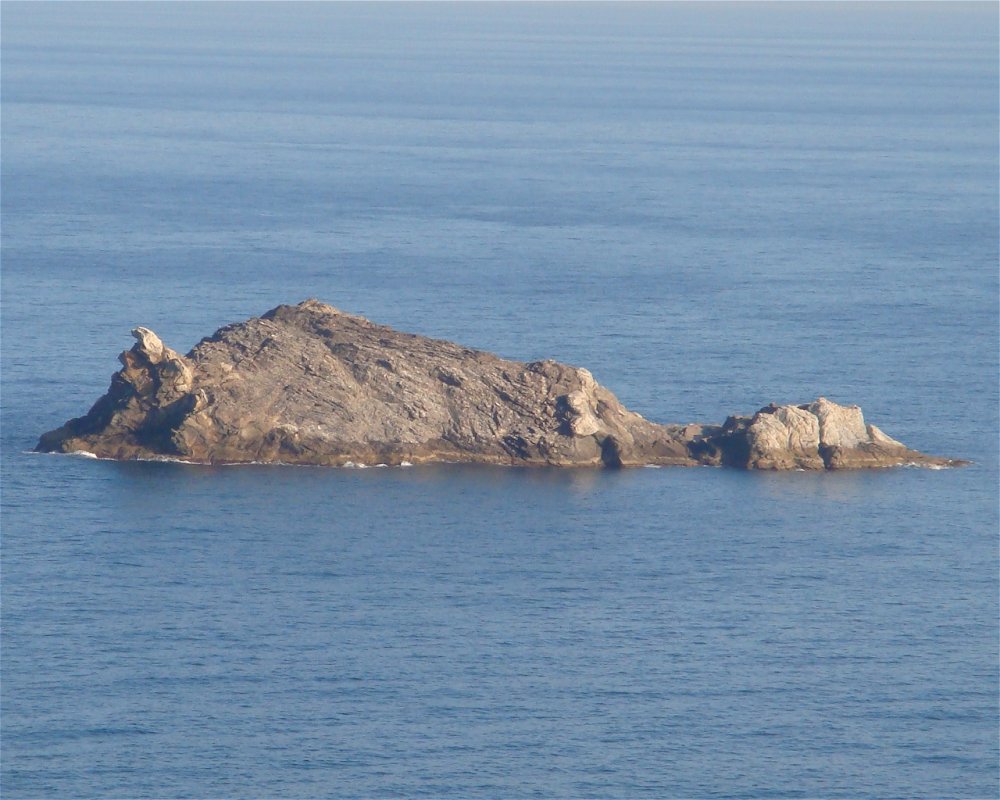
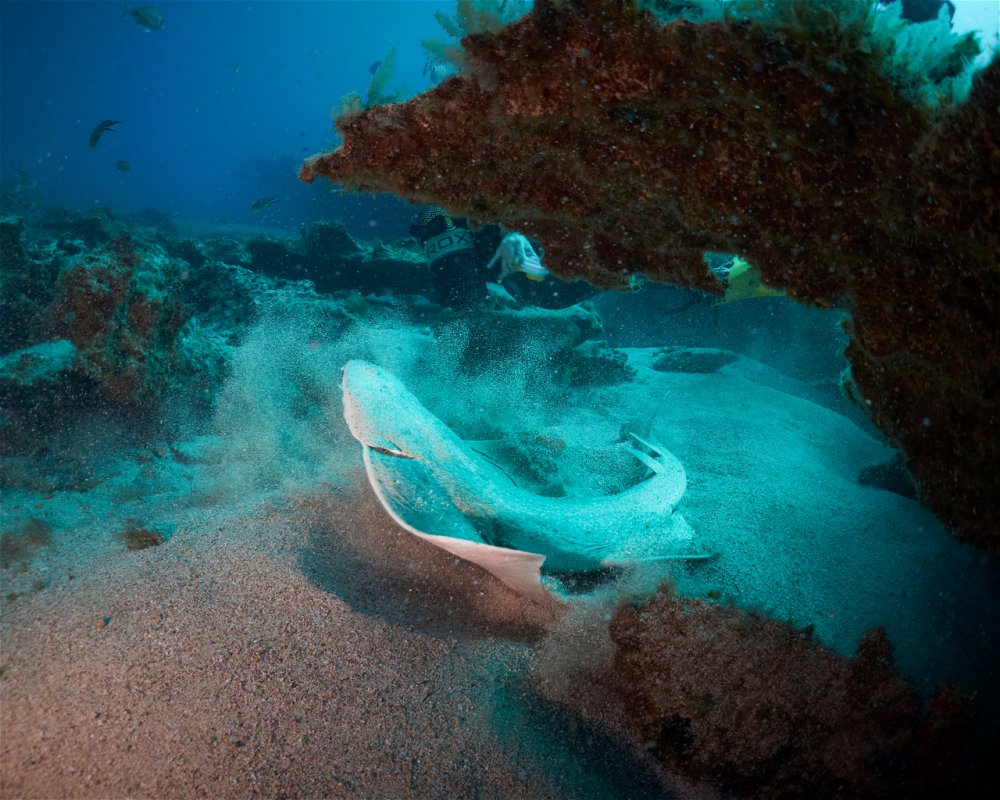
This is a great site with depth ranges to suit all ability of diver, from beginner to tech and all the levels in between. Big boulders, kelpy and depth if you look for it. Eastward side of the Poor Knights Islands which doesn’t great visited as often as we would like due to the easterly sea conditions.