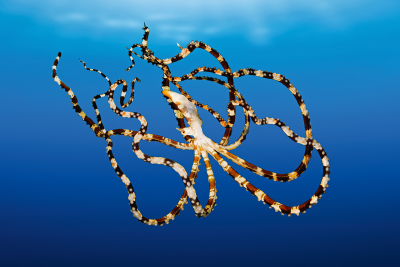
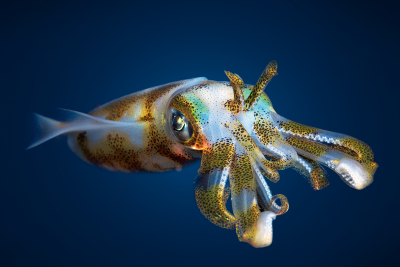
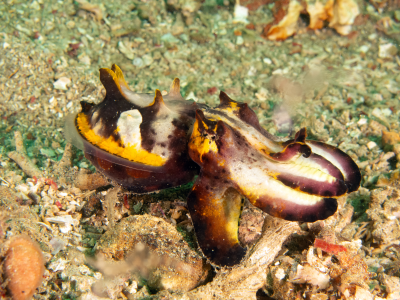
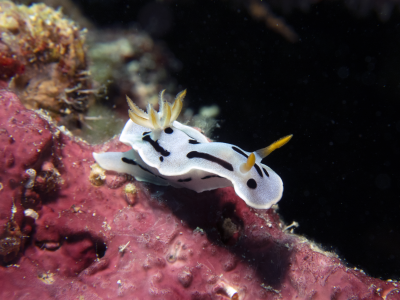
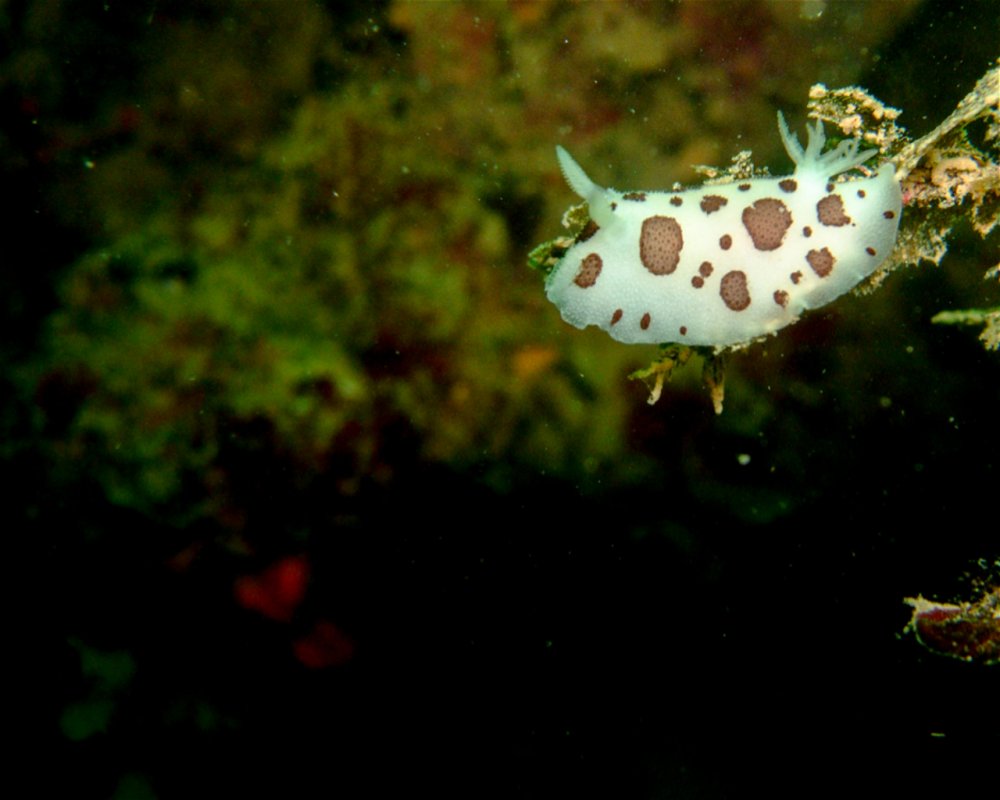
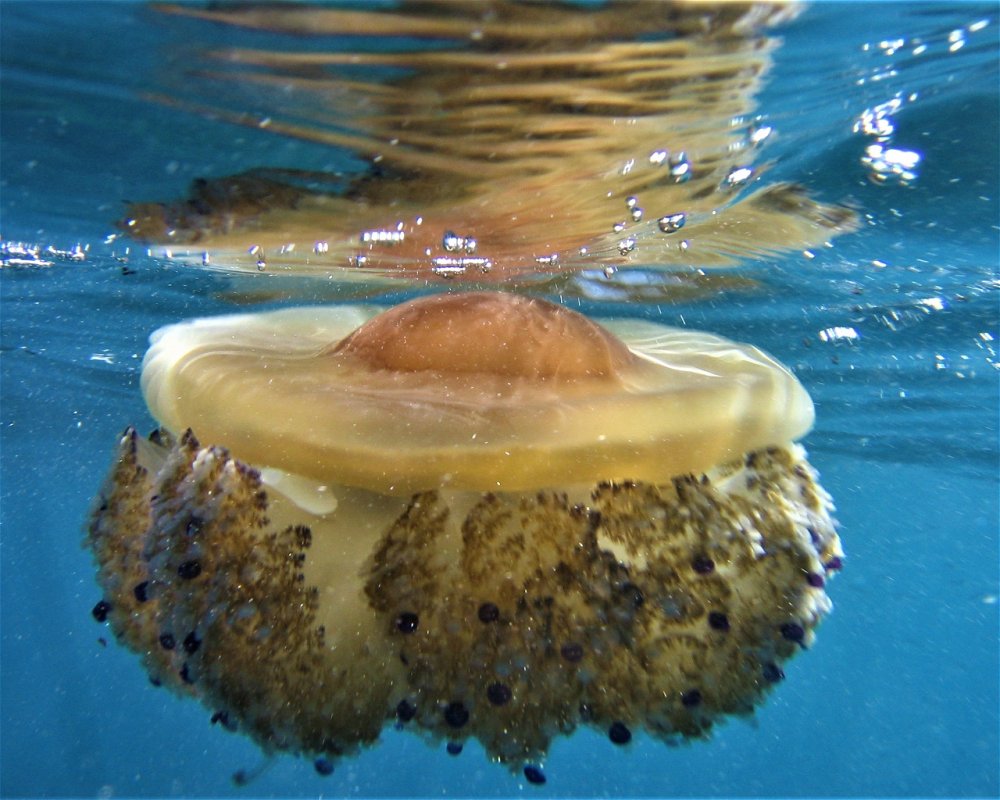
Soft-bodied mollusks are the second-largest group of animals on the planet, after the phylum Arthropoda, with nearly 100,000 described species worldwide. These invertebrates encompass an incredibly diverse group of creatures. Characteristic of their hard exoskeleton, some mollusks with distinct shell coverings like snails, clams, oysters, and scallops are apparent. Still, others are not, as they lack a visible shell like the octopus, squid, and sea slug. Although mollusks make up 23% of all marine organisms, many of them have adapted to living in freshwater and on land. Found in nearly every body of water on earth, both fresh and salt, mollusks range in size from the world’s smallest snail in Borneo to the giant squid found in the deepest parts of the ocean.
No matter where you go, saltwater or fresh, you will be diving with mollusks in one form or another. Popular mollusk dives include the colorful giant clams of Australia, the nudibranch capitals of the world in the Philippines and Indonesia, and the giant octopus of the Pacific Northwest. Diving with mollusks is always a fun encounter. Click the map below to explore all the different places on earth where you can dive with mollusks.
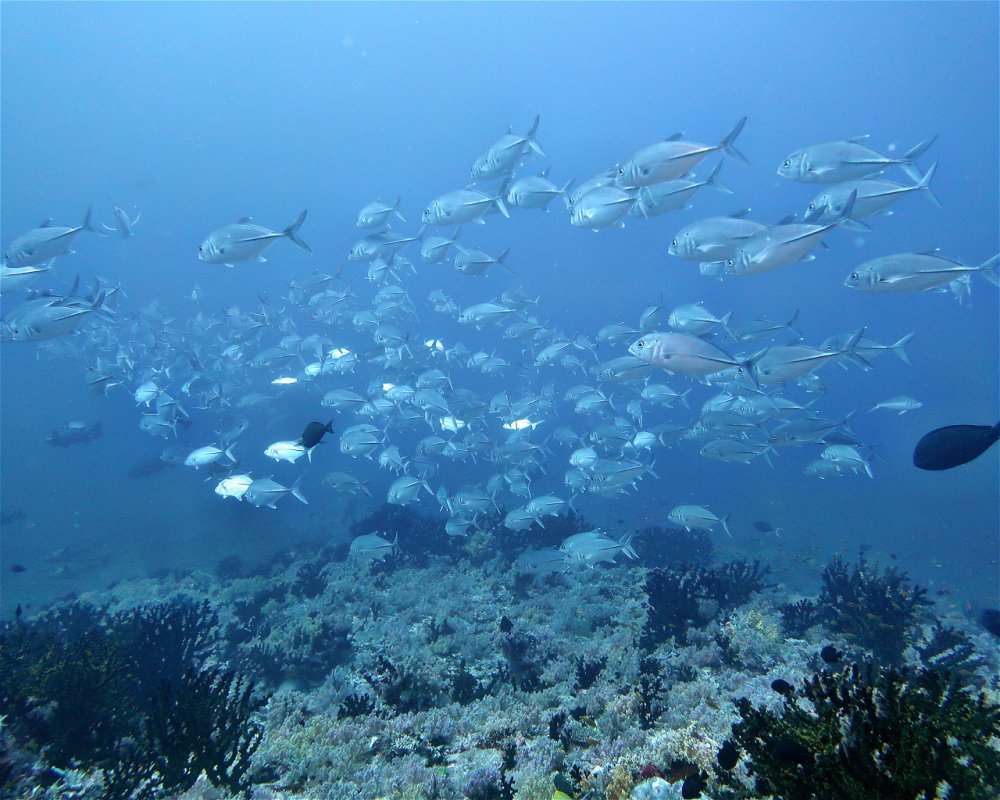
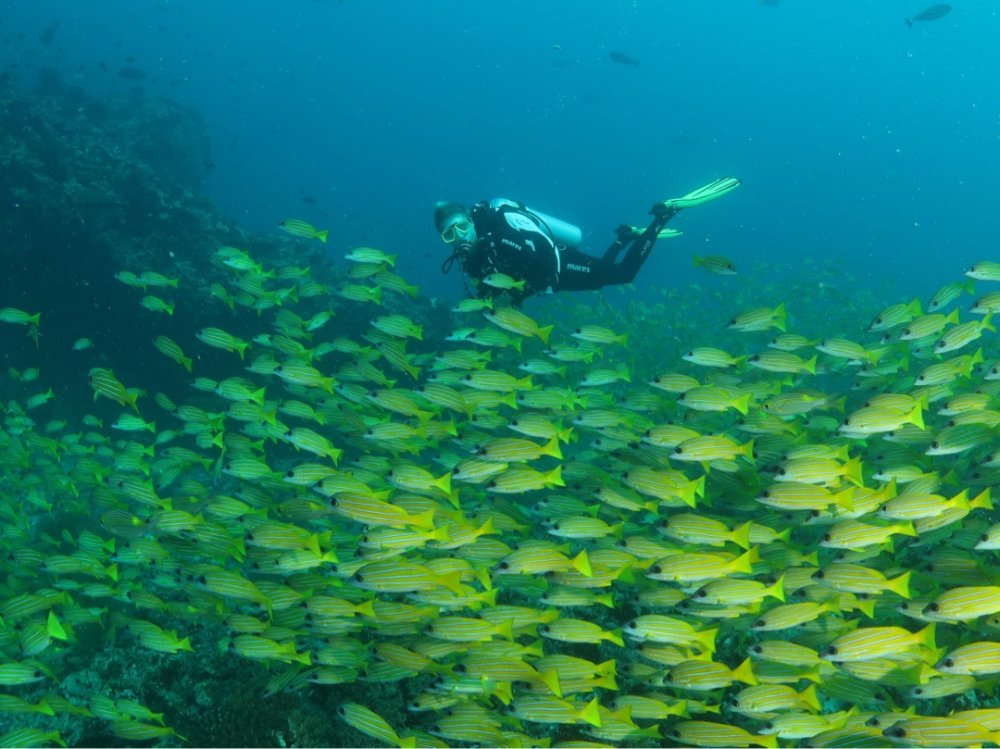
One of the most colorful dive sites in North Male Atoll. On the south side of Girifushi island with abundant fish life and very nice soft corals, there are numerous blue soft corals and a swim through. The current can be strong!
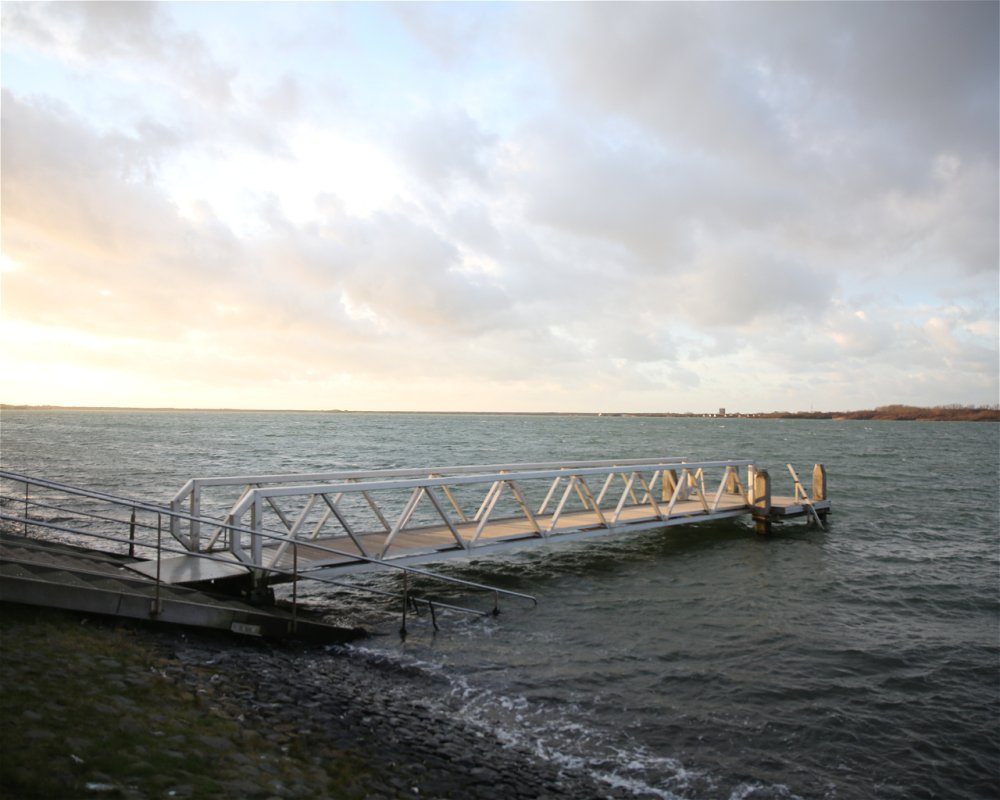
Dive site Kerkweg in Den Osse is one of the most famous dive sites in Zeeland. Here you can dive from the jetty on oyster beds, an artificial reef of reefballs and many other hard substrate that is nicely overgrown. The maximum depth is about 30 metres, but you will find most life in the shallow water.
This amazing reef are 3 blocks. The biggest begins in the south between 80-100m long and it's full of corals, it would be nice we can start here. In the east we have another wonderful block a bit similar to east block Maya Thila covert full with corals. In the north is the smallest block. AOW or higher
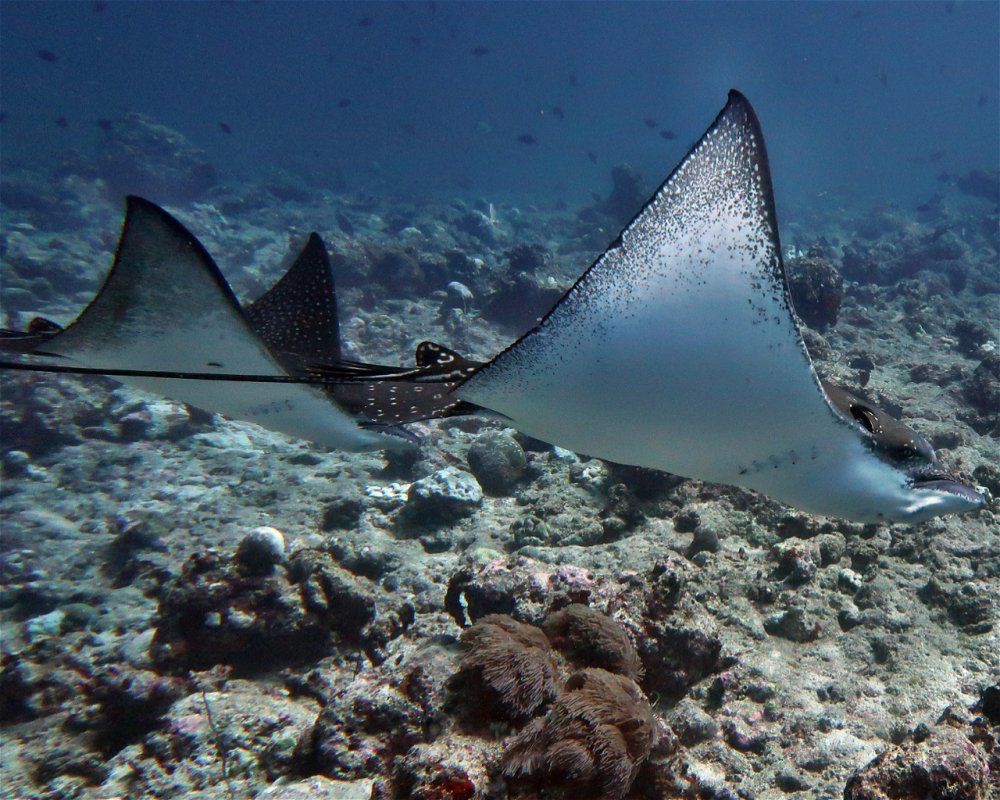
Kani Corner is basically a slope that goes to 25 - 30 m in a sandy bottom. There are some big blocks this deep and at the right time, mantas visit the blocks or pass by the top of the reef. The current can be strong so take caution.
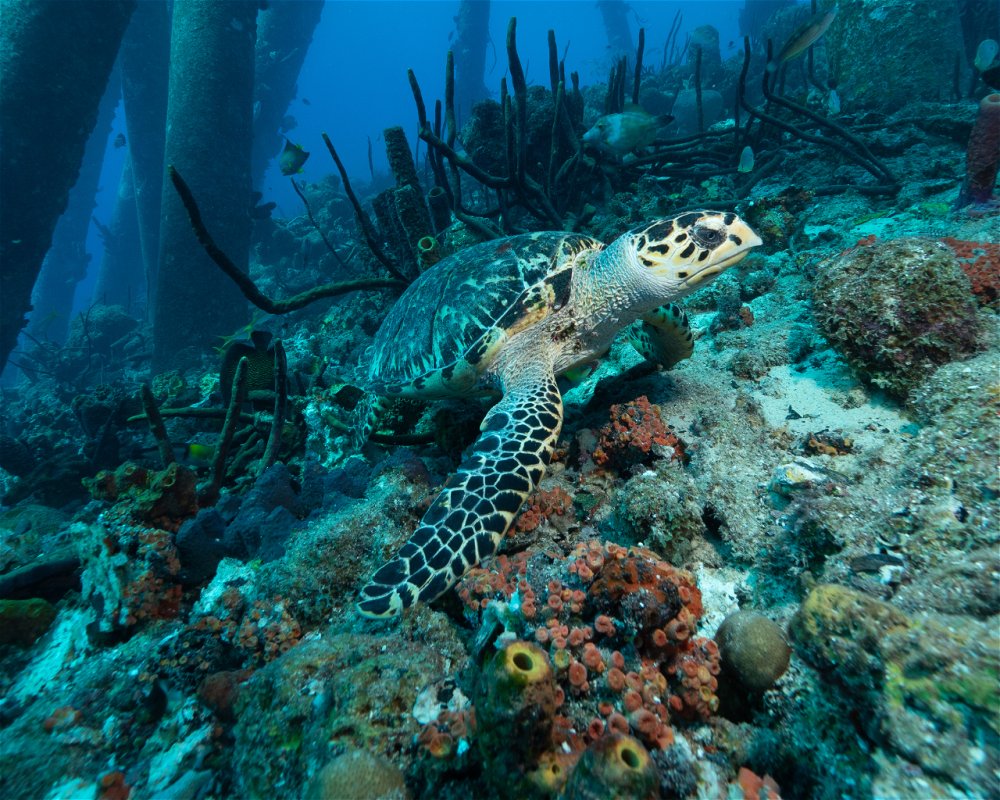
One of the top macro dives anywhere! Scattered ruins and columns are coral encrusted and provide habitat for many types of shallow sea life. The pier is 1526ft/465m long so lots to discover with a gradual westerly decline. Perfect for snorkeling & non-certified divers too.
The boat jetty and the entrance to this house reef are only 30 m from the base. The most beautiful part of the bay is reserved for divers and swimmers and secured by a buoy line. This beautiful house reef offers something for everyone down to a maximum depth of 15 m.