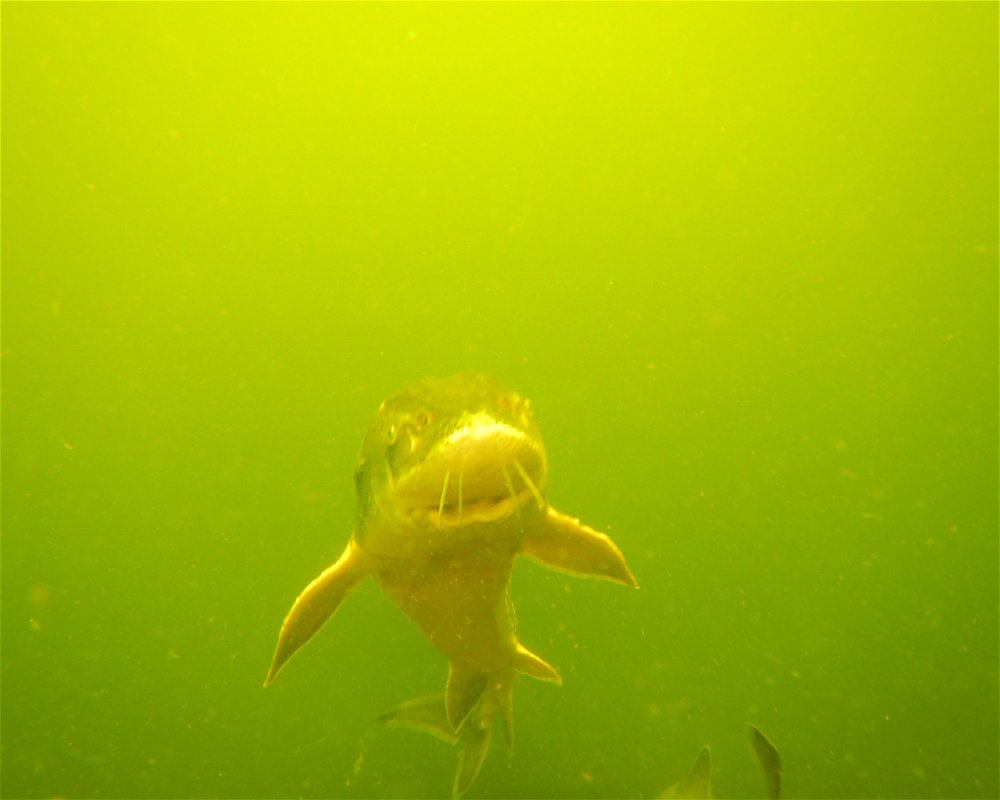
The European bitterling is a small, silver fish commonly found throughout Europe, extending from the Rhone River basin in France to the Neva River in Russia. This freshwater fish species inhabit temperate still or slow-moving water like rivers, ponds, canals, and the shallows of lakes. The European bitterling lives amongst dense aquatic vegetation and sand-silt bottoms where they feed on plants and, to a lesser degree, worms, crustaceans, and insect larvae.
Living amongst the presence of mussels is of particular importance to the European bitterling, as they lay and fertilize their eggs within the protection of the mussel’s valves. The fry remains in the mussel until they are grown enough to adventure out on their own. These small fish grow no larger than 10 cm long and are popular sightings amongst divers visiting shallow, European freshwater dive sites. Check out the dive site map below to see where European bitterlings occur nearest you.
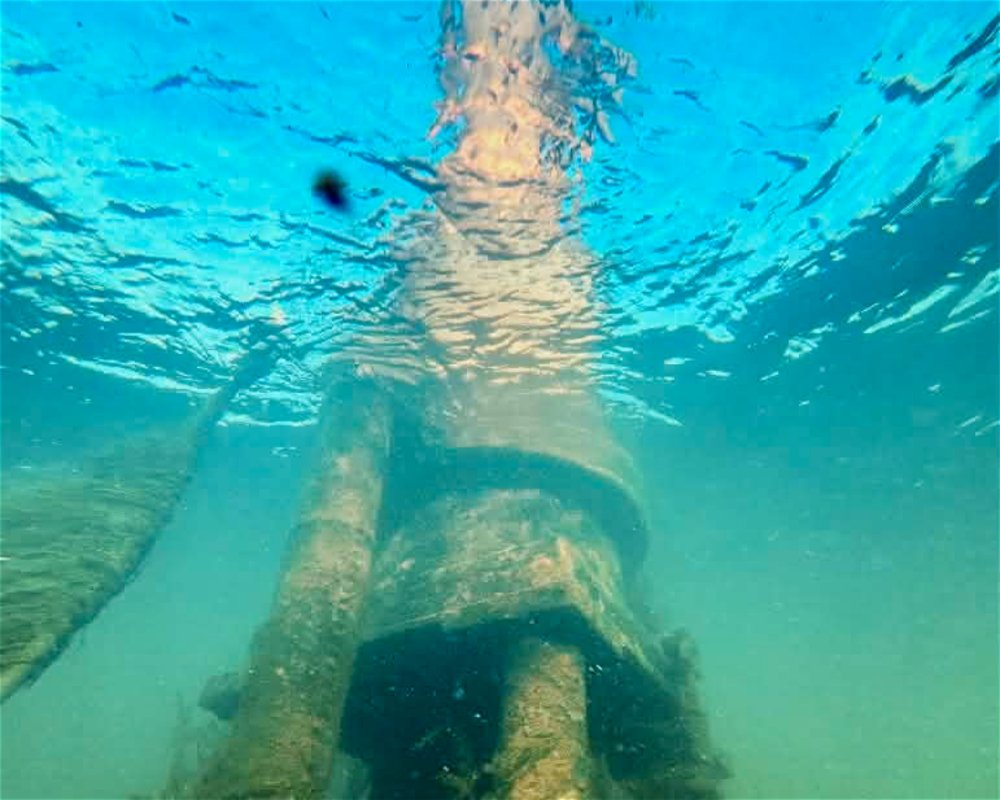
The largely still intact Conestoga is a 252-ft wreck in Cardinal, Ontario and is an excellent dive for all level, and exceptional night dive site. Easy shore entry leads you to a 25 m-line to the wreck. It is a shallow dive (28 ft approx.) and drift-friendly. Great site to practice a camera.
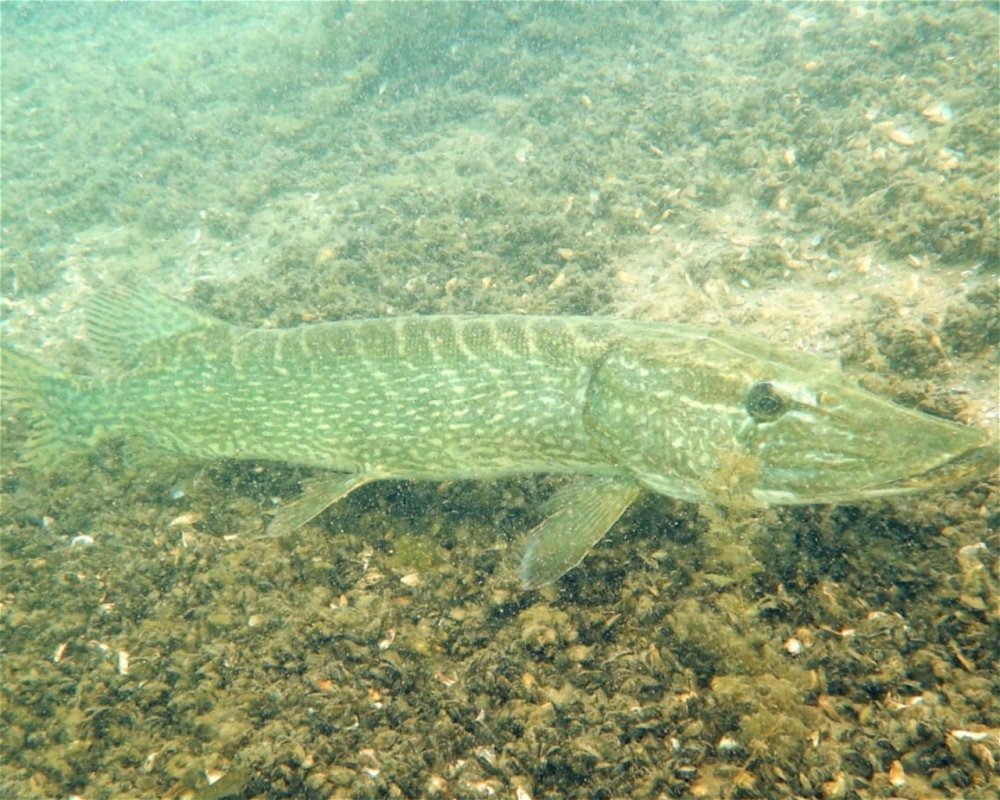
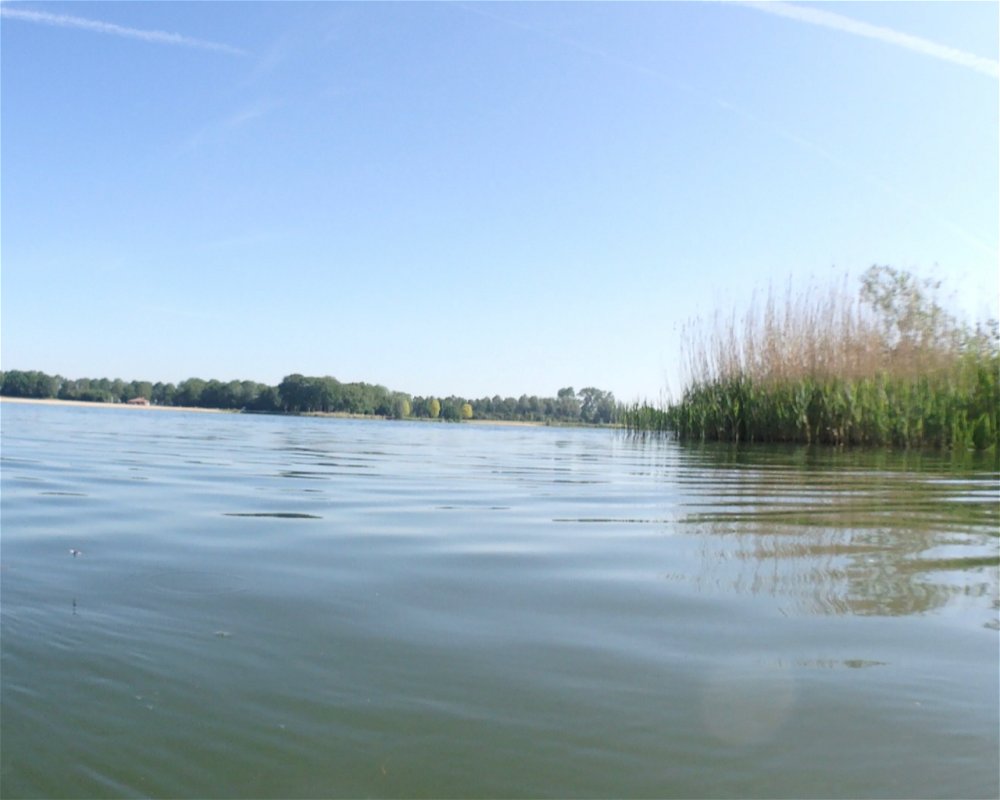
A 20-minute drive from the city center of Arnhem you will find this lovely freshwater lake. It has a maximum depth of 36 meters and a slow slope at the entry of the site. It is a great dive site for beginning divers and more advanced divers.
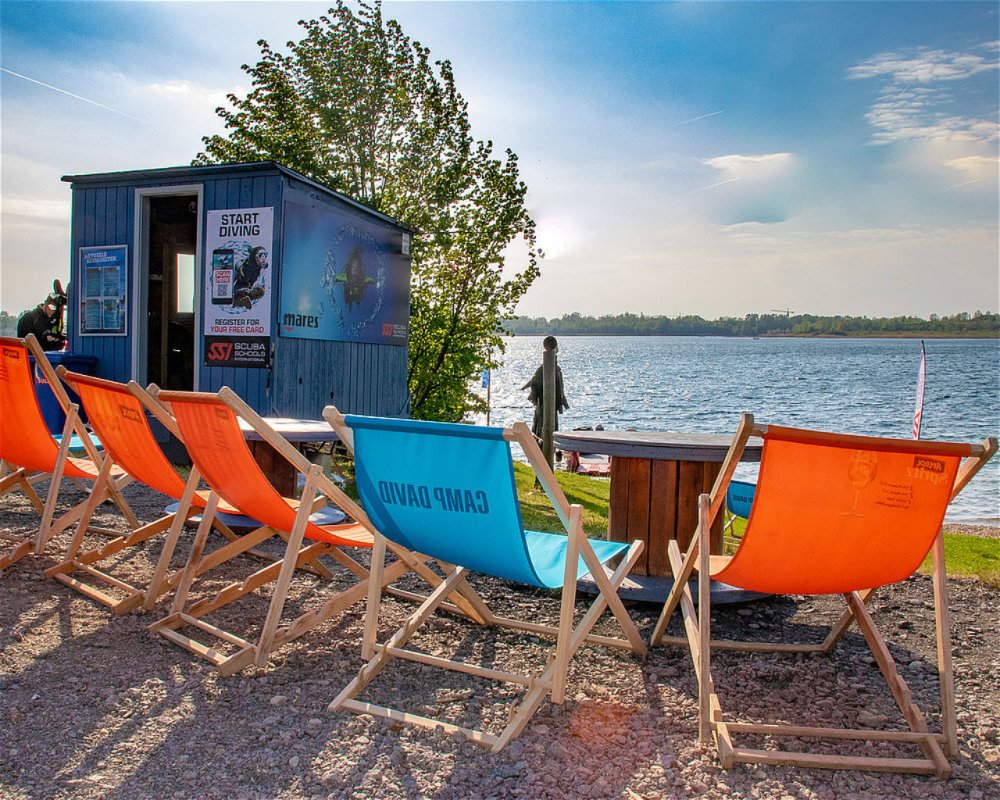
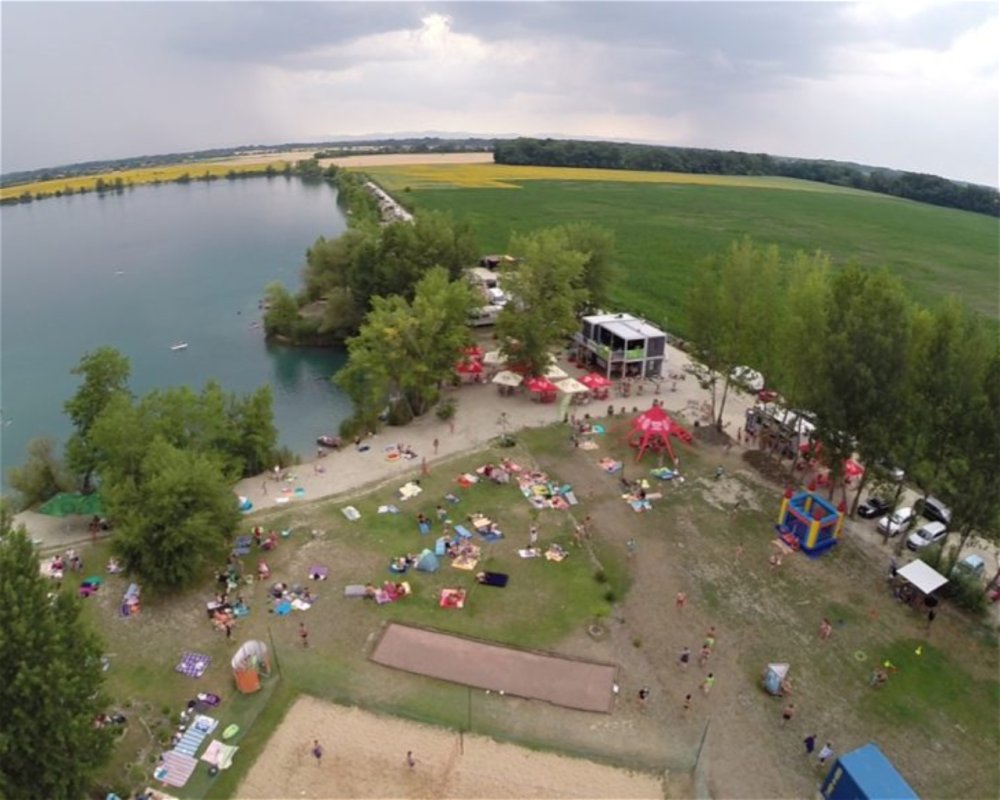
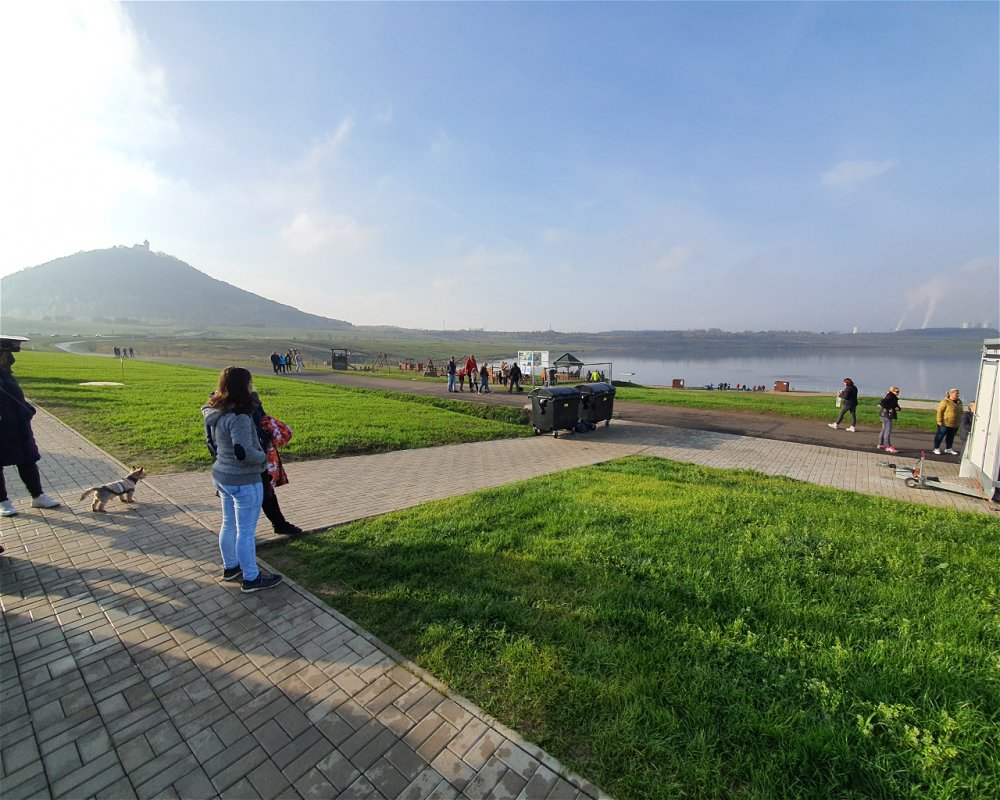
Besides diving Schladitzer See, there are many activities on the water plus an overnight stay area, restaurant, and beach club. Dive site access is only allowed at the diving center. Please register in advance.
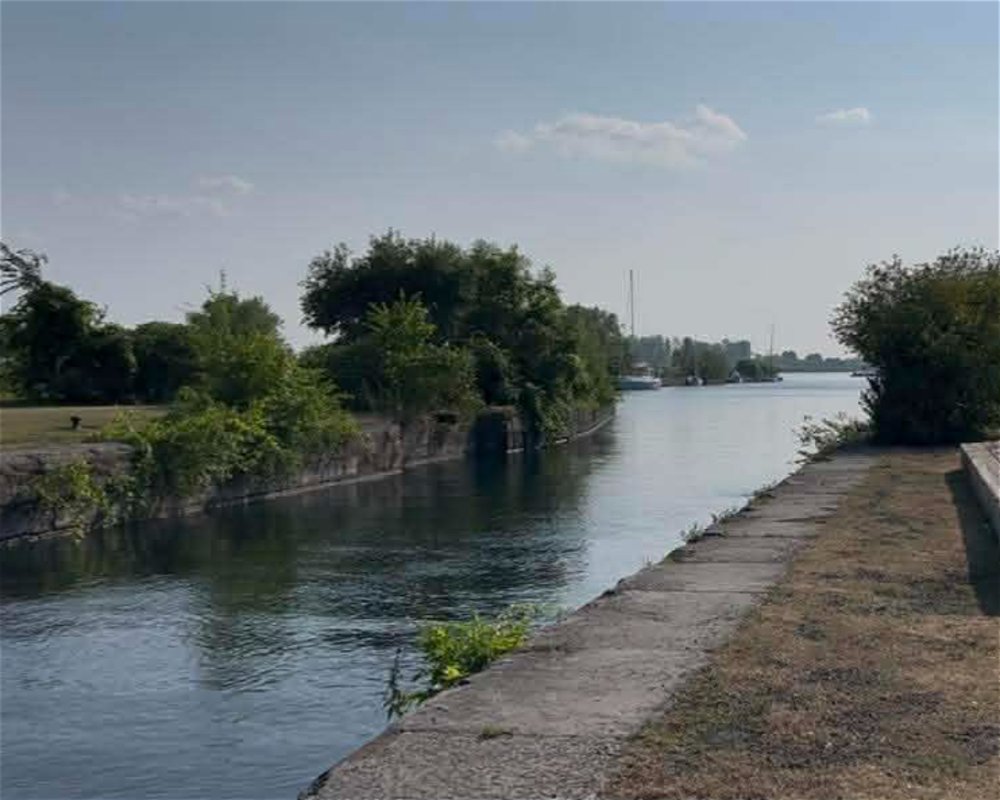
Entry is a giant stride by the bridge. Coordinate entry to avoid separation. Initial canal depth is 20–25 ft. Prepare to navigate a shallow section (~10 ft) where the Canal connects to the river; it has strong current and boat traffic - stay close to the bottom. Use caution and SMB if appropriate.
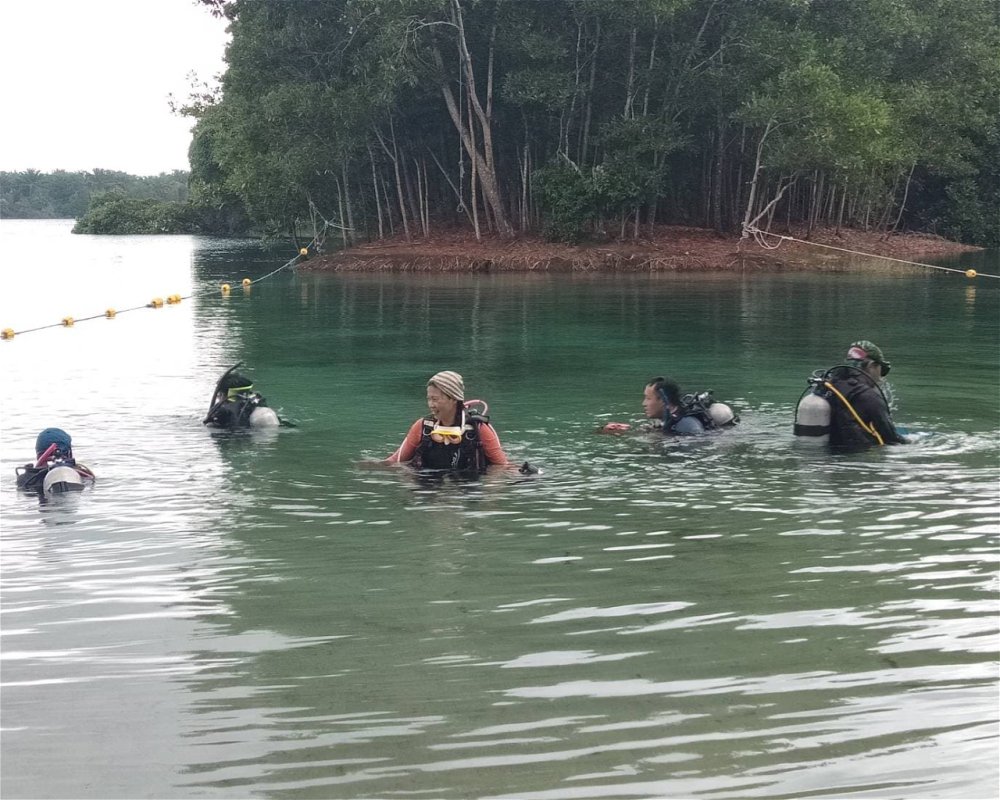
Tha Tang Lake in Phang Nga, north of Phuket, offers a unique freshwater dive. This old tin mining site features submerged trees and wooden structures. Depths typically reach 15-17m with variable visibility (2-12m). An easy shore dive, it’s popular for buoyancy practice and exploring a non-reef environment.
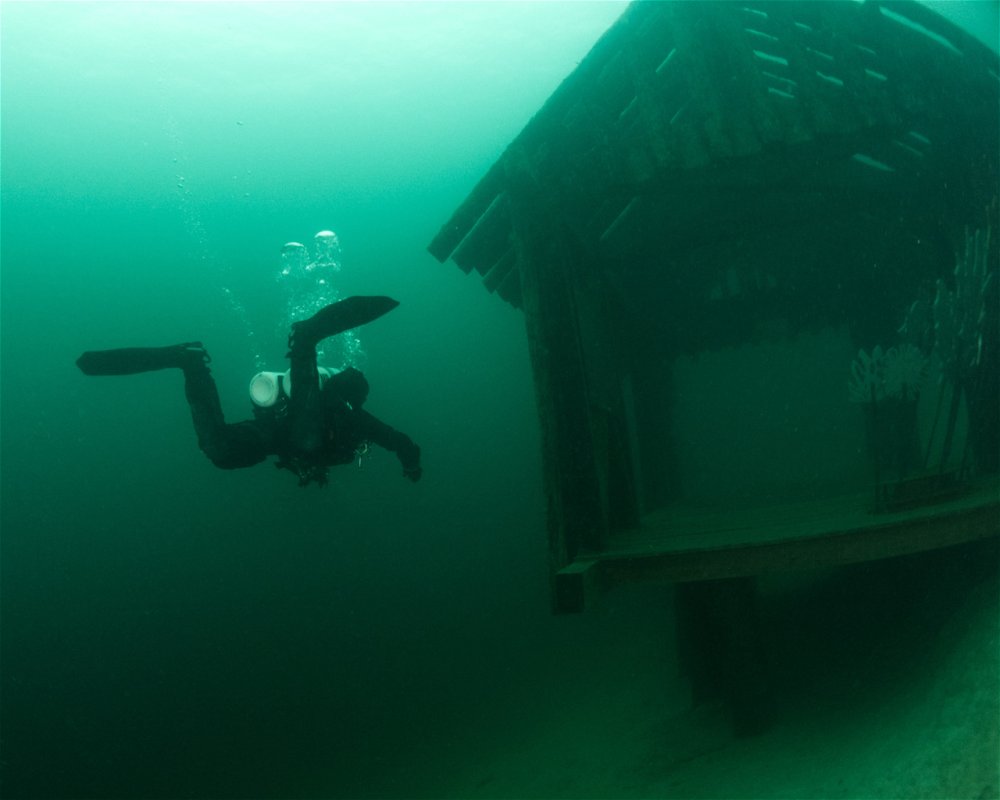
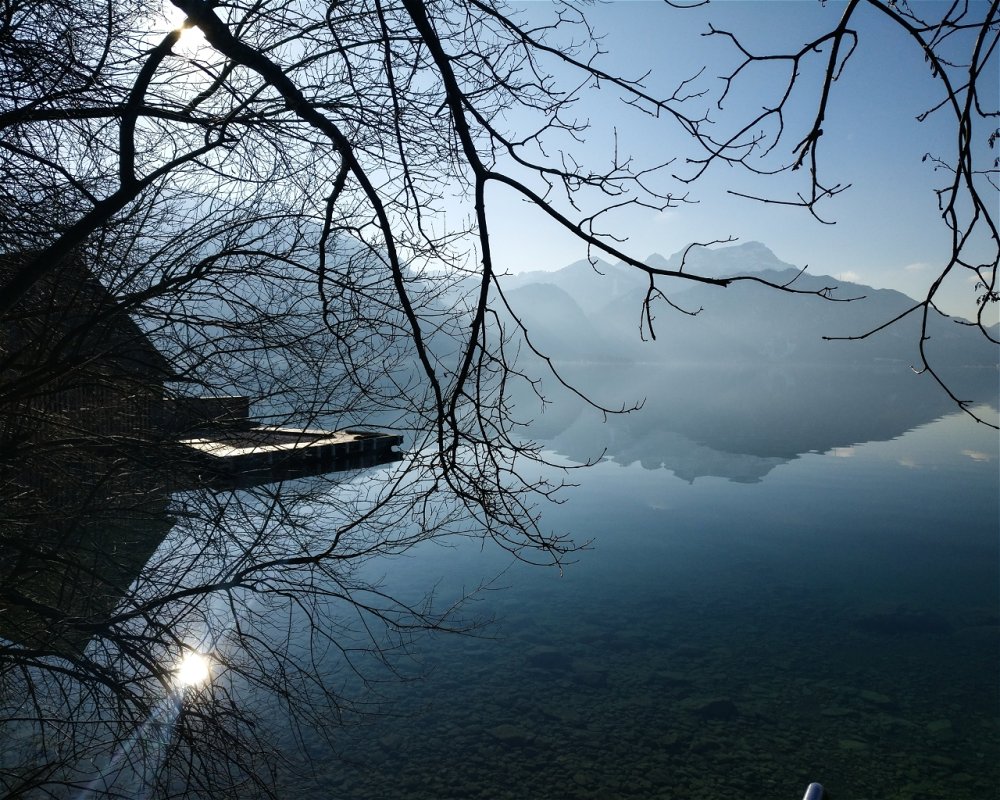
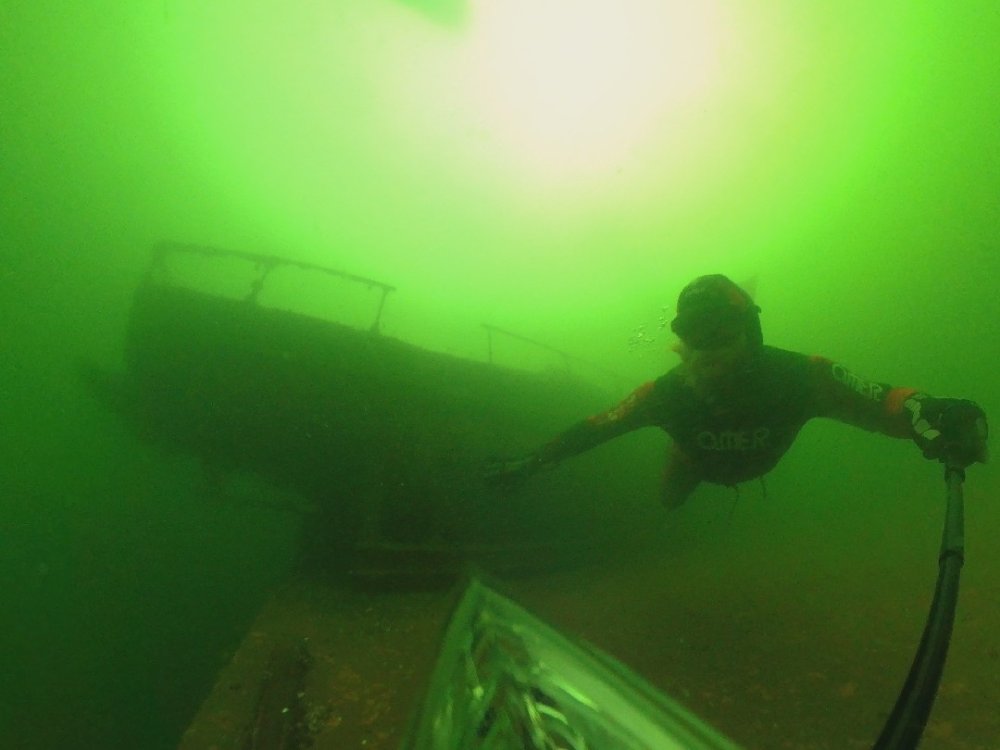
An excellent dive on Attersee with max depth of 30m. The shore structure is a sloping bottom with a platform at 5m. At 8 meters there is a covered pile dwelling, a speedboat wreck at 22m, jetty at 17m, and an air-filled bathtub.