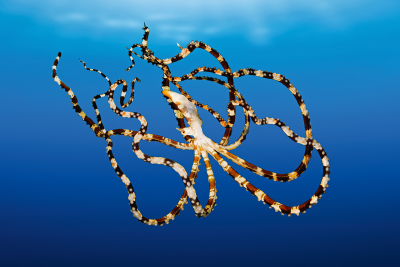
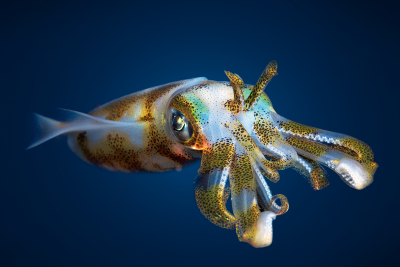
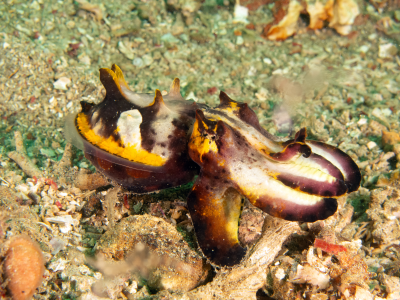
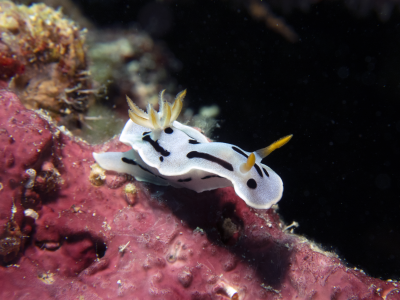
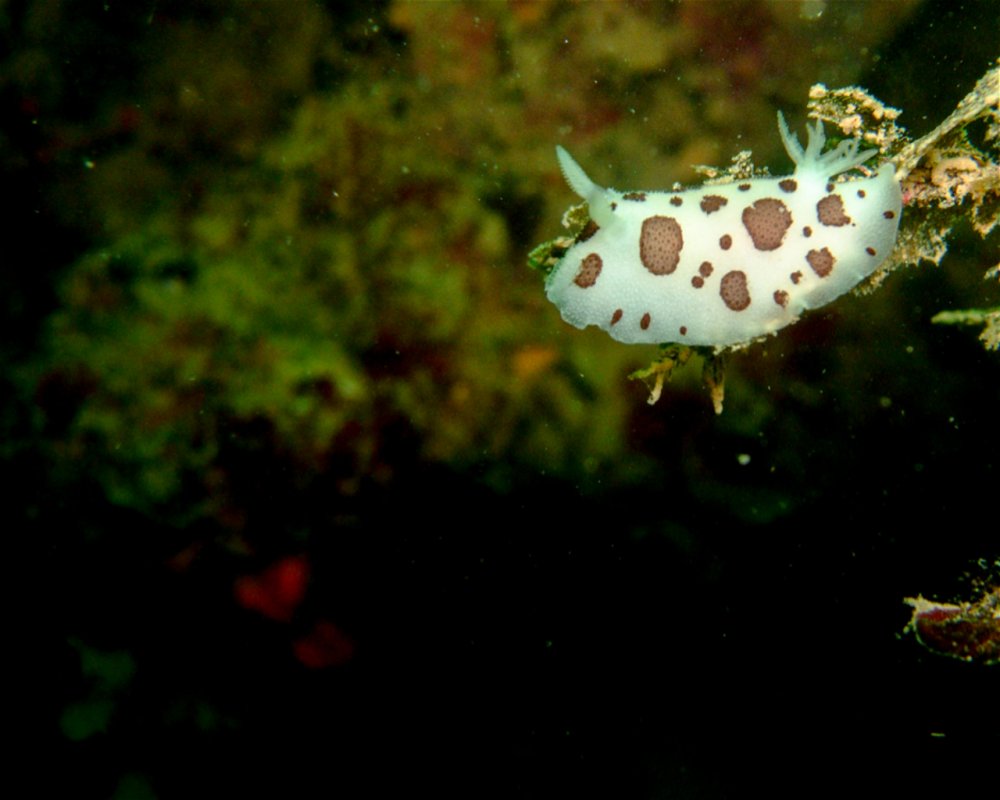
Soft-bodied mollusks are the second-largest group of animals on the planet, after the phylum Arthropoda, with nearly 100,000 described species worldwide. These invertebrates encompass an incredibly diverse group of creatures. Characteristic of their hard exoskeleton, some mollusks with distinct shell coverings like snails, clams, oysters, and scallops are apparent. Still, others are not, as they lack a visible shell like the octopus, squid, and sea slug. Although mollusks make up 23% of all marine organisms, many of them have adapted to living in freshwater and on land. Found in nearly every body of water on earth, both fresh and salt, mollusks range in size from the world’s smallest snail in Borneo to the giant squid found in the deepest parts of the ocean.
No matter where you go, saltwater or fresh, you will be diving with mollusks in one form or another. Popular mollusk dives include the colorful giant clams of Australia, the nudibranch capitals of the world in the Philippines and Indonesia, and the giant octopus of the Pacific Northwest. Diving with mollusks is always a fun encounter. Click the map below to explore all the different places on earth where you can dive with mollusks.
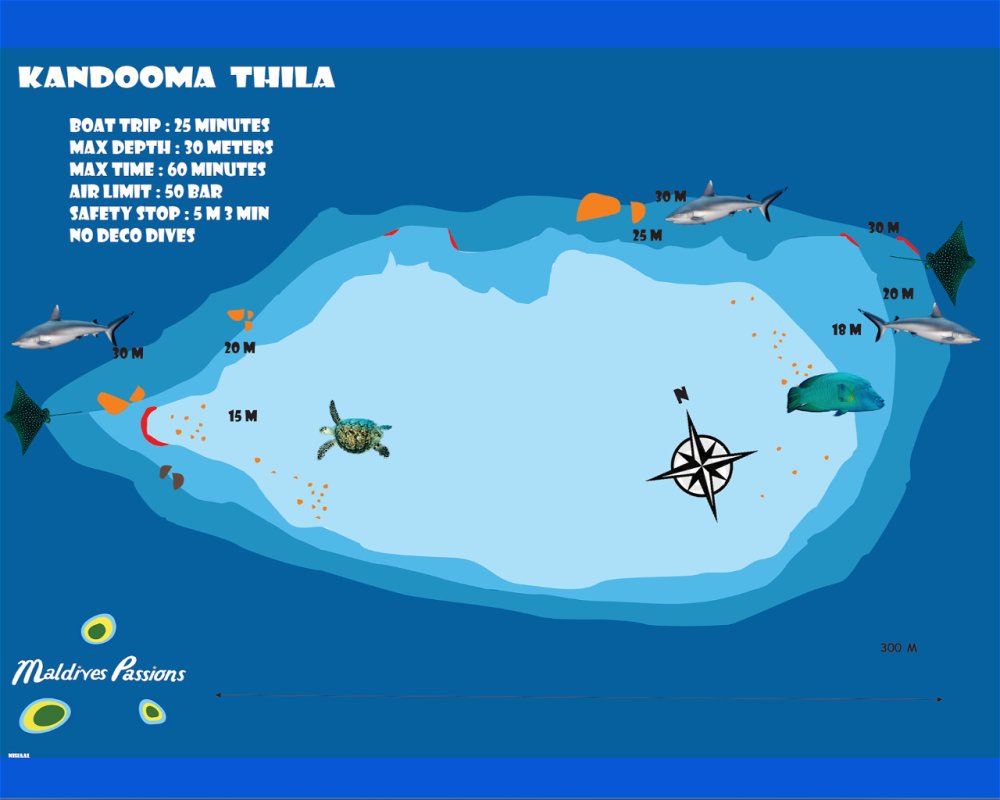
Drift dive with the current flowing from the western tip of Kinohlas along the north side towards the small Thila. Lots of fish on the top of the reef, some really nice little overhangs deeper. Experienced divers dive to the thila, beginners stay over the overhangs and slowly ascend the Sandy Slope
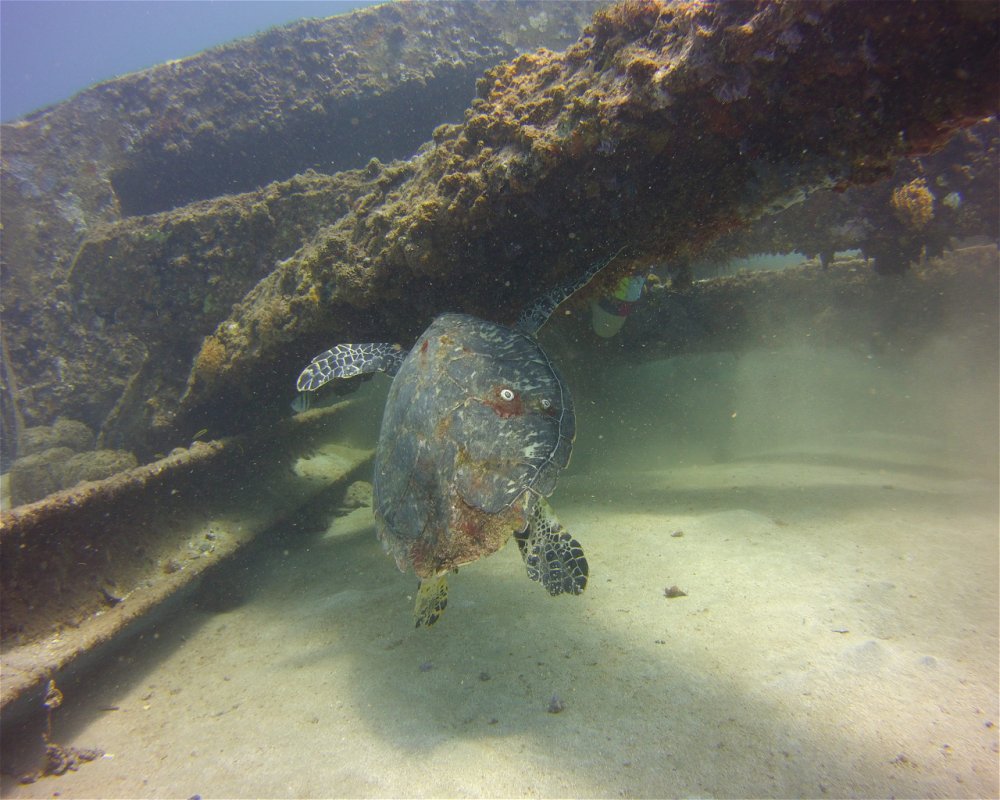
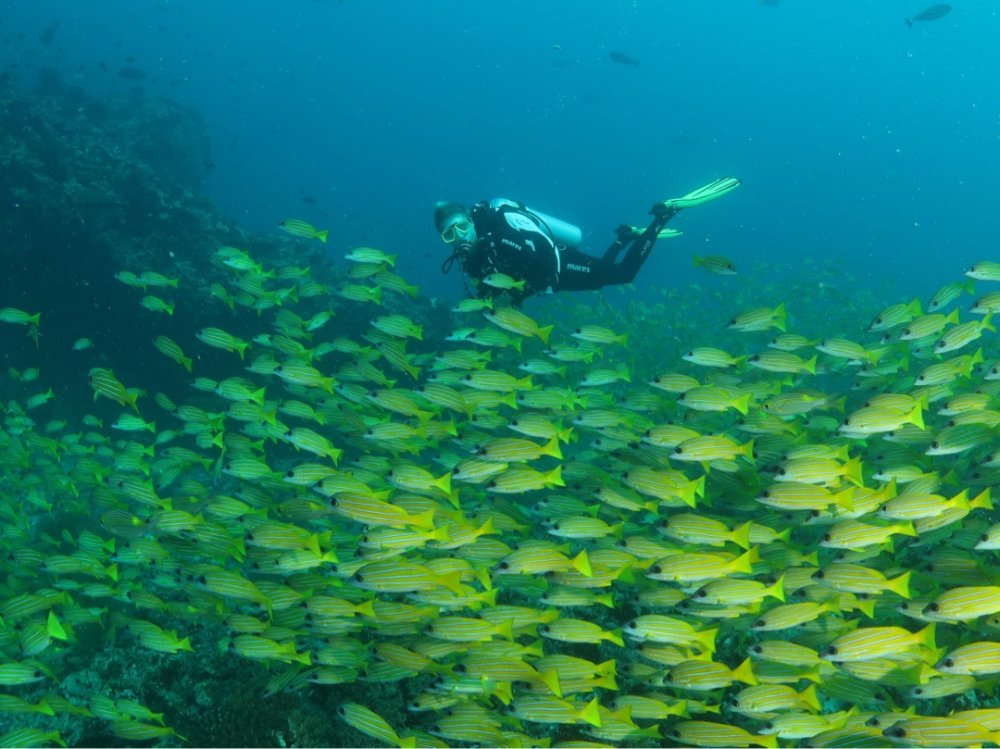
Gentle slope reef with a lot of yellow tail Snappers, resident Green Turtles and Hawksbill turtles. Reef has strong current but a diver can hide behind huge coral bommies and hang out with fish at 5m
A very colourful wall dive. A short distance from Blue Mao Mao Arch on the opposite side of the Labrid Channel and in good conditions with no current, both sites could be seen on the same dive for divers good on their gas consumption and navigation. The walls maximum depth is around 20m.
Easy shallow dive in a sheltered bay. Lots of rocks around the edges of this bay. The deepest area is the sand line at 18m at the entrance. Go around the southern point to “The Labyrinth“ and find the swim throughs there.
This is a great site with depth ranges to suit all ability of diver, from beginner to tech and all the levels in between. Big boulders, kelpy and depth if you look for it. Eastward side of the Poor Knights Islands which doesn’t great visited as often as we would like due to the easterly sea conditions.
This arch takes a diver from the western side of the island to the eastern side. Walls outside the arch reach depth of 30m, while the inside of the arch shallows up to just 5m. On the eastern side to the right there is a group of large boulders and a small cave at around 20m.