Diving with boxfish is always a treat, as their uniquely shaped bodies and bold coloration bring excitement to any coral reef. Boxfish, also commonly known as cowfish or trunkfish, include 23 species of square, bony fish in the Ostraciidae family. They are clearly identifiable by their rigid, box-shaped bodies. Most species are also covered in spots or hexagonal shapes, and many have horn-like projections from the tops of their heads.
Boxfish live on shallow reefs in the tropical waters of the Atlantic, Indian, and Pacific oceans worldwide. Keep your eyes on the lookout for boxfish hovering about the reef. Some boxfish species can be pretty small and harder to spot; however, some can grow up to 50 cm (20in). To find out where you can go diving with boxfish, explore the dive site map below.
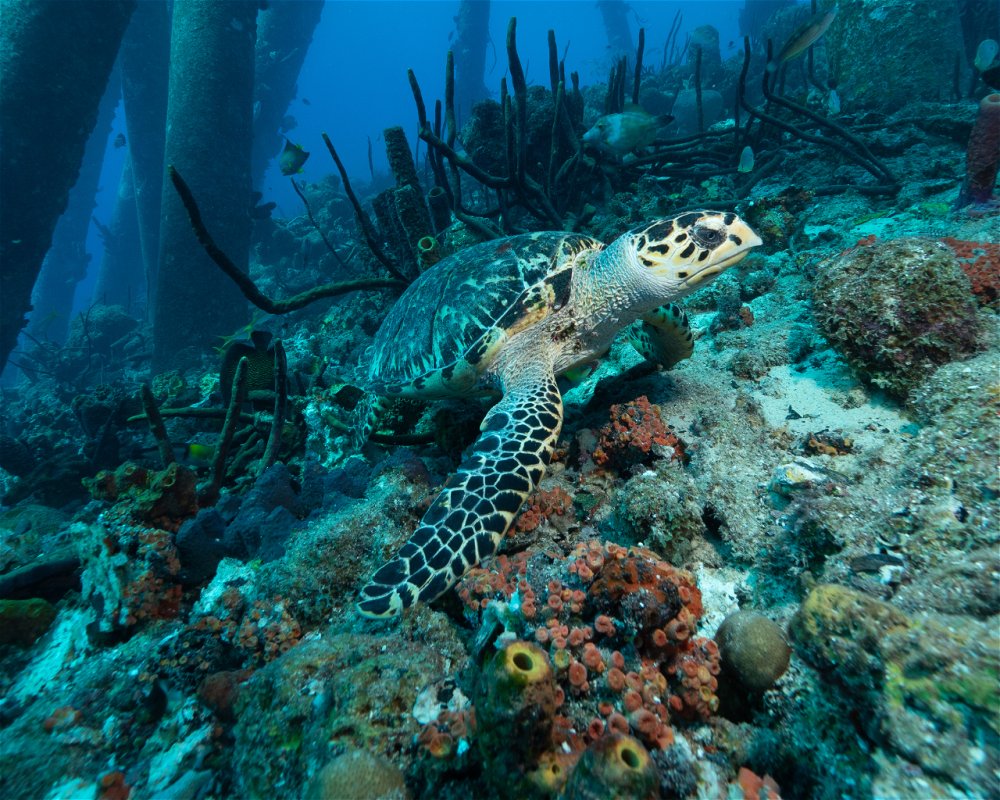
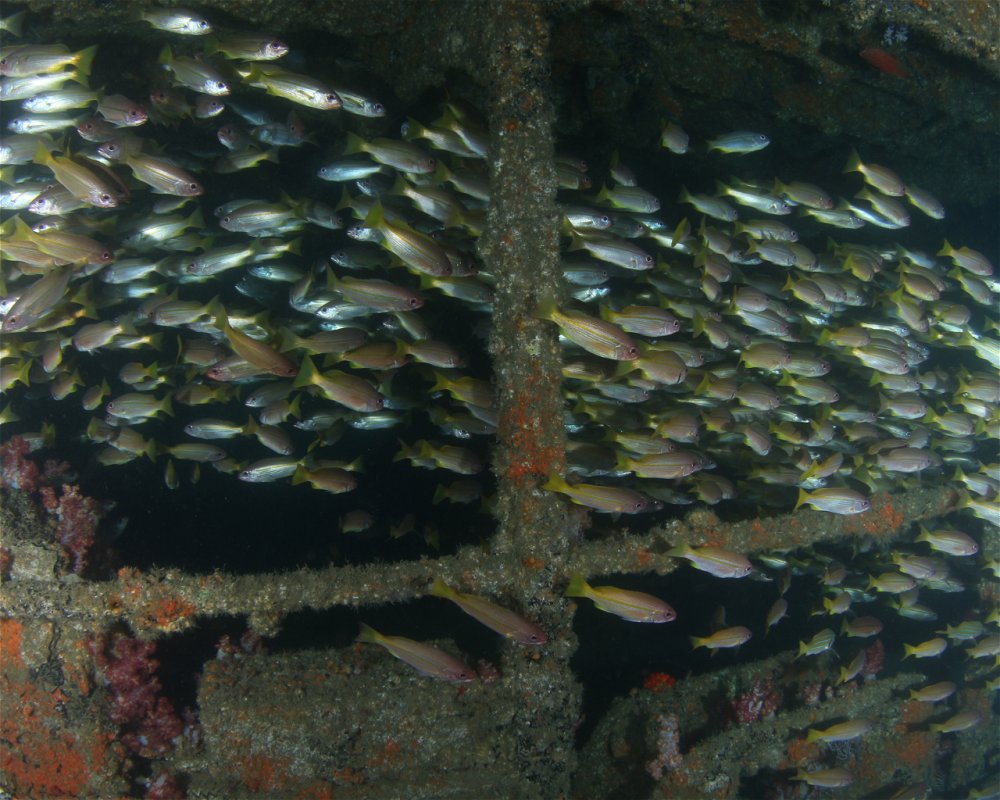
Gentle slope reef with a lot of yellow tail Snappers, resident Green Turtles and Hawksbill turtles. Reef has strong current but a diver can hide behind huge coral bommies and hang out with fish at 5m
A beautiful house reef sitting just off-shore from the Magic Life resort. Easily accessible from the beach or the jetty with calm conditions and very clear water.
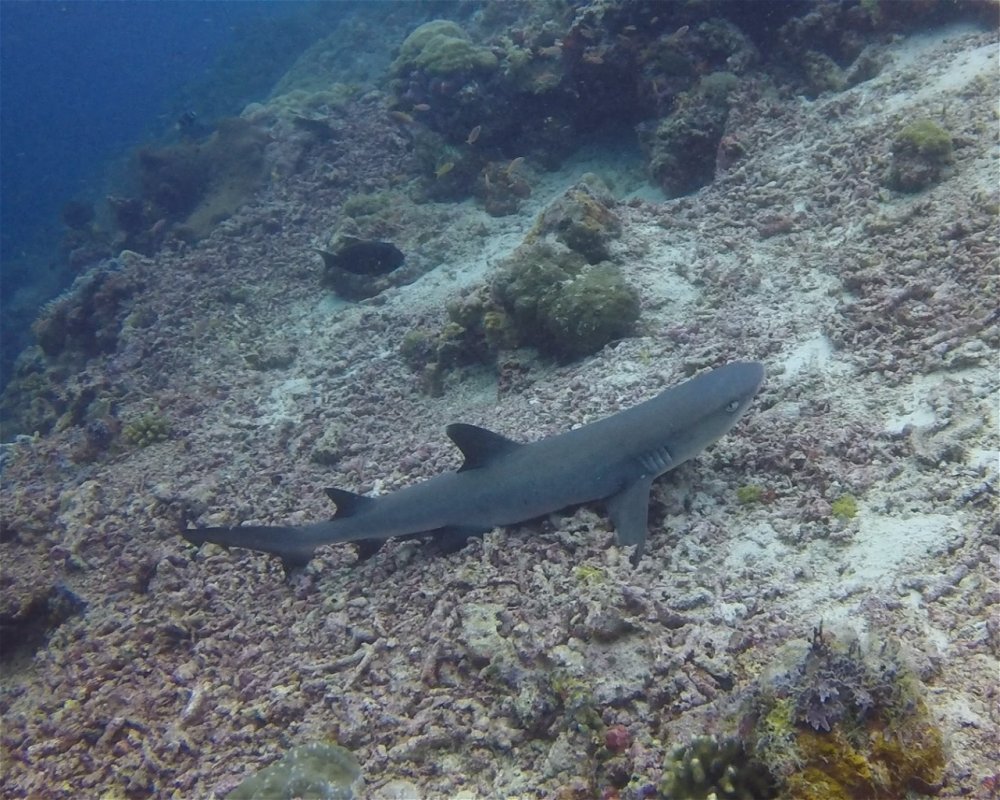
Bat Islands are considered one of the best bull shark dive sites (Apr - Nov). But only advanced certified divers are allowed due to the depths. “The Big Scare“ is most famous for the chances of seeing the Bull sharks, although during the dive we can also encounter different types of rays including oceanic mantas.
11 km west of Potrero and Flamingo is the famous site of Clasico. This dive is done on the western side of the islands, from the south towards the north. There are successive ripraps. Several ways to dive possible, depending on certification level. From 10m to more than 30m.
Underwater Habitat created by Sub Oceanic at Hilton Maldives is a unique project under the lead of our Resident Marine Biologist Mohamed Abaan better know as “Bunny“ .
Coral reef site surrounded by fields of seagrass. Great for beginners and training as there is soft sand and seagrass surrounding the site. Always present are schools of tropical fish: sweepers, angelfish, bannerfish, anemonefish and more. Site is surrounded by hundreds of seastars.