Crustaceans
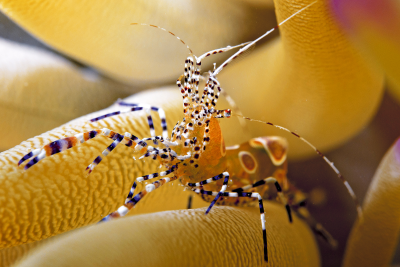
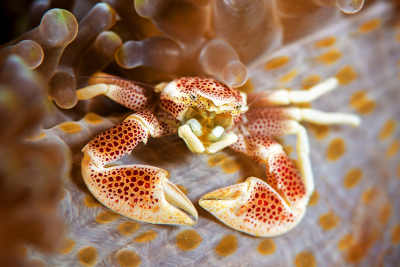
The image shown is a representative illustration and does not depict every individual animal in this category.
Total number of species: 67000
Crustaceans are a remarkably diverse group of hard-shelled, primarily aquatic animals that include crabs, lobsters, shrimp, prawns, krill, and barnacles. While the majority inhabit saltwater environments, crustaceans are not limited to the oceans. Several species thrive in freshwater and even terrestrial habitats.
Freshwater ecosystems host a surprising variety of crustaceans. For example, the cenotes of Mexico are home to unique, endemic shrimp species that have adapted to life in these secluded, underground freshwater systems. Additionally, numerous species of crayfish—many of which are found only in specific regions—flourish in rivers, lakes, and wetlands around the world.
Crustaceans inhabit every marine environment, from shrimp and prawns swimming freely in the open ocean to barnacles clinging to rocks, piers, and ship hulls. They can be found from the water’s surface, where krill drift in vast swarms, to the crushing depths of the ocean’s deepest trenches, where shrimp-like creatures scavenge in darkness.
With over 50,000 known species and new ones being discovered regularly, crustaceans represent one of the most varied and ecologically important animal groups on Earth.