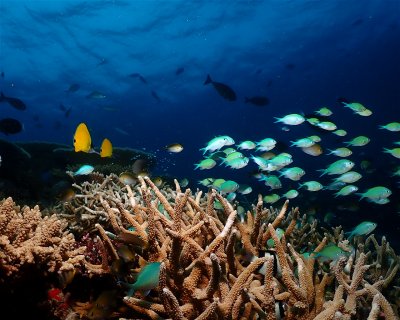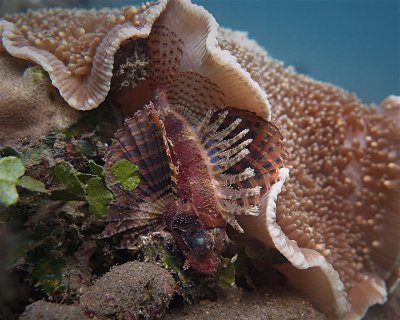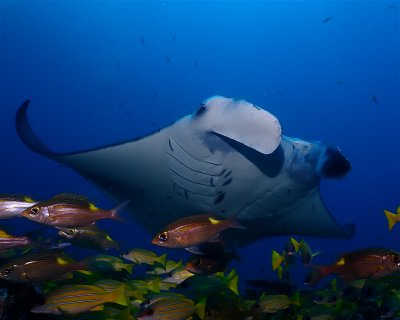
All it takes is seeing a triggerfish swim by to know you are officially in the tropics. These brightly colored and ornately patterned fish are common to the subtropical and tropical regions of the world’s oceans, with the highest species diversity found in the Indo-Pacific. There are roughly 40 different species of triggerfish averaging 20-50 cm (8-20 in) in length; however, the stone triggerfish reaches up to 1 m (3.3 ft) long.
Diving with triggerfish is a photographer’s delight as they are often marked with visually striking lines and spots. You can find them roaming the bottom of the reef, looking for small fish, crustaceans, mollusks, and sea urchins to consume. Triggerfish are generally solitary except during mating season. Take caution during this season, as they can become particularly aggressive. Explore the map below to find out where you can go diving with triggerfish.
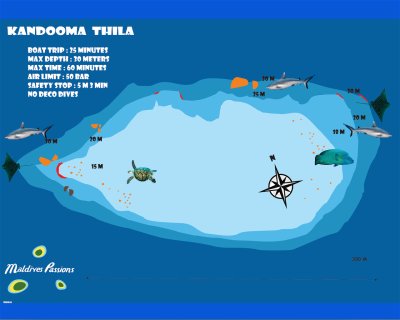
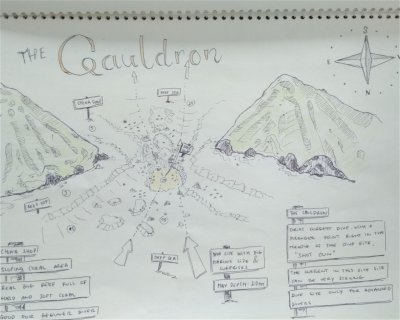
This amazing reef are 3 blocks. The biggest begins in the south between 80-100m long and it's full of corals, it would be nice we can start here. In the east we have another wonderful block a bit similar to east block Maya Thila covert full with corals. In the north is the smallest block. AOW or higher
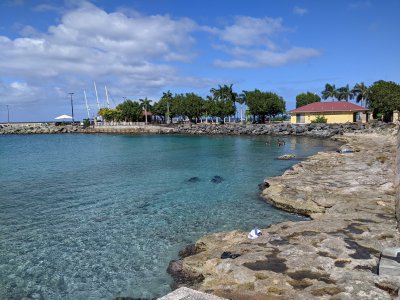
One of the top macro dives anywhere! Scattered ruins and columns are coral encrusted and provide habitat for many types of shallow sea life. The pier is 1526ft/465m long so lots to discover with a gradual westerly decline. Perfect for snorkeling & non-certified divers too.
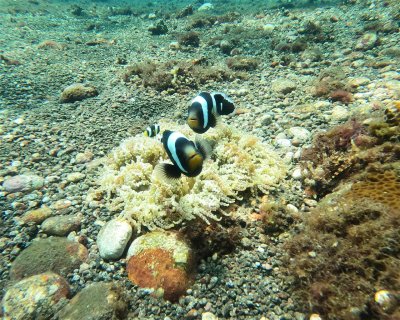
Narrow entrance with a sandy bottom. Nice coral. A good dive site to make drift dives from the zodiac on the North Anemone City. Good for experienced and beginner divers.
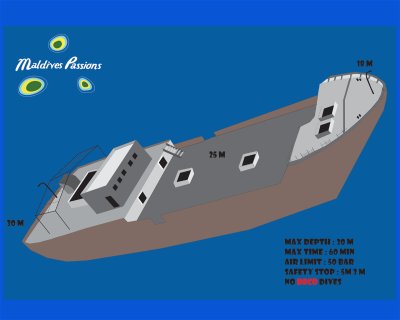
This site is the remnant of an old pier. It is a shallow site, no more than 30-35 feet of depth with a sandy bottom. The wreckage on the bottom provides an artificial reef for a large variety of marine life. Visibility ranges between 10 feet (if it has been raining) to over 50 or 60 feet.
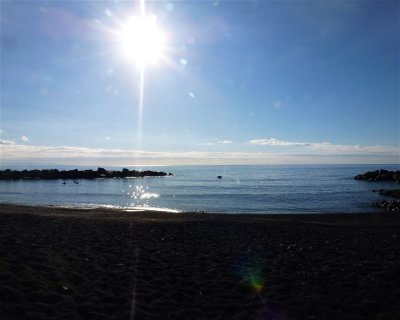
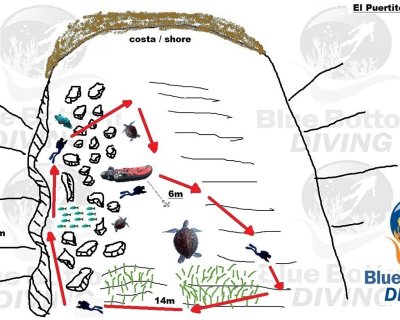
On the East coast, this dive site it is suitable 365 days a year thanks to the breakwater wall that protects the entrance. Tidal changes can cause the formation of currents and undertow along the wall, This site is not to be underestimated.
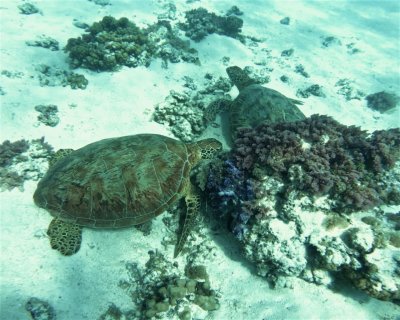
A richly diversified lagoon basin, from 2 to 30 meters, where you can observe sleeping white-tip sharks, huge tetrodons, scorpionfish, savon fish, milkfish, anemones, a magnificent coral rose, spondylls, turtles and leopard rays.