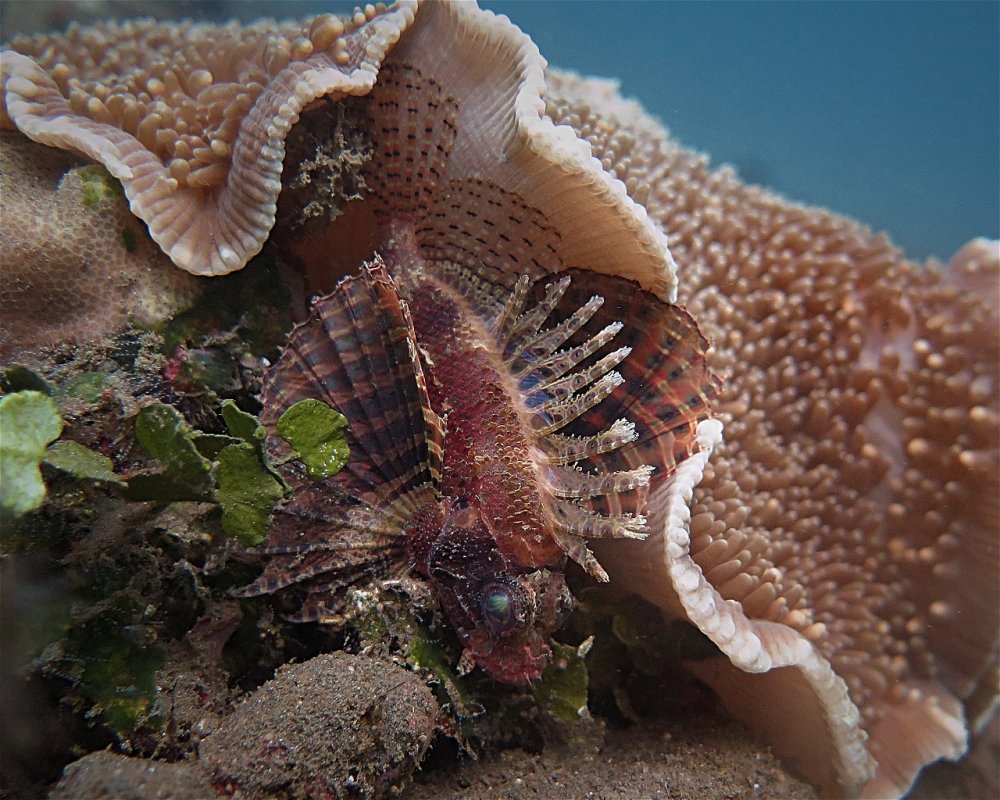
Lionfish are native to Indo-Pacific waters and are usually found hiding under ledges or in shallow caves at depths between 2 and 60 meters. They are diurnal, meanings they hunt both during the day and at night but often stay hidden until sunset to avoid predators. Unfortunately, lionfish have become an invasive species in the western Atlantic Ocean and Mediterranean Sea. In fact, despite their menacing beauty, lionfish have become a huge problem in the Caribbean as their population has spread tremendously in just a single decade. In fact, the Science Channel has claimed they are “one of the most aggressively invasive species on the planet.” These flashy predators are considered fairly aggressive and harmful to humans so take caution when diving with lionfish and keep a safe distance.
Also known as the zebrafish, turkeyfish, or butterfly-cod, lionfish are easily identified by their distinctive red, white, and black stripes, prominent pectoral fins, and venomous, spiny fin rays. There are currently 12 different species of lionfish, two of which have invaded Atlantic waters. If you are interested in diving with these stunning predatory fish, click on the map below to explore dive sites around the world where lionfish can be found.
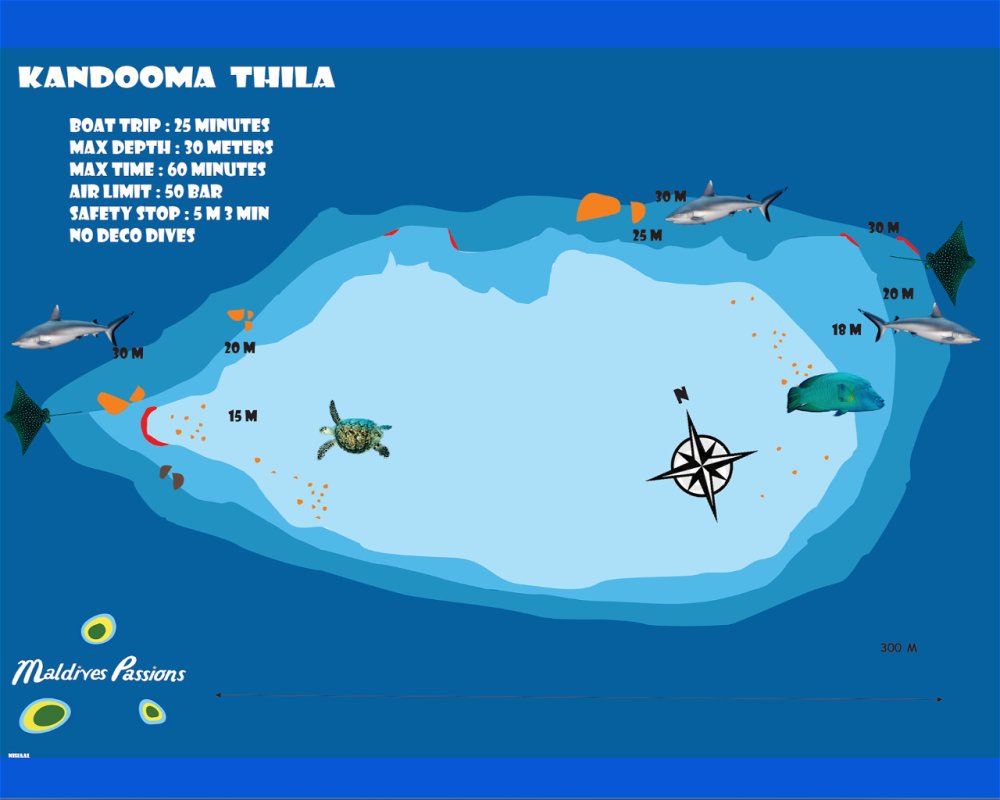
One of the most colorful dive sites in North Male Atoll. On the south side of Girifushi island with abundant fish life and very nice soft corals, there are numerous blue soft corals and a swim through. The current can be strong!
This amazing reef are 3 blocks. The biggest begins in the south between 80-100m long and it's full of corals, it would be nice we can start here. In the east we have another wonderful block a bit similar to east block Maya Thila covert full with corals. In the north is the smallest block. AOW or higher
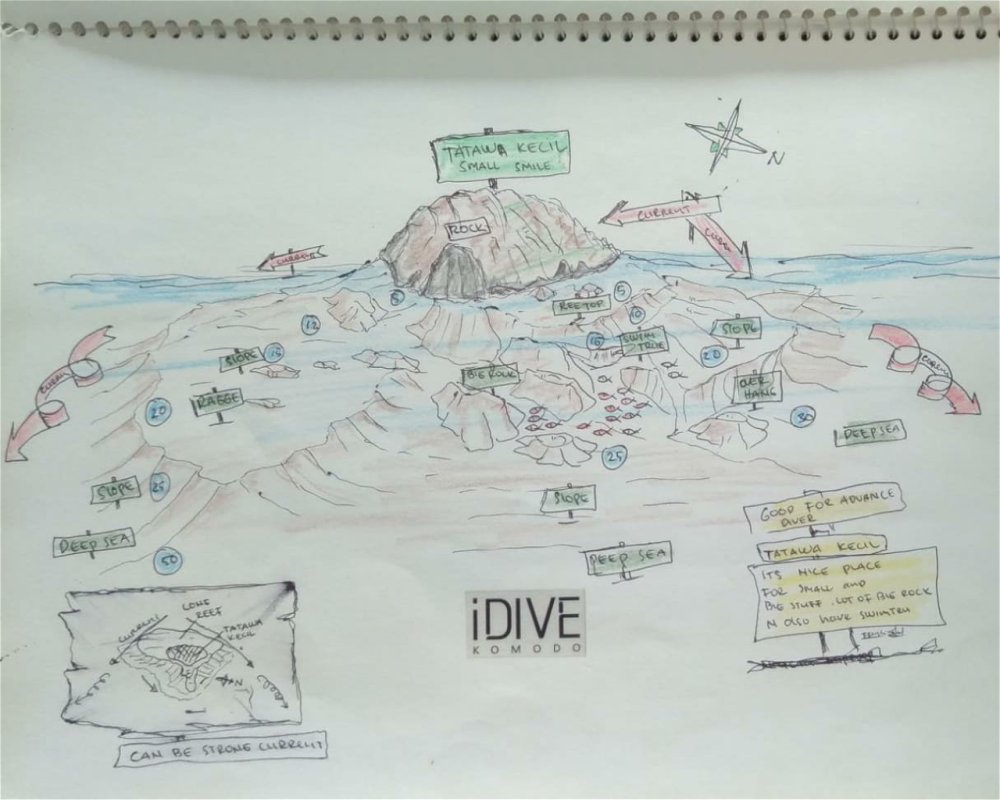
Easy but always nice dive. The top of the reef drops down from 7m to 30/35m and then runs into the sand. Depending on the current, you simply dive the right or left shoulder. With a little luck, this dive site offers everything that makes diving exciting!
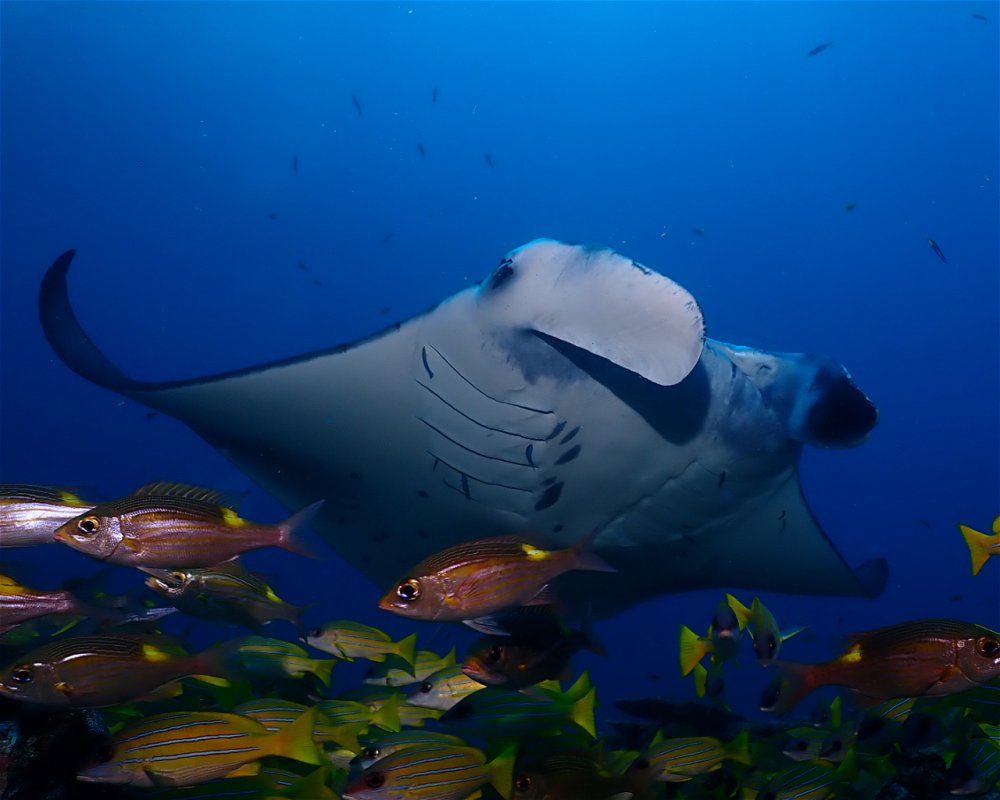
Kani Corner is basically a slope that goes to 25 - 30 m in a sandy bottom. There are some big blocks this deep and at the right time, mantas visit the blocks or pass by the top of the reef. The current can be strong so take caution.
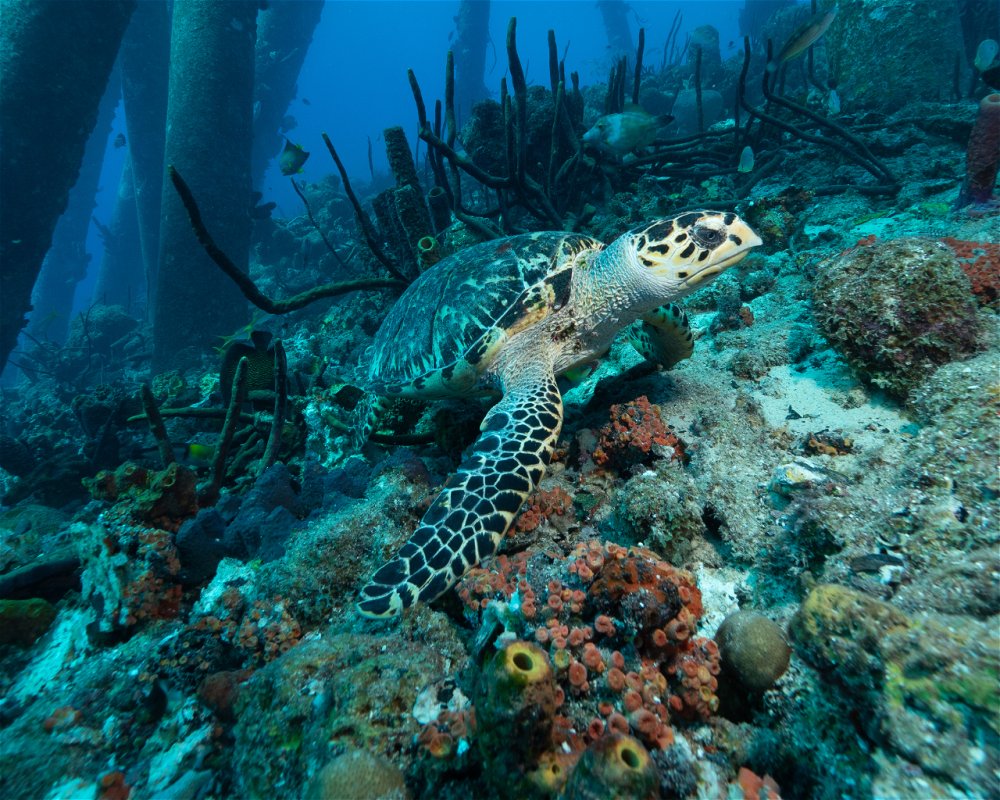
One of the top macro dives anywhere! Scattered ruins and columns are coral encrusted and provide habitat for many types of shallow sea life. The pier is 1526ft/465m long so lots to discover with a gradual westerly decline. Perfect for snorkeling & non-certified divers too.
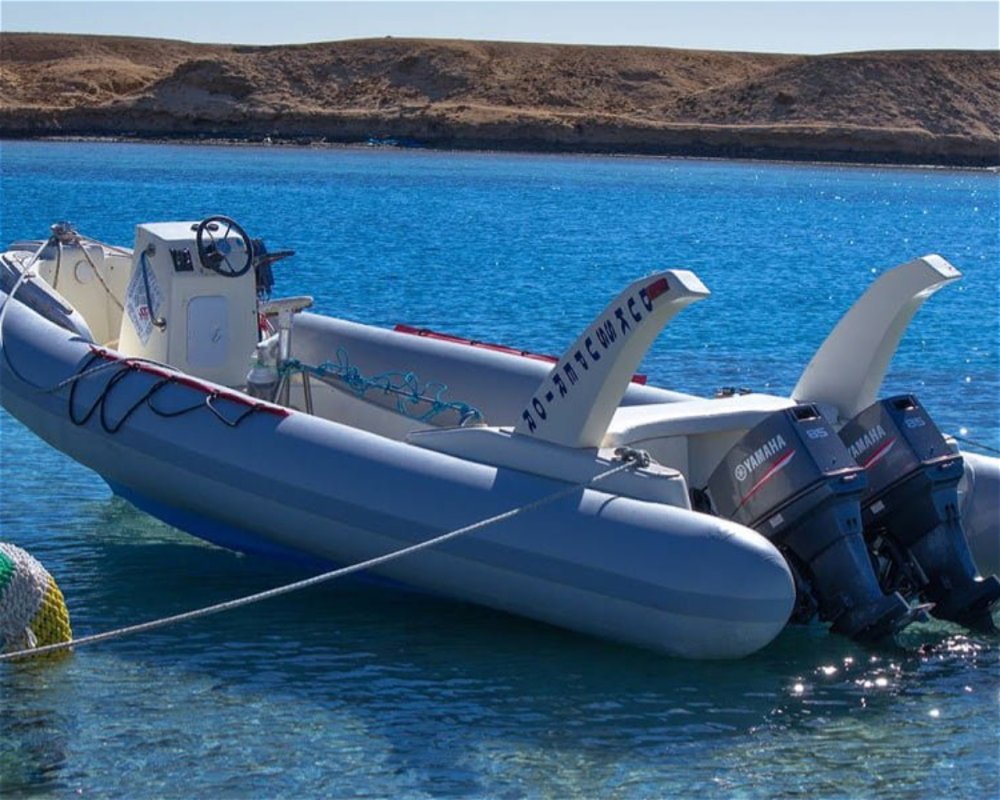
Narrow entrance with a sandy bottom. Nice coral. A good dive site to make drift dives from the zodiac on the North Anemone City. Good for experienced and beginner divers.