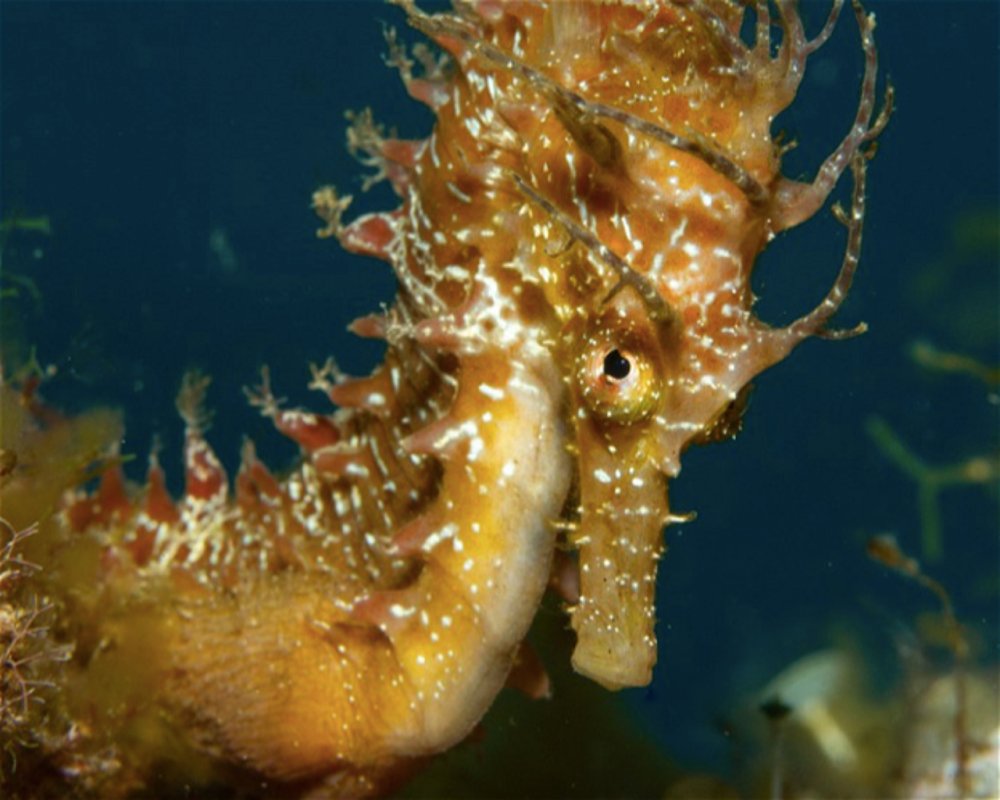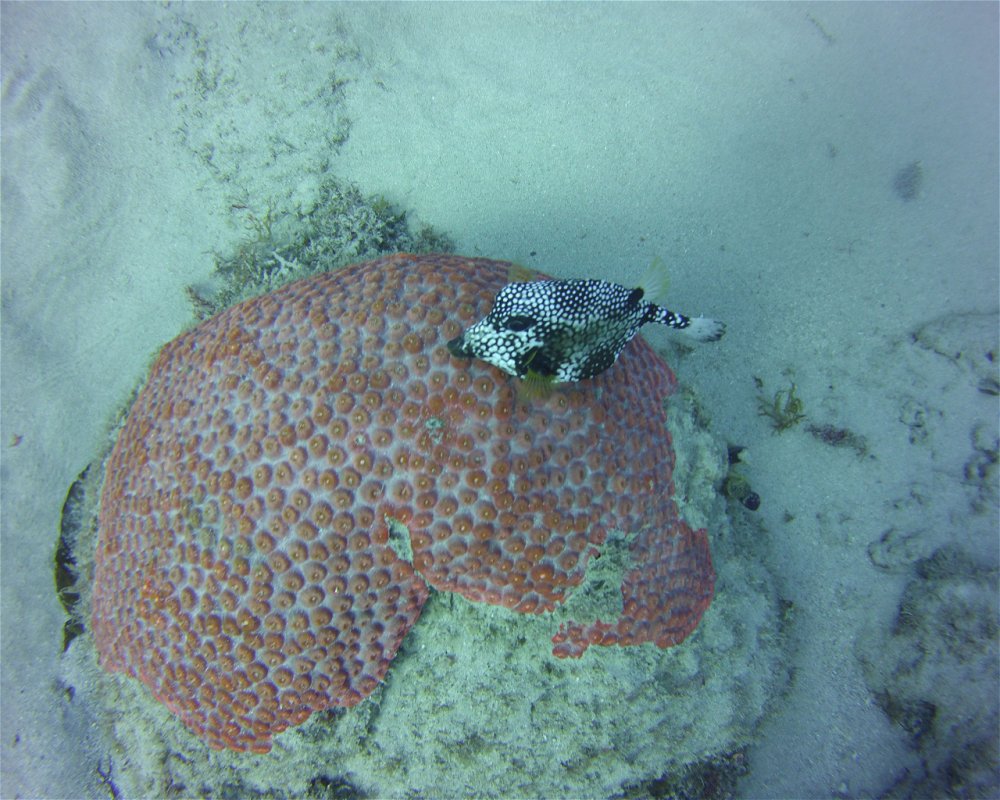
Flounder is a generalized term for any number of flattened fish species belonging to the families Pleuronectidae, Paralichthyidae, Achiropsettidae, and Bothidae. This unusually shaped fish looks like a flattened oval with the dorsal and anal fins running along the entire length of the body. One of the flounder’s most unusual characteristics is that after just a few days of life, one of its eyes begins to migrate to the opposite side of its head to what eventually becomes the fish’s top side.
Upon migration of the eye, the flounder adapts with a series of structural changes, eventually become a benthic fish species that spends its life swimming along the bottom of the sea. Flounder is a popular fish for eating, and those living near coral reefs can have beautiful coloration. They can also quickly change their color to camouflage with the surrounding substrate. To see where you can go diving with flounder, explore the dive site map below.
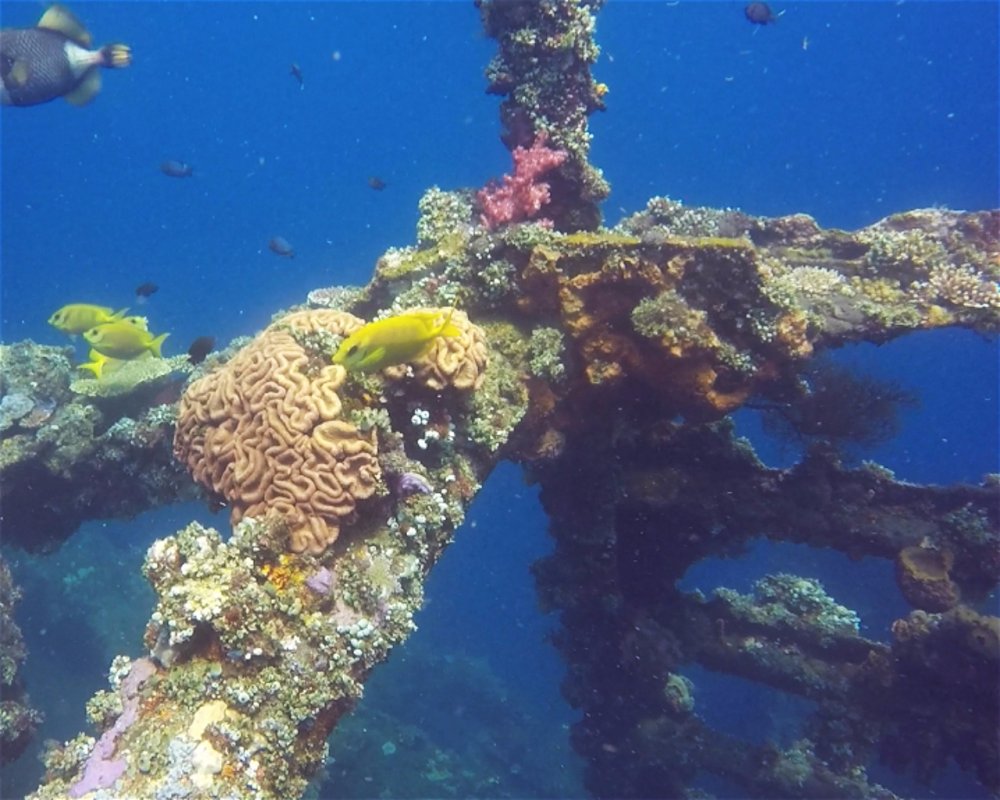
This is the only historical shipwreck in Bali, ranked #3 in the world for Wreck diving! The wreck is 25 meters form shore at a depth of 4 to 29 meters below the surface with most of it occuring in a shallow area. This dive site does not have strong currents, has clear water, and warm temperatures. Difficult entry!
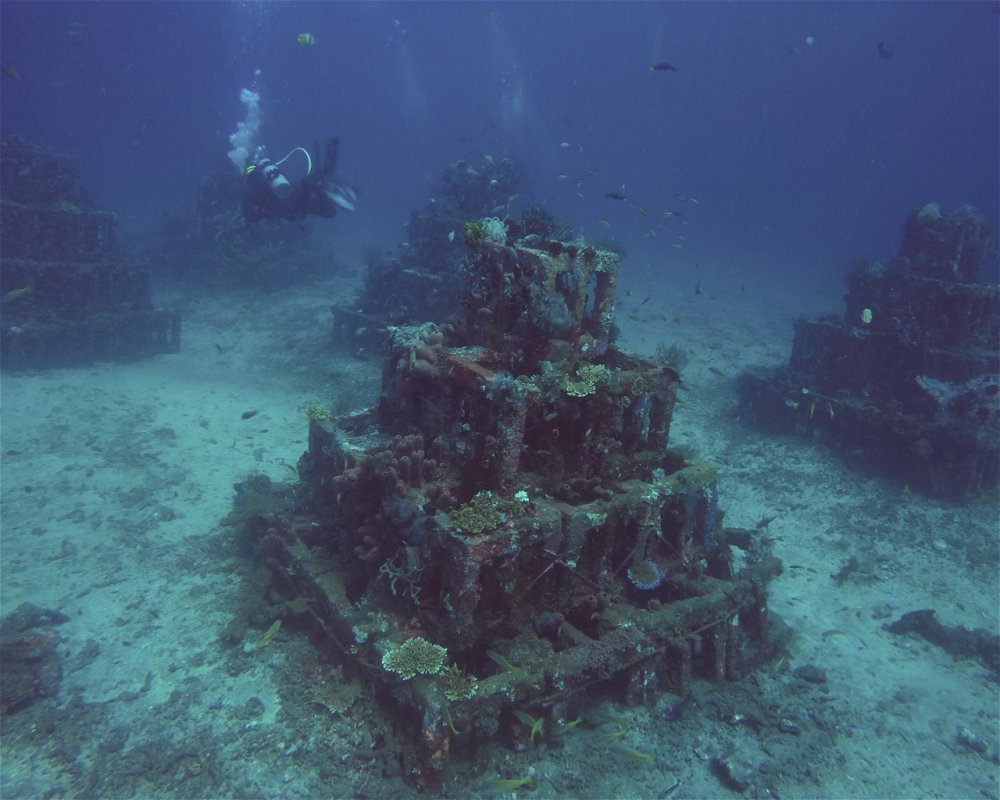
Artificial coral reef placed on the sandy bottom with depths varying from 10 meters to 25 meters. The basis of the coral growth is made of rectangular concrete arranged like a small pyramid. It is one of the best places to witness a successful artificial reef.
Montaña Amarilla Bay is a magical place surrounded by the walls of a volcano. Breathtaking view on the surface and spectacular underwater scenery make this location a Marine Nature Reserve. It is particularly popular for diving tourism.
El Peñon is one of the best wreck dives in Tenerife. This wreck is perfect for the wreck diver specialty, but also for fun dives. Sea conditions are great for most of the year.
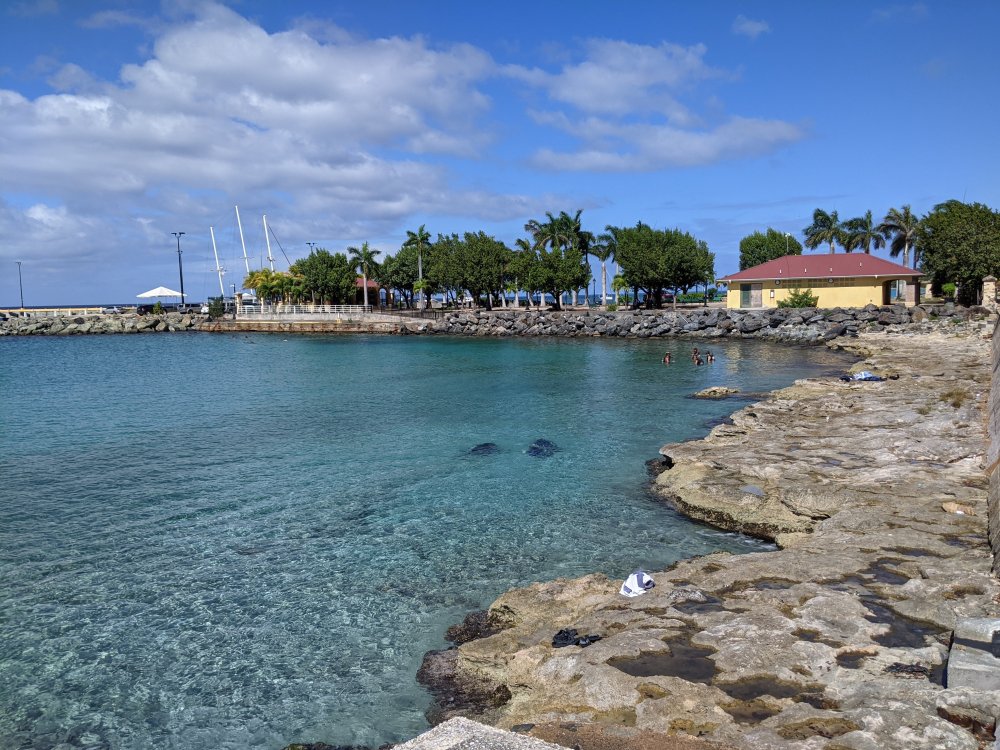
This site is the remnant of an old pier. It is a shallow site, no more than 30-35 feet of depth with a sandy bottom. The wreckage on the bottom provides an artificial reef for a large variety of marine life. Visibility ranges between 10 feet (if it has been raining) to over 50 or 60 feet.
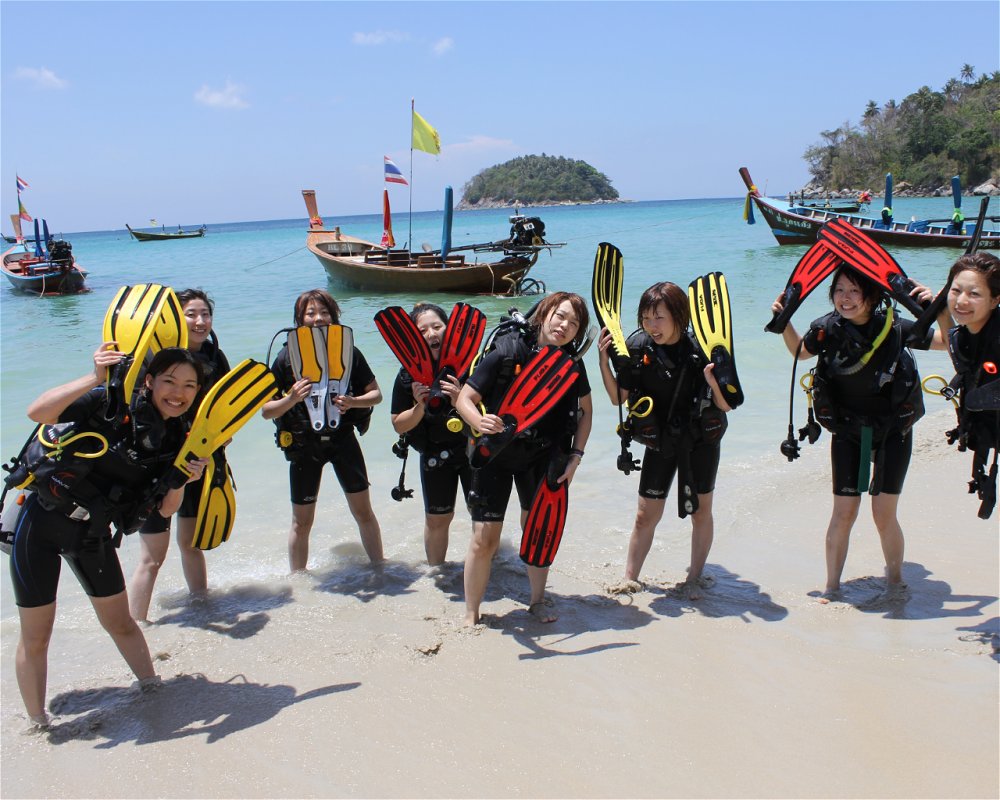
Kata Beach North Reef divers can avoid expensive boat trips to remote destinations throughout the diving season as this site is close and easy to get to. Different creatures move into different areas at different times; no two dives on Kata are ever the same.