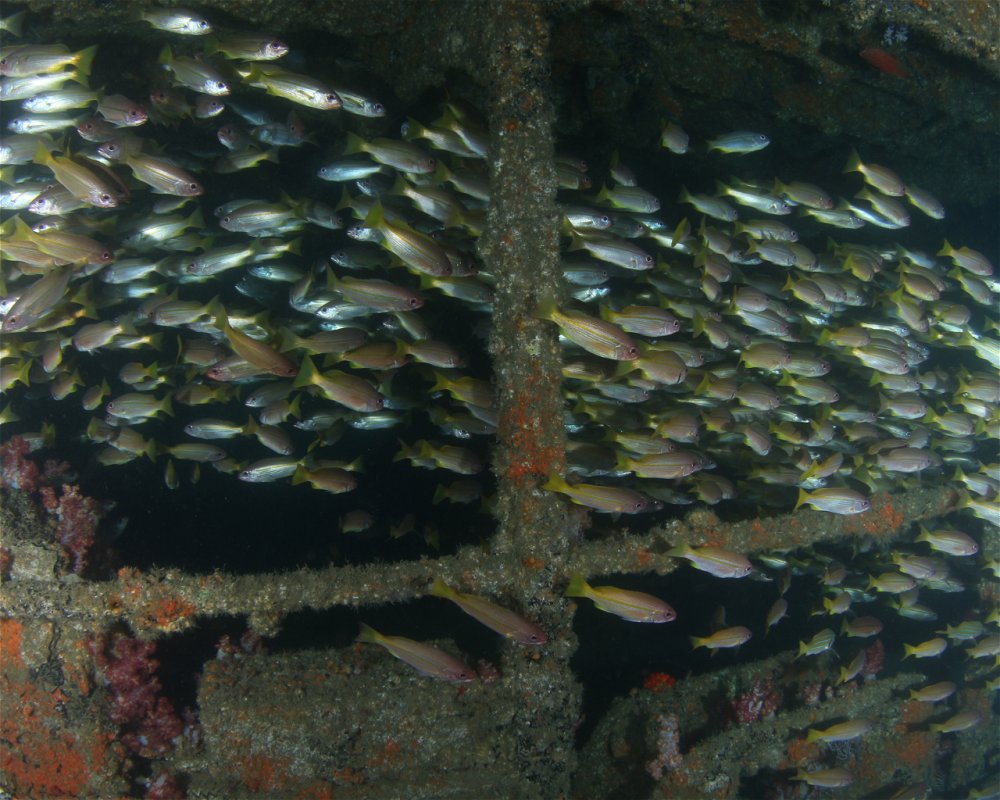
Snappers are a popular food fish commonly seen trolling coral reefs and a favorite sighting amongst scuba divers. These colorful, large marine fish include around 113 species within the Lutjanidae family. On menus throughout tropical destinations like the Caribbean, you can find the most popular snapper, the red snapper. The largest snapper, the cubera snapper, grows up to 1.52 m (5 ft) in length.
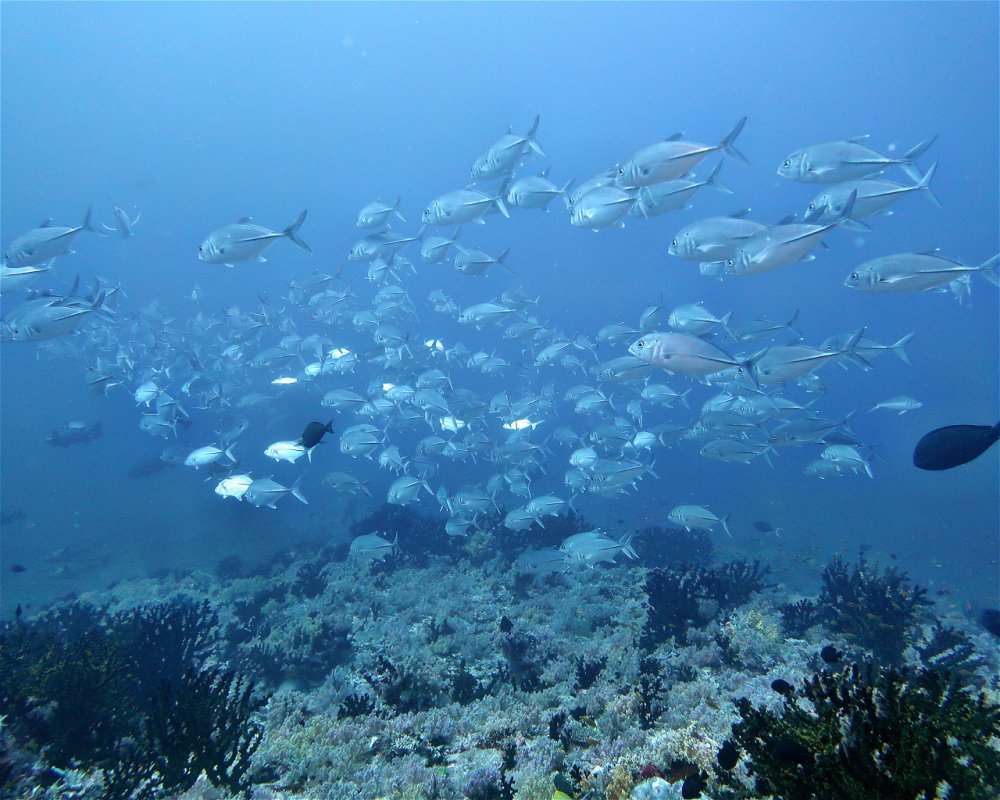
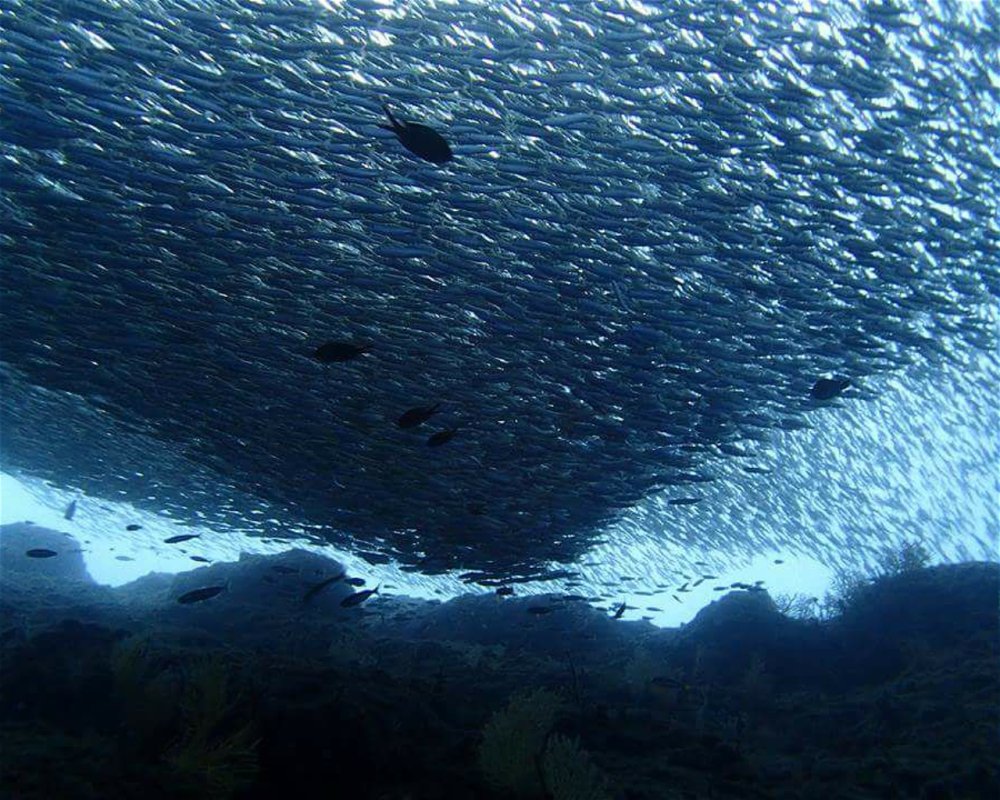
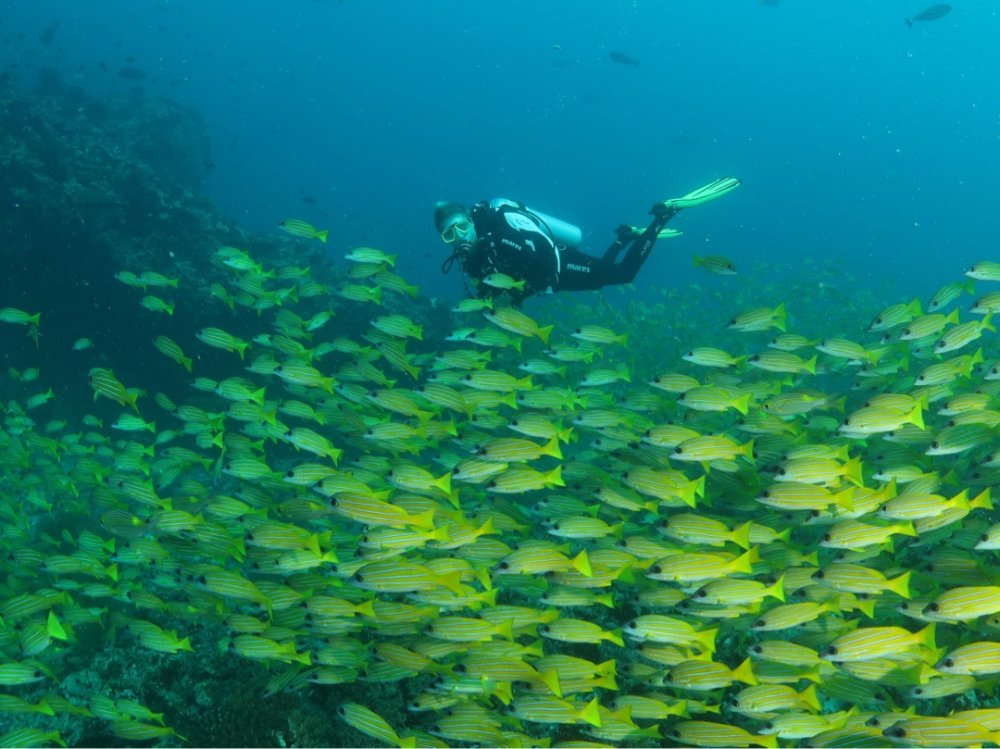
You can go diving with snappers all over the world in the ocean’s tropical and subtropical regions. These carnivores are usually found in abundance, staying in medium to large-sized schools near coral reefs. They are easily recognizable by their elongated bodies, large mouths, and forked tails growing to an average size of 60-90 cm (2-3 ft). Explore the map below to see where you can go diving with snappers.
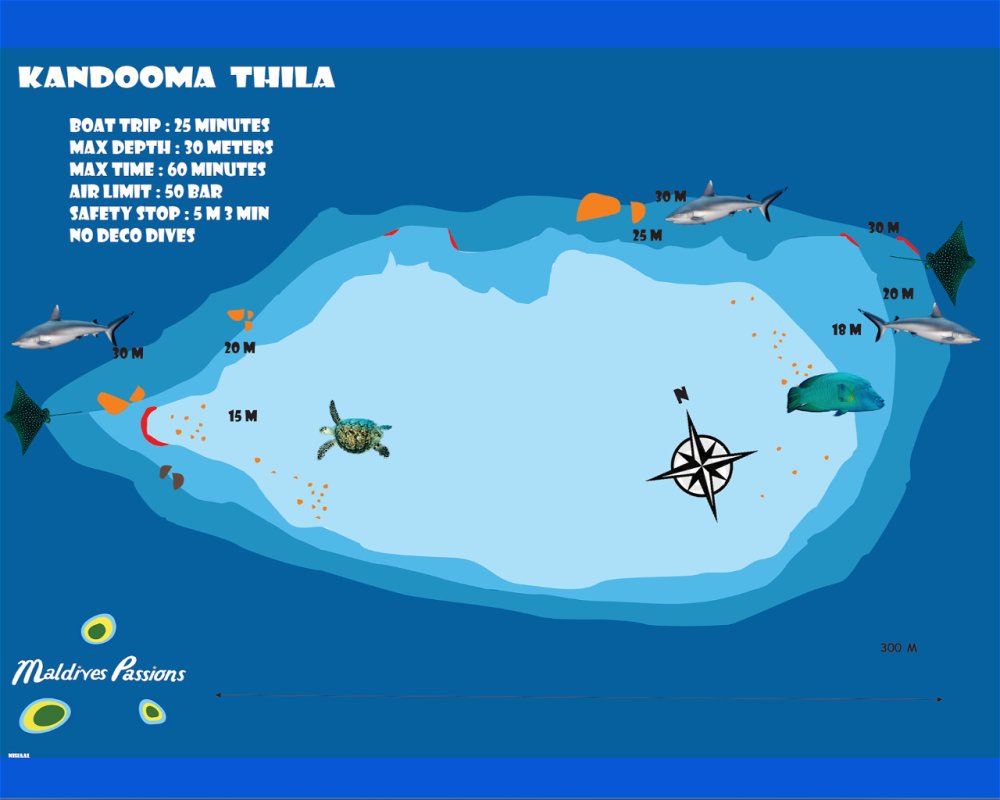
This is a small thila 80m long and 70m wide in the middle of a channel which promises a lot of currents. Due to the current, this dive site should be dived by experienced divers only, or those who are willing to learn! Smart diving in the current’s shade required or the right place to be shown by an experienced instructor.
Drift dive along Kudathulhaadhoo Island. Large overhang with soft corals in the west, caves in the middle, and a small bay and the tip in the east is full of fish
Drift dive with the current flowing from the western tip of Kinohlas along the north side towards the small Thila. Lots of fish on the top of the reef, some really nice little overhangs deeper. Experienced divers dive to the thila, beginners stay over the overhangs and slowly ascend the Sandy Slope
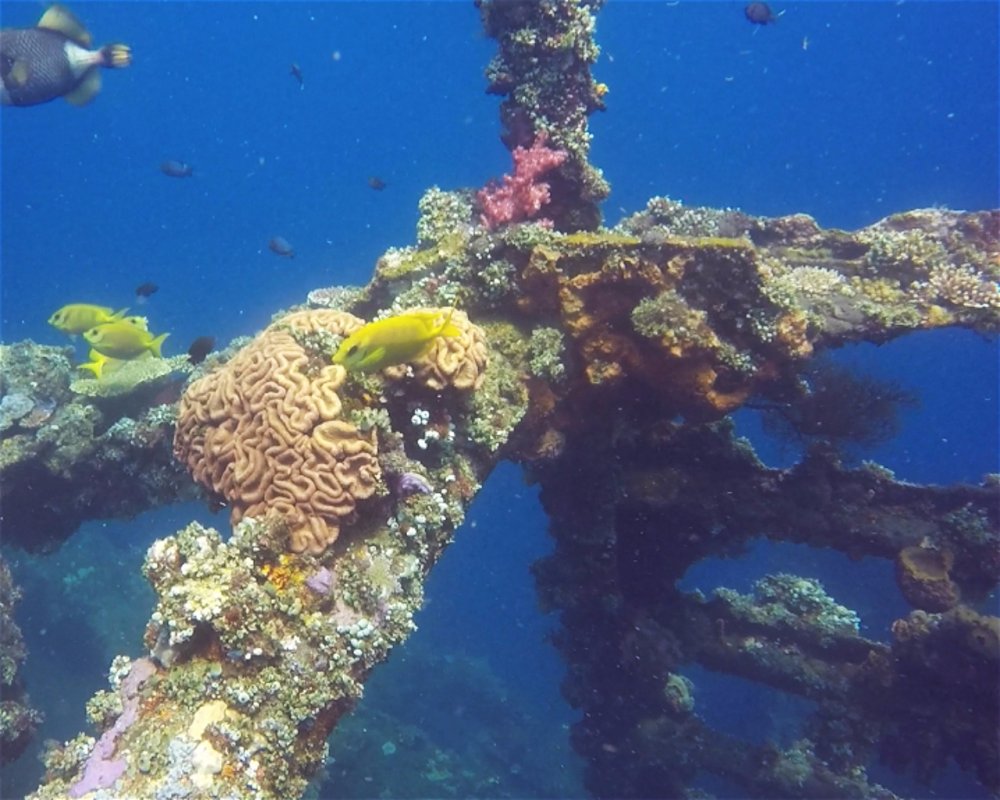
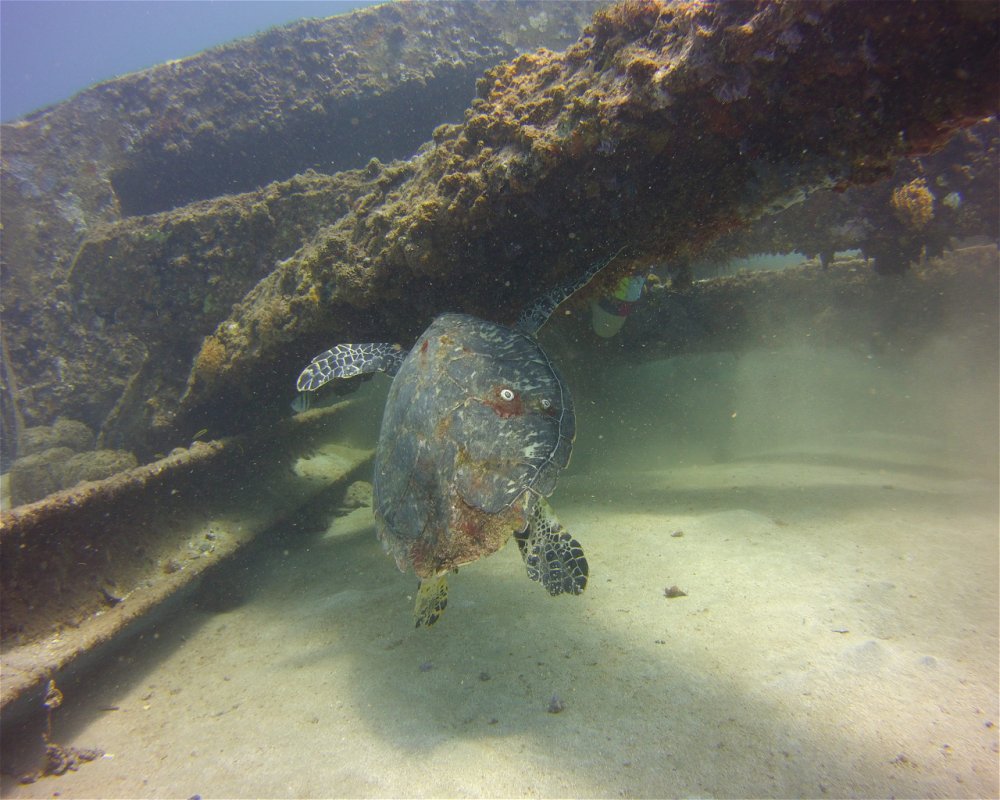
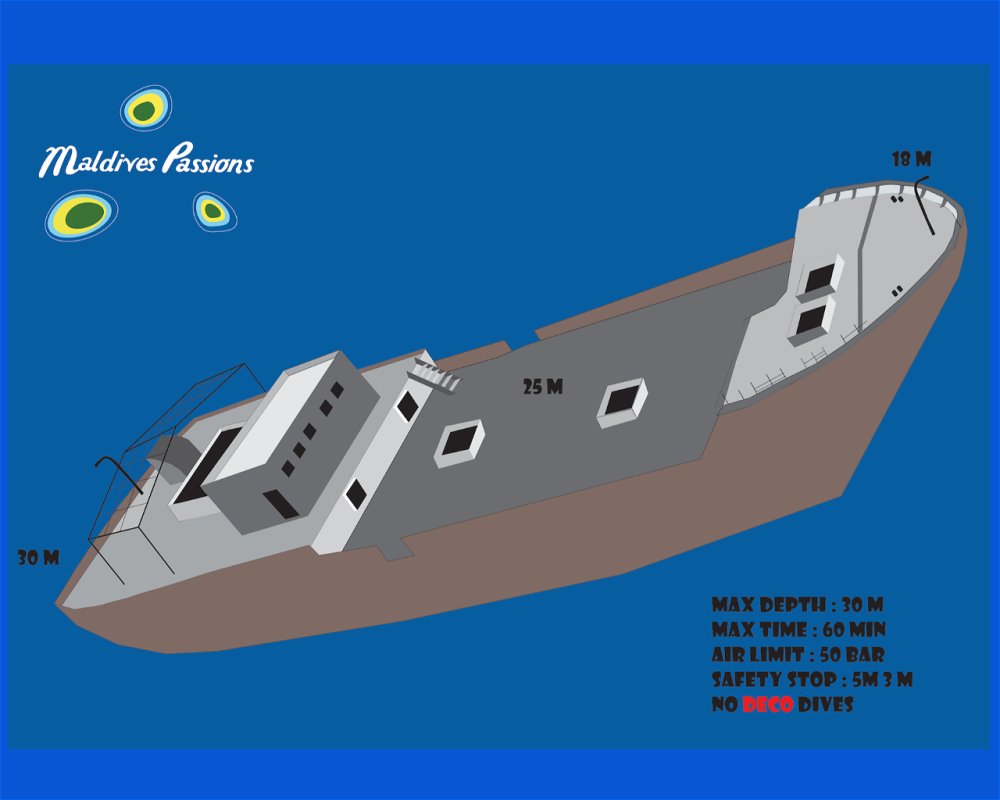
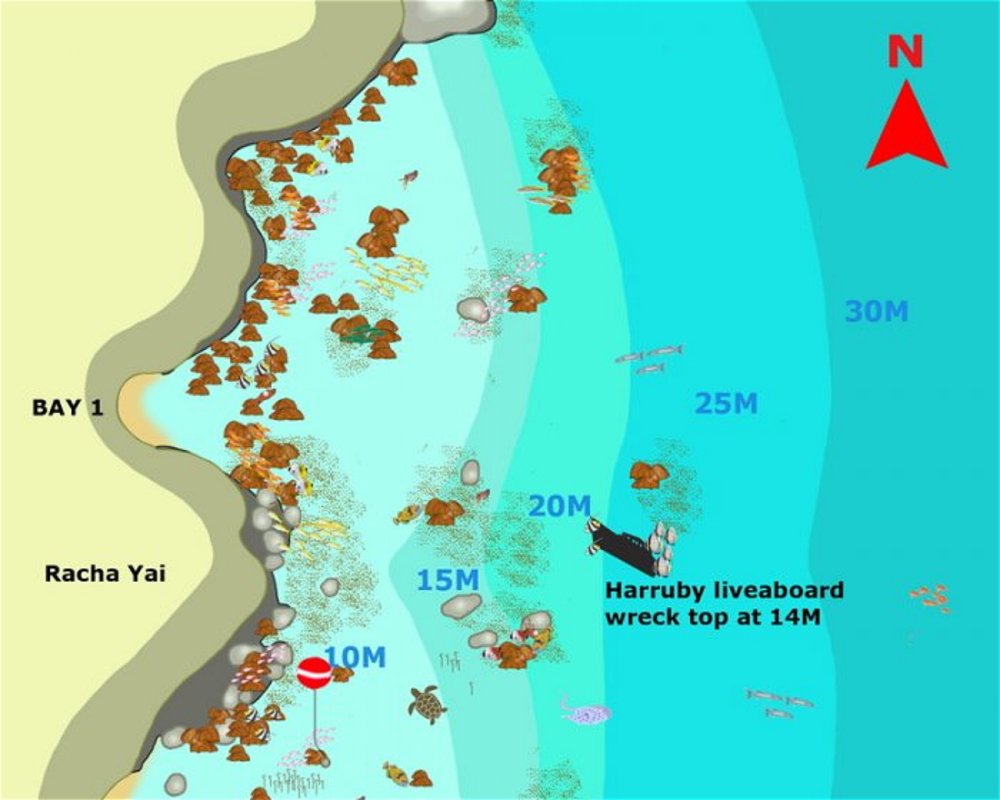
An easy dive site which is ideal for open water dives 3 and 4 OWD, but also offers nice macro stuff. You can find them at the mini wreck or the cargo that lies around the hull on the ground (16-19m). A little further out west (20m) we find a small thila.
Northern Arch is a renowned site that often has large pelagic species and current. The Arch is deep and bottoms out at over 36m, there is interesting structure on either side of the Arch and the Northern side of the Arch keeps sloping away down to 50m+.
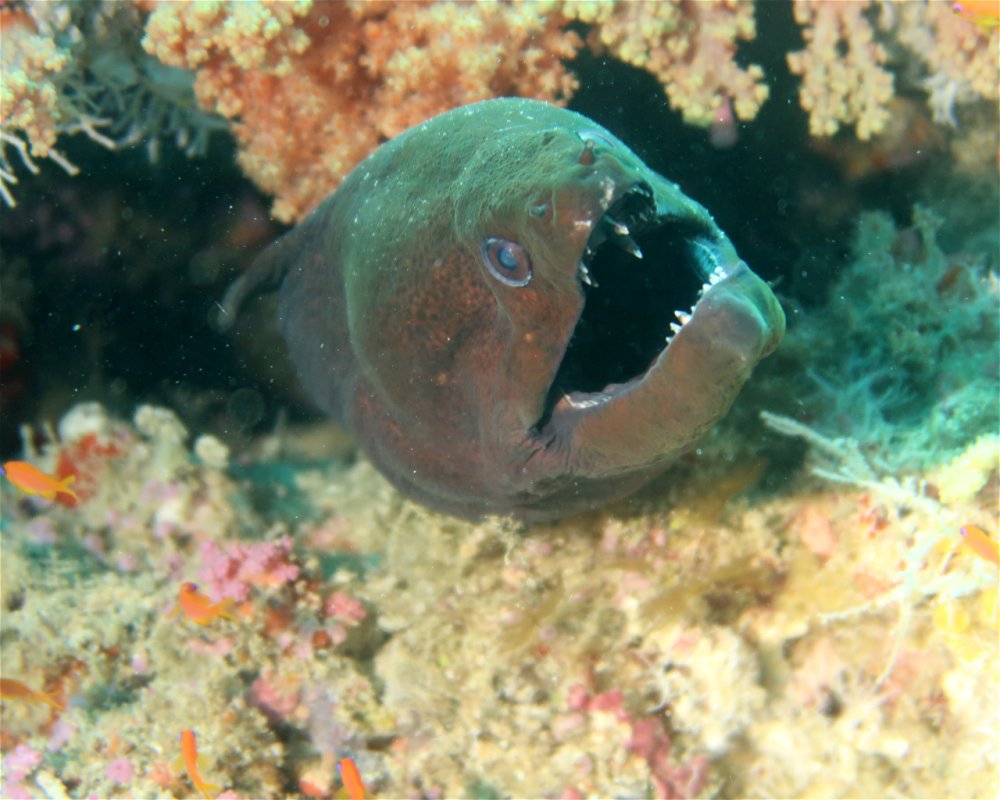
A small reef with many different types of colorful coral. The reef roof is at a height of 6m and has a diameter of approx. 20m, at a depth of 25m it should be approx. 50m. On the west side an overhang with soft corals, further deeper a gap with giant moray eels and cleaner shrimp.