Embark on an underwater journey to discover the world’s most spectacular diving destinations, pristine dive sites, and fascinating marine wildlife. From tropical reefs to historic wrecks, find your next diving adventure.
Connect with certified dive centers and professional instructors worldwide. Whether you’re a beginner or experienced diver, find the perfect location to learn, explore, and enhance your diving skills.
Experience the ultimate diving adventure aboard world-class liveaboards. Explore remote dive sites, enjoy multiple dives per day, and wake up in paradise at some of the planet’s most incredible underwater destinations.
For liveaboard trips, we partner with LiveAboard.com to offer the widest selection of dive safaris worldwide.
Liveaboard diving holidays pack more diving in the same trip and allow divers to explore far-flung dive areas and see more marine life in the most beautiful dive destinations of the world.
Whether its wildlife tours, cultural visits and scenic hikes you are after or idyllic shores, swim stops and wonderful meals on board, an adventure cruise offers an amazing experience you won’t easily forget.
Diving in Africa you can explore the wonders of the Red Sea or discover hidden gems like St. Helena Island.
Some of the world’s most paradisiac diving destinations in Asia can be found in Indonesia, Maldives, Malaysia, the Philippines, and Thailand.
Das Great Barrier Reef, das größte Korallenriff der Welt, ist der Inbegriff des Tauchens in Australien.
Diving in Occitanie – Discover the best scuba diving in France!
North America offers a wide variety of adventures for every type of diver such as ice diving in Alaska or cenote diving in Mexico.
Some of the top diving destinations in Oceania include Micronesia, Fiji, Polynesia, Palau, Guam or the Marshall Islands.
In South America, you will find plenty of dive sites to choose from, including Ilhabela, Abrolhos Archipelago, and Easter Island.
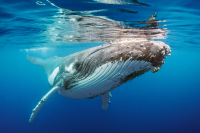
Kings of the Oceans
The Best Dads in the Sea
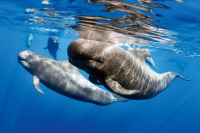
Gentle Movers of the Sea
Making the Oceans a Rainbow of Color
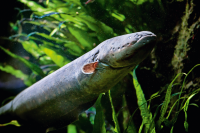
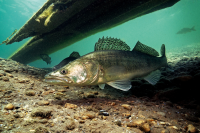
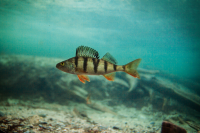
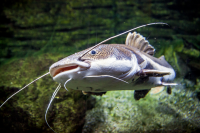
Dominators of the World’s Lakes and Rivers
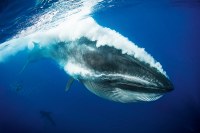
The Most Majestic and Ancient Ocean Swimmer
Diverse Ocean Dominators
Critters of the Sea
Mesmerizing Movers
Record Holder of the Seas
“Humans” of the Underwater World
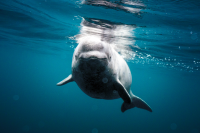
Curious, Playful, and Cute
Courses & Events
Divesites
Centers
Saba’s famous landmark sits on a flat, sandy bottom at 80 feet. Circumnavigation near the bottom provides excellent opportunities to see Southern Stingrays and Furry Sea Cucumbers in the sand.
Haystacks lies on the reef area known as the Western Sambo reef and is an excellent, shallow boat dive. Perfect for snorkelers and all levels of divers.
Turtles site nearby Playa del Carmen, Biosphere protected animal sea area. Plenty of doris, emperors, clownfish, lobster, coral reef, seabass, pufferfish.
About 40min from Beau Vallon beach and 43min from Bel Ombre marina. We back roll in the water and the boat comes to pick us up wherever we finish the dive. Beautiful dive around a seamount at a maximum depth of 25m. Usually strong current.
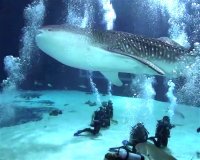
The Georgia Aquarium is one of the most renowned aquariums in the United States located in Atlanta, Georgia. This aquarium displays hundreds of different animal species amongst seven themed galleries.
Coco Cay is an island just off Nassau belonging to the Royal Caribbean Cruise Line and is a popular stop for cruise-goers to either snorkel or dive. A nice, calm, clear, easy dive.
The Pumpkin Patch is a spectacular reef dive, shallow enough to snorkel, that sits off the southwest coast of New Providence. Water flowing off the Great Bahama Bank twice a day, during the tidal change, over the wall and into the Tongue of the Ocean brings nutrient-rich water making this reef a haven for all.
A place with a lot of current, suitable only for advanced or experienced divers. For this dive site it is ideal to have the NITROX certification to make the most of it. Multiple dives may be required to visit all the corners of this place.
With a very interesting relief, its rocks also form spectacular canyons and caves. Being a deeper point (between 12 and 25 meters), distant from the island and with the presence of currents, only the most experienced divers can dive there.
A small thila on the northwest of Kandolhu resort which is suitable for all level of divers. It offers plenty of marine life and with some luck even eagle rays or mobulas can be spotted. The top reef starts as shallow as 5 meters and it falls to a sandy bottom of 25 - 30 meters.
The Great Blue Hole sits just off Lighthouse Reef in Belize and is one of the most famous marine sinkholes in the world. It is 407 feet deep, with many stalactites to be seen. This is an advanced dive due to the depth and seemingly bottomless hole. It is easy to get too deep too fast, so watch your gauges!
This is a great little wall dive with the reef starting in just 20 feet of water (good for snorkelers) but then drops off into hundreds of feet deep. The visibility is great, and there is much to see!
Diving Boynton Ledges is full of dramatic edges dropping from 51 feet on top to 67 feet in the sand. This site runs north/south with many deep undercuts and plentiful marine life. A fun boat dive!
Only 1 of the very few sites in all of the Cayman islands to find this rarely seen pillar coral growing. Other marine life to be seen include grunts, snappers, parrot fish, and octopuses too!
The Ray of Hope is a 200-foot long Haitian freighter that was sunk as an artificial reef in 2003. She is fully intact, allowing divers to penetrate her interior, cabins, and gangways. Sitting in just 40-60 feet of water, this is the perfect dive for all levels of divers.
Found off Andros, the Great Blue Hole is probably one of the most unique dives in the Bahamas. This natural hole in the open ocean floor is about 100 feet across and over 200 feet deep.
With their glory days long past, these purposefully sunk wrecks have become amazing artificial reefs for an array of fish, turtles, and eels to call home. Due to the Bahamas’ gin-clear water, Universal Studios sunk a number of vessels here to shoot many of the James Bond films on.
Deeper than some of the other coral reefs, Victory Reef has spur and groove formations and a natural “V“ shape which provides different scuba diving adventures. If you swim northeast you will drop off the wall, and if you swim southwest you will have a 50-60 foot dive.
A vibrant patch reef just off the shore of Islamorada in the Florida Keys. This dive site is home to thousands of fish, coral, and larger marine life such as sea turtles, sharks, and rays. The top of the reef is about 15 feet while the sand is between 20 and 25 feet, so also good for snorkelers. Mooring ball.
An amazing, shallow reef dive great for snorkelers and newer divers. Davey Crocker Reef has one of the highest populations of fish life in this area. Schools of fish, nurse sharks, eels and turtles. This is a must dive.
Beginner wreck dive where divers will see a small shipwreck of the Cartanza, which is broken into three pieces. Max depth on the wreck is 41 feet, with option to explore deeper reef extending to 60 feet. Many divers and snorkelers enjoy shipwreck cove as it is protected from wind, and there are many moorings.
Located between Wildlife Reef and Hammerhead Hole, this site offers variable topography that is great for all kinds of divers. Whether you like to see large fauna like rays, or hunt for macro life along the top reef, this easily navigable site is great for beginner divers.
Dzul Ha is a popular, shallow reef South of El Presidente Intecontinental hotel. The reef begins near the Landmark / Money bar area and is a popuar snorkeling spot. Artificial reefs and natural coral house plenty of fish and crustaceans. Good for night snorkeling too.
Paradise Canyons offer beautiful finger canyon formations with beautiful coral formations and lots of marine life. This site is boat accessible just off San Pedro with depths of 60-70 feet.
Toffee Canyons is a great dive site just off Ambergris Caye. This is a fairly shallow site great for newer divers and snorkelers. Healthy reef system with lots of marine life to see.
Shipwreck Cove on Buck Island is the home of Cartanza, an old naval supply ship. This shipwreck offers excitement for new and experienced scuba divers alike. Snorkelers can also enjoy the site as the ship is clearly visible from the surface.
A great dive site for all levels of experience. With a depth between 18 and 22 meters and a lot of area covered with vegetation, you can always find some interesting animals.
Cavern. Follows the thin passage back and it opens to a large chamber, on calm seas days you can surface at the end. Maximum depth around 25 meters.
The HMAS Brisbane was scuttled in July 2005 to create an artificial reef off Mooloolaba’s Sunshine Coast. The Queensland government created a Conservation Park around the wreck. This wreck is buzzing with beautiful marine life.
Hol Chan is THE most popular dive area in Belize if not all of the Caribbean. This Marine Park sits just offshore from Ambergris Caye and boasts great visibility, beautiful coral formations, and TONS of marine life.
Fish Head Thila was formerly known for its enormous population of grey reef sharks. Now it depends on luck, season and the current to see them. The reef plate starts at about 10 meters depth and there can be currents. Fast descent required.
The dive starts at around 13 meters (45 feet) and can reach depths up to 27 meters (90 feet). Divers can explore both the reef and the wall, with the latter featuring steep drops and rich coral gardens.
Cozumel is one of the most popular dive destinations in the world and caters to divers with many diver-specific hotels year-round. Sitting just off Mexico’s Yucatan Peninsula, Cozumel boasts crystal clear, warm waters every day of the year and is home to a wide array of marine life.
Just a 5 minute boat ride from the Shore and tucked between a gap in the reef is a small “sandpatch“. The dive site sits at 18M and has ropes set out at the bottom of mooring lines at 12m & 18M for divers to hold onto and watch the sharks feed! The surrounding reef is also home to a good mix of Bio diversity.
Home to Americas only underwater hotel, this site is great for confined and open water training. There is a shallow platform at about 6 feet (depending on the tides) and the deepest point is about 25 feet. There are 3 downlines and 3 exit points. Visibility is typically around 10 feet.
Tormentos is a very popular second dive among Cozumel dive charters due to its shallow depth (averaging around 65 feet) and little to no current. The reef is very healthy and full of life; a photographer’s dream.
Many divers consider Half Moon Caye Wall to be the best dive site in all of Belize. With excellent visibility, consistent and diverse wildlife sightings, and beautiful coral this dive never disappoints. Many diver operators choose this dive as the second dive following the Blue Hole.
One of the most popular dives in Cozumel. You will find a steep dropoff, with potentially strong currents and frequent eagle ray sightings. The water is beautiful with 30m or better visibility. There are big barrel sponges all along the wall. This is a more advanced dive site.
Palancar Caves is usually done as a multi-level drift dive, starting out fairly deep, usually hitting the recreational limit, to explore the deeper reef which is full of underwater tunnels and caves to swim through. Then you’ll make your way up the reef to the more shallow area to end your dive.
This channel site is in the northeast of Vaavu atoll. This site is more suited to advanced divers as you can encounter strong currents. When there is less current, the dive site can also be for less experienced divers.
The dive school located at the end of the main jetty offers access to the house reef, giving you easy excess to the seamless drop-off for diving and snorkeling. One of the best house reef resorts in the Maldives. Night feeding manta rays are here almost every night.
Police Wreck(s), as the name suggest, is a set of 3 decommissioned police sunk in 2012 as an artificial reef. The wrecks lie between 14-19m of depth, link to each other with a guideline. The wreck dive is relatively easy, and makes a good spot for wreck specialty course.
The house reef is a popular spot for snorkelers and divers and is home to a diverse marine life. The reef top starts between 2 to 3m and gently slopes down to a depth of 30 m
This is a very popular dive site in Palm Beach County and consists of the remains of an old pier in front of the famous Breakers Hotel. Ranging in depth from just a few feet to 18 feet this site is great for divers and snorkelers alike.
It is a drift dive that starts in the Outside Sea and ends in the Inside Sea, therefore, it doesn’t demand much effort from the divers during the displacement. The average depth is 15 meters and the point is made up of rock formations of volcanic origin.
Despite its name, this underwater cave holds spectacular rock formations. It's a very interesting spot, with an incredible look. It's not possible to make long penetrations, just a few passages.
Very versatile place, that can receive both beginner and experienced divers, because the dive starts in shallow and sheltered waters and its walls can reach 34 meters of depth.
At this dive site, the depth varies around 15 meters. Its fantastic formation is already worth the visit. The rock formations form corridors, canyons, arches, caves and small caves.
One of the most popular dive sites in Cozumel, Paradise Reef is actually three separate patch reefs running parallel to shore and is accessible by both shore and boat. This is one of the few good shore-accessible dive sites on the island. Max depth is 45 feet so this is a good site for beginners and snorkelers.
This site is the remnant of an old pier. It is a shallow site, no more than 30-35 feet of depth with a sandy bottom. The wreckage on the bottom provides an artificial reef for a large variety of marine life. Visibility ranges between 10 feet (if it has been raining) to over 50 or 60 feet.