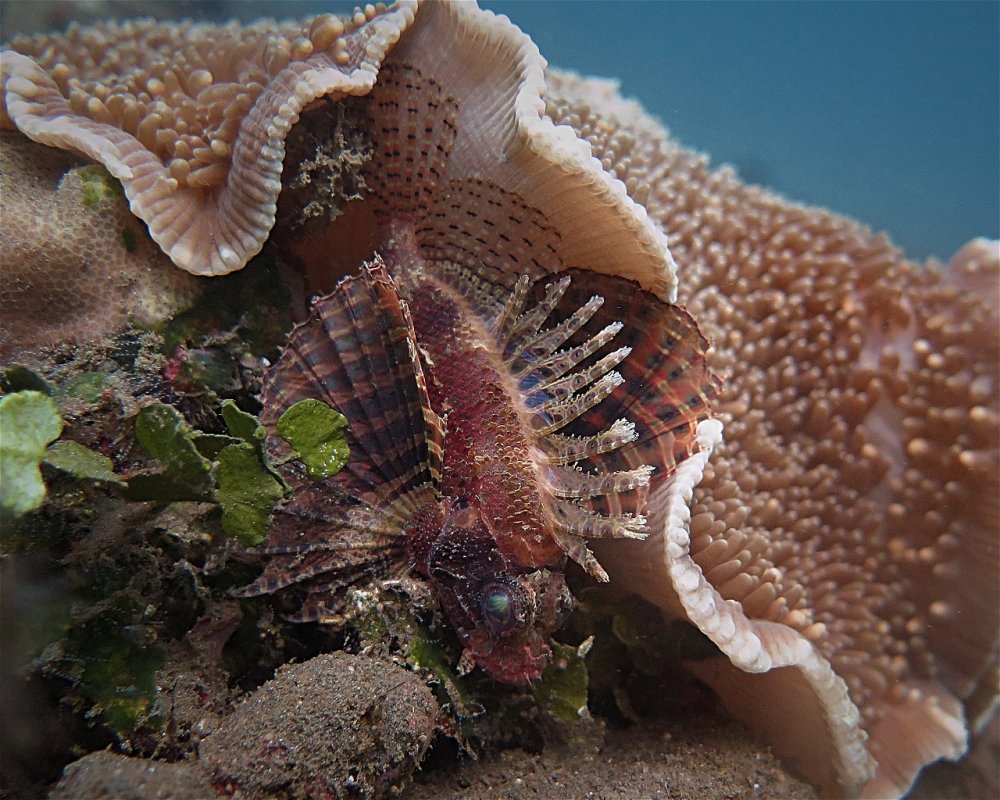
Lionfish are native to Indo-Pacific waters and are usually found hiding under ledges or in shallow caves at depths between 2 and 60 meters. They are diurnal, meanings they hunt both during the day and at night but often stay hidden until sunset to avoid predators. Unfortunately, lionfish have become an invasive species in the western Atlantic Ocean and Mediterranean Sea. In fact, despite their menacing beauty, lionfish have become a huge problem in the Caribbean as their population has spread tremendously in just a single decade. In fact, the Science Channel has claimed they are “one of the most aggressively invasive species on the planet.” These flashy predators are considered fairly aggressive and harmful to humans so take caution when diving with lionfish and keep a safe distance.
Also known as the zebrafish, turkeyfish, or butterfly-cod, lionfish are easily identified by their distinctive red, white, and black stripes, prominent pectoral fins, and venomous, spiny fin rays. There are currently 12 different species of lionfish, two of which have invaded Atlantic waters. If you are interested in diving with these stunning predatory fish, click on the map below to explore dive sites around the world where lionfish can be found.
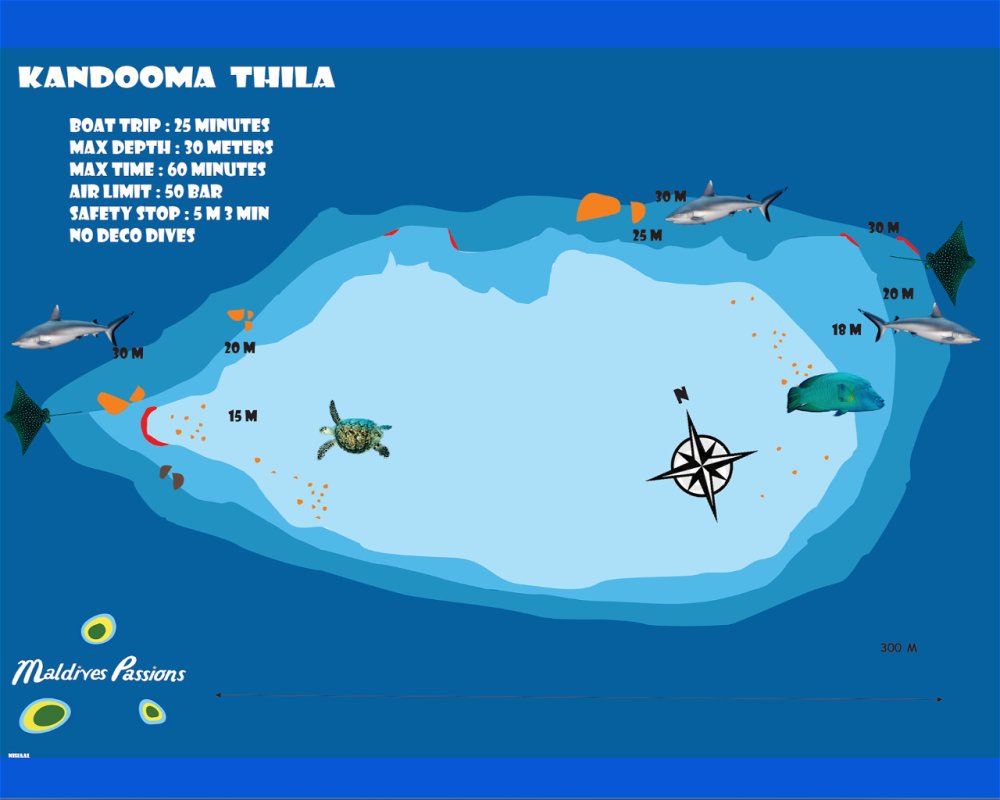
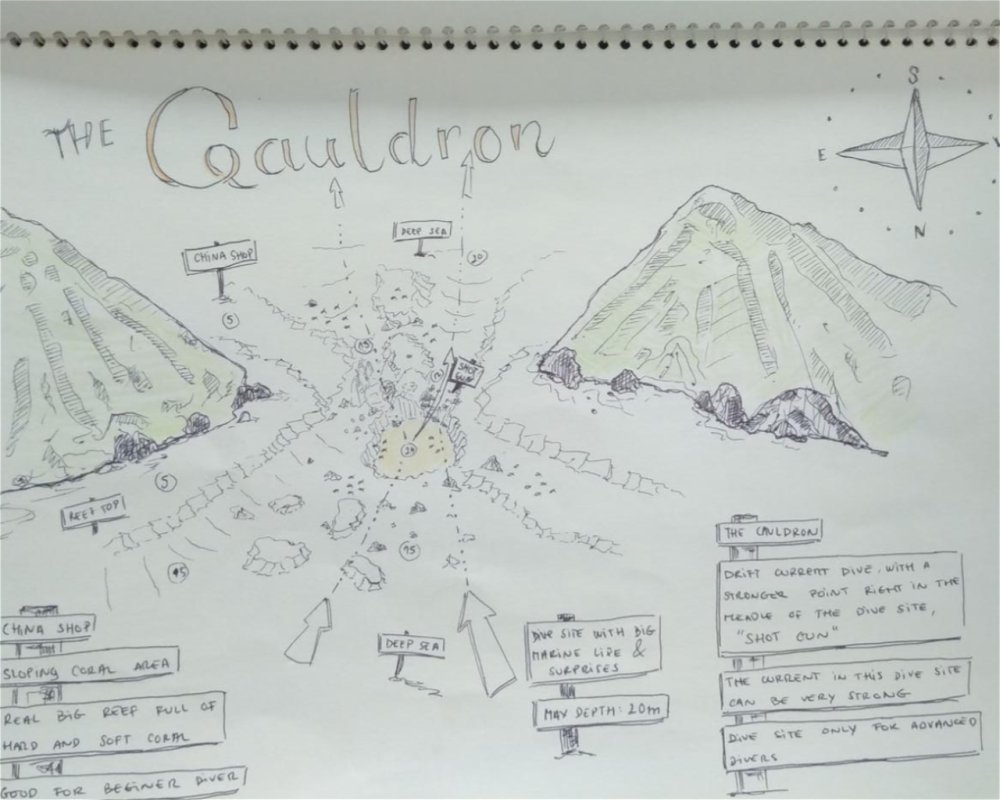
This is a small thila 80m long and 70m wide in the middle of a channel which promises a lot of currents. Due to the current, this dive site should be dived by experienced divers only, or those who are willing to learn! Smart diving in the current’s shade required or the right place to be shown by an experienced instructor.
Drift dive along Kudathulhaadhoo Island. Large overhang with soft corals in the west, caves in the middle, and a small bay and the tip in the east is full of fish
Drift dive with the current flowing from the western tip of Kinohlas along the north side towards the small Thila. Lots of fish on the top of the reef, some really nice little overhangs deeper. Experienced divers dive to the thila, beginners stay over the overhangs and slowly ascend the Sandy Slope
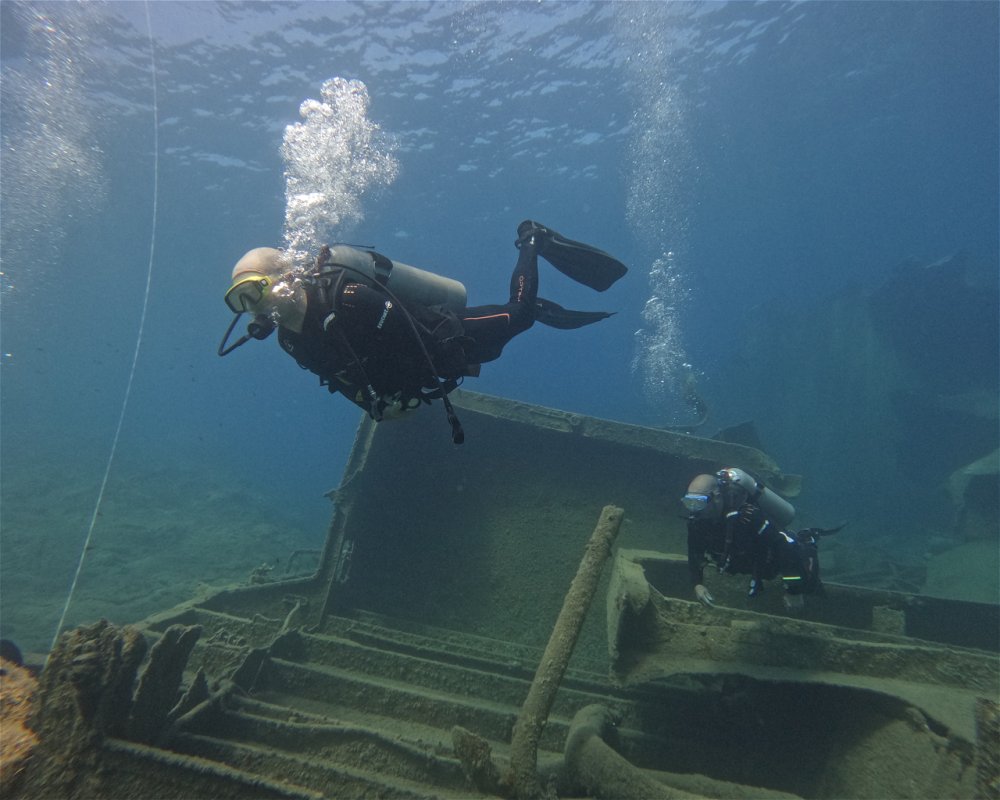
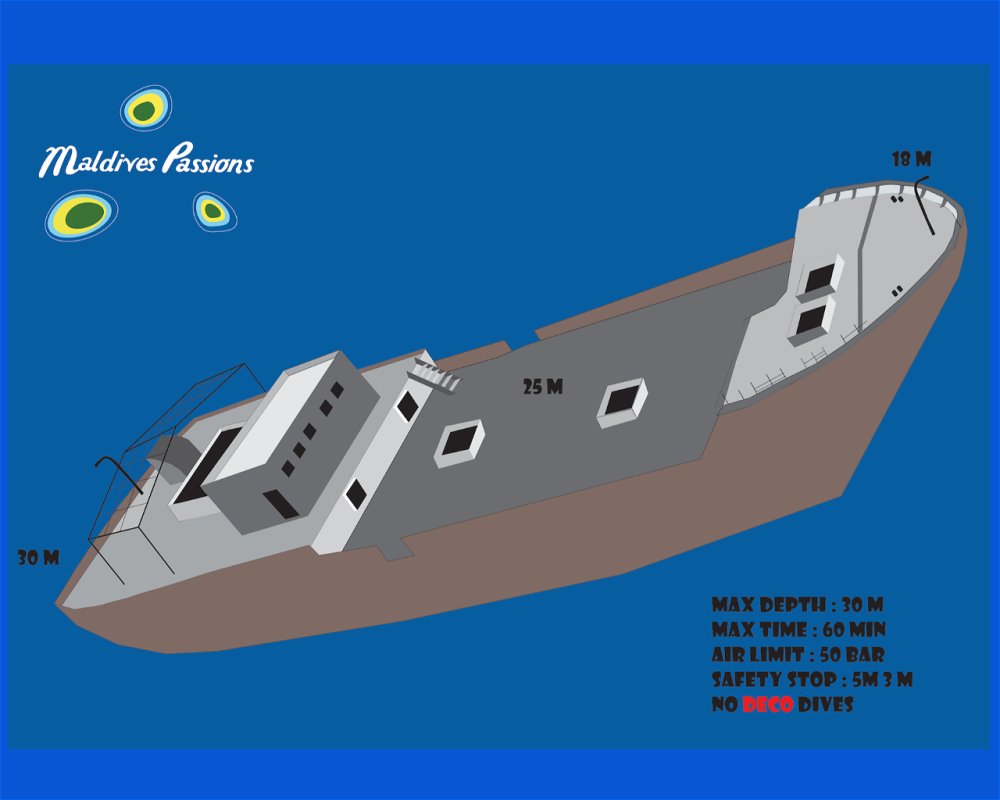
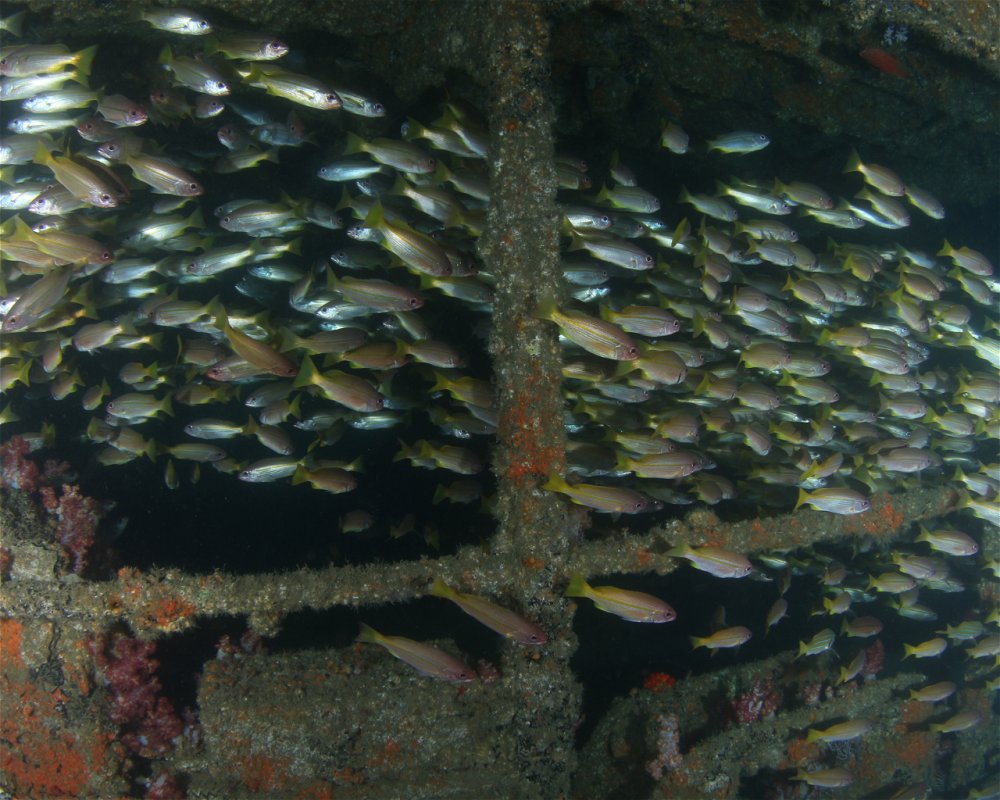
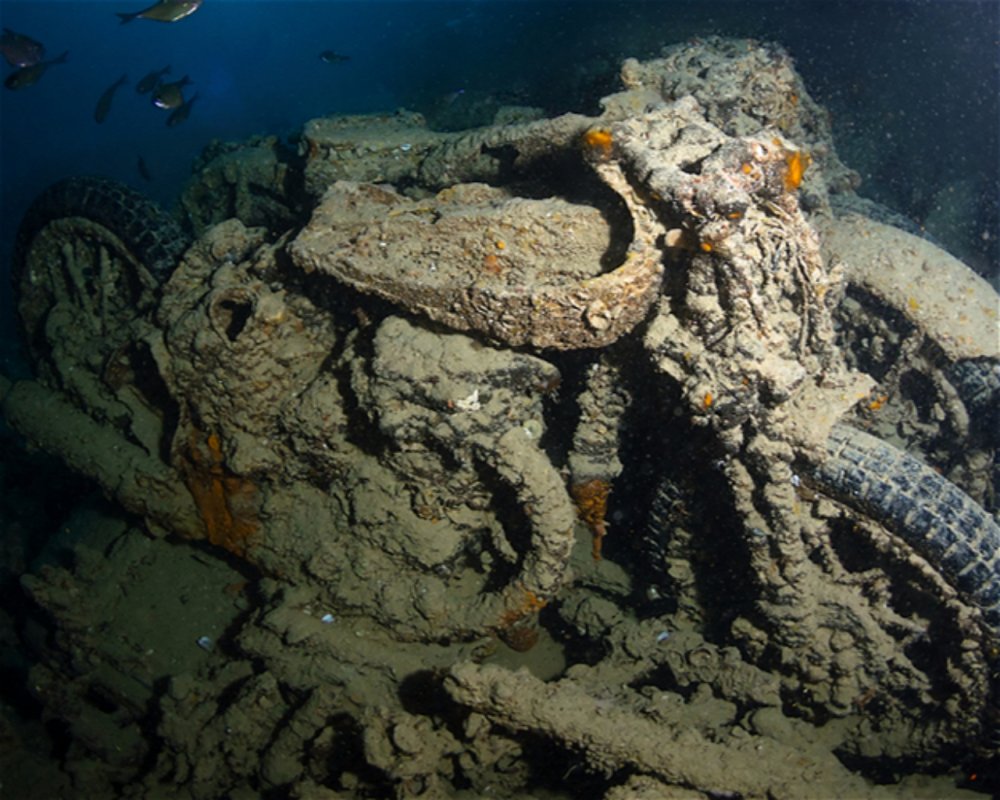
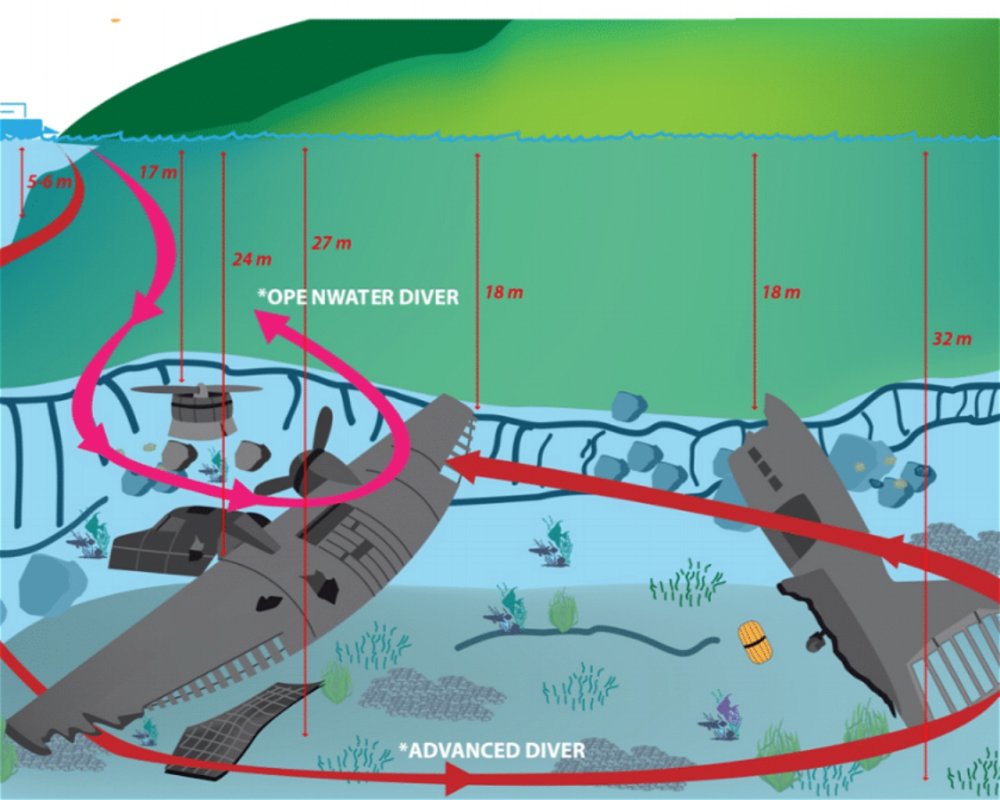
An easy dive site which is ideal for open water dives 3 and 4 OWD, but also offers nice macro stuff. You can find them at the mini wreck or the cargo that lies around the hull on the ground (16-19m). A little further out west (20m) we find a small thila.
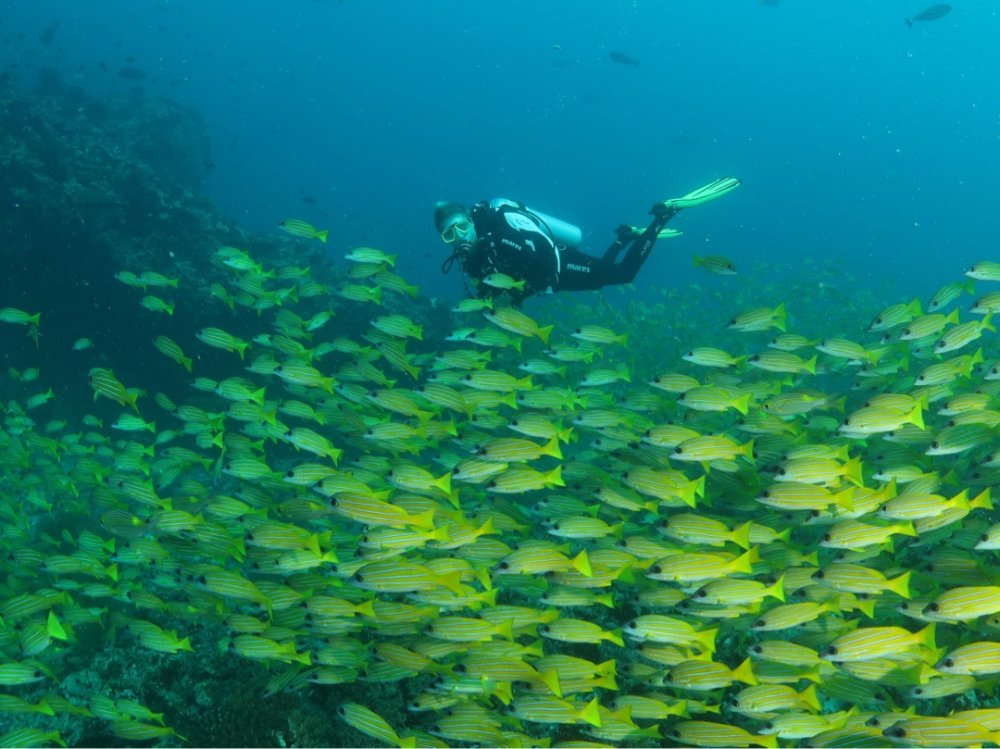
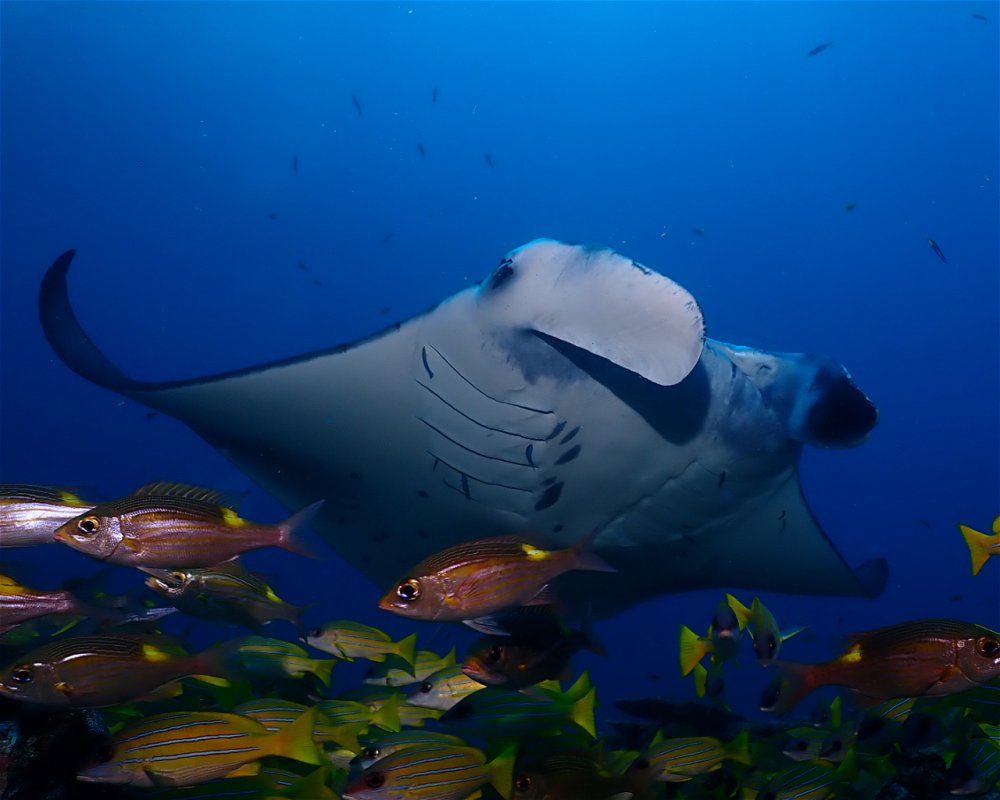
Gentle slope reef with a lot of yellow tail Snappers, resident Green Turtles and Hawksbill turtles. Reef has strong current but a diver can hide behind huge coral bommies and hang out with fish at 5m
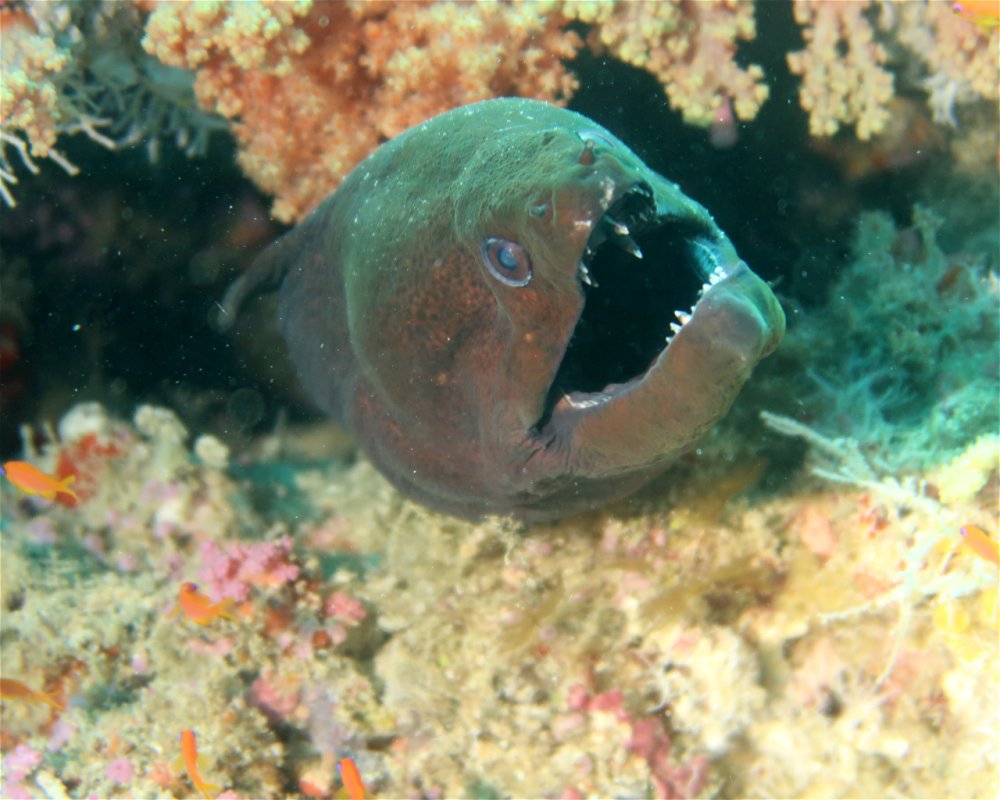
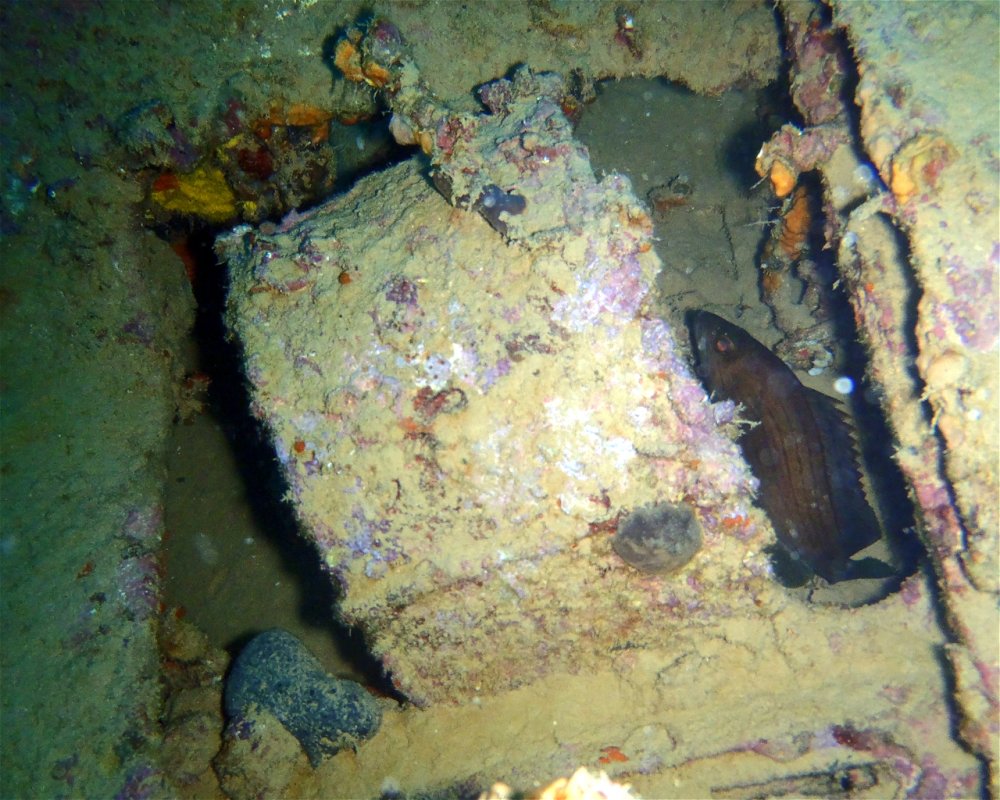
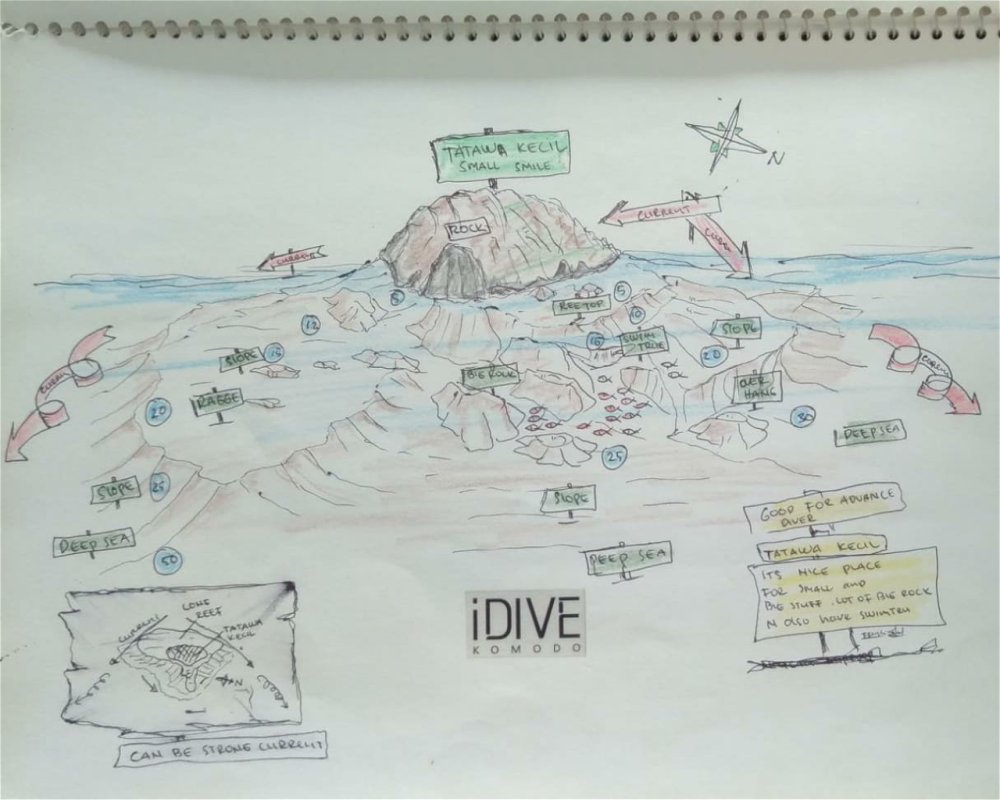
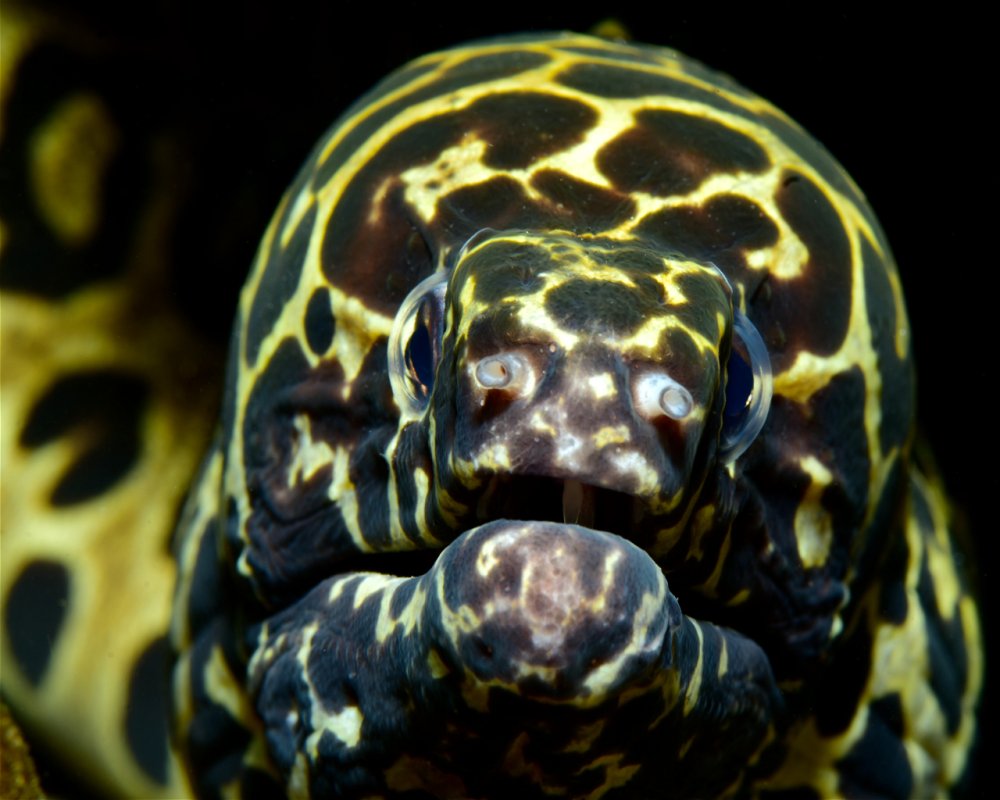
A small reef with many different types of colorful coral. The reef roof is at a height of 6m and has a diameter of approx. 20m, at a depth of 25m it should be approx. 50m. On the west side an overhang with soft corals, further deeper a gap with giant moray eels and cleaner shrimp.