Embark on an underwater journey to discover the world’s most spectacular diving destinations, pristine dive sites, and fascinating marine wildlife. From tropical reefs to historic wrecks, find your next diving adventure.
Connect with certified dive centers and professional instructors worldwide. Whether you’re a beginner or experienced diver, find the perfect location to learn, explore, and enhance your diving skills.
Experience the ultimate diving adventure aboard world-class liveaboards. Explore remote dive sites, enjoy multiple dives per day, and wake up in paradise at some of the planet’s most incredible underwater destinations.
For liveaboard trips, we partner with LiveAboard.com to offer the widest selection of dive safaris worldwide.
Liveaboard diving holidays pack more diving in the same trip and allow divers to explore far-flung dive areas and see more marine life in the most beautiful dive destinations of the world.
Whether its wildlife tours, cultural visits and scenic hikes you are after or idyllic shores, swim stops and wonderful meals on board, an adventure cruise offers an amazing experience you won’t easily forget.
Diving in Africa you can explore the wonders of the Red Sea or discover hidden gems like St. Helena Island.
Some of the world’s most paradisiac diving destinations in Asia can be found in Indonesia, Maldives, Malaysia, the Philippines, and Thailand.
Das Great Barrier Reef, das größte Korallenriff der Welt, ist der Inbegriff des Tauchens in Australien.
Diving in Occitanie – Discover the best scuba diving in France!
North America offers a wide variety of adventures for every type of diver such as ice diving in Alaska or cenote diving in Mexico.
Some of the top diving destinations in Oceania include Micronesia, Fiji, Polynesia, Palau, Guam or the Marshall Islands.
In South America, you will find plenty of dive sites to choose from, including Ilhabela, Abrolhos Archipelago, and Easter Island.
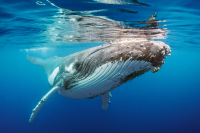
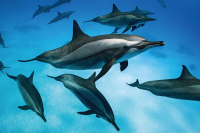
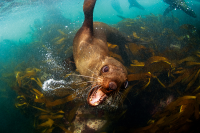
Kings of the Oceans
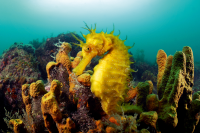
The Best Dads in the Sea
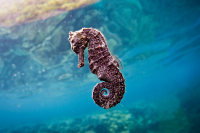
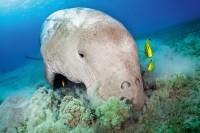
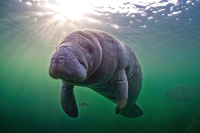
Gentle Movers of the Sea
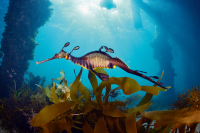
Making the Oceans a Rainbow of Color
Dominators of the World’s Lakes and Rivers
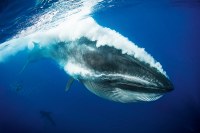
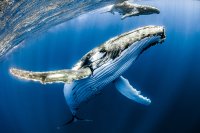
The Most Majestic and Ancient Ocean Swimmer
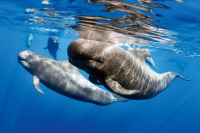
Diverse Ocean Dominators
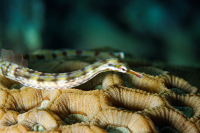
Critters of the Sea
Mesmerizing Movers
Record Holder of the Seas
“Humans” of the Underwater World
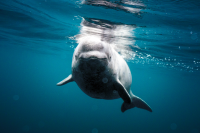
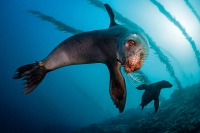
Curious, Playful, and Cute
Courses & Events
Divesites
Centers
South Miniloc is about 10 minutes by speeedboat from El Nido, 20 minutes by bangka from El Nido. Gentle slope going down to 21 meters but with the best corals at between 14-16 meters.
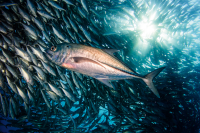
This is a challenging dive and not for the faint hearted. This jetty is a photographers dream with thousands of fish found under the jetty, such as schooling jacks hunting on the smaller silversides. It is not an easy dive due to the strong currents you can experience here.
Lean or hook on the nice and flat sandy area at 16 m from where you can enjoy the show of the mantas getting cleaned. This is an easy manta dive site for beginners. While waiting for the manta to come, look for macro in the sandy area, you might even see a flamboyant cuttlefish!
Starting this relaxing dive should be done on the current side of the island, leaving a good distance between the entry point and the best point of dive site on the south-eastern side
From 4 down to 25 meters along the sloping sandy bottom just in front of the Summer Island jetty we have built and amazing coral nursery. Here the corals are grown on the ropes and replanted on the stable concrete and steel formations.
The dive site is on the south east of the Catalina Islands. It’s generally a shallow dive site except at the end it’s possible to dive down to around 25 meters but it’s generally nicer to stay shallow.
Easy dive. It can be done on the wall at a shallow depth (6-8 meters) and it can also be done over the Posidonia meadow that is between 12 and 18 meters deep. Juvenile wrasse, cuttlefish, octopus, and nudibranch tend to take refuge in it.
Fire Coral Cave is a long narrow swim through located toward the southern end of the Molasses Reef Sanctuary Protected Area. It varies in depth from 15ft to 30ft.
Diving in the warm waters of the Sea of Cortez, just outside of La Paz, Mexico is like swimming in an aquarium. Be ready for spectacular backdrops including swim-throughs, caves, caverns, deep pinnacles, and shallow, colorful reefs.
Diving site where we find depths between 5 and 36 meters. Coral beds, oceanic posidonia between 8 and 15 meters and sandy areas from 22 meters, diving is done on the south side of Ferranelles island where we usually find the greatest diversity in the area.
The Bahadur Resort House Reef is a great dive site for entry-level and intermediate level divers. The site is full of colorful coral and busy fish life.
Pink Beach / Pantai Merah, located in the central area of Komodo National Park. The bottom contour is sloped and composed of a mix of coral reef, rubble, and vegetation. The dive site is suitable for all levels of divers. Types of coral reefs are patchy and submerged. Maximum depth is 30 m.
This site is the most popular dive site on Madeira Island, located around 100 meters offshore. The sea bed consists of a sandy bottom where huge rock formations lie creating the perfect environment for the famous Dusky grouper. Can be done by boat or from the shore by car.
Considered a “muck diving“ site, Hans Reef sits just off the east coast of Gili Air and provides great opportunitities for macro photographers or those wanting to see some of the smaller, stranger creatures found here.
Hanauma Bay is the most popular nature preserve in Oahu and a great place not only to stay the day at the beach but for snorkelers, beginning divers, and experienced divers alike. This bay is teeming with life and no boats are allowed so the waters are calm and protected.
Rasdhoo Beyru is an interesting site with the wall of the island of Rasdhoo on one side and massive coral blocks (or thilas) mounted on the outside steep drop-off of the atoll. These two features create a corridor of sand between the inner reef and outer thilas. In some places, the corridor is only 20 meters wide.
A perfect coral reef for beginners, students of underwater photography and great place for the second shallower dive after a deep one. It has a sculpture, the “Virgen del Carmen“ of a conch shell, more than 2m high underwater to take a keepsake photo of the memory of diving in Playa Del Carmen.
One of the few wreck sites in Polynesia. You will explore the wreckage of the Catalina PBY-5A, given by the US Navy to the RAI (Régie Aérienne Inter-insulaire, the ancestor of Air Tahiti) and flown in the Polynesian air in the 1950s.
This is the only historical shipwreck in Bali, ranked #3 in the world for Wreck diving! The wreck is 25 meters form shore at a depth of 4 to 29 meters below the surface with most of it occuring in a shallow area. This dive site does not have strong currents, has clear water, and warm temperatures. Difficult entry!
30 to 45 minutes southwest of Koh Tao, these large pinnacles range from 30 to 5 m. Sandy ocean floor with big rocks on the south side. many cracks on the pinnacles where small wildlife can be found. The shallower parts of the pinnacles are covered in magnificent anemones.
Locally, Mendhu Ingili means “middle finger.“ This dive site is a hidden treasure with a beautiful reef away from the busy and famous Guraidhoo corner. Diversity is rich here due to the flow of nutritious ocean currents.
Vaggiri is a great dive site for every diver, especially those who love to see small life and have longer dives. There are overhangs, small caves and swim throughs. The formation of this giri is very unique and a perfect place to try out deep dives for the first time.
Bay 1 is located on the east side of Racha Yai Island. There are three wrecks to be explored at this dive site. Depths are between 5-25 meters and the white sandy beach is calm.
Venice Beach, off the west coast of Florida, is a graveyard of prehistoric remnants of ancient predators, specifically sharks. This area is famous for its black shark teeth fossils and, if you’re lucky, large megalodon tooth fossils. You’ll see beaches full of folks “panning“ for fossils here every weekend.
The Nursery gets its name from the group of resident nurse sharks that live here. It is an easy boat dive and can turn into a drift dive at times due to the current.
This is one of the most famous dive sites in Key West. Sunk over 10 years ago this Ex-Military Missile Tracking Ship varies in depth from 70 feet to 100 plus feet and is for advanced and expert divers only.
Banana Patch is on the southern end of the Grecian Rocks area. The reef gets its name from a long sloping ledge that bends around like a banana as it heads out to sea. The top of the ledge is about 10 feet, and it runs off into about 40 feet. There are healthy hard and soft corals, and the colors are very bright.
Horseshoe is one of the four awesome sections that make up the famous Palancar Reef in Cozumel, Mexico. This section of the reef is a horseshoe-shaped notch in the wall of Palancar full of beautiful and large coral heads and giant barrel sponges.
The Duane is a retired Naval ship that was sunk November 26, 1987 as an artificial reef approximately one mile south of Molasses Reef in Key Largo. This is an advanced to expert dive only!
Pompano Beach is extremely popular because of the close proximity of world-class wreck and reef dives. There are some shore dives but most are drift dives off a boat so all you need to do is jump in and get picked up later.
If you only have time for one dive trip in the BVI, it's the RMS Rhone. Numerous artifacts that were deposited on October 29, 1867 are still visible today. You can also see where the 1977 classic movie "The Deep" was filmed and swim through the bow section.
Another great dive site in the Varadero region of Cuba, just east of Havana. Lots of healthy coral growth. No current and easily accessable from shore this is a great dive for beginners and snorkelers.
The Bay of Pigs is full of easily accessible dive and snorkel sites. Centoe diving can be found just inland from the bay area. Tropical fish, coral, some wrecks, and cenotes (sinkholes) with haloclines between the top freshwater layer and the saltwater below can be seen.
Cistern Point gets its name from the large cistern-like holes in the reef. This site makes for a great second dive on morning dive trips. This site offers lots of light and some interesting perspectives for underwater photographers.
Located on the eastern part of Pramuka Island, this site has one of the best shipwrecks in the area. The Tabularasa shipwreck beautifully sits at a depth of 20 to 33 meters. The visibility can some times be tricky. The reef slope at the shallower water is also nice to visit.
The reef is quite nice and easy to navigate. The lighthouse is commonly used as the entry point. To get to the wreck, the diver should take a short course off from the reef, following the sandy bottom area, perpendicular to the reef. The wreck is located at around 30 m deep.
Wreck 130 meters long and about 30m wide. Maximum depth of 22m at the bow and 18m at the stern, with a minimum depth of 12m in the shallowest part of the wreck. Areas partially destroyed and no penetration inside.
This 11-meter-deep wreck is perfect for beginners and advanced divers to enjoy a relaxing dive. The 60-year-old wreck was a 30-meter-long boat traveling between islands that smashed into the shallowest rocky part near the shore.
A great site for beginning divers and snorkelers as this reef is shallow, clear, and has little to no current. One of the most beautiful dives in Playa del Carmen, Jardines reef offers many small caves and shelters for schools of fish to hide. Lots of reef life here to see.
This wall dive has 3 caves of different sizes, 2 of them are larger, allowing 8-10 meters penetration and a small cave that only one person can go into in turnaround.
Mermaid’s Lair sits just off Ambergris Caye and is a great dive and snorkel site with the reef being fairly shallow with no current. This site is accessible by boat only and has great visibility.
A sloping reef from 15’ down to 110’ good for both snorkeling and scuba diving and a great night dive location. Lots of coral combinations and plenty of marine life. An easy shore dive entry.
Galu is a shallow to mid-depth reef, ranging from 10 to 25 meters, making it ideal for both beginners and advanced divers. The site features beautiful coral bommies, sandy patches, and gentle slopes, creating a diverse underwater environment. The mild currents make for a relaxed dive.
The arches of Sakatia: Rock placed on a bottom of 23-24 meters, the top of the rock is at 19-20 meters. This rock has 3 entrances, 3 small arches, after this arch there is a smaller one 30 meters further on, and after a walk on a plateau at 15 meters depth.
6 Miles south of Key West is Marker 32 reef. This site is located adjacent to Western Sambos reef. This reef has two mooring balls on it. Very easy dive site with spur-and-groove style coral formations.
15 minutes south of Key West is the Western Sambo Reef. This reef is one of two Florida Keys National Marine Sanctuary Ecological Reserves. It is fully protected from all types of fishing. Depth runs from 7-40 feet.
Large, shallow bay with a seagrass meadow. You have the option of diving along the reef, walking through the seagrass meadow, or even both.Easy entry from the beach.Beautiful coral blocks and lettuce corals.
Lhosfushi corner can be dived with strong or medium flowing inward or outward of the atoll, or with no current at all. It’s therefore a suitable dive site for all level, with both good hard & soft corals, and a very dense fish life.
A beautiful site full of abundant marine life and extraordinarily beautiful corals. Diving here ranges from vertical walls to coral canyons, tunnels, and caves, and even the remains of Spanish galleons.
Nice and easy shore dive in St. Michiels Bay with large sponges in the deeper parts of the reef around 30 m / 100 ft. The large buoy in the bay is attached to a massive anchor chain which is a perfect reference point for your way back.