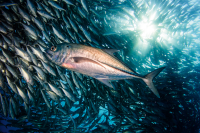
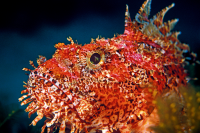
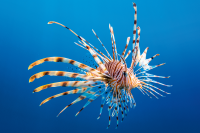
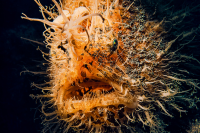
Embark on an underwater journey to discover the world’s most spectacular diving destinations, pristine dive sites, and fascinating marine wildlife. From tropical reefs to historic wrecks, find your next diving adventure.
Connect with certified dive centers and professional instructors worldwide. Whether you’re a beginner or experienced diver, find the perfect location to learn, explore, and enhance your diving skills.
Experience the ultimate diving adventure aboard world-class liveaboards. Explore remote dive sites, enjoy multiple dives per day, and wake up in paradise at some of the planet’s most incredible underwater destinations.
For liveaboard trips, we partner with LiveAboard.com to offer the widest selection of dive safaris worldwide.
Liveaboard diving holidays pack more diving in the same trip and allow divers to explore far-flung dive areas and see more marine life in the most beautiful dive destinations of the world.
Whether its wildlife tours, cultural visits and scenic hikes you are after or idyllic shores, swim stops and wonderful meals on board, an adventure cruise offers an amazing experience you won’t easily forget.
Diving in Africa you can explore the wonders of the Red Sea or discover hidden gems like St. Helena Island.
Some of the world’s most paradisiac diving destinations in Asia can be found in Indonesia, Maldives, Malaysia, the Philippines, and Thailand.
Das Great Barrier Reef, das größte Korallenriff der Welt, ist der Inbegriff des Tauchens in Australien.
Diving in Occitanie – Discover the best scuba diving in France!
North America offers a wide variety of adventures for every type of diver such as ice diving in Alaska or cenote diving in Mexico.
Some of the top diving destinations in Oceania include Micronesia, Fiji, Polynesia, Palau, Guam or the Marshall Islands.
In South America, you will find plenty of dive sites to choose from, including Ilhabela, Abrolhos Archipelago, and Easter Island.
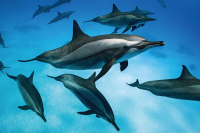
Kings of the Oceans
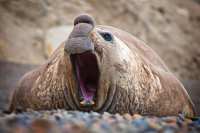
The Best Dads in the Sea
Gentle Movers of the Sea
Making the Oceans a Rainbow of Color
Dominators of the World’s Lakes and Rivers
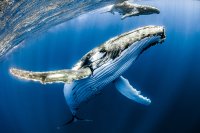
The Most Majestic and Ancient Ocean Swimmer
Diverse Ocean Dominators
Critters of the Sea
Mesmerizing Movers
Record Holder of the Seas
“Humans” of the Underwater World
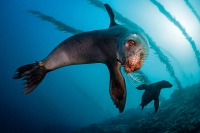
Curious, Playful, and Cute
Courses & Events
Divesites
Centers
An easily accessible shore dive location with areas of shade and parking not far from the entry point. This is a large dive site so it never feels crowded here.
Just down the beach from its sister site, the Andrea II, the Andrea I is most well known for its beautiful coral formations from the plate coral that call this reef home. Easily accessible from shore, this is a shallow reef dive and great for snorkeling and beginning divers.
This spot starts with a shallow reef, nice for beginning divers or snorkeling. For the more experienced divers, at about 37 meters the 2nd reef starts.
Punt square is the beginning of the south coast of Bonaire. At this spot also starts the beautiful double reef. Dive over the first reef, to a depth of 25 meters to the next.
Named for the old slave huts located here. Easiest entry is from near the second hut. Cross a long sand bank to reach the coral area. Look for eagle rays in the shallows.
The reef is located on Klein Bonaire, so visit it by boat. It is named after Ebo Domacassé, (one of) the first certified diving instructor of Bonaire.
Joanne’s Sunchi (or Joanne’s Kiss) is a beautiful dive site with a deep dropoff. Along this dropoff where a lot of coral grows, there are sand ridges that extend to depth.
Accessible only by boat (dingy from Fuikbaais or local dive shop’s boat). Drop by the navaid and check out the discharge pipe. Head against the current if present. Normal wall dive.
Klein Curaçao is 11 km/7 miles to the east of Curaçao which means a long boat ride and diving is often done during a day trip or in combination with a dive at East Point. Diving is possible all around the island but usually restricted to the north-east and south-west parts due to weather conditions.
The best dive site on the west side of Curaçao, only accessible by boat. At both sides of the gorgeous hard coral reef are two sandy patches filled with large soft corals. The massive hard coral reef starts at 5m / 15ft and gently drops to 20 m/70 ft where it becomes a sandy bottom.
Nice house reef with a north and south side. Easy access from the beach. No boat traffic! No current and diveable in any weather. Night and early morning dives are possible daily!
The area of Varadero, on the northern coast of Cuba just east of Havana, boasts great reef diving, wall, wrecks, night, cave, and deep dives. There are also spectacular snorkel spots as well.
Located in the middle of the coral triangle at Bunaken National Park, this dive site is a wall dive thriving with marine life like beautiful corals, sponges, and more! Perfect for freediving, scuba diving, and snorkeling as well.
A fantastic dive site that can be accessed by daily boats or as a shore dive. Shallow with a sloping bottom toward a north or south running reef. The south reef can be reached by Zodiac or from the shore.
Narrow entrance with a sandy bottom. Nice coral. A good dive site to make drift dives from the zodiac on the North Anemone City. Good for experienced and beginner divers.
Located East of Praslin island, approximately 15-20 mins boat ride from the dive centre, time may vary depending on the weather conditions. The dive consists of submerged granitic rocks to which there are sponges and corals gripped onto them . Average depth 15-22 metres.
Dive amongst these rocky islands between Praslin and La Digue with depths of 5 to 25 meters. There is much life in these canyons. A beautiful dive. You may need more than one dive to get to see everything this site offers.
Le Rocher : The mythical dive in Martinique !!! Double dive to enjoy the enchanting setting of the rock! The dive is done at the foot of the rock, the water is clear and blue, the walls are covered with all the colors of the rainbow !!!
A very unique dive, Airplanes is accessible by either boat or shore and boasts not one, but two decommissioned airplanes sunk as artificial reefs. The Convair 240 is a 40 seater aircraft 74 ft long sitting in 80 feet of water (it moved deeper than it originally was after a hurricane).
The Canyon is located 1.5km from the Blue Hole. Another geographical marvel, it is a deep fissure in the reef that you reach after entering a shallow lagoon and swimming along a coral garden plateau.
The Oriskany is sitting upright on the seafloor in a north-south orientation with the bow facing due south.The uppermost structure of the Oriskany is located at: Latitude 30 degrees 2 minutes 33.3 seconds north (Lat 30° 2.555’ N) Longitude 87 degrees 0 minutes 23.8 seconds west. (Lon 87° 0.397’W).
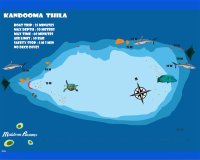
This “Thila” is in the middle of the kandooma kandu. From 2000 to 2009 this dive site was ranked world 10th place of shark diving. The top of the reef is full of hard corals. The sides of the “Thila” are covered with soft corals. The currents are strong here and highly recommend for Advanced and Nitrox divers.
Done as a boat drift dive or from shore, this dive site offers lots of color and marine life as well as great topography. From the shore, follow the reef on your left for a deep wall dive, but watch for the current at the corner. Follow the reef to your right, you’ll have the bottom beneath you at around 32m.
The reef wall drops away to a sandy plateau at about 13m, at the center is a gully with swim throughs at 10m and 35m. There is an eel garden to the north.
This dive site is suitable for all diving levels as well as snorkelers. Here you can either do a mooring or a drift dive. This site contains a sandy plateau and drop-off covered with many pinnacles and coral blocks.
In front of Salang, in the deepest part of Soyak Island, are two wooden wrecks covered with soft and hard coral. You must have a deep diver certification.
Ras il Hobz or the “Middlefinger“ is one of most interesting dives in the south. It is a huge pinnacle going from 9 up to 40+ m. You can dive the pinnacle either from a wall or starting from a shallow bay. The dive site offers breathtaking views but one needs a good buoyancy skills to dive in the blue.
As you enter this site you will find a steep slope of rocks reaching a maximum depth of 30 meters. This site is full of burrows and holes, ideal habitat for countless species of marine animals. A dive that never disappoints.
Gordon reef is most famous for the wreck of the “Loullia” which ran aground on the northern end of the reef in 1981. This dive can be done as either a drift or a mooring dive, mooring on the southern side of the reef.
This site was named as a tribute to an underwater camera-man, Bob Johnson, who worked in the area for many years. It is sheltered from the waves and wind and usually has weak currents.
This is a deep wreck off Bimini, in the Bahamas, on the edge of a drop-off. It attracts many pelagics and schools of permit and African Pompano. Prone to current and depths start at 76’ (23m) so advanced certification is recommended.
Davis Reef is one of the nicest reefs in this area. It’s known for an abundance of large green moray eels and a multitude of tropical fish. A great spot for night dives, new divers, and snorkelers. Also of special interest is the Buddha statue that was placed here years ago.
Dive Place that is characterized by its excellent visibility and variety of marine flora and fauna such as green moray eels, turtles, barracudas, among others. Maximum Depth: 26 meters.
Three Sisters, located off Grand Cayman’s East End, features three towering coral pinnacles named Agatha, Bertha, and Cleo. An open-topped canyon near the mooring pin provides a direct navigation path to the first formation, with the third pinnacle notably leaning at a depth of 70 feet.
Located on the edge of the big wall are massive coral heads and a sloping sandy bottom with a few canyon ways to swim through at the bottom of the mooring line.
Molasses Reef is one of the most popular dive areas in the Florida Keys. There are 30-33 specific dive sites located on Molasses Reef alone. The reef is shallow and very clear with lots of life, making it a great area for divers of all levels and snorkelers as well.
The visibility of its crystal clear waters, the richness of its biodiversity and its diversified relief make the Cape of the Whale one of the most beautiful sites of the South Caribbean. A nice drop off slides down to 25m. Cape of the Whale is favourable for drifting, starting in particular from Three Airs Cove.
On the slopes of Cape Solomon, this site is composed of three coral reef. The first garden is a firework display of vibrant colours. Because of their richness and diversity, the Salomon gardens are a must-see in Anses d’Arlet.
Hepp’s Pipeline features a fantastic sand patch and a beautiful mini-wall, stretching from 60ft up to 30ft. The pipeline itself is a remnant of an old waste disposal system that is no longer is service on Grand Cayman. The site is wonderful for finding juvenile fish and looking for macro life.
Fun drift dive from the boat, Woodhouse is the longest of the 4 main reefs in the Straits of Tiran. Currents can be strong. There is a split in the middle of the reef and care needs to be taken towards the end of the reef where a washing machine effect can sometimes be present. The reef is fabulously colorful!
Normally dived from the boat, Temple gets its name from the topography of the site which loosely resembles an underwater temple. This ’temple’ is easily dived, starting from the shallows of around 6m, until you make your way through a tiny swim through out in to the blue at which point you’re able to reach 30m+.
Shark’s Bay is one of the most common dive sites in SSH. The bay formation and it’s easy access attract snorkelers and divers of all levels. The gentle sloping bottom makes it perfect for conducting courses. A dive to the north or to the south reef can be done; both are great dives.
Naama Bay is a sheltered Bay where you can find coral blocks in different sizes. Between these blocks are sea grass areas and sandy bottom. And in some areas are artificial reefs and as well a sunken zodiac.
There is a garden of anemones and about 60 statues on the far right side of the dive site. This is a nice second dive in the morning to get away from the crowds at Liberty Wreck. Entry and exit from the beach can be difficult.
With a depth of 5-40m this site has something for everyone. It is also very nice for snorkelers. Navigation to the boat can sometimes be a bit difficult because it is located in the middle of the coral garden.
This dive site is a flat area with soft coral at a depth of 5 meters, followed by a wall that reaches approximately 35 meters. This site is covered by large sea fans and several other types of coral.
The south side of the house reef can be easily accessed via the jetty. The path to the large coral garden can be reached by diving along a reef wall.
Apollo is a very healthy reef close to the beach towards the South of Una Una, starting at 22 metres and continuing beyond 40 metres. It is the perfect dive spot to view a Barracuda tornado, which although not guarenteed, is seen all year round in Una Una.
A large pinnacle starting at 5 metres and extending beyond 60, which sits 5 minues from Sanctum Una Una Dive Resort. A safe spot for beginner divers to practice to 12 metres as well as a good drop off point for more experienced divers to explore nearby deeper pinnacles, such as Satellite.
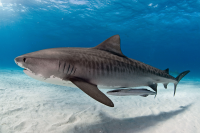
Also known as Tiger Point or Tiger Harbor or Tiger Zone is the entrance of the harbor with a shallow platue around 5-8m deep. one of the best dive site in the world to encounter more than 10-20 tiger sharks at once.