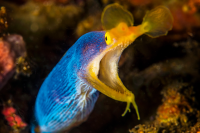
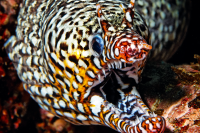
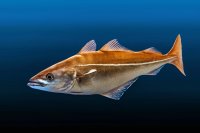
Explore dive destinations around the world. Whether you are planning a relaxed dive holiday or an adventurous dive trip, here you find the perfect location shaped by the ocean.
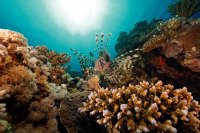
Discover marine wildlife and iconic dive sites worldwide. Whether you are drawn to coral reefs, wrecks, or big marine life, explore where divers dive and what lives beneath the surface.
Connect with certified dive centers and professional instructors worldwide. Whether you’re a beginner or experienced diver, find the perfect location to learn, explore, and enhance your diving skills.
Experience the ultimate diving adventure aboard world-class liveaboards. Explore remote dive sites, enjoy multiple dives per day, and wake up in paradise at some of the planet’s most incredible underwater destinations.
For liveaboard trips, we partner with LiveAboard.com to offer the widest selection of dive safaris worldwide.
Liveaboard diving holidays pack more diving in the same trip and allow divers to explore far-flung dive areas and see more marine life in the most beautiful dive destinations of the world.
Whether its wildlife tours, cultural visits and scenic hikes you are after or idyllic shores, swim stops and wonderful meals on board, an adventure cruise offers an amazing experience you won’t easily forget.
Expect to see historic shipwrecks, abundant marine life and secretive underwater cities. The underworld of Turkey is so diverse and has so much to offer - from great boat diving to beautiful reef walls, drop-offs, caverns and deep canyons. Regions for amazing diving in Turkey include Gallipoli, Bodrum, Fethiye, Kas and Antalya. Go on an underwater adventure in the crystal clear waters of Mediterranean and Aegan Sea!
Diving in Africa you can explore the wonders of the Red Sea or discover hidden gems like St. Helena Island.
Some of the world’s most paradisiac diving destinations in Asia can be found in Indonesia, Maldives, Malaysia, the Philippines, and Thailand.
Das Great Barrier Reef, das größte Korallenriff der Welt, ist der Inbegriff des Tauchens in Australien.
Diving in Occitanie – Discover the best scuba diving in France!
North America offers a wide variety of adventures for every type of diver such as ice diving in Alaska or cenote diving in Mexico.
Some of the top diving destinations in Oceania include Micronesia, Fiji, Polynesia, Palau, Guam or the Marshall Islands.
In South America, you will find plenty of dive sites to choose from, including Ilhabela, Abrolhos Archipelago, and Easter Island.
Explore scuba diving in the Atlantic Ocean – from temperate reefs to pelagic encounters. Discover top dive sites, conditions and marine life.
Discover scuba diving in the Baltic Sea, famous for historic wrecks and cold-water conditions. Learn where to dive and what to expect.
Experience world-class scuba diving in the Caribbean with vibrant reefs, walls and warm water. Explore the best dive destinations and conditions.
Explore scuba diving in the Indian Ocean, home to tropical reefs, sharks and clear waters. Discover top dive destinations and seasons.
Discover scuba diving in the Mediterranean Sea, from historic wrecks to caves and clear coastal waters. Find the best dive sites and seasons.
Explore scuba diving in the Pacific Ocean, known for vast reefs and big marine life. Discover top dive regions and underwater experiences.
Experience scuba diving in the Red Sea, famous for vibrant coral reefs and crystal-clear water. Discover the best dive sites and conditions.
Discover dive sites around the world where activity is at its peak right now. Whether you are searching for exceptional wildlife encounters or the right dive season, here you find where the action is happening beneath the surface.
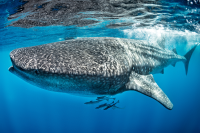
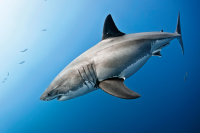
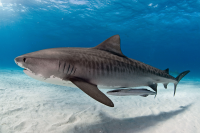
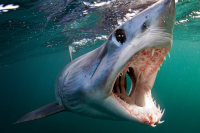
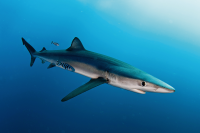
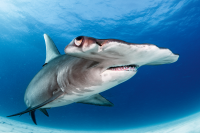
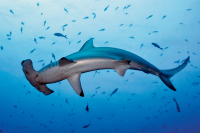
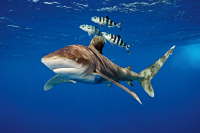
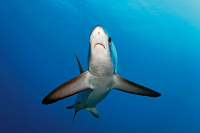
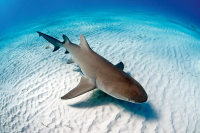
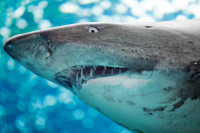
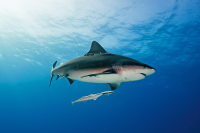
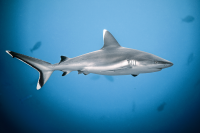
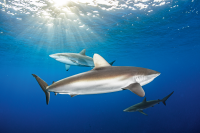
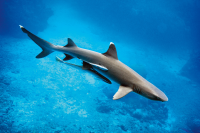
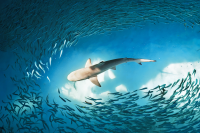
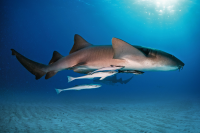
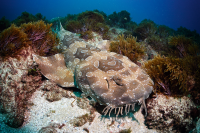
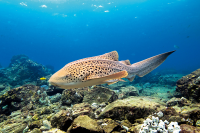
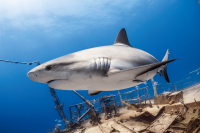
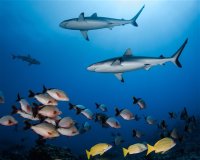
Shark Awareness Day is upon us! To honor these powerful, majestic creatures, here are the world’s best dive spots for amazing shark encounters. Humans have always been fascinated by these large predators. Seeing a shark underwater can be a heart-pounding, thrilling, and unforgettable experience. Get your underwater camera ready and come explore some of the best places on the planet to encounter sharks!
The Architects of the Reef
Critters of the Sea
“Humans” of the Underwater World
Living Stars of the Sea
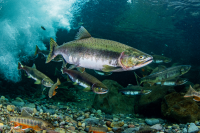
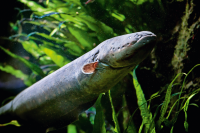
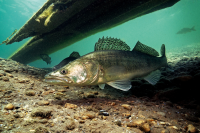
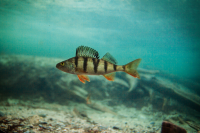
Dominators of the World’s Lakes and Rivers
Mesmerizing Movers
Diverse Ocean Dominators
Curious, Playful, and Cute
Gentle Movers of the Sea
Making the Oceans a Rainbow of Color
The Best Dads in the Sea
Kings of the Oceans
The Most Majestic and Ancient Ocean Swimmer
Record Holder of the Seas
Courses & Events
Dive Sites & Wildlife
Dive Center
A great dive from 10 to 37 meters deep with lots of fish and pelagics passing by. Hang out on the plateau at 15 meters and you can possibly see sharks.
Off the coast of Ka’anapali, Airport Beach is located right next to the Westin Resort Villas and is great intro and beginner shore diving. An easy 2-minute walk from the parking lot makes getting to this site a breeze. The actual dive is along a gently sloping sandy bottom going from 8 to 25 feet deep.
Built in Holland in 1962, the Eagle is 269 feet in length. The freighter was intentionally sunk in December of 1985 and can be found at 70-110 feet. Hurricane Georges split her hull in two in 1998.
Sand Key is a Sanctuary Preservation area that was originally its own island. Due to erosion and hurricanes, it’s been reduced to a very small patch of sand surrounded by a coral reef. The sand is an especially nice feature you don’t usually have at other Florida coral reefs. Great dive and snorkel spot.
The crevices within the reef at Rock Key are deeper and wider than what is usually found at other coral reefs. These wider openings create the perfect hiding habitat for grouper, moray eel, and other Florida fish.
The Eastern Dry Rocks reef is a popular spot for diving and/or snorkeling. It is also quite close to multiple other reefs including Sand Key and Rock Key, so it is common for divers and snorkelers to see multiple reefs on one outing.
A quick 2-minute boat ride from Scrub Island, this site is named as a result of a diver losing a diamond ring here about 10 years ago (never found). The reef itself is a small “wall” some 200 yards long. This site is ideal for all levels of divers and snorkelers, accessible in nearly all weather.
Coffins Patch Sanctuary Preservation Area (SPA) is located approximately four miles off Key Colony Beach and offers some of the best snorkeling and diving in the Middle Keys. Maximum depth is about 25-30 feet/ 7 -9m.
Probably the most requested and recognized dive site in the Florida Keys, the Christ of the Abyss is a 10 ft tall bronze statue of Jesus Christ sitting in about 25 feet of water, making this an excellent, easy dive for all levels including snorkelers.
At Pina Reef the dive-boat anchors either to the northeast of the island or on the wall. Between the island and the wall is a shallow sandy area with a multitude of small rocks that are home to a rich colony of pen shells and the sea turtles that eat them. The northwest end of the wall gets deeper as a rock-sand slope.
Ellaidhoo Thila is a submerged pinnacle north of the resort island Ellaidhoo, close to Ellaidhoo Channel. The top reef is about 8 meters deep and falls down to 30+ meters sandy bottom. Sometimes the current can make this dive difficult - just always remember to make a quick descent.
Located in the middle of the coral triangle at Bunaken National Park, this dive site is a wall dive thriving with marine life like beautiful corals, sponges, and more! Perfect for freediving, scuba diving, and snorkeling as well.
This site is located in Mantehage Island (North Of Sulawesi). This is a great wall dive with abundant marine life, beautiful coral, sponges, and more. Perfect for both freediving and scuba diving.
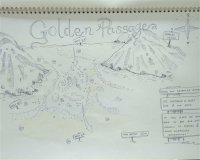
Golden Passage is located in the north area of Komodo National Park. It is a sloping site with a max depth of 25 meters. A suitable site for experienced divers as current conditions are generally strong.
Umm El Ros is one of the most well known dive sites in the port Ghalib area and only a 15 minute ride away from the marina. A natural bay formation keeps this site protected. A beautiful dive can be conducted from 1m depth through a sandy bottom to the northern reef or to the southern pinnacles.
Boynton Beach Reef sits just south of West Palm Beach on the east coast of Florida and is a great diving location for new divers. The Atlantic ocean here is full of healthy corals, Caribbean fish species, and clear water.
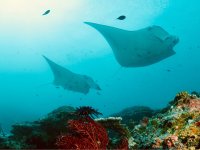
There is a coral block in 19 Meters of depth, still beautiful and untouched, with all kind of corals. and surrounded by sand. There are a lot of cleaner wrasses around, so the reef mantas come in to get cleaned. Divers can sit on the sand and watch the mantas coming in and out, without harming corals.
Considered by many divers to be the best wreck dive in the world, the SS President Coolidge was a luxury passenger liner converted to a troop carrier during WWII. While entering the Segond Channel she struck a friendly mine. The captain ran her aground with the intention of salvaging, however the ship sank quickly.
Want to know what happens if fishing boats are not respecting the Marine Park rules? More than twelve boats are laying there! This dive site usually has quite a low visibility, which creates a strange mood while you navigate between the wrecks.
This site is part of the Florida State Park system and has protected status. It’s also home to the Boy Scouts of America SeaBase camp program. With shallow, clear water, plenty of reef life, and easy access just offshore, this site is a great dive for beginners and also snorkelers.
The Wall is a good site for deep dives and is easily assessable from Havelock. A great site for fun dives and training courses. This site must be dived early in the morning due to passenger ferries.
A visit to Havelock island is not complete without at least one dive at Dixon’s Pinnacle. The pinnacles were discovered years ago by a local Andaman instructor called Dickson and since then the site has been the one of the most popular dive sites around Havelock.
Johnny’s Gorge is one of the most spectacular dive sites around Havelock. It is named after an Andaman local, a Karen, who discovered the dive site many years ago. It is a deep dive site well suited for advanced divers.
The house reef right off of the Mayan Princess Hotel on Ambergris Caye offers nice, shallow diving good for beginners and snorkelers alike. Not as pristine as the reefs Belize is famous for, but an easy dive that is easily accessible.
The pigeons are not here anymore but the shallow depths are teeming with life, rabbitfish, and breams galore. A white marble shark sculpture reminisces of recent underwater art exhibitions and gives a startle to first-time divers! This is an ideal, very calm site for snorkelers and those starting diving training.
San Clemente is a shallow barrier reef located 500 m (0.3 mi) from the shore at the Sunscape/Secrets resort. The dive site is only 30-40 ft deep in at spans a llenght of over 900 m (0.6 mi). With mild currents, this is a perfect dive site for the last dive of the day or a night dive.
Just off the end of the main island reef, this thila sits on the edge of the atoll just in the channel. As such, it gets good pelagics when the current runs like whitetip reef sharks, and occasional manta and hammerheads. Come up on the deep side to check out the frequent eagle rays found cruising this dive site.
Seraya Secret is a great macro dive site, paradise for photographers from all over the world by day and by night. Definitely a must see dive site for macro lovers!
The Benwood is a 360ft World War II wreck that sank April 9, 1942. She was carrying a cargo of phosphate rock and running blacked out to avoid German U-boats that were rumored to be in the area. The ship Robert C. Tuttle was also running blacked out and the two ships collided.
Begins on a sandy bottom with large bommies and rock formations at 4 meters. This area is ideal for spotting stingrays, snake eels, and occasionally needlefish at the surface. As you delve deeper, the landscape transforms into a mesmerizing combination of soft and hard coral, reaching a maximum depth of 22 meters.
Located approximately 25 minutes by boat from the town of Bayahibe. This destination is known for its impressive corals and more abundant marine life, since it receives fewer divers.
Divers can explore a wide variety of marine life and coral formations. During the summer, sea grass attracts green sea turtles for feeding, and all seven species of anemone fish found in Bacuit Bay can be spotted here.
South Miniloc is about 10 minutes by speeedboat from El Nido, 20 minutes by bangka from El Nido. Gentle slope going down to 21 meters but with the best corals at between 14-16 meters.
Fringing reef starting at 5 meters and descending to 16 meters, offering ideal conditions for both one-way and two-way dives. This site boasts a diverse range of hard and soft coral, interspersed with substantial rocks housing impressive lobsters in hidden crevices.
Boat dive- Distance from Wooli: Only 7 nautical miles away (approximately a 20-minute boat ride).Depth Range: Diving sites here vary from 10 to 42 meters. Diverse Reef Fish: North Solitary Island boasts the highest diversity of reef fish among all the islands.
This dive site is called by the local dive operators as “East Current“, “Soft Coral“ or “Secret Garden“, because it is located in the east side of the current channel of the water outlet, hence the name.
This miniwall is a bustling marine hub resembling an underwater city. A towering 8-10 foot Pillar Coral stands at 30 feet—an ancient, delicate structure. The miniwall sits at 30 feet with shallow hardpan at 25 feet. Divers explore the Pillar Coral area before returning to the pin.
This is a challenging dive and not for the faint hearted. This jetty is a photographers dream with thousands of fish found under the jetty, such as schooling jacks hunting on the smaller silversides. It is not an easy dive due to the strong currents you can experience here.
From 4 down to 25 meters along the sloping sandy bottom just in front of the Summer Island jetty we have built and amazing coral nursery. Here the corals are grown on the ropes and replanted on the stable concrete and steel formations.
The tower sits on a white sandy bottom at 22m, its walls providing refuge and shelter for a large population of fish and crustaceans. Life is richest at the top of the tower. Flying over the site is a thing of beauty.
Located at the south-west side of Talikud Island this site offers a little bit of everything. Drift diving is a favorite here, but there is also a Marine protected area nearby so there is normally a lot to see. Good training area for beginners as well.
Fire Coral Cave is a long narrow swim through located toward the southern end of the Molasses Reef Sanctuary Protected Area. It varies in depth from 15ft to 30ft.
Diving in the warm waters of the Sea of Cortez, just outside of La Paz, Mexico is like swimming in an aquarium. Be ready for spectacular backdrops including swim-throughs, caves, caverns, deep pinnacles, and shallow, colorful reefs.
One of the most beautiful dive of Tahiti for its fauna. Grey sharks, white tip, black tip, lemon and sometimes even the majestic tiger shark. The dive is particularly recommended for drift diving.
The Bahadur Resort House Reef is a great dive site for entry-level and intermediate level divers. The site is full of colorful coral and busy fish life.
Manta Alley is located at the southern area of Komodo National Park. The topography is sloped with a bottom composition of coral reef, vegetation, and rock. This dive site is suitable for all levels of divers. There is a high possibility of big wave conditions. Maximum depth is 40 meters.
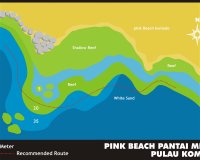
Pink Beach / Pantai Merah, located in the central area of Komodo National Park. The bottom contour is sloped and composed of a mix of coral reef, rubble, and vegetation. The dive site is suitable for all levels of divers. Types of coral reefs are patchy and submerged. Maximum depth is 30 m.
Considered a “muck diving“ site, Hans Reef sits just off the east coast of Gili Air and provides great opportunitities for macro photographers or those wanting to see some of the smaller, stranger creatures found here.
Hanauma Bay is the most popular nature preserve in Oahu and a great place not only to stay the day at the beach but for snorkelers, beginning divers, and experienced divers alike. This bay is teeming with life and no boats are allowed so the waters are calm and protected.