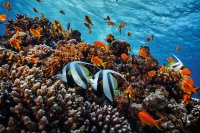
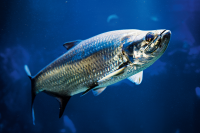
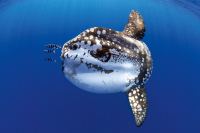
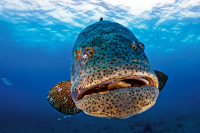
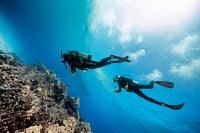
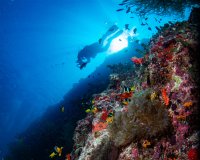
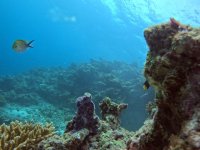
Explore dive destinations around the world. Whether you are planning a relaxed dive holiday or an adventurous dive trip, here you find the perfect location shaped by the ocean.
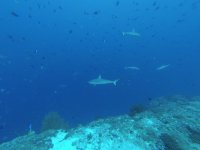
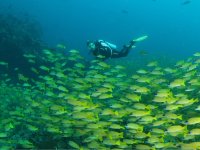
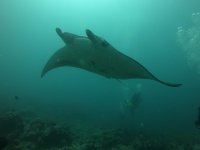
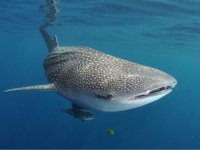
Discover marine wildlife and iconic dive sites worldwide. Whether you are drawn to coral reefs, wrecks, or big marine life, explore where divers dive and what lives beneath the surface.
Connect with certified dive centers and professional instructors worldwide. Whether you’re a beginner or experienced diver, find the perfect location to learn, explore, and enhance your diving skills.
Experience the ultimate diving adventure aboard world-class liveaboards. Explore remote dive sites, enjoy multiple dives per day, and wake up in paradise at some of the planet’s most incredible underwater destinations.
For liveaboard trips, we partner with LiveAboard.com to offer the widest selection of dive safaris worldwide.
Liveaboard diving holidays pack more diving in the same trip and allow divers to explore far-flung dive areas and see more marine life in the most beautiful dive destinations of the world.
Whether its wildlife tours, cultural visits and scenic hikes you are after or idyllic shores, swim stops and wonderful meals on board, an adventure cruise offers an amazing experience you won’t easily forget.
From the Andaman Sea to the Gulf of Thailand, both beginner and advanced divers can find magnificent diving throughout this beautiful country’s coastal regions. Thailand is famous for its stunning white-sand beaches set against lush tropical forests and limestone cliffs jutting straight up out of the ocean. Thailand’s warm waters are thriving with marine life with over 200 species of fish, rays, turtles, and sharks and 80 species of colorful corals. Diving in Thailand is every diver’s dream. With its magical underwater world set against a stunning landscape and friendly locals offering delicious cuisine, it is no wonder Thailand is one of the most perfect dive destinations.
Diving in Africa you can explore the wonders of the Red Sea or discover hidden gems like St. Helena Island.
Some of the world’s most paradisiac diving destinations in Asia can be found in Indonesia, Maldives, Malaysia, the Philippines, and Thailand.
Das Great Barrier Reef, das größte Korallenriff der Welt, ist der Inbegriff des Tauchens in Australien.
Diving in Occitanie – Discover the best scuba diving in France!
North America offers a wide variety of adventures for every type of diver such as ice diving in Alaska or cenote diving in Mexico.
Some of the top diving destinations in Oceania include Micronesia, Fiji, Polynesia, Palau, Guam or the Marshall Islands.
In South America, you will find plenty of dive sites to choose from, including Ilhabela, Abrolhos Archipelago, and Easter Island.
Explore scuba diving in the Atlantic Ocean – from temperate reefs to pelagic encounters. Discover top dive sites, conditions and marine life.
Discover scuba diving in the Baltic Sea, famous for historic wrecks and cold-water conditions. Learn where to dive and what to expect.
Experience world-class scuba diving in the Caribbean with vibrant reefs, walls and warm water. Explore the best dive destinations and conditions.
Explore scuba diving in the Indian Ocean, home to tropical reefs, sharks and clear waters. Discover top dive destinations and seasons.
Discover scuba diving in the Mediterranean Sea, from historic wrecks to caves and clear coastal waters. Find the best dive sites and seasons.
Explore scuba diving in the Pacific Ocean, known for vast reefs and big marine life. Discover top dive regions and underwater experiences.
Experience scuba diving in the Red Sea, famous for vibrant coral reefs and crystal-clear water. Discover the best dive sites and conditions.
Discover dive sites around the world where activity is at its peak right now. Whether you are searching for exceptional wildlife encounters or the right dive season, here you find where the action is happening beneath the surface.
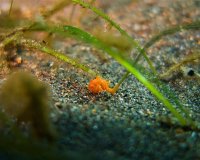
From the Caribbean Sea to the South Pacific Ocean, divers can find fantastic muck and macro diving worldwide. Muck diving gets its name from the “mucky“ environment, usually muddy sediment, where small yet fascinating animals are found. Macro photographers or those that just love hunting for small, beautiful species love the adventure muck diving brings. Explore the best muck dive sites in the world where you can find tiny octopi, colorful nudibranchs, brilliant shrimp, gobies, and much more! Go muck diving today!
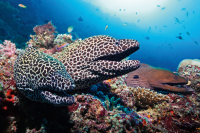
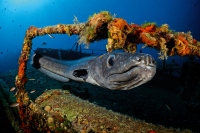
Critters of the Sea
“Humans” of the Underwater World
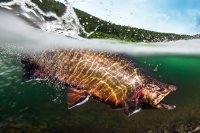
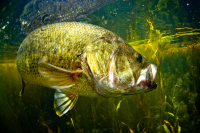
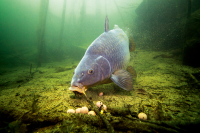
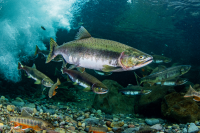
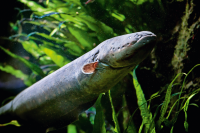
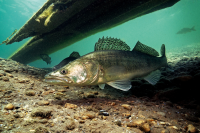
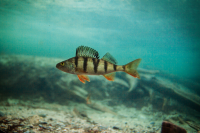
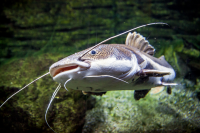
Dominators of the World’s Lakes and Rivers
Mesmerizing Movers
Diverse Ocean Dominators
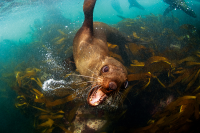
Curious, Playful, and Cute
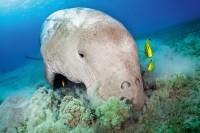
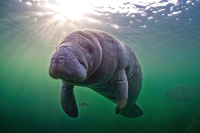
Gentle Movers of the Sea
Making the Oceans a Rainbow of Color
The Best Dads in the Sea
Kings of the Oceans
The Most Majestic and Ancient Ocean Swimmer
Record Holder of the Seas
Courses & Events
Dive Sites & Wildlife
Dive Center
St Leonards Pier (aka St Leonards Jetty and Breakwater) is rated as the best pier dive on the Bellarine Peninsula. With plenty of colour and growth on the pylons, this dive site is well worth a visit day or night either diving or snorkelling. Great site for macro photography.
This is a shore dive. There are jetties on both the east and west side of the pass at this beach - the east side is where people do most of their diving. This is a good local spot with plenty to see.
Location: Small rock island - 3mins boat drive on the North East point of Juara Bay; Depth18m; Current: Sometimes there is a mild current; Site: Two rocky islands to breach the surface water descending to the sandy bottom bay at 18m. The site has large boulder corals, rocky coral scape, overhangs, and small walls.
Playa Kalki with the dive site “Alice in Wonderland“ is the most north-western dive site which is possible from shore. A beautiful reef runs parallel to the beach with large coral formations. The best diving depth is between 5-20m.Parking, restaurant, toilets and diving school are on site.
One of the oldest known dive sites in this area, Mangrove Bay has certainly kept its beauty over the years. This is a great dive site for all diver levels with very healthy corals and easy access to the water from shore.
Bay with sandy entry. The sandry bottom is slow downgoing till 40 meters. On both sides are coral gardens will 30 meters. A rope is helpful to enter and exit the dive site by current.
The Lighthouse dive site is about 3.5 km away at the Dahab Bay and suitable for all level of divers. The reef starts north of the entrance with a sandy slope and leads you to big coral columns and bolders, as well as lovely coral wall on your way back.
The Dunraven wreck is lays a bit further out than the popular daily dive sites around Sharm el Sheikh, on Shaab Mahmoud. This wreck is laying upside-down and is gives shelter to many species.
Located 12km North of Dahab, the famous Blue hole dive site is a large submarine sinkhole, 150m across and 110m deep. The dive can start or end at the blue Hole as you can enter the water north of the sink hole at Ells Bells and multi level your dive to end at the blue hole.
Hardy Reef, on the Great Barrier Reef off Airlie Beach, is home to the Reefworld Pontoon. There is spectacular fish life with Trevally, Coral Trout, Snapper and a host of smaller marine life as well as Giant Maori Wrasse and a two metre long Giant Queensland Groper that usually congregate for a free feed.
North Channel on the north/north-east side of Rasdhoo Atoll. The channel is relatively shallow and with average depth of 20 m is suitable for competent open water divers. The current can get quite strong here, so choosing the right time to visit is important.
The surroundings of El Muellito and the two breakwaters of Playa Chica form a magical place to enjoy diving both day and night. This shallow dive is privileged for snorkeling, baptisms or the first initiation practices.
One minute from the closest dive center, Ghost bay is another great macro dive site, paradise for photographers by day and by night. A rock shaped area is habitat for crazy critters!
Lucy’s Reef is a reef from Bay 3 to Bay 4 on Ratchayi Island, heading south. This is a great opportunity for you to dive in the deep water. As you swim toward Bay 4, you can see coral beds and other coral formations in the rocky area around the south end of Bay 3. If the current is strong, you may be able to reach from Bay 3 to Bay 4 in no time.
Turtle Bay is an easy dive site suitable for every level of diver and also good for snorkeling. Sandy slopes, drop-offs, small pinnacles, and coral blocks will be found here.
Located in the middle of the coral triangle at Bunaken National Park, this dive site is a wall dive thriving with marine life like beautiful corals, sponges, and more! Perfect for freediving, scuba diving, and snorkeling as well.
Access to the dive site is only from a boat or zodiac. The bottom is sandy with a lot of coral blocks and pinnacles all covered with amazingly colourful soft corals.
Also known as Shoni Bay, this site has an easy, sandy entrance with the main reef to the north and south. On the south side, around 80m from the main reef, beautiful coral blocks are found with a lot of colorful hard corals.
Once this dive site was on the top 10 best in the world. Due to this rating many divers dived this site and specially at night. The damage on the top of this Thila (diver error) is bad, but as from 12m acceptable. At night many giant trevally and some white tips hunting.
Not far from Shaab Sheer we can find Shaab Claude. Shaab Claude sits amidst a chain of 3 block groups, each about 5 to 10 minutes by boat far from each other.
Bandos Rock is located on the house reef of Bandos Island Resort. The top reef starts at 3 to 5 meters and drops (rather steeply) to a sandy bottom at 30+ meters. You will find several caves and interesting overhangs on the wall. Enjoy the large table corals, the pinnacle and a canyon.
The main housereef of Thulhagiri resort. It spans across the northwest-north part of the island. Entry points are marked with red buoys. The western buoy has a line attached to get to 6m deep plateu. perfect for training dives. Afterwards the dive is mostly wall with multiple overhangs going down to about 20m.
Brothers Island, or El Akhawen, is a “must dive“ for every diver that visits Egypt. This dive site can be reached only via liveaboard boats. The location contains two islands, the small and the big island. This is a more advanced dive as it can have strong currents and deep drop-offs with lots of shark sightings.
The beautiful underwater topography mirrors the cliffs above water and creates a dramatic backdrop for the amazing wildlife sightings in the Sea of Cortez.
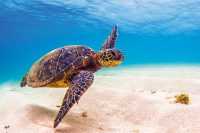
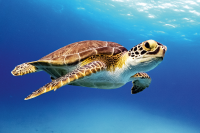
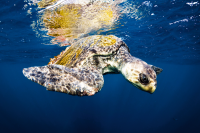
Hale O Honu is Hawaiian for “House of Turtle” and for good reason. You’ll see lots of turtles here! This is a great, easy boat dive fun for beginners and advanced divers alike.
We begin the descent at less than 10 meters deep and gradually reach greater depths, crossing several rock ridges and adjacent ravines. As we go deeper, the seabed becomes more uniform with wide sandy patches. A cave in shallower waters is well worth a visit.
This dive site is on the reef right in front of Pier Uno Dive Resort. Starts with a sandy bottom; then as you move to the northeast, there are some corals and rocks. Further northeast is a sunken jeepney and a guardhouse beside it.
Great and easy dive site. Access from beach. Beautiful corals and contrast with black sand on the bottom. Perfect dive after Boga Wreck. Good for all levels.
This dive site is shallow to over 30m with little current, therefore, it is suitable for beginner divers. Because the coral garden is shallow, it is also a very nice place for snorkeling.
The nearby jetty can be used to enter this dive or you can enter from the shore through a very nice small canyon leading you to the clear blue water. This dive starts with a sloping sand bottom where you can choose to head to the north or south reef.
An amazing dive site that is approx. 50 min away from Port Ghalib Marina offering daily boats. This dive site is suitable for all diver levels. You will see beautiful hard corals in the shallow areas. The shore can be accessed through the hole in the reef top.
Eel Garden lays between a wall and a canyon. This sandy slope is suitable for divers of any level. There is even an entrance from the shore, starting from a small cave right on top of the sandy slope.
The reef consists of various ledges and sandy channels, with the upper parts serving as manta cleaning stations. Located approximately 17km away, which is about a 30-minute boat ride, this dive site has depths ranging from 21-28m, offering a bottom time of 31 minutes for air divers and 40 minutes for nitrox divers
Cavern. Follows the thin passage back and it opens to a large chamber, on calm seas days you can surface at the end. Maximum depth around 25 meters.
Snorkelers and divers can enter the park via the jetty/zodiac, speedboat, or beach. The entrance is very easy because you enter the water from a staircase. This site is a slowly sloping reef with many plateaus and up to 40m depth. There is a beautiful canyon at 6 - 18m. Training platforms at 2,3,5 and 9m.
Sebayur Kecil is a sloping reef. This dive spot is suitable for beginners and those looking to refresh their skills as well as for snorkelers. Usually no to light current is present. Great dive site for searching for small inhabitants, yet deeper down divers can spot different sharks.
Housereef directly in front of Utopia Beach Club / Pensee south of El Quseir, Egypt. Shallow inside part, great for snorkeling, training and night dives. Fairly protected from waves and currents. Sandy bottom with coral blocks. Many holes and caverns in the reef.
This is one of the most famous wrecks in the world. This site is suitable only for advanced divers and EAN is highly recommended. on a trip there you do at least 2 dives, inside and outside around. The bridge rises up to 17 m.
Sombrero is located 9.5km from playa Potrero or 6 miles. Its name is given to it by its shape resembling Mexican hats. There are several launching points all around the islands. The north side is rapidly deeper. Possibility of adapting the depth to the profiles of the divers all around the Island.
The HMAS Brisbane was scuttled in July 2005 to create an artificial reef off Mooloolaba’s Sunshine Coast. The Queensland government created a Conservation Park around the wreck. This wreck is buzzing with beautiful marine life.
Fish Head Thila was formerly known for its enormous population of grey reef sharks. Now it depends on luck, season and the current to see them. The reef plate starts at about 10 meters depth and there can be currents. Fast descent required.
A stunning underwater pinnacle just minutes away from the island of Kuda Rah. This dive site has been declared a protected marine area. The dive site is better for Advanced certified divers and those who are experienced with a bit of current. Nitrox is recommended.
This dive site is quite unique in the fact that the pinnacle has split into five pieces over thousands of years of erosion. The pieces of pinnacle lay at depths of between 12m and 40m.
Moofushi Kandu is one of the prime channels in the Maldives to observe Grey Reef Sharks, Mantas, Eagle Rays and other big fellows. The channel entrance has a depth of 40 to 50 Meters. Crossings are only available at moderate currents
Dive site right on the corner of Maamigili Island at the southern end of the Ari Atoll, which also has an airport. Outer reef slowly sloping down to approx. 10 m, then more or less steep wall up to over 40 meters with smaller overhangs and crevices. Depending on the current, right or left shoulder along the reef.
Located North to North West of Sepanggar Island, this dive site is a slopping bottom with diverse hard coral and is only accessible via boat. Visibility is often very clear at this dive site due to its strategic location between Sepanggar mainland and Sepanggar Island.
One of the famous dive sites in Hurghada is Small Giftun Drift, also known as the Polics Station. It offers a great wall drift dive finishing with a coral garden plateau and stunning coral reef with lots of marine life of varying types.
Bathala Thila is a submerged pinnacle east of the resort island Bathala Island. The reef top is about 40 m long and begins at a depth of about 6–10 m. It is covered with anemones and soft and hard corals. Overhangs from 10 to 20 m deep surround the reef.
Short driving time of approx. 25 minutes and can be approached even in strong winds. Shallow reef (max 16m) with great lighting conditions. Apart from the channel, there is little to no current.
Housereef, directly in front of the dive center, very easy to reach with shuttle and great helpful staff. A little windy and also swell belong here with changing currents.