Explore dive destinations around the world. Whether you are planning a relaxed dive holiday or an adventurous dive trip, here you find the perfect location shaped by the ocean.
Discover marine wildlife and iconic dive sites worldwide. Whether you are drawn to coral reefs, wrecks, or big marine life, explore where divers dive and what lives beneath the surface.
Connect with certified dive centers and professional instructors worldwide. Whether you’re a beginner or experienced diver, find the perfect location to learn, explore, and enhance your diving skills.
Experience the ultimate diving adventure aboard world-class liveaboards. Explore remote dive sites, enjoy multiple dives per day, and wake up in paradise at some of the planet’s most incredible underwater destinations.
For liveaboard trips, we partner with LiveAboard.com to offer the widest selection of dive safaris worldwide.
Liveaboard diving holidays pack more diving in the same trip and allow divers to explore far-flung dive areas and see more marine life in the most beautiful dive destinations of the world.
Whether its wildlife tours, cultural visits and scenic hikes you are after or idyllic shores, swim stops and wonderful meals on board, an adventure cruise offers an amazing experience you won’t easily forget.
Expect to see historic shipwrecks, abundant marine life and secretive underwater cities. The underworld of Turkey is so diverse and has so much to offer - from great boat diving to beautiful reef walls, drop-offs, caverns and deep canyons. Regions for amazing diving in Turkey include Gallipoli, Bodrum, Fethiye, Kas and Antalya. Go on an underwater adventure in the crystal clear waters of Mediterranean and Aegan Sea!
Diving in Africa you can explore the wonders of the Red Sea or discover hidden gems like St. Helena Island.
Some of the world’s most paradisiac diving destinations in Asia can be found in Indonesia, Maldives, Malaysia, the Philippines, and Thailand.
Das Great Barrier Reef, das größte Korallenriff der Welt, ist der Inbegriff des Tauchens in Australien.
Diving in Occitanie – Discover the best scuba diving in France!
North America offers a wide variety of adventures for every type of diver such as ice diving in Alaska or cenote diving in Mexico.
Some of the top diving destinations in Oceania include Micronesia, Fiji, Polynesia, Palau, Guam or the Marshall Islands.
In South America, you will find plenty of dive sites to choose from, including Ilhabela, Abrolhos Archipelago, and Easter Island.
Explore scuba diving in the Atlantic Ocean – from temperate reefs to pelagic encounters. Discover top dive sites, conditions and marine life.
Discover scuba diving in the Baltic Sea, famous for historic wrecks and cold-water conditions. Learn where to dive and what to expect.
Experience world-class scuba diving in the Caribbean with vibrant reefs, walls and warm water. Explore the best dive destinations and conditions.
Explore scuba diving in the Indian Ocean, home to tropical reefs, sharks and clear waters. Discover top dive destinations and seasons.
Discover scuba diving in the Mediterranean Sea, from historic wrecks to caves and clear coastal waters. Find the best dive sites and seasons.
Explore scuba diving in the Pacific Ocean, known for vast reefs and big marine life. Discover top dive regions and underwater experiences.
Experience scuba diving in the Red Sea, famous for vibrant coral reefs and crystal-clear water. Discover the best dive sites and conditions.
Discover dive sites around the world where activity is at its peak right now. Whether you are searching for exceptional wildlife encounters or the right dive season, here you find where the action is happening beneath the surface.
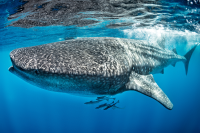
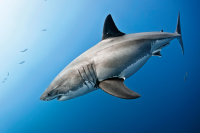
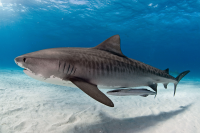
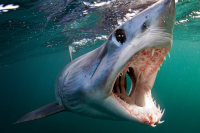
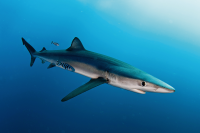
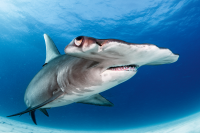
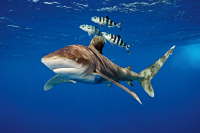
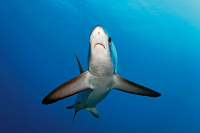
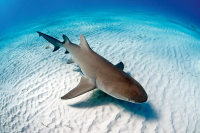
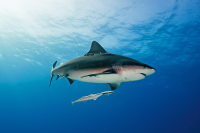
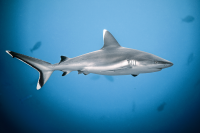
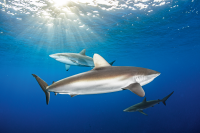
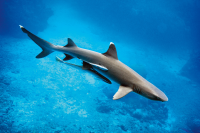
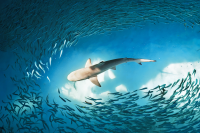
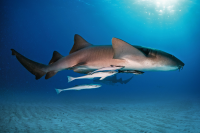
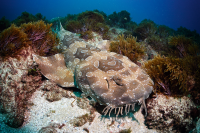
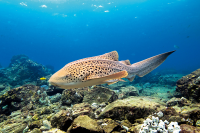
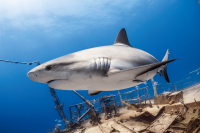
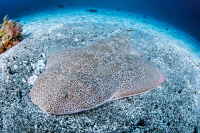
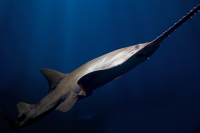
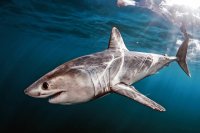
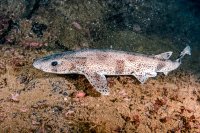
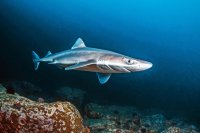
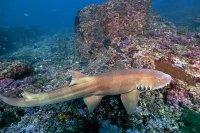
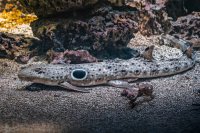
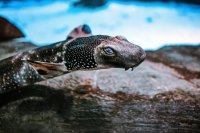
Shark Awareness Day is upon us! To honor these powerful, majestic creatures, here are the world’s best dive spots for amazing shark encounters. Humans have always been fascinated by these large predators. Seeing a shark underwater can be a heart-pounding, thrilling, and unforgettable experience. Get your underwater camera ready and come explore some of the best places on the planet to encounter sharks!
The Architects of the Reef
Critters of the Sea
“Humans” of the Underwater World
Living Stars of the Sea
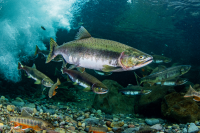
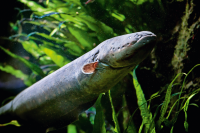
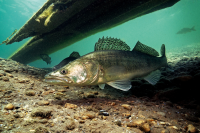
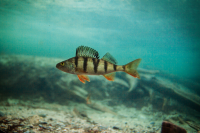
Dominators of the World’s Lakes and Rivers
Mesmerizing Movers
Diverse Ocean Dominators
Curious, Playful, and Cute
Gentle Movers of the Sea
Making the Oceans a Rainbow of Color
The Best Dads in the Sea
Kings of the Oceans
The Most Majestic and Ancient Ocean Swimmer
Record Holder of the Seas
Courses & Events
Dive Sites & Wildlife
Dive Center
This is a fun, shallow wreck that is mostly intact. Due to its shallow depth it is a VERY popular stop for all of the snorkel cruises so be prepared to descend among throngs of tourists. Still, a very fun dive worth the effort.
The Antilla is the largest shipwreck dive in the Caribbean at 400 feet long. Most of the ship is still intact and divers can explore the porthole, deck fitting, and interior sections. The Antilla is probably the most popular dive site in Aruba.
The reef consists of thousands of spectacular coloured hard and soft corals. Hard corals provide shelter to numerous juvenile fish. This is a relaxing, scenic dive for all levels of divers.
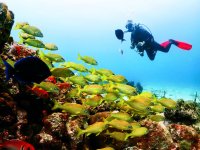
Antons is one of the best dives in Sodwana. Anton’s Reef is so-named after one of the first dive operators in Sodwana Bay (1980’s) – Anton Buchel. On this reef you will find various gullies, a long swim-through, and boulders surrounded by sand patches. Numerous varieties of coral such as fleshy soft coral, table, and spiral coral, as well as colourful sponges cover the area. This dive site is only accessible via boat with an average depth of 12m and a maximum depth of 16m.
Located just off the bottom of Olango Island the Nalusuan site takes around 30 minutes to reach from Mactan. It offers a large sflat flat descending to a deep wall with superb corals. Also shallow reefs and walls on the southern end of the marine park.
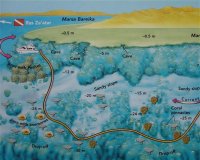
This dive site sits in the bay of Mersa Bareika and is scattered with colorful coral heads that stretch all around the area and flourish with high and low tide, giving a diverse array of marine life.
Location: In front of Juara Scuba Academy dive center. Can walk straight off the beach and dive into underwater experiences; Depth: 8m; Current: Sometimes mild current; Site: Sandy bottomed bay ranging between 2 - 5 m which moves into shallow fringing reefs.
A boat dive, Mushroom Forest is one of the most famous dive sites in Curaçao, where hard coral formations have grown and eroded into large mushroom-shaped corals.
A beautiful wall dive on Glover’s Reef within the Lighthouse Reef Atoll. The wall does not disappoint with beautiful, healthy coral growth, giant sponges, and tons of marine life to see.
The Carangue Point is located between 2 dive sites. It can reached from the Swimming Pool or the Coral Garden sites, and averages 10 to 30 meters. There is a moderate to strong current. When it is strong, it is advisable to lie on the ground to observe the big eyed jackfish broom.
This sight has two high profile ledges, one sitting at about 25 feet and the other at about 35 feet. This used as a coral out planting site for staghorn and elkhorn. You can also find a small swim through!
Sombrero Reef is a designated SPA area and is one of the more popular scuba diving and Florida Keys snorkeling destinations in Marathon. The area’s name is derived from the 142’ lighthouse which is located in the northern section of the SPA region.
Sol is a beach in the north of Jeddah that has a platform at a depth of about 5 meters. Max. Depth up to 40 meters. Its suitable for beginners and professionals. If there is current, it becomes full of colors and marine life.
Makena Landing offers divers access to one of the best and most unique dive sites on the island of Maui. This area is home to numerous ledges and grottos, and actually encompasses a few different individual dive sites known as 5 caves/5 graves, turtle town, and turtle arch.
At the entry point, there are several coral blocks ranging from 8 to 15 meters in depth, reaching almost to the surface.A beautiful coral garden with soft and hard corals.
Certainly the best site for beginners in Tahiti. A coral ring which is ideal for a first dive. There are also 3 wrecks lying on the sand: a Cessna (5 m) and 2 boats.
The site owes its name to a freshwater spring emerging from the depths of the ocean. It gushes out at 5-6 meters below the surface and is easily visible due to the column of fresh water escaping from it. This is what is called a halocline. This site is well-known in Tahiti for turtle watching.
This site is a reef off a small island. Two sides can be dived. Flood current: dive west. Ebb current: dive east. There is a slope from the island to a flat seabed at 18 meters.
This spot is only accessible by boat. Do you still want to make a shore dive? Dare the jump and dive through to Karpata. It is a steep wall up to 30 meters, followed by a sandy plateau and the next wall up to about 60 meters.
Koloa Landing is located in Hanaka’ape Bay, Kauai and is a very popular dive site, especially for scuba instruction. The entry is easy, and there is plenty to see to the left and right of the landing.
Decommissioned in 2014, the ship was donated and purposely sunk via controlled explosion to create a new dive site on 19 March 2014. The 47 metre long wreck sits almost upright (20 degree list) facing north to south (bow-stern), some 800-1000m to the east of Piley Bay (Ko Phi Phi Ley).
Diving at Blue Bay is possible by signing up at the Poort and later at the Center. It is an interesting bay up to about 6 meters after which the wall begins. Dive around or if you have enough gas towards Blue Bay Wall.
Entering from Cala Vidre. Follow the wall to the right of the crick. Maximum depth of 7 meters, perfect for beginners. Posidonia, rock, tunnels, and fine sand bottom. Good visibility.
Another shallow reef dive, however even with its similar topography to other sites, it delivers a vastly different set of species. Ever-present is large numbers of fusiliers and other colourful fish inhabiting the coral. It is known for its strong currents.
Challenging dive site, This is the one site where anything can happen….and it usually does! Be ready for an amazing dive here! one of the most popular dive site in Raja Ampat
Keepsake is a nice dive site on Klein Bonaire that is suitable for every diver. It has a sandy bottom with hills and gullies. There is a beautiful drop-off of 12 meters.
Mi Dushi (My Sweetheart) is a beautiful wall that extends to 38 meters. It is located on the island of Klein Bonaire and its flat start makes it ideal for snorkelers as well.
On the southwestern tip of Klein Bonaire you will find Forest. You can only get here by boat and either do a shallow dive or visit the reef, which extends to a depth of 50 meters.
The St George Wreck is one of the most favorite dive sites in the Bayahibe area, if not all of the DR. The wreck sits in 144 feet of water, and is thus considered an advanced dive, however, the top of the wreck is at 50 feet and can be explored by newer divers who can watch their depth.
In Ras Ghamila you can find big table corals, gorgonians, and pinnacles all over a sandy bottom. This dive site is suitable for any level of diver and snorkelers.
Small walls from 5 metres to 18 metres where you can find hard and soft coral. This site is unique for the small wall and offers great visibility and nice temperatures.
Located in the middle of the coral triangle at Bunaken National Park, this dive site is wall dive with abundant marine life, beautiful corals, sponges, and more. This site is perfect for freediving, scuba diving, and snorkeling.
Sabolan Besar is a 40 minute boat ride. This site is usually dived in combination with Sabolan Kecil. It offers relaxed diving, suitable for check-out dives, courses, and snorkelers. A great plus of Sabolon Besar is the white sandy beach where you spend your surface intervals.
Crystal Rock in the north part of Komodo National Park is a pinnacle in the open sea that is submerged at high tide, and is home to a wide variety of marine life. With its challenging currents, Crystal Rock offers a thrilling experience and great visibility at around 20 m.
A favorite spearfishing and scuba diving spot for Fidel Castro, he had no desire to see it get fished out so fishing was discouraged even before the area was officially a marine preserve. It’s situated 60 miles south of Cuba’s central coast near the village of Jucaro and VERY remote.
Sveta Marina is located south of Rabac and is characterized by two beautiful reef walls. It is possible to dive here from shore and by boat.
Ranging between 10 and 40m, No Name Pinnacle can be enjoyed by entry level divers, but only those with deep-dive training will get the most out of this site.
This dive site is in the middle of the ocean and is a drift dive. You will find some pinnacle with sponges and hard coral. It is a tidal dive so make sure you make this dive when it is low tide.
This site is a shallow plateau with a slope located to the northeast of Gili Trawangan. The dive site offers a wide array of marine life and coral and is famous for its big schools of fusiliers, red tooth triggerfish, and long jaw mackerel.
Located between the dive sites Buyuk and Sental, PMG is marked with a small temple in the shallows and is a common place to see mola mola cleaning (at the right time of year). Usually a gentle drift, this site is a gentle slope with plenty of soft corals and an abundance of fish life.
Colin Bambous: due to its depth of approx. 34m rather for advanced divers with Deep Diver Specialty. Fascinating steep walls and rock formations await us at this dive site.
Fringing reef with beautiful corrals and lots of colorful fish. Reef is in very good condition. Depth varies from 5 to 30m. Specialty of Abu Dabbab Garden is the area around the jetty where a small and a big lagoon, canyons and caves can be found.
The diving here is between 5m-24m. There is a small plateau and a little canyon. If you go down to the edge there can be quite a bit of current which normally flows north along the coast.
On the West side of Phi Phi Leh , north of Maya Bay, there is the bay of Malong, a frequented dive site between December and May, only dived occasionally during the Monsoon season.
Before the reef really starts you have a large stretch of sand that is also interesting for snorkelers. The reef itself is named after the schools of “Black Margate“ that you can encounter here.
One of the most popular dive sites in all of Bonaire, Buddy’s Reef is a very easily accessible shore dive perfect for beginners and experienced divers. It sits right off the popular Buddy’s Dive Resort and is their house reef.
Located on the western side of Rhodes, this is a small island with fish farms. A great dive with a wooden shallow wreck. You will have the opportunity to dive with tunas and dolphins and do some snorkeling inside the fish cages and be surrounded by thousands of fish.
Mexico Rocks Marine Reserve is a shallow patch reef complex located off the northern tip of Ambergris Caye. The site consists of approximately 100 Holocene patch reefs and is composed predominantly of boulder corals all in very shallow water making this a great snorkel site.
A fascinating reef for beginners. Parts of a sunken Lockheed Lodestar are scattered at 35 feet of water. Coral formations, parrot and angelfish surround the airplane wreckage and coral heads.
A beautiful reef with lots of healthy coral! You will also find a lot of coral shallower, which makes snorkeling here a great experience. Pay attention on the entrance, it is littered with remains of coral.