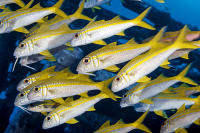
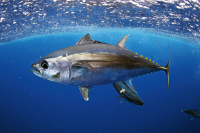
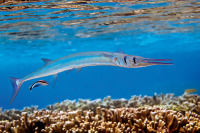
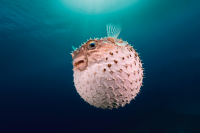
Explore dive destinations around the world. Whether you are planning a relaxed dive holiday or an adventurous dive trip, here you find the perfect location shaped by the ocean.
Discover marine wildlife and iconic dive sites worldwide. Whether you are drawn to coral reefs, wrecks, or big marine life, explore where divers dive and what lives beneath the surface.
Connect with certified dive centers and professional instructors worldwide. Whether you’re a beginner or experienced diver, find the perfect location to learn, explore, and enhance your diving skills.
Experience the ultimate diving adventure aboard world-class liveaboards. Explore remote dive sites, enjoy multiple dives per day, and wake up in paradise at some of the planet’s most incredible underwater destinations.
For liveaboard trips, we partner with LiveAboard.com to offer the widest selection of dive safaris worldwide.
Liveaboard diving holidays pack more diving in the same trip and allow divers to explore far-flung dive areas and see more marine life in the most beautiful dive destinations of the world.
Whether its wildlife tours, cultural visits and scenic hikes you are after or idyllic shores, swim stops and wonderful meals on board, an adventure cruise offers an amazing experience you won’t easily forget.
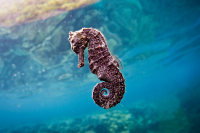
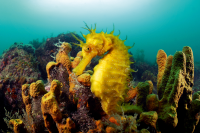
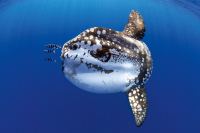
Push your limits and go beyond what an average diver will ever experience - discover the mystique of deep diving. Many secretive dive sites await you in deeper water - especially exciting wrecks and dark caves but also the magic of cenotes and astonishing steep walls can be explored beyond the recreational limits. Expect to see large marine life such as the ocean sunfish but also Pacific seahorses live up to 60m (200ft) deep. Some of the most popular spots for deep diving include the Blue Hole in Belize, Gordon Rocks in Galapagos or the cenotes in Mexico.
Diving in Africa you can explore the wonders of the Red Sea or discover hidden gems like St. Helena Island.
Some of the world’s most paradisiac diving destinations in Asia can be found in Indonesia, Maldives, Malaysia, the Philippines, and Thailand.
Das Great Barrier Reef, das größte Korallenriff der Welt, ist der Inbegriff des Tauchens in Australien.
Diving in Occitanie – Discover the best scuba diving in France!
North America offers a wide variety of adventures for every type of diver such as ice diving in Alaska or cenote diving in Mexico.
Some of the top diving destinations in Oceania include Micronesia, Fiji, Polynesia, Palau, Guam or the Marshall Islands.
In South America, you will find plenty of dive sites to choose from, including Ilhabela, Abrolhos Archipelago, and Easter Island.
Explore scuba diving in the Atlantic Ocean – from temperate reefs to pelagic encounters. Discover top dive sites, conditions and marine life.
Discover scuba diving in the Baltic Sea, famous for historic wrecks and cold-water conditions. Learn where to dive and what to expect.
Experience world-class scuba diving in the Caribbean with vibrant reefs, walls and warm water. Explore the best dive destinations and conditions.
Explore scuba diving in the Indian Ocean, home to tropical reefs, sharks and clear waters. Discover top dive destinations and seasons.
Discover scuba diving in the Mediterranean Sea, from historic wrecks to caves and clear coastal waters. Find the best dive sites and seasons.
Explore scuba diving in the Pacific Ocean, known for vast reefs and big marine life. Discover top dive regions and underwater experiences.
Experience scuba diving in the Red Sea, famous for vibrant coral reefs and crystal-clear water. Discover the best dive sites and conditions.
Discover dive sites around the world where activity is at its peak right now. Whether you are searching for exceptional wildlife encounters or the right dive season, here you find where the action is happening beneath the surface.
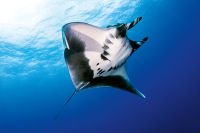
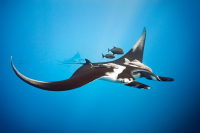
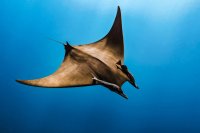
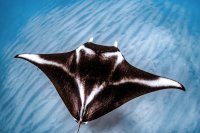
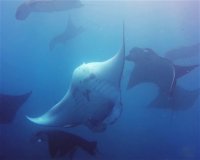
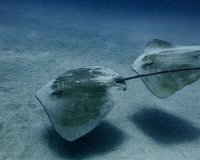
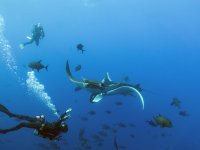
Getting up close with a manta ray is every diver’s dream. These majestic, elegant yet peaceful animals glide easily through the ocean and make up for a truly magical experience that you will never forget. Manta rays can grow up to 7 meters and live at least 50 years. Although these gentle giants can be found in many places around the globe, they prefer warmer, tropical waters like the Indo-Pacific. Some favourable dive sites where you’ll have higher chances to swim with these graceful creatures, are the Socorro Island in Mexico, Kona in Hawaii and Raja Ampat in Indonesia.
Critters of the Sea
“Humans” of the Underwater World
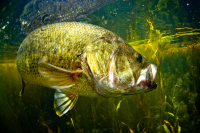
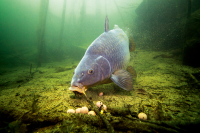
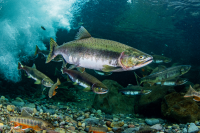
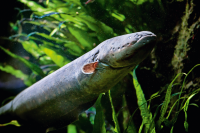
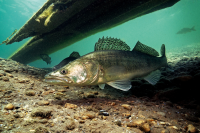
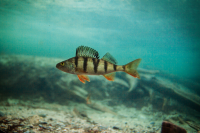
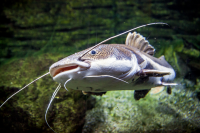
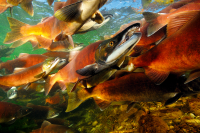
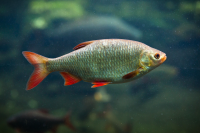
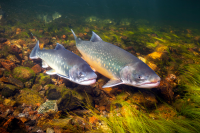
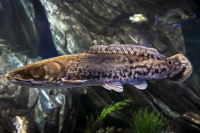
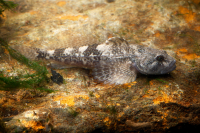
Dominators of the World’s Lakes and Rivers
Mesmerizing Movers
Diverse Ocean Dominators
Curious, Playful, and Cute
Gentle Movers of the Sea
Making the Oceans a Rainbow of Color
The Best Dads in the Sea
Kings of the Oceans
The Most Majestic and Ancient Ocean Swimmer
Record Holder of the Seas
Courses & Events
Dive Sites & Wildlife
Dive Center
Just off of Maui sits the small island of Lanai. You can stay on this island but most people opt for staying on Maui and then taking a dive charter over to Lanai just for the day. First Cathedral is Lanai’s most popular dive site featuring a two-story underwater cavern that will take your breath away.
Located in the south of Nusa Penida Island and facing the Indian Ocean, Manta Point can often have big waves. This dive site has large rock mounds which are often visited by manta rays for self cleaning, giving this site it’s name.
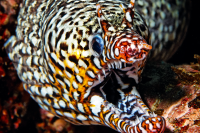
1 hour to the south of El Gouna you can find the Fanadir reefs. It is a wall full of spectacular marine life. Above the wall is a plateau which is about 20m wide, then the wall drops off to over 70m deep. There is one big pinnacle full of glass fish and moray eels.
This is a magnificent wall dive on the south side of Coronado Island off of Loreto, Mexico. This is a deeper dive for advanced divers only. You’ll descend to about 100 feet where you’ll see lots of caves and caverns covered in black coral and sea fans.
This dive site is formed by a coral drop off that starts at 15 meters deep. For this reason divers should be at least advanced certified to dive here. Follow the reef to find two big formations of Turbinaria full of amazingly active fish life.
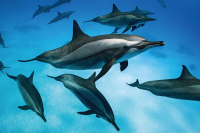
The Sataya Reef (Dolphin Reef) near Marsa Alam is a highlight for divers and snorkelers. Famous for its spinner dolphins, it offers encounters with diverse marine life and colorful corals.
One of the most beautiful wall / drop off dive sites in this area . Untouched coral reefs with both soft and hard coral. There is a current most of the time, therefore this is always drift dive. This site is recommended only for more experienced divers.
Directly in front of Utopia Beach Club south of El Queseir, Egypt, access from shore or by boat. Fairly protected from waves and currents. Sandy bottom with coral blocks merges into a mini wall. Typical topography of the fringing reef of El Quseir/Marsa Alam
Wreck of a former tugboat that worked in the port of Port Louis, sunk in the 1980s for scuba diving, at only 19 mts. Lost of life as on all artificial reefs.
Raggies Cave is a large overhang with a swim-through and is renowned for the sand tiger sharks that congregate here during winter and spring. The maximum depth is 18m, with an average depth of 11m.
Amphitheatre’s name says it all, divers can just observe the living color. Schools of marine life deliver the most brilliant show. Maximum depth is 27m with the top of amphitheatre at 18m.
This site is named Castle because of its pinnacles and castle like structures with swim throughs, gullies, and overhangs to explore. Maximum depth is 25m and the top of the reef is 12m deep.
Cathedral is one of the most popular and impressive dive sites to visit on Aliwal Shoal. Maximum depth is 27m with 18m on top of Cathedral. Both big and small aquatic beauties decorate this unique reef structure.
This is a dive site for everyone, it has three main features – a pinnacle that spirals rapidly up towards the surface, an overhang that provides a sheltered hiding place for many of the shoal’s shier residents, and the famous Chunnel Cave.
Pinnacles forms a cluster of mountain like rock formations with many crevices, gullies, and ledges to explore. This dive site is a must for the list of sites to visit when diving Aliwal Shoal. Maximum depth is 18m with the shallowest pinnacles at 5m .
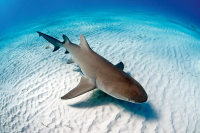
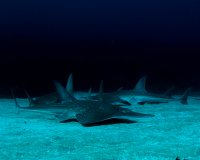
North Sands is a large sand patch surrounded by rock formations. Enjoy stunning displays from various Rays, Sand Sharks, and Sand Tigers during the winter months from April to October.
South Sands consists of a large sand patch surrounded by reef structure. Maximum depth is 14m with an average depth of 11m. This is the perfect dive site to spot large groups of Rays or Guitar sharks.
Manta Point – Aliwal Shoal’s Premier Big Animal EncounterManta Point is one of the most thrilling dive sites on Aliwal Shoal, famous for its seasonal visits from giant oceanic mantas and its incredible biodiversity. This site is a magnet for divers seeking awe-inspiring encounters with large pelagic species.
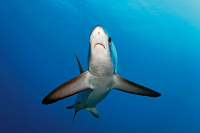
After the tresher sharks disappeared from Monad Shoal for unknown reasons and moved to the Kimud Shoal, this is now one of the best dive sites in the world to see the rare and elusive tresher sharks. These sharks normally live in the deep but regularly come here for the cleaning stations at shallower depths.
Roca Partida may seem like it is out in the middle of nowhere, sitting approximately 70 miles west of Socorro and 85 miles from San Benedicto, but it is thriving with life. Accessible only by liveaboard, this is an advanced dive on a pinnacle that rises from hundreds of feet of water.
Approach by boat about 60 min, large outer reef with north and south plateau, depth 18-32m. Steep walls on east and west side, depth 40m+ with current mostly from north direction, in light to medium strength.
About 2 hours and 15 minutes away from Elgouna to the north, this site his home to a nice coral garden, sloping down to a wonderful coral drop off. This is an easy dive for all levels of divers. There is a current that comes from the north direction sometimes, making it a drift dive at times.
An excellent location, this spot is close to Conceição Beach and offers dives of up to 16 meters. Very well known for the concentration of fire corals.
The southern boats pass is certainly one of Mayotte’s most impressive. Very subject to date, you will have good chance of crossing “big stuff” on this site. 25 meters, you will find a cave in which you can stay to watch the paradise in front of you ... Impressive!
Beautifully overgrown wall, in the sandy bottom large coral blocks and a seagrass meadow with smaller beautiful coral blocks. Possibility of turtles.
Mangrove is a beautiful dive site on the north side of Lembongan Island. Mangrove features a stunning sloping reef with moderate to strong currents. It is a perfect place to go drift diving.
A very interesting shore dive, next to a fish farm. Medium visibility, sometimes medium strong current, depth up to 45m.Tricky entry and exit cause of sharp rocks around.
Approx. 90-minute boat ride but worth the trip. From 5 to over 40m deep everything available to see. This is a nice dive site for one way drift dives. Many blocks form a kind of fun labyrinth.
The most sheltered coastline in the region, the North Face of Ilha Comprida offers an abrupt slope, meeting with the sand between 9 and 12 meters deep.
Diver’s Cove is an easy entry shore dive great for beginning divers. You can access the beach by either the stairs located on the north side of the parking lot on Beverly & Myrtle Streets on Cliff Drive or the ramp on the south side of the parking lot. Be careful of sand as it makes the stairs and ramp slippery.
We begin the immersion in a natural pool in which we will dive to cross a volcanic tube that will take us to the open sea. No doubt a dive that will not leave anyone indifferent.
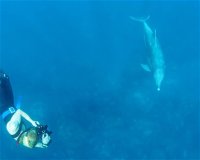
More than 200 wild dolphins live around Mikurajima. You can swim with them by skin diving only; no scuba diving is allowed. There are two ways to swim with the dolphins here. The first way is you can land on Mikurajima and approach the dolphins in a small boat.
Once referred to as the ’aquarium of the world’ by Jacques Cousteau, diving in the waters surrounding La Paz, Mexico is just that: so full of diverse marine life it’s like diving in an aquarium. Los Islotes boasts great rock formations and tons of marine life but most divers come here for the sea lions.
Dive site: very beautiful coral garden and always good for a surprise. This is the north of diving spot Imbarak. Max. Depth: 25 meters. Journey time: Approx. 15 minutes South by boat.
A beautiful house reef sitting just off-shore from the Magic Life resort. Easily accessible from the beach or the jetty with calm conditions and very clear water.
This dive site is the section of coral reef which makes up the channel of Dolphins House Reef. It is a 1 hour and 10 minute ride northeast of El Gouna. The site has a max depth of 10m and is full of soft coral and anthias fish. There are nice pinnacles with sloping coral gardens nearby.
1 hour to the south of El Gouna you can find the Fanadir reefs. This site features a wall which is full of marine life. After the wall sits a Plateau which is about 20m wide and then there is a drop-off to over 70m depth. On the plateau you will find some pinnacles to explore.
Reef wall from 8m to 25-30m with interesting boulder and old coral formations at the top to deep overhangs and caverns below, often with a changable current to watch for at times and cleaning stations spaced along the top reef, offering opportunities to spot manta rays and turtles in the right conditions/season.
The El Quadim house reef is located directly in the bay of the Mövenpick Hotel El Quseir and has with its 5000 years of history an eventful past (originally the oldest trading port of Egypt ancient amphorae & anchors).
Entry like a drift dive. At the beginning beautiful overgrown wall, followed by a gorgonian plauteau which ends in a beautiful coral garden.
Entry via the reef top followed by a 30m tunnel with a small hole at the end. The dive time through the tunnel is around 4 minutes and there can be current. Afterwards you will find very nice soft corals and boulders.
Alisim wreck was a wooden refugee boat that came from turkey and unfortunately after a big storm went down next to stronggyli island. No one lost his life, and now is a very nice wreck to explore underwater.
Goat Island is a marine reserve located near Cape Rodney in the Hauraki Gulf. The reserve offers a range of marine landscapes, from sandy flats to rocky reef systems.
Alighaa Beyru Faru is located about 40 minutes south west of Le Meridien Maldives. As with most farus, it’s a relatively easy drift dive along a beautiful coral covered reef. The top is at 5 meters and then slopes down to 30 meters and beyond (100 meters plus)
Barney’s Rock (Panau Island) is located 15min south on SH1 From Daves Diving Kaikoura. This is the gateway to the Hikurangi Marine Reserve and diving around the island you reach depths of 19m.
Heading north from Juara, and only 10 minutes from Juara Jetty. An easy dive site for beginners, good for macro photographer. Good dive site to dive.
Spectacular reef, as it stands one of the best reefs in Morrungulo, many more still to be found of course. Straight offshore from Peri-Peri Dive Camp. It takes around 30mins to arrive, possible to find dolphins and hammerheadsharks on the way.
Panorama Reef is one of the top dive sites in the Safaga area. The reef formation and location attract all the amazing large marine species that you would expect to see in the deep blue. Two different dives can be done here: north and south Plato. Both dives average 0 to 40m plus in depth.